





 Portuguese
  English
  Spanish
  4 min of reading
  0 comments


Shipyards and Unions Pressure Petrobras for More Local Content in Its Oil Platforms
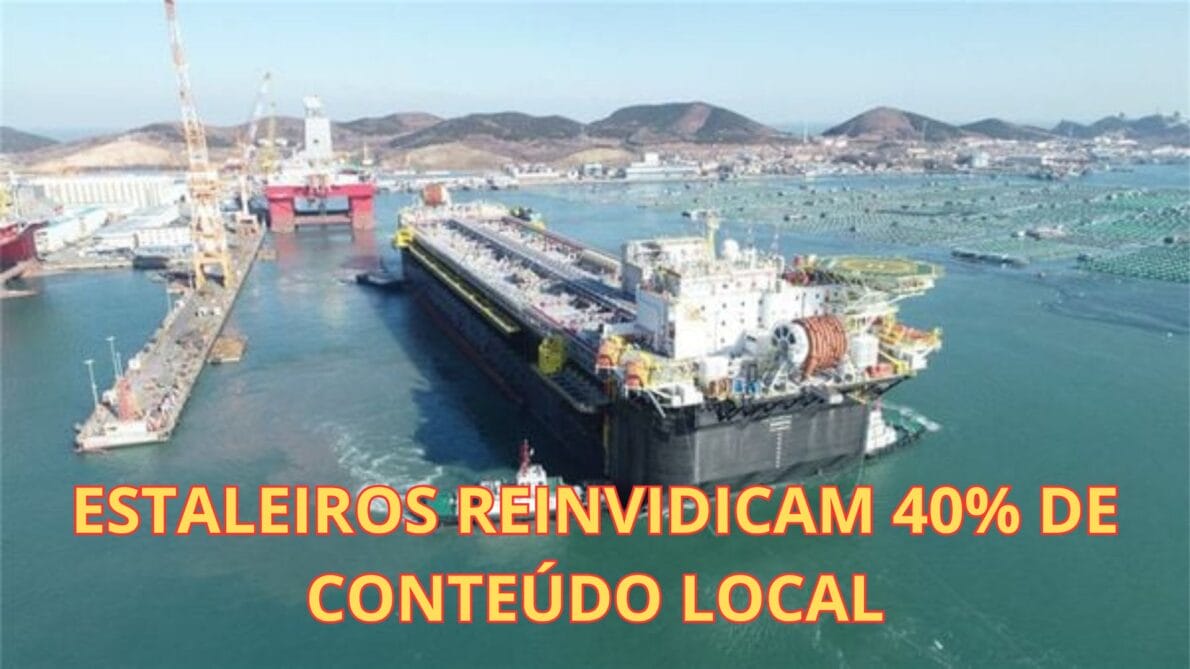
Brazilian shipyards are demanding that Petrobras increase the share of national content to 40% in contracts for the construction and chartering of FPSO-type platforms. The National Union of the Shipbuilding and Offshore Repair Industry (Sinaval) argues that this measure is essential to strengthen the shipbuilding industry and the Brazilian supply chain. The current requirement of 20% is insufficient to generate the economic impact and jobs expected by the sector.
However, Petrobras still resists adopting higher percentages, preferring to maintain the current standard, which has sparked debates among various entities in the oil and gas sector.
Pressure from Shipyards for Higher Local Content
The request from the shipyards, represented by Sinaval, aims to raise local content to 40% in upcoming Petrobras tenders. The main argument from the union is that this measure, in addition to strengthening the national shipbuilding industry, will stimulate the local economy, generate jobs, and promote the development of the production chain for machinery and equipment.
-
Brazilian giant expands borders in the Southeast: Petrobras confirms new oil discovery in ultra-deep waters in the pre-salt of the Campos Basin.

-
Alert in the global energy market: Severe tropical cyclone hits the coast and disrupts gas production at major plants in Australia, threatening global supply.
-
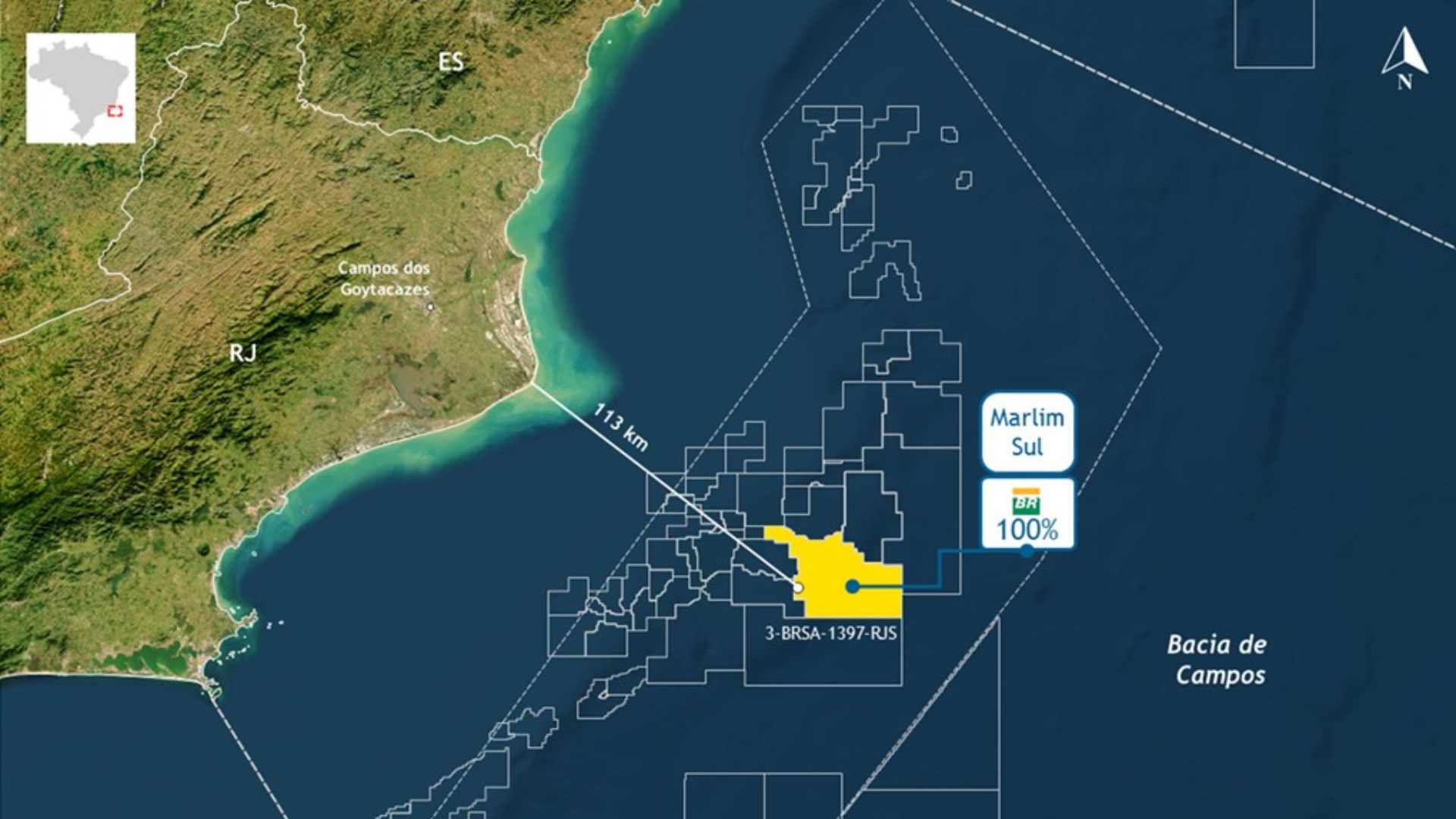
Petrobras finds high-quality oil in the pre-salt at 113 km from RJ and reignites expectations about strategic reserves in the Campos Basin.

-
Ocyan opens registrations for startups focused on innovation in the oil and gas sector and will select projects for Innovation Day with the support of Nexio.


In the bidding document for the P-86 platform, which will be installed in the Campos Basin, Petrobras established a local content of 20%, which was considered an improvement over previous contracts, in which there was no requirement to hire national suppliers. However, Sinaval believes that, with dialogue between the parties and consultation with Brazilian suppliers, this percentage can be increased.
Adoption of Brazilian Modules: A Way to Increase Local Content
Another point raised by the shipyards is the construction of platform modules in national territory. Petrobras is studying the possibility of manufacturing seven modules of the P-86 in Brazil, which would increase local content and bring more dynamism to the shipbuilding industry. Additionally, Sinaval argues that the integration and commissioning activities of the platforms, which traditionally occur in Brazil, should also be considered in the calculation of local content.
Main Benefits of Increasing Local Content:
- Job creation in Brazil
- Increased tax revenue
- Reduction of dependence on foreign suppliers
- Development of the national industry for equipment and services
Model for Acquiring Own Platforms Gains Strength
A supportive point for Brazilian shipyards is Petrobras’s decision to opt for the acquisition of its own platforms, such as the P-86. In recent years, the state company has been contracting platforms through chartering, a model in which the platform is rented for a period of time. However, difficulties with this model have led Petrobras to reconsider its strategies.
The Build, Operate, Transfer (BOT) model is being evaluated by the state company. In this format, the platform is built by a supplier, operated for a period of five to seven years, and then transferred to Petrobras. This model is being analyzed for future projects, such as Sergipe Deep Waters (SEAP).
Advantages of the Own Platform Acquisition Model:
- Greater control over the asset
- Reduction of long-term costs
- Incentive to national production
Bonuses Instead of Penalties: The Proposal from Abespetro
While Sinaval fights for an increase in local content, the Brazilian Association of Oil Goods and Services Companies (Abespetro) has a different approach. The president of Abespetro, Telmo Ghiorzi, suggests that Petrobras offer bonuses to companies that exceed local content targets, instead of penalizing them for not meeting the required percentage.
Abespetro believes that an incentive system would be more effective in stimulating the hiring of national suppliers and promoting the industrialization of the country. Studies in industrial economics indicate that penalties are not always effective in driving the development of industrial sectors, while bonuses tend to generate positive results.
Incentives to Increase Local Content
Abespetro’s proposal suggests that excess local content generated by companies be converted into credits for the acquisition of new exploration blocks. Thus, companies would be rewarded for using national suppliers, and Brazil would benefit from the creation of more jobs and the strengthening of the local industry.
Abespetro’s Proposal to Increase Local Content:
- Bonuses for companies that exceed targets
- Credits for future acquisition of oil blocks
- Tax incentives and benefits for contracting local suppliers
Economic Impacts of Local Content
Increasing local content in oil platforms has direct implications for the Brazilian economy. In addition to boosting job creation, adopting national suppliers promotes an increase in tax revenue and the development of new technologies.
Main Economic Impacts of Increasing Local Content:
- Expansion of the national production chain
- Strengthening of the shipbuilding industry
- Increased tax revenue
- Reduction of dependence on imports
Challenges for the Brazilian Shipbuilding Industry
Despite the evident benefits of increasing local content, the Brazilian shipbuilding industry still faces significant challenges. The crisis of shipyards in recent years, associated with the drop in oil prices and the reduction of investments, has severely impacted the sector. The lack of competitiveness in terms of cost and timing compared to international suppliers is one of the major barriers.
Adopting a higher local content, coupled with tax incentives and bonuses, could be a solution to revitalize the Brazilian shipbuilding industry and increase its participation in large projects, such as the construction of oil platforms.
A Path for the Future of the Brazilian Shipbuilding Industry
The debate on increasing local content in oil platforms reveals the need to strengthen the national industry and the Brazilian supply chain. While Sinaval advocates for an increase to 40%, Abespetro proposes incentives as the best way to promote sector development.
The success of this initiative will depend on a balance between contractual requirements and the appropriate incentives for companies. A higher percentage of local content would represent not only more jobs but also a step forward in economic independence and the development of Brazilian technology.









Seja o primeiro a reagir!