





 Portuguese
  English
  Spanish
  5 min of reading
  24 comments


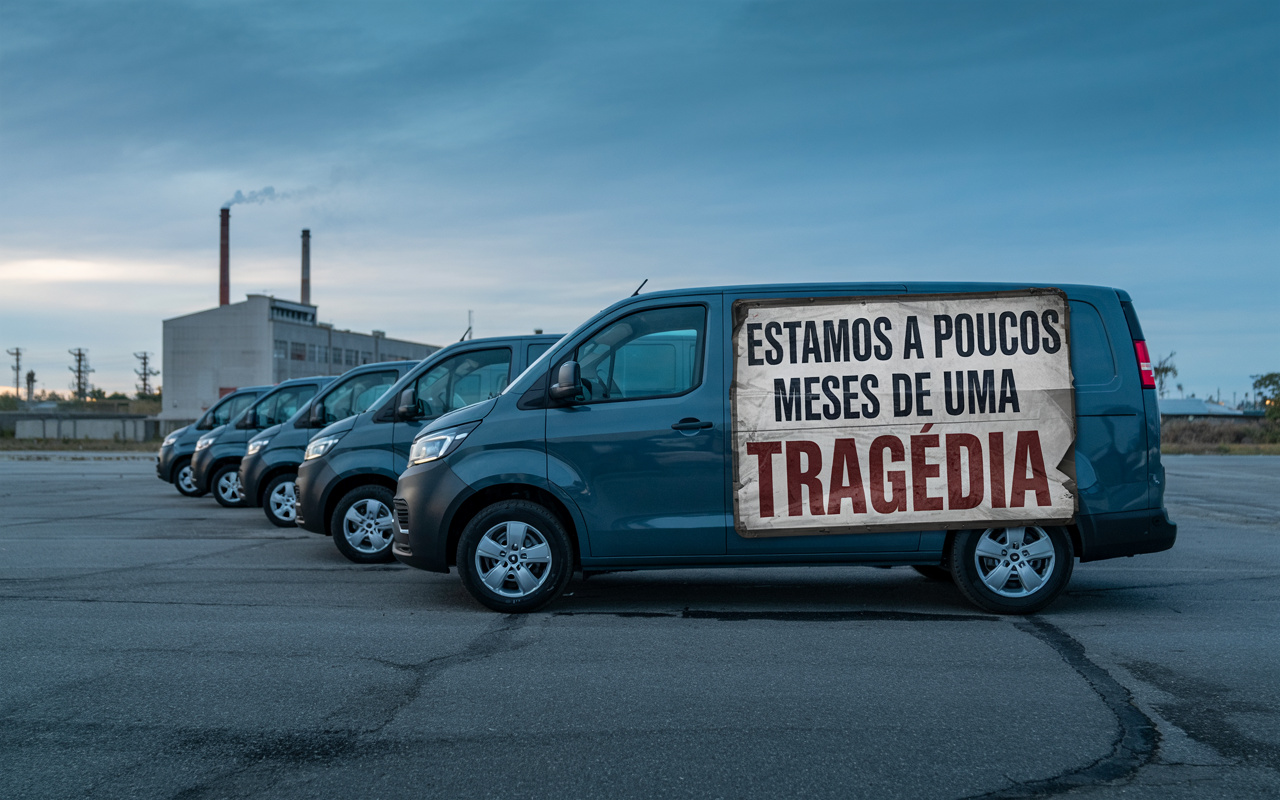


Stellantis Faces Challenges With Stuck Electric Vans and Warns of Possible Factory Closures in Europe. The Crisis in the Automotive Industry Intensifies Ahead of the End of Combustion Cars in 2035, With Electric Sales Falling Concern for the Sector
The global automotive industry is facing a decisive moment. Amid the transition to electrification, Stellantis, one of the largest global automakers, is experiencing unexpected difficulties. Stellantis’s electric vans, which were supposed to boost its entry into the sustainable market, are stuck, with sales below expectations. At the same time, the company threatens to close factories if the end of combustion cars in 2035 is not revisited, a deadline set by the European Union that has generated intense debates.
Today we will explore the crisis in the automotive industry that directly affects Stellantis, detailing the reasons for the low demand for electric vehicles, the impact of political decisions on the sector, and the consequences for the economy and the European labor market.
“If I pay this fine, I will have to close factories; it’s written”, because in the end, it will be necessary to limit diesel vehicle production to meet the electric quota,” explained Jean-Philippe Imparato.
-
An irregular parking case gains attention after a Mercedes Classe A was removed in such a strange way that it even raised doubts about damage to the car.

-
Costing R$ 16,000, the new Yamaha features a 125 cc hybrid engine with electric assistance, delivers 8.3 hp, includes ABS, optimized fuel consumption, Y-Connect connectivity, 25 liters of storage space, and a surprising 4-year warranty in the urban segment.

-
OMODA & JAECOO grows in Europe in 2026 with an integrated strategy of sales, innovation, local production, and technological advancement in the United Kingdom, Italy, and Spain.

-
OMODA & JAECOO expands after-sales service in Brazil with competitive maintenance, a 7-year warranty, and high availability of parts for technological SUVs.


Stellantis Electric Vans: What Is Causing the Stuck Issue?
Stellantis’s electric vans were launched with great expectations, especially for commercial and logistics use, sectors that demand robust and efficient vehicles. However, recent numbers show a concerning reality: sales are declining, and dealerships are accumulating stocks that cannot be absorbed by the market.
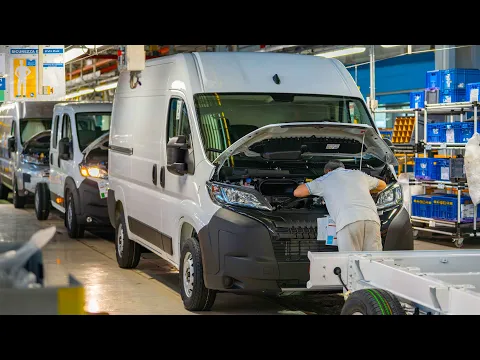

Diverse factors explain this situation. Firstly, the high price of electric vehicles, which are still significantly more expensive than their combustion counterparts, discourages small and medium-sized business owners, the main buyers of commercial vans. Secondly, the limited range and charging time are still negative points for those who depend on the vehicle for long daily journeys.
Additionally, the charging infrastructure is still insufficient, especially in areas outside major urban centers, which limits the feasibility of using Stellantis’s electric vans in various regions. This lack of adequate structure creates insecurity for consumers and directly affects sales.
End of Combustion Cars in 2035: A Deadline That Could Generate a Crisis in the Automotive Industry
The decision by the European Union to establish the end of combustion cars in 2035 represents a milestone in environmental policy, but it is also a source of concern for the industry. Stellantis, like other automakers, argues that this strict deadline, without effective complementary measures, could lead to a crisis in the automotive industry.
The forced and rapid transition to electric vehicles places pressure on factories, supply chains, and labor, which still heavily rely on the production of combustion engines. Without gradual planning, with robust investments in infrastructure and incentives, the sector may face significant declines in sales and production.
For Stellantis, the end of combustion cars in 2035 without a revision could mean a sharp decline in demand for its current vehicles, worsening the company’s financial and operational situation.
Stellantis Factories Threatened: The Real Risk of Closure
The impact of the stuck electric vans and the stringent environmental targets is already being felt in Stellantis’s operations. The company announced that if the conditions for the transition are not adjusted, it may close factories, especially in Europe, where it maintains a large part of its production.
The threatened Stellantis factories represent thousands of direct and indirect jobs. The shutdown of these units would affect not only employees but also suppliers, distributors, and the economies of the regions where they are located.
The automaker warns that the combination of falling electric sales and the obligation to end combustion cars in 2035 could lead to this drastic decision unless there is flexibility in policies and greater government support.
Falling Electric Sales and the Challenge of Stellantis in Europe
The European market, despite being one of the most advanced in terms of environmental legislation and incentives for electrification, is experiencing a slowdown in electric vehicle sales. Stellantis, in particular, has felt this deceleration.
In addition to the price and range of vehicles, other factors influence falling electric sales. These include economic instability, rising energy prices, and a portion of consumers’ lack of confidence in the durability and maintenance of electric cars.
This situation challenges Stellantis in Europe, which needs not only to adapt its products but also its business model, to regain competitiveness in a market that, although promising, still presents significant barriers.
Stellantis in Europe Combustion: The Dilemma Between Innovation and Sustainability
While working to expand its line of electric vehicles, Stellantis still maintains a significant operation in the production of combustion cars in Europe. This duality reveals a dilemma: the accelerated innovation toward sustainability versus the economic and social reality of the industry.
The investment needed to adapt factories, train employees, and develop new technologies is high and time-consuming. Stellantis in Europe Combustion faces pressure to quickly reduce its traditional production while the market and infrastructure are still not fully prepared for electrification.
The company emphasizes that a more flexible deadline for the end of combustion cars would allow for a more balanced transition, preserving jobs and avoiding severe economic impacts.
Paths to Avoid a Crisis in the Automotive Industry and Secure the Future of Stellantis
In light of the current scenario, Stellantis and industry experts suggest a series of measures to avoid a crisis in the automotive industry. Among them is the urgent need to review the end of combustion cars in 2035, considering more realistic and staggered deadlines.
Additionally, investing in charging infrastructure, tax incentives for electric vehicles, and fleet renewal programs are highlighted as essential to stimulate sales and the use of these vehicles.
Internally, Stellantis bets on the development of hybrid technologies, increasing battery range, and reducing production costs to make its models more attractive.
Cooperation between governments, automakers, and consumers is essential to create a sustainable environment that does not sacrifice jobs or jeopardize the automotive industry.
The Future of the Automotive Industry and the Importance of Balanced Decisions
We are at a decisive moment for the future of the automotive industry, especially for companies like Stellantis that operate in a complex and transforming global market. The stuck electric vans from Stellantis and the real threat to its factories highlight the challenges of a transition that needs to be made responsibly.
The end of combustion cars in 2035, while essential for environmental sustainability, cannot be imposed without adequate planning that considers the current limitations of technology and infrastructure, as well as the social impact.
Finding a balance between innovation, job preservation, and sustainability will be key to avoiding a crisis in the automotive industry and ensuring that Stellantis remains competitive and capable of meeting market demands.









Tudo isso faz parte de uma estratégia por questão de sobrevivência. O custo de fabricacao na Europa é enorme e não competitivo. Então nada melhor que arrumar uma justificativa para fechamento das mesmas
Acho mais viável os engenheiros com KI elevado desenvolva um automóvel elétrico que possua placas solares pra aumentar a autonomia dos veículos ficarem sem recargas,pois um carro elétrico com um sistema de placas solares instalados em ponto específico de cada modelo elevaria o duração de viagem dos veículos
Povo Europeu e muito ****, vai passar fome e a China vai continuar poluindo