





 Portuguese
  English
  Spanish
  3 min of reading
  0 comments


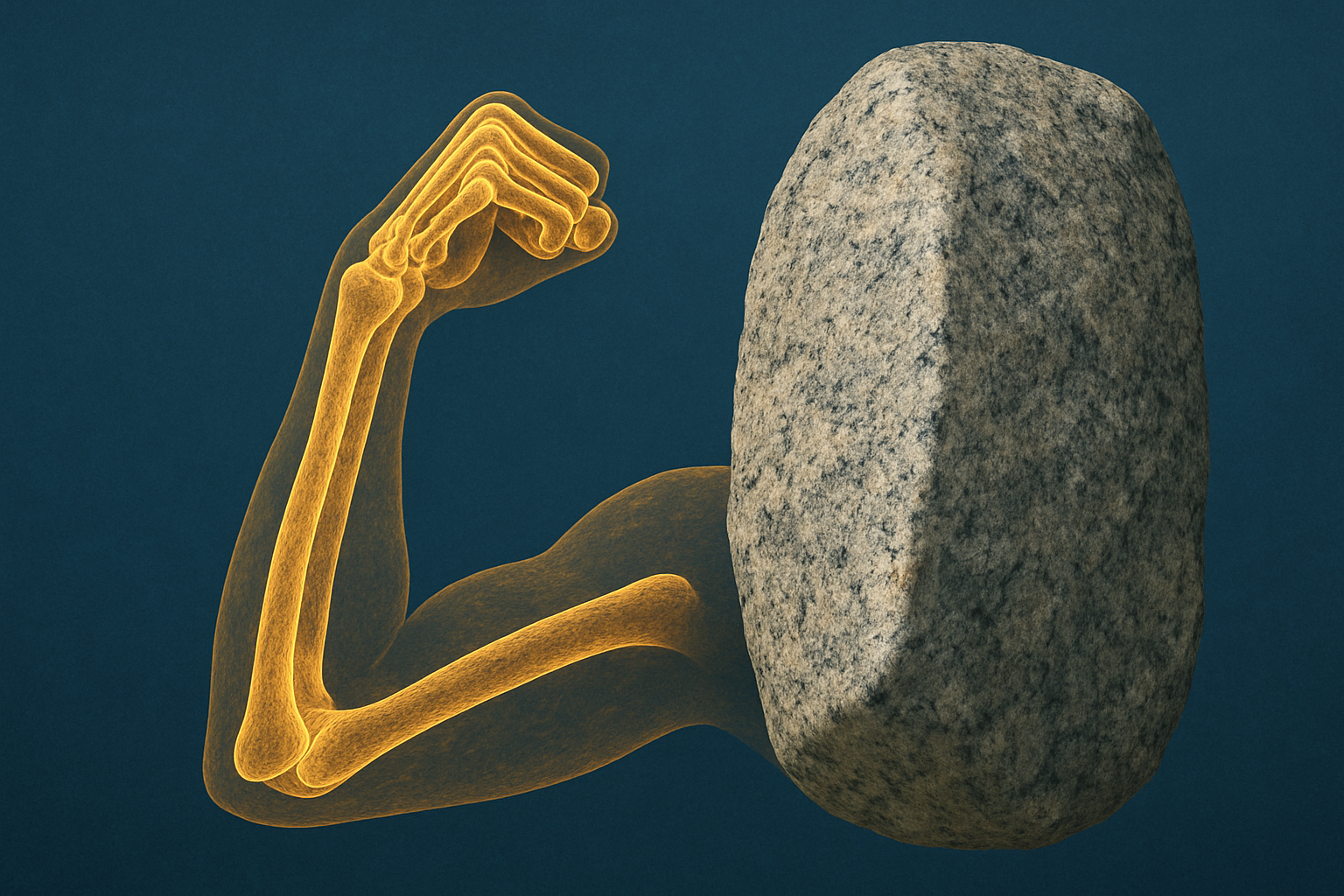
Tim Dreyer Has A Rare Genetic Condition That Makes His Bones 150% Denser Than Granite — Literally Stronger Than Stone
When Timothy Dreyer smiled for the first time with only half of his face, his family thought it was a joke. But the facial paralysis that appeared when he was two years old never went away. This was the starting point for a series of medical exams that revealed an extremely rare condition.
Tim has sclerosteosis, a genetic disorder that makes bones much denser than normal. In his case, the density surpasses that of granite by 150%. The condition affects only about 50 people in the world.
The disease was discovered shortly after the episode of facial paralysis. “My dad says that one day I got into the car smiling, but only with half of my face. They thought I was joking“, Tim recalled in an interview with the BBC.
-
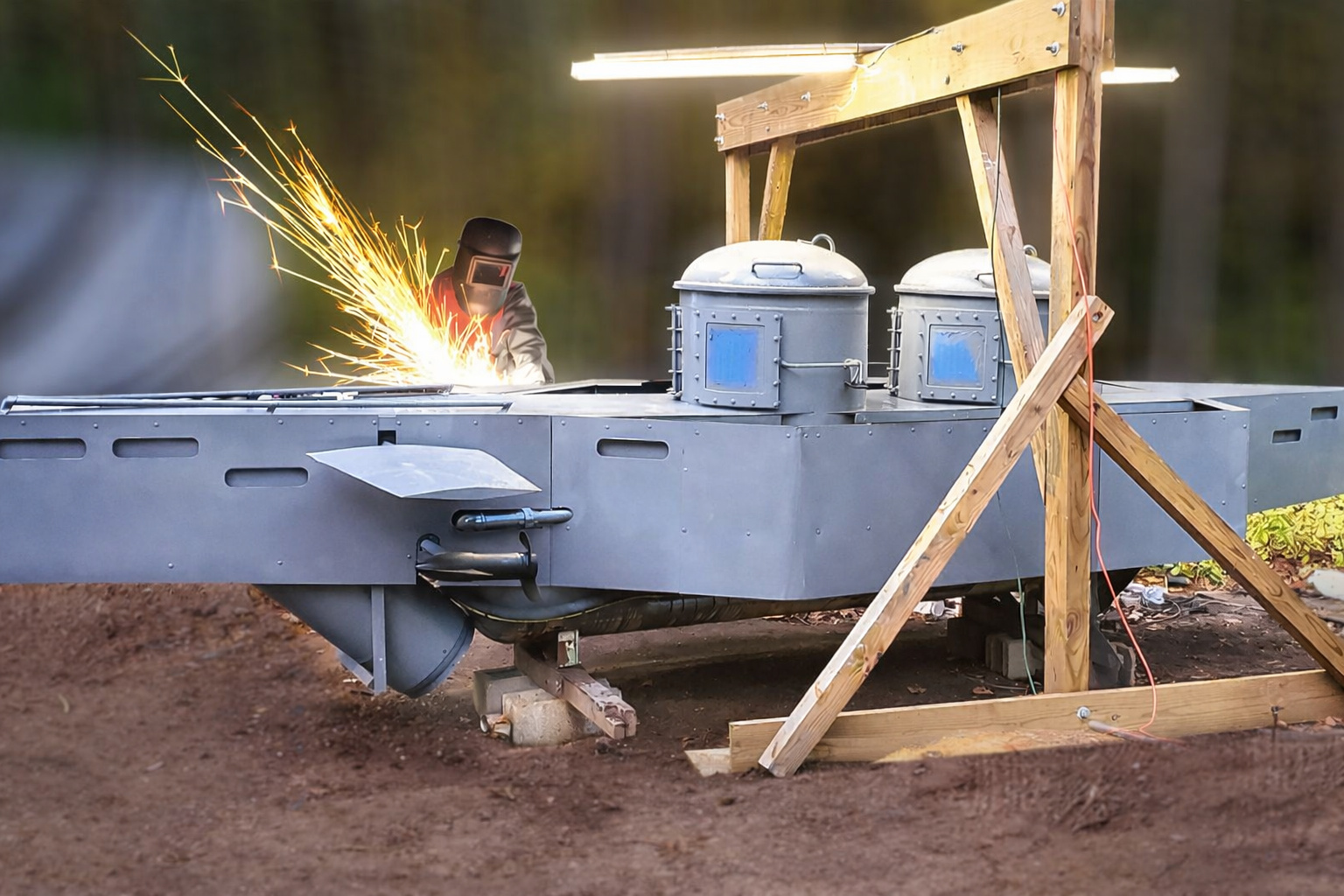
Man builds functional 5-meter submarine in his garage using gas cylinders, PVC pipes, and a refrigerator motor, and navigates with the vessel on a lake in Colombia.
-
Millions of people have been eating yam for centuries without knowing that this humble tuber contains a compound called diosgenin, which scientists have now discovered can improve memory and help control blood sugar levels.

-
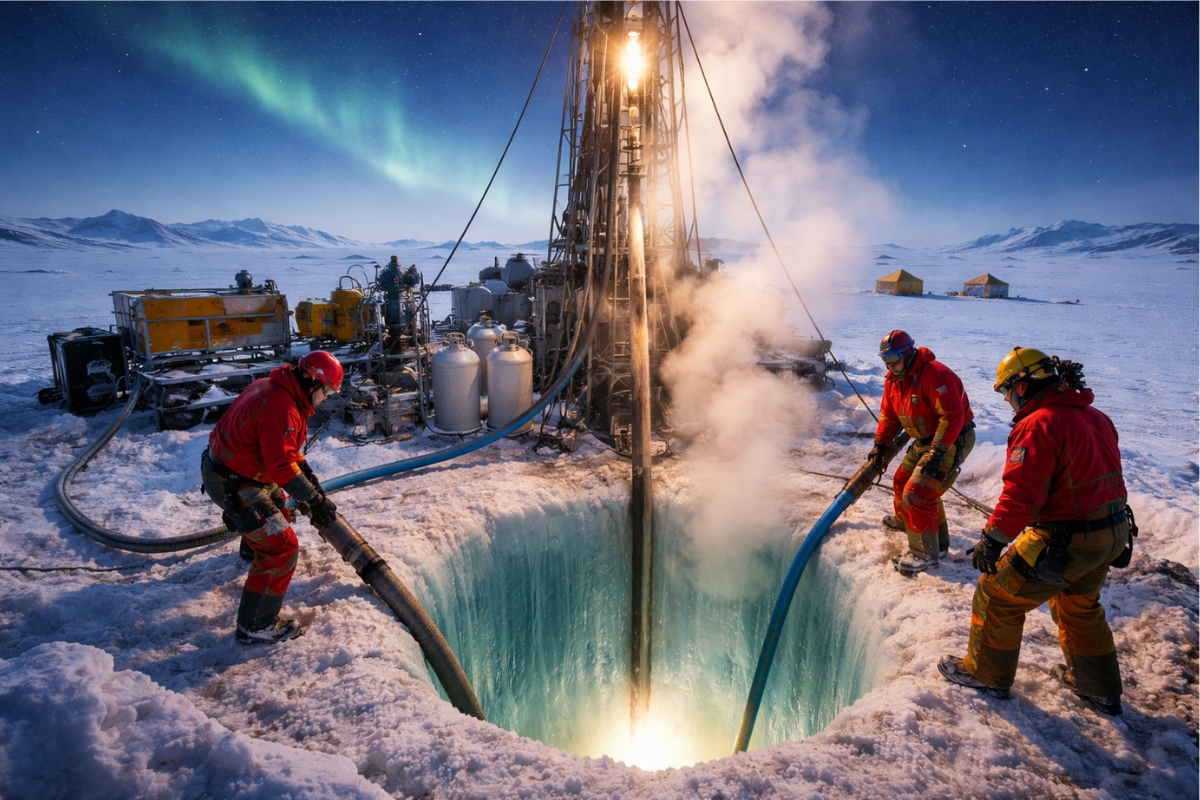
Scientists from an international project drill 1,800 meters of ice in Antarctica using hot water and discover details about one of the most intriguing places on planet Earth.
-
Seen from space, a colossal volcano nearly 5,000 meters high in Russia has released 1,600 km of smoke over the Pacific, forming “devil’s horns” of lava and revealing the brutal force of the Ring of Fire.


What seemed like an isolated case revealed something much more complex. Sclerosteosis is caused by a defect in the SOST gene, which is responsible for producing the protein sclerostin.
This substance signals the body when to stop producing bone. In Tim’s body, this protein is absent. Without this control, bone growth continues uninterrupted.
Delicate Surgery to Save a Life
During childhood, Tim’s abnormal skull growth began to generate dangerous internal pressure. The bone grew so much that it pressed on his brain and cranial nerves. This condition can cause intense pain, permanent paralysis, and even death.
To prevent a tragedy, the doctors performed delicate surgery. They needed to open the skull, remove part of the bone, grind it down to reduce the thickness, and replace it. The goal was to create enough space so that the brain wouldn’t be compressed.
Even after the procedure, many questions remained. Why did Tim’s bones continue to grow so intensely? The case began to be monitored by specialized researchers.
Rare Disease Inspires Common Treatment
Despite being rare, Tim’s condition drew attention for providing a valuable clue for treating osteoporosis — a disease that causes precisely the opposite: weak bones and loss of mass.
Biologist Alastair Henry explains that Tim’s bones have a normal structure but are much denser. The discovery of the defective gene and the absence of sclerostin led scientists to think of an opposite pathway: what if it were possible to block sclerostin in people with fragile bones?
This hypothesis was tested on a space mission in 2010. The Atlantis shuttle took 12 rats into space. Six of them received the new therapy that blocks the action of sclerostin.
After 13 days, the results were clear: the treated rats gained bone density, while the others lost mass — as expected in a zero-gravity environment.
Hope for Millions of People
Today, the treatment based on this discovery is in clinical trials in humans. The expectation is that it may help millions of people suffering from osteoporosis worldwide.
For Tim, this possibility gives meaning to everything he has experienced. “It’s really amazing, and for me, it’s fantastic news. It makes everything we went through, all the surgeries, everything my parents went through, worthwhile“, he declared.
His unusual genetic condition may now pave the way for a revolution in bone treatments. What started with a crooked smile has turned into solid hope for many.
With information from Aventuras na História.






-

-

-

-

15 pessoas reagiram a isso.