





 Portuguese
  English
  Spanish
  5 min of reading
  0 comments



U.S. Crude Oil Inventories See Significant Increase, Influencing Prices and Global Fuel Market Strategies. See How the United States Impacts World Supply
In a recent update, the U.S. Department of Energy (DoE) reported that U.S. crude oil inventories recorded an unexpected increase of 5.202 million barrels, reaching 421.168 million barrels last week.
This increase surprised industry analysts, who expected a decrease of about 100,000 barrels, according to projections from The Wall Street Journal. According to a report from Agência Eixos this Wednesday (05), the result brings direct impacts on the global market for oil and fuels, influencing prices, production strategies, and investment decisions worldwide.
Increase in Crude Oil Inventories in the United States
The growth in U.S. crude oil inventories reflects a combination of factors, including variations in demand, production, and refinery utilization. According to the DoE, U.S. daily average crude oil production reached 13.651 million barrels during the week, reinforcing the country’s supply capability.
-
Brazilian giant expands borders in the Southeast: Petrobras confirms new oil discovery in ultra-deep waters in the pre-salt of the Campos Basin.

-
Alert in the global energy market: Severe tropical cyclone hits the coast and disrupts gas production at major plants in Australia, threatening global supply.

-
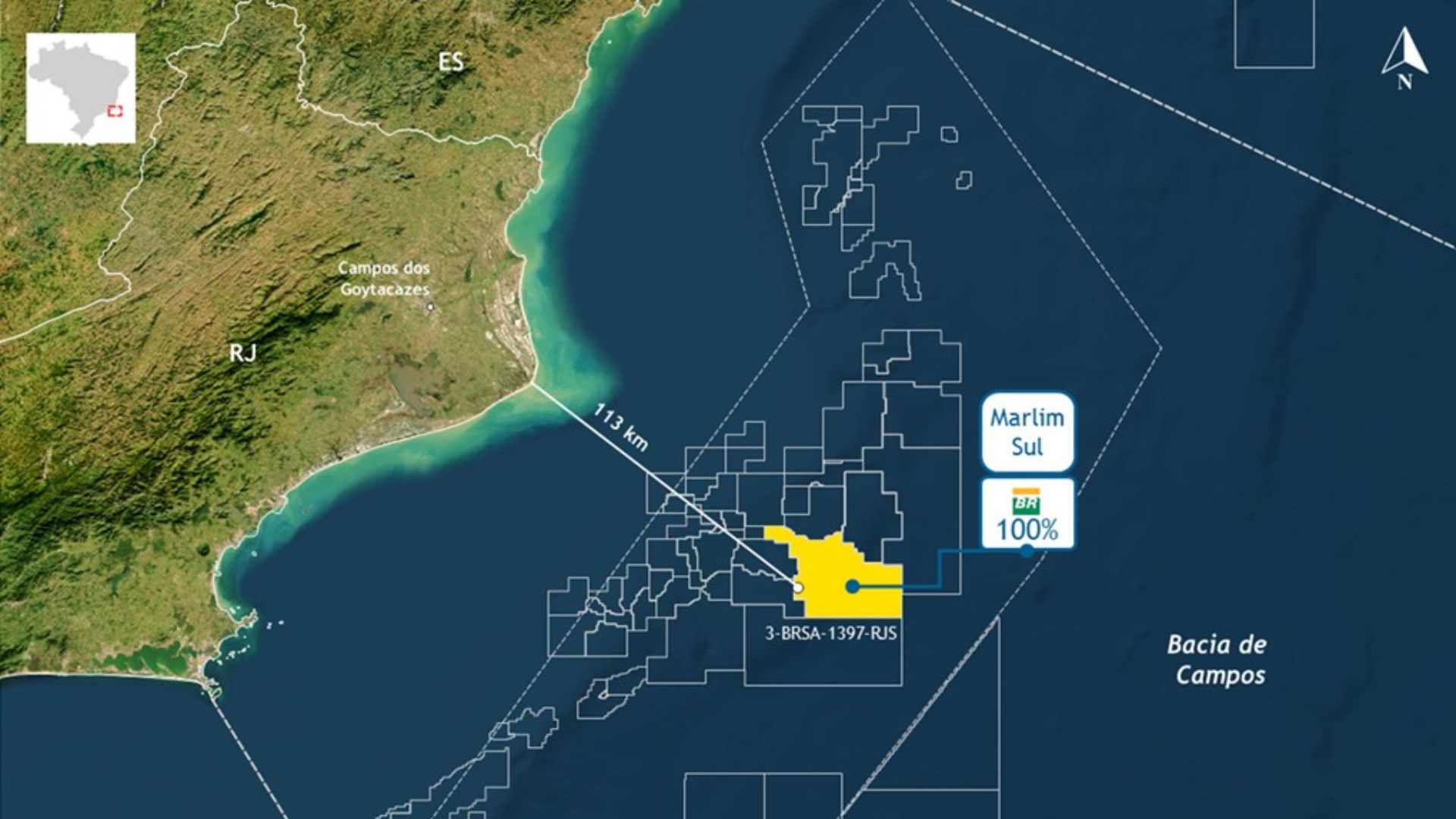
Petrobras finds high-quality oil in the pre-salt at 113 km from RJ and reignites expectations about strategic reserves in the Campos Basin.

-
Ocyan opens registrations for startups focused on innovation in the oil and gas sector and will select projects for Innovation Day with the support of Nexio.


Additionally, inventories at strategic locations, such as the Cushing distribution hub, increased by 300,000 barrels, totaling 22.865 million barrels. The unexpected increase in inventories indicates that, despite still solid demand, there was a slowdown in the outflow of crude oil for processing or export, directly impacting the global market.
Decline in Petroleum Derivative Inventories and Impact in the United States
While crude oil inventories increased, there was a reduction in derivative inventories, such as gasoline and distillates. Gasoline fell by 4.729 million barrels, reaching 206.009 million barrels, a more significant drop than expected (1.3 million barrels).
Distillates recorded a reduction of 643,000 barrels, reaching 111.546 million barrels, below the forecasted decline of 1.6 million.
This combination of increasing crude oil and declining derivatives reflects adjustments in the refining chain in the United States, indicating lower utilization of refineries or changes in domestic demand and fuel exports.
Refinery Utilization Rate in the USA
The refinery utilization rate fell from 86.6% to 86%, contrary to expectations for an increase to 87.4%. This decrease suggests that some refineries temporarily reduced their production, impacting the transformation of crude oil into final products.
The slowdown in refineries contributes to the accumulation of crude oil in inventories, even as demand for derivatives like gasoline and diesel remains relatively stable. This dynamic directly influences the available supply and prices in the domestic and international markets.
Strategic Reserves of the U.S. Government and Influence on the Global Market
The inventories of the U.S. Strategic Petroleum Reserve (SPR) also recorded an increase, with 498,000 barrels added during the week, reaching 409.595 million barrels. These reserves aim to ensure energy security and stability in the global market, and can be mobilized during periods of crisis or scarcity.
The growth of strategic reserves reinforces the position of the U.S. as a key player in the global oil supply, capable of influencing prices and production decisions in other countries. The management strategy of these reserves allows the United States to adjust the balance between global supply and demand as needed.
Impacts on the Global Oil and Fuel Market
The increase in inventories in the U.S. tends to pressure oil prices in the short term, as it indicates a greater available supply. Industry analysts point out that, even with declines in derivatives, the surplus of crude oil may reduce profit margins for refineries and affect OPEC+ strategies and those of other global producers.
Additionally, the result influences investor confidence, future oil contracts, and hedging strategies, affecting global fuel markets, including gasoline, diesel, and fuel oil. These movements can have significant repercussions on the strategic planning of major industry players.
Comparison with Previous Weeks in the United States
In recent months, U.S. crude oil inventories have shown significant variations, reflecting factors such as increased domestic production, seasonal demand changes, and adjustments in exports. The current week records one of the largest recent increases, countering market expectations.
For example, gasoline inventories, which fell by 4.729 million barrels, indicate that the demand for derivatives is still recovering, but not sufficient to offset the increase in crude oil. This contrast highlights the complexity of supply and demand dynamics in the energy sector.
Outlook for the Global Energy Market
Experts state that the current scenario suggests volatility in the global oil market, especially regarding benchmark prices such as Brent and WTI. With the U.S. maintaining high inventories, producing countries may adjust their production to balance supply and demand, and refineries may revise their operations.
Moreover, decisions by OPEC+ and major consuming economies like China and India directly influence the global dynamics, potentially amplifying or mitigating the impacts of U.S. inventories. The strategic management of inventories in the United States thus becomes an important indicator for investors and governments.
Factors That Contributed to the Increase in Crude Oil Inventories in the U.S.
The unexpected increase in crude oil inventories can be attributed to various factors:
- High production in onshore and offshore fields in the United States, ensuring continuous supply.
- Reduced utilization of refineries, decreasing the conversion of crude oil into derivatives.
- Adjusted exports, with lower outflows of crude oil to other international markets.
- Management of strategic reserves, increasing internal energy security.
These combined factors reinforce the position of the United States as a key player in the global oil market, capable of influencing prices, production volume, and strategic decisions of other producing countries.
Why the Increase in Inventories in the U.S. is Relevant for Investors and Industry?
The increase of 5.2 million barrels in U.S. oil inventories, reported by the DoE on November 5, 2025, represents a strategic event for the energy sector. The growth in crude inventory, accompanied by a decline in derivatives and refinery utilization rate, signals significant adjustments in the energy production and distribution chain.
The analysis of this scenario is essential for investors, refineries, and governments, as it allows them to anticipate movements in the fuel market, adjust futures contracts, and plan production and export policies. Additionally, it demonstrates how the United States maintains a central role in the stability of the global market, influencing prices, supply, and strategies of major industry players.








-

Uma pessoa reagiu a isso.