





 Portuguese
  English
  Spanish
  3 min of reading
  0 comments



The Atlantic Ocean Road, located on the west coast of Norway, is considered by many to be the most complex highway in the world. With a length of just 8.3 kilometers, this unique road not only connects the island of Averøy to the mainland but also stands out for its impressive beauty and for overcoming extreme natural challenges. Passing through an archipelago of islands and reefs, the Atlantic Ocean Road is famous for its sharp curves and bridges that seem to float over the turbulent waters, becoming a desired route for adventurers and tourists from all over the planet.
Built along County Road 64, the most complex highway in the world passes through one of the most challenging stretches of the Norwegian coast. The Atlantic Ocean Road not only connects small islands and reefs but is also surrounded by dramatic landscapes, with the open sea of Hustadvika to the north, known for its choppy waters, and the Lauvøyfjorden fjord to the south. One of the most iconic bridges is the Storseisundet Bridge, a curved 260-meter structure that defies gravity and has become a postcard of Norway.
The idea of building the Atlantic Ocean Road emerged in the early 20th century, as a safe alternative to replace the complicated and dangerous sea crossings in the region. In the 1970s, local residents pushed for the construction of a road that would facilitate access, and in 1983, the Norwegian government supported the project, creating jobs and opportunities. However, the construction of the highway was a true challenge, facing 12 intense storms that threatened the project’s stability and prolonged the execution time. In 1989, the road was finally completed, representing a symbol of resilience and innovation.
Engineering and Infrastructure Challenges of the Atlantic Ocean Road
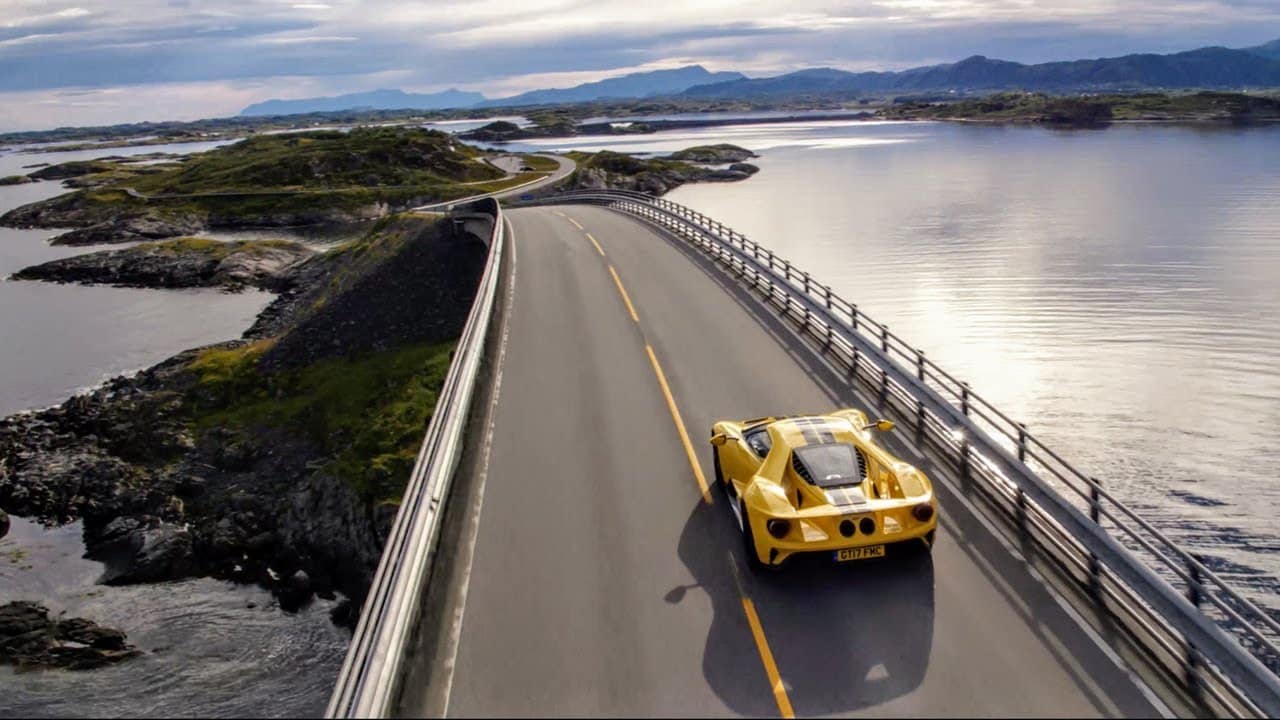
The construction of the most complex highway in the world was marked by the preparation of foundations, which included large rock blocks to stabilize the islands and withstand the intense ocean currents. The use of advanced piling techniques was essential to ensure that the bridges could withstand strong winds and severe maritime conditions.
-
New CCR concrete paving technology promises roads up to 3x more durable, less maintenance, and cost reduction in Brazil.

-
Made from recycled plastic, plastic wood is gaining space in the construction industry because it does not rot, resists moisture, and reduces maintenance costs over the years.

-
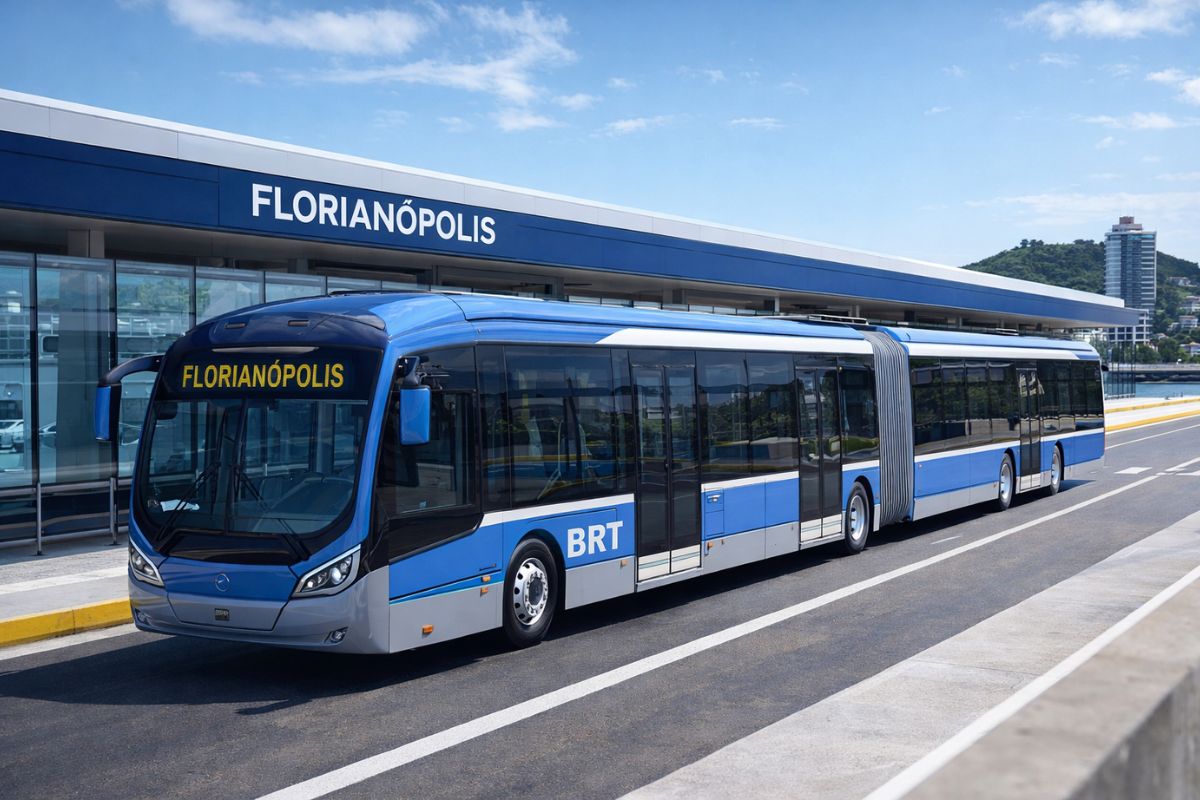
Florianópolis will receive a million-dollar BRT that will begin construction in 2026 with nearly 400 million in funding from the federal government and the Inter-American Development Bank, and the map already shows the routes for the exclusive bus corridors.
-
Without a blueprint, without an engineer, and using scrap from the dump, a father spends 15 years building an 18-room castle for his daughter, featuring tram tracks, 13 fireplaces, and over 700 m², which may now be demolished.

The Storseisundet Bridge, with its cantilever structure, is a remarkable example of modern engineering, built with local materials and integrating seamlessly into the natural environment, minimizing impacts on the coastal ecosystem.
Tourism and Economic Impact
More than a functional route, the Atlantic Ocean Road quickly became a tourist attraction, awarded as the “Construction of the Century” in Norway. It features infrastructure for cyclists, pedestrians, and tourists, offering rest areas and viewpoints.
Moreover, the route is a prime spot for fishing and seabird watching, such as ospreys and puffins. The highway has played an important role in local economic development, attracting investments in cafes, viewpoints, and recreational areas, mainly on the island of Averøy.
Comparisons with Other Engineering Works
The most complex highway in the world is often compared to the Overseas Highway in the United States, which connects the islands of Florida to Key West. However, despite its short length, the Atlantic Ocean Road impresses with its complexity and the variety of bridges and curves traversing choppy waters and unpredictable weather conditions, including winds and storms. This aspect makes it an even more dramatic and challenging experience for drivers and adventurers.
The Atlantic Ocean Road is a true landmark of Norwegian engineering, admired for its beauty and the complexity of its construction. The project had a total cost of about 122 million Norwegian crowns, and the toll that financed part of the work was eliminated after the debt was paid off. Today, the highway not only connects communities and facilitates transportation year-round but also continues to be a reference in sustainable infrastructure.










Seja o primeiro a reagir!