





 Portuguese
  English
  Spanish
  3 min of reading
  0 comments


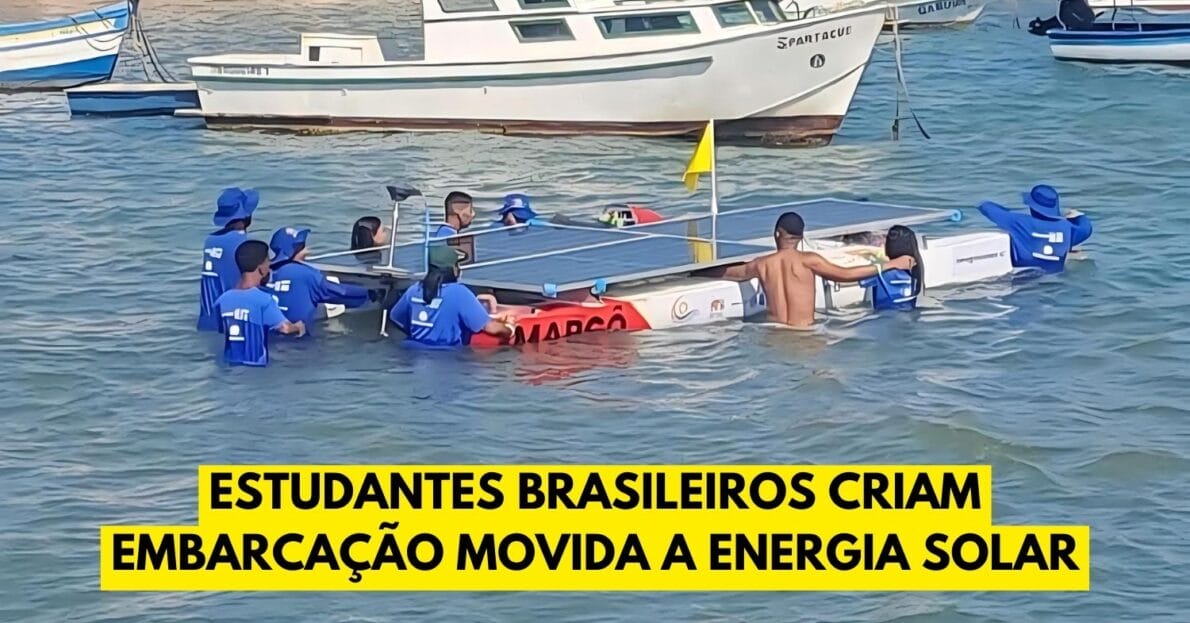
Brazilian Students Build Innovative Solar-Powered Vessel, Showing That The Future Of Technology And Sustainability Is In The Hands Of The New Generation.
The students of Ciep 218 Ministro Hermes Lima, in Duque de Caxias, are showcasing the potential of sustainable technology. Participating in the Solar Challenge Brazil in Búzios, they built an innovative solar-powered vessel. Utilizing photovoltaic modules, these young visionaries demonstrate that solar energy is a viable alternative for a more sustainable future.
Brazilian Students Create Solar-Powered Vessel For Competition In Búzios
The students of Ciep are showing that the future of technology and sustainability is in the hands of the new generation. They are participating in the Solar Challenge Brazil, an exciting competition taking place in Búzios, in the Lakes Region.
To stand out, these students constructed an impressive six-meter long catamaran, powered exclusively by solar energy. The vessel, affectionately named Margô, uses three photovoltaic modules to capture sunlight and transform it into fuel, demonstrating that it is possible to navigate without harming the environment.
-
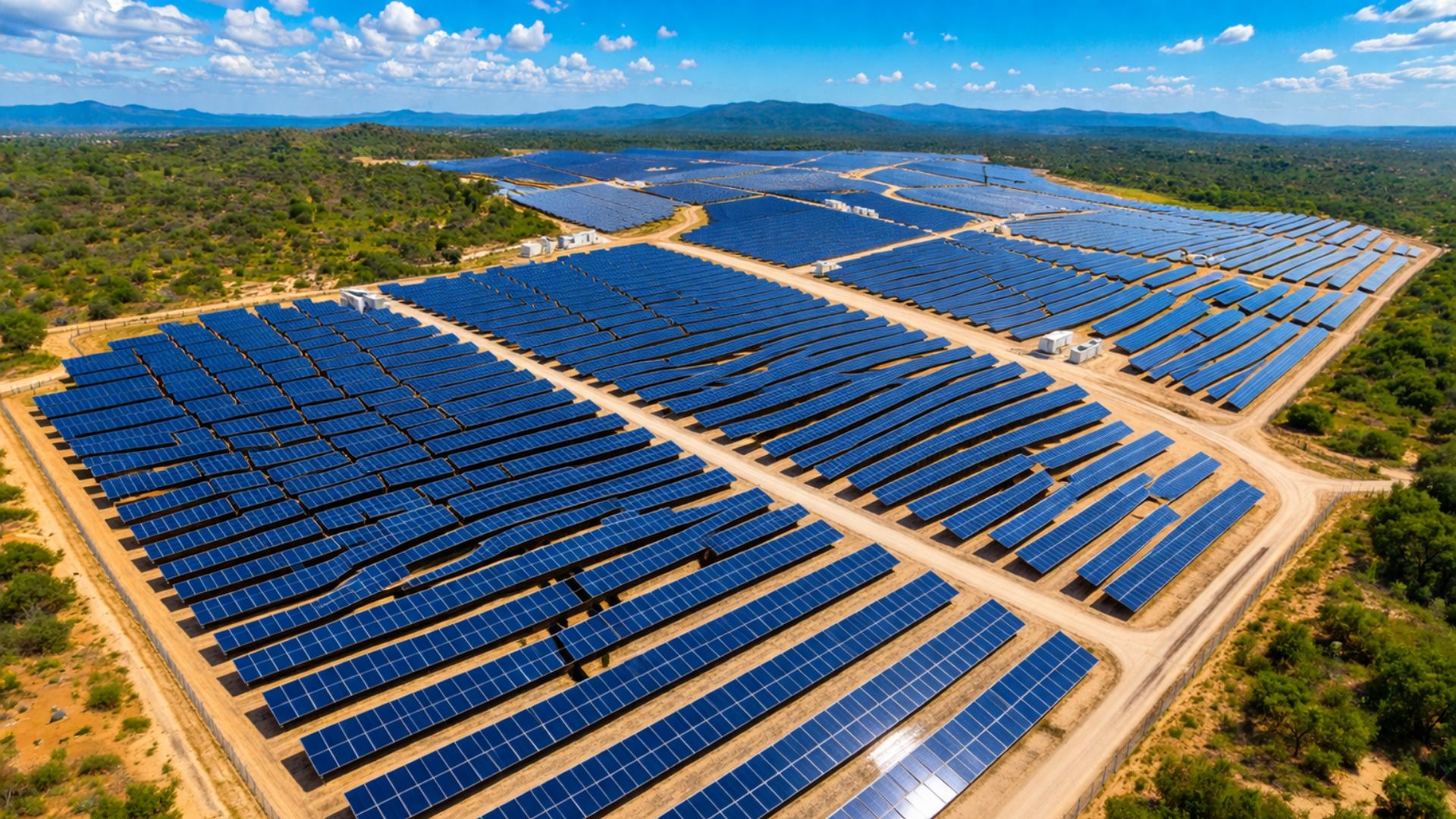
The Sol do Agreste Photovoltaic Complex begins operations in Pernambuco and accelerates the expansion of solar energy in Brazil, directly impacting the reduction of emissions and strengthening the sustainable energy matrix.
-
The Sol do Agreste Photovoltaic Complex begins operations in Pernambuco and accelerates the expansion of solar energy in Brazil, directly impacting the reduction of emissions and strengthening the sustainable energy matrix.
-
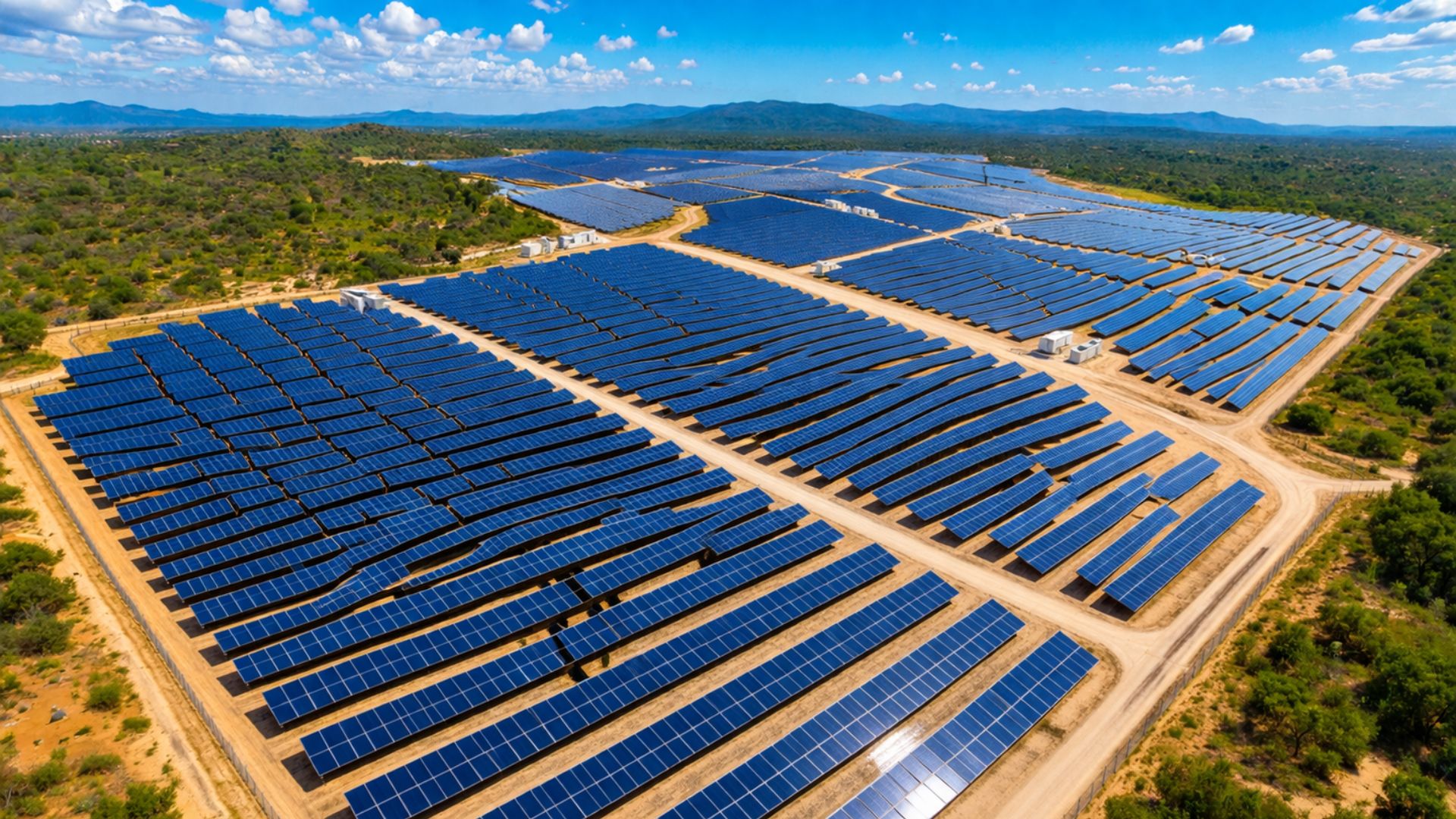
Renewable energy advances over protected areas in Brazil, and a survey by the Energy Transition Observatory reveals silent impacts that challenge environmental conservation and pressure sensitive traditional territories.

-
Rio Grande do Sul accelerates energy transition: State invests in renewable technologies and consolidates decarbonization strategies and pathways to attract billions in new industrial investments.


Organized by the Federal University of Rio de Janeiro (UFRJ) through the Interdisciplinary Center for Social Development (NIDES), the Solar Challenge Brazil gathers high school and university students in a competition of daily regattas.
The competition started on Sunday (21) and ended the following Sunday (28), with teams accumulating points based on their performance in each event. It is an eco-friendly and sustainable version of traditional sailing competitions, but with a key difference: all vessels are powered by solar energy.
The Ciep 218 Team And The Margô
The Ciep 218 team consists of 16 dedicated students who invested time and effort in building and developing the Margô. The solar-powered vessel is equipped with batteries, a bilge pump in each hull, an anchor, a tow line, a life jacket, and a buoyancy reserve.
The design of the catamaran, with its two parallel hulls, ensures stability and efficiency in navigation. Only one pilot is needed to operate the Margô, making it an agile and practical vessel for regattas.
The Solar Challenge Brazil in Schools is more than just a simple competition; it is a national initiative aimed at establishing partnerships with educational institutions to develop sustainable technologies and promote environmental preservation. For the students of Ciep 218, building a solar-powered vessel was an enriching and fun educational experience.
Marcella Freire, Physical Education teacher responsible for the program at the school, highlights the importance of practical learning: “I can say that there is no comparison in the learning level of the class that uses practice as a methodology compared to the one that is limited to theoretical study.”
The student Joshua Gabriel Rosa da Silva, 16 years old, agrees: “The project is a way to access less sought-after professions, meet people who have sustainable energy as a source of income, and raise awareness about the need for energy transition.”
The Impact Of Solar Energy On Education
Participating in a project like the Solar Challenge Brazil offers students a unique opportunity to apply theoretical knowledge in practical situations while developing valuable skills for the future.
Solar energy, as a clean and renewable source, not only powers the vessels in the competition but also inspires students to consider careers in sustainability-related fields and technological innovation.
The participation of students from Ciep 218 in the Solar Challenge Brazil is an inspiring example of how education can be transformative when combined with practical and sustainable projects. Building the Margô, a solar-powered vessel, demonstrates the potential of renewable energies and the ability of young people to contribute to a greener and more technological future.








Seja o primeiro a reagir!