





 Portuguese
  English
  Spanish
  4 min of reading
  0 comments


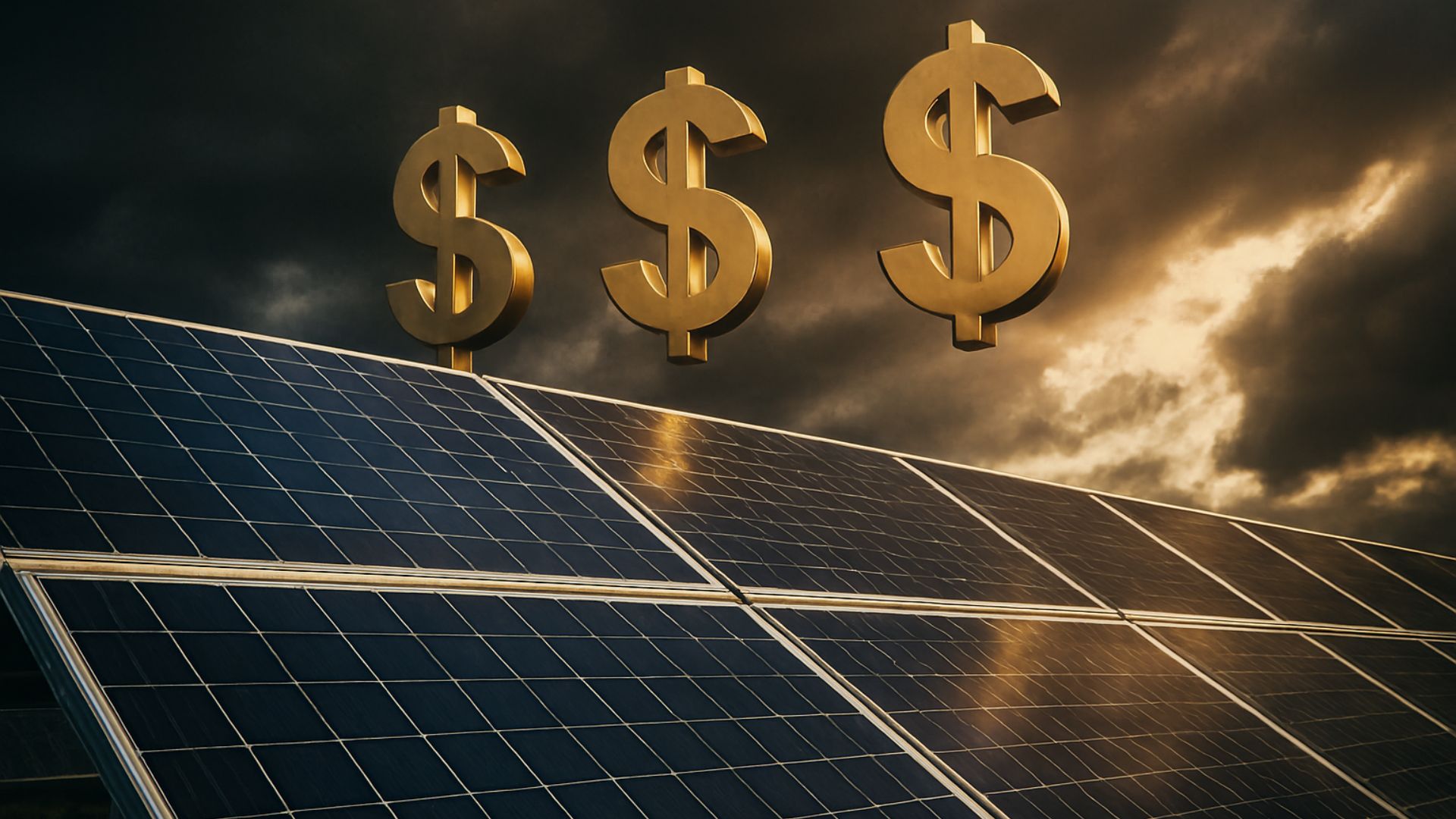
Survey Shows Why Solar Energy Is Advancing in Brazil, with Solar Panels More Accessible than in the USA, Generating Continuous Savings and Strong Reduction in Residential Electricity Bills
The solar energy is at a decisive moment in Brazil. According to a survey by Solfácil, a residential system of approximately 7 kWp costs just over R$ 16 thousand in the Brazilian market. According to an article published by Veja Negócios this Monday (15), in the United States, the same project costs about US$ 23.5 thousand, equivalent to almost R$ 130 thousand. In practice, the Brazilian consumer pays only about 13% of the price charged in the USA.
Solar Energy, Residential Costs, and Comparison with the United States
This significant difference has direct reflections on the pace of technology adoption. While Brazil experiences accelerated growth in distributed generation, the USA advances more slowly, even being one of the largest economies in the world. The lower cost makes solar panels an accessible alternative for millions of Brazilian households.
In addition, the combination of competitive prices, high solar incidence, and high electricity tariffs strengthens the economic argument. Solar energy has ceased to be a trend and has become a financial strategy.
-
Roraima bets on the sun to escape high tariffs: Amid the energy crisis and price hikes, solar energy is growing in Roraima and transforming consumption in the North region.
-
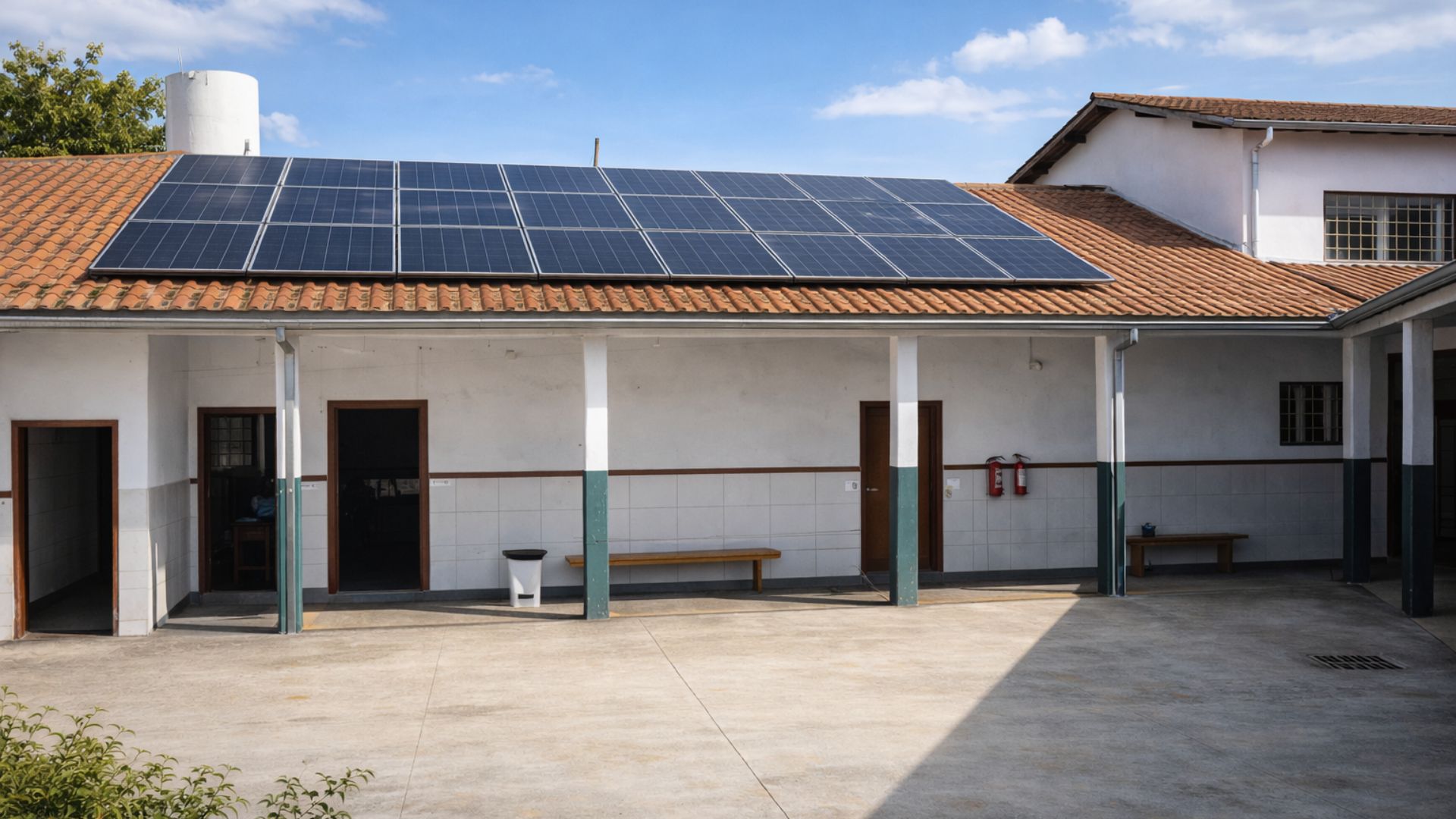
Copel boosts solar energy in Paraná and brings innovation to public schools, promoting savings on electricity bills, energy efficiency, and a direct impact on the quality of education.
-
Brazil reaches historic milestone in solar energy: Sector surpasses 2 million accumulated green jobs and generates billions in the national economy even under market pressure.
-
Minas Gerais takes the lead in renewable energy: State surpasses historic mark of 14 GW in solar energy generation in MG and consolidates dominance in the Brazilian electric sector.
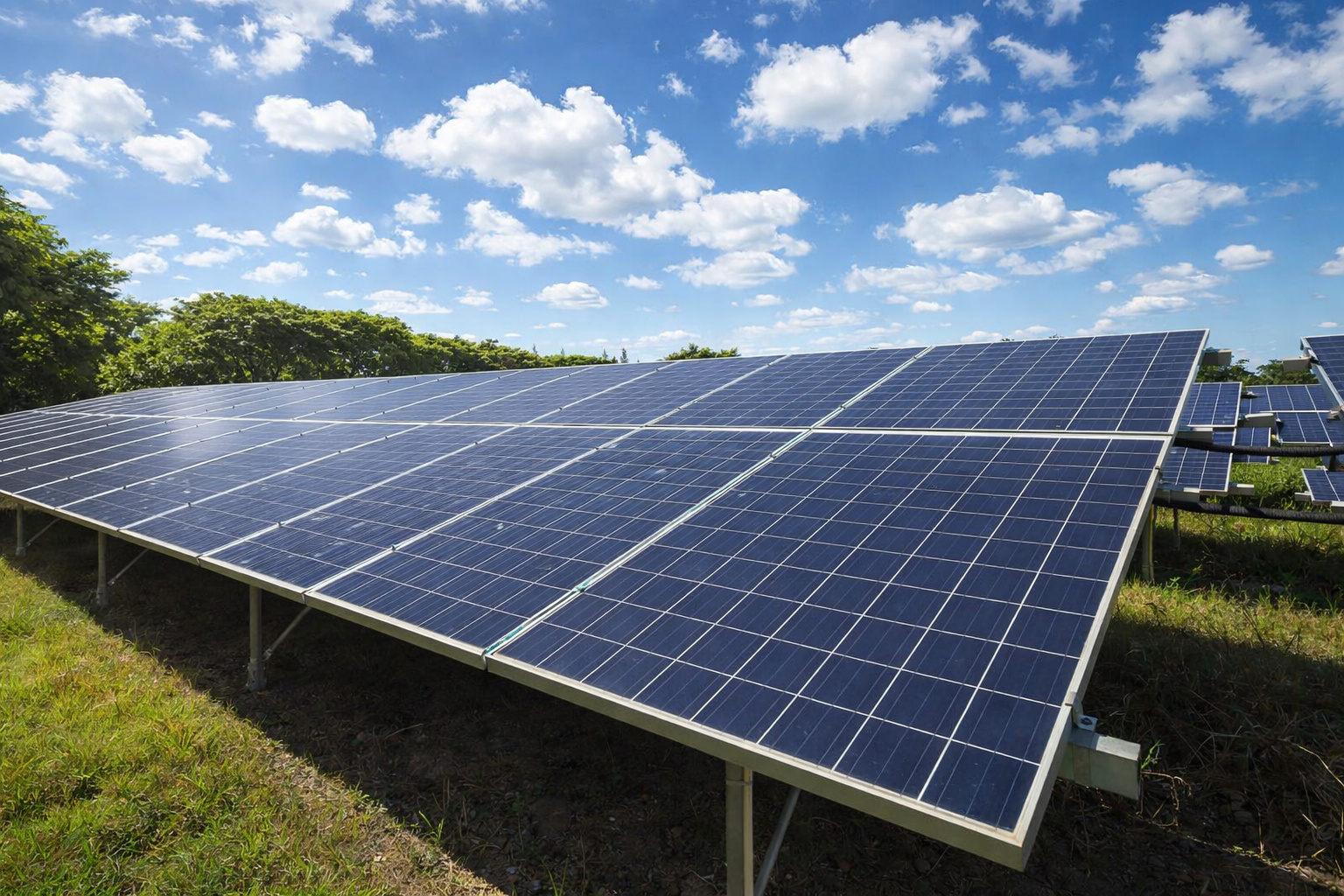

The price difference is not limited to smaller systems. According to Solfácil, a residential project of 10 kW costs about R$ 25 thousand in Brazil, while in the United States it can reach R$ 150 thousand when converted to Brazilian currency. This scenario is repeated across different power ranges, consolidating Brazil as one of the most competitive markets in the world for solar energy.
Although equipment prices are similar globally, the final project cost varies according to market structure. In the USA, expenses with marketing, customer acquisition, licensing, and bureaucracy considerably increase the final amount paid by the consumer.
Why Is Solar Energy Cheaper in Brazil?
According to Fabio Carrara, CEO of Solfácil, the price difference goes far beyond the cost of the equipment. In the United States, trade barriers make it difficult to import Chinese solar panels, which account for about 90% of global production. This pressures prices and limits competition.
Also, the American business model holds high administrative and commercial costs. In some cases, the expense to acquire a customer in the USA can be up to four times greater than the total cost of a residential project in Brazil.
On the other hand, the Brazilian market is highly fragmented. The country has over 30 thousand integrators, many of them small and medium-sized regional businesses. This intense competition lowers margins, encourages lower prices, and expands access to solar energy.
Currently, about 55% of the price of a solar system in Brazil corresponds to the equipment. In the United States, this share drops to 35%, highlighting the greater weight of operational costs.
Solar Panels and Real Savings on Electricity Bills
One of the main attractions of solar energy is the direct savings on electricity bills. By installing solar panels, the consumer starts generating their own electricity, reducing dependence on the traditional grid and frequent tariff adjustments.
In many cases, the reduction in electricity bills exceeds 80%, considering the consumption profile and correct system sizing. These savings are maintained over decades, as the panels have a lifespan of over 25 years.
Additionally, the excess energy generated can be injected into the electrical grid, generating credits that offset consumption during nighttime or lower solar generation periods. This mechanism further strengthens the financial return on investment.
Solar Energy and Return on Investment in Brazil
Thanks to the reduced cost of systems in Brazil, the return on investment time is significantly shorter than in the USA. In states with high solar incidence and high tariffs, the so-called payback can occur within 3 to 5 years.
After this period, all energy generated represents net savings for the consumer. This transforms solar panels into a financial asset, not just a sustainable solution. Few residential investments offer predictability, security, and such consistent returns as solar energy.
Growth of Solar Energy and Distributed Generation
The price difference helps explain why Brazil has rapidly advanced in distributed generation. In 2024, about 65% of the installed solar capacity in the country came from this model, in which the consumer invests in the system themselves. In the United States, this percentage was around 20%.
In addition to the lower cost, Brazil has favorable natural conditions. The high incidence of solar radiation throughout the year improves system performance and reduces payback time, enhancing savings on electricity bills. According to Solfácil, this combination places Brazil among the most efficient and democratic markets in the world for residential solar energy.
Solar Energy as a Strategic Decision for Brazilian Families
The finding that solar energy in Brazil is up to seven times cheaper than in the USA reinforces the strategic nature of this choice. The investment offers immediate savings on electricity bills, protection against tariff increases, and increases the value of the property.
In addition to the financial benefit, there is an environmental gain. The generation of clean energy reduces carbon emissions and contributes to a more resilient and sustainable electrical system.
More than a trend, solar energy has become a rational, economic, and strategic decision for the Brazilian consumer, especially when compared to the high costs faced by consumers in the United States.








-

Uma pessoa reagiu a isso.