





 Portuguese
  English
  Spanish
  2 min of reading
  1 comment


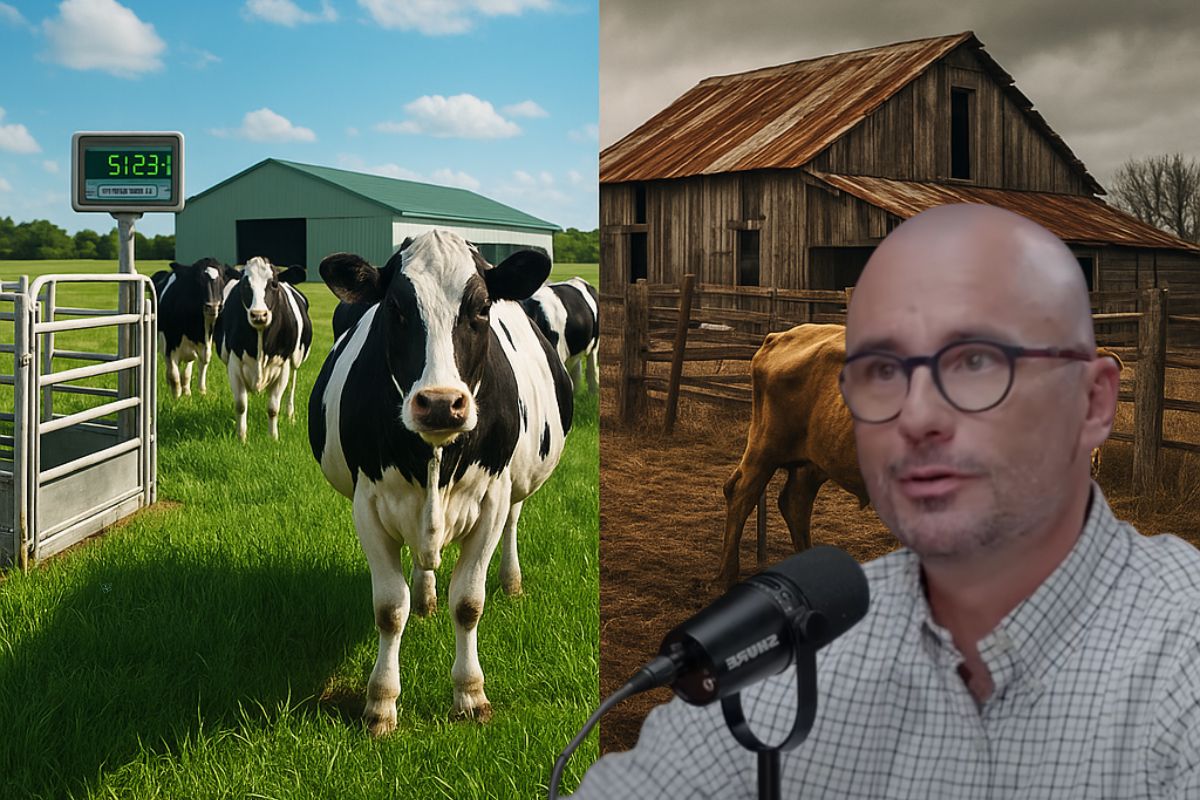


Only 16% of Properties Use Basic Measurement Technology; Lack of Management Can Lead to Sector Concentration and the End of Small Farms.
A study cited by specialist João Teles raised an alarming warning for agribusiness: half of the cattle farms in Brazil may cease to exist in the next 20 years. The reason is the low adoption of technology and data management, which compromises competitiveness in an increasingly demanding global market.
Today, only 16% of livestock farms use scales and weighing systems to measure weight, productivity, and profitability of their animals. This means that most cattle ranchers still operate intuitively, lacking accurate information to calculate costs or plan investments, putting their survival in the sector at risk.
The Livestock Farming That Does Not Measure, Does Not Grow
According to the study, the lack of control is the main bottleneck for cattle farms in Brazil. Without measuring basic indicators, such as weight gain per animal and productivity per hectare, many producers are unaware of their actual profit margin.
-
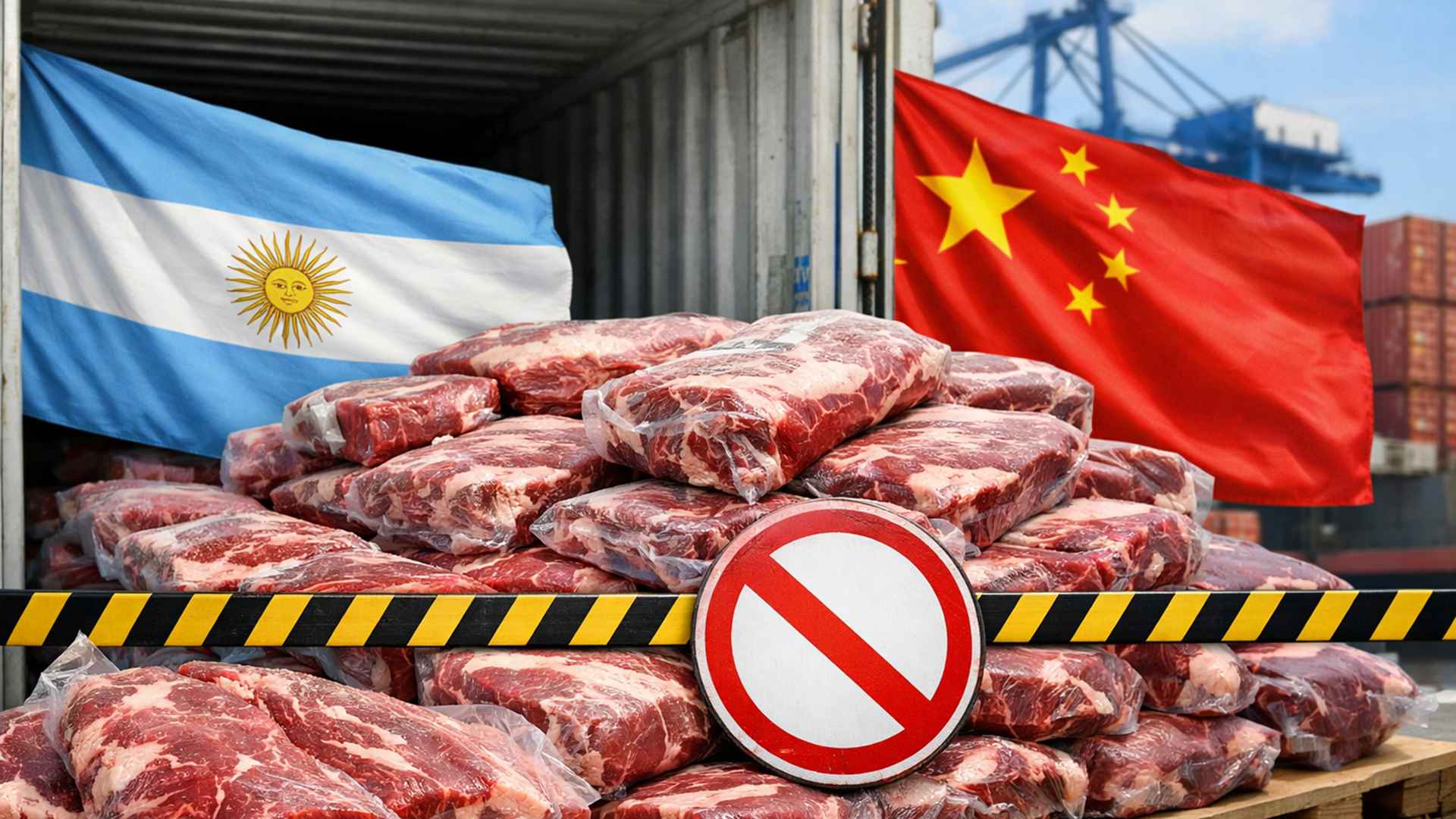
China banned the export of 22 tons of meat from Argentina.
-
While Russia dominates the global wheat market, Brazil emerges as an unexpected competitor in the Cerrado, offering grain available in July and August when stocks in the Northern Hemisphere are at their lowest point of the year.

-
China returned almost 20 Brazilian ships with soybeans, but now everything could change: the country that buys 80% of the grain is considering relaxing regulations after impurities held up shipments of thousands of tons and caused million-dollar losses.

-
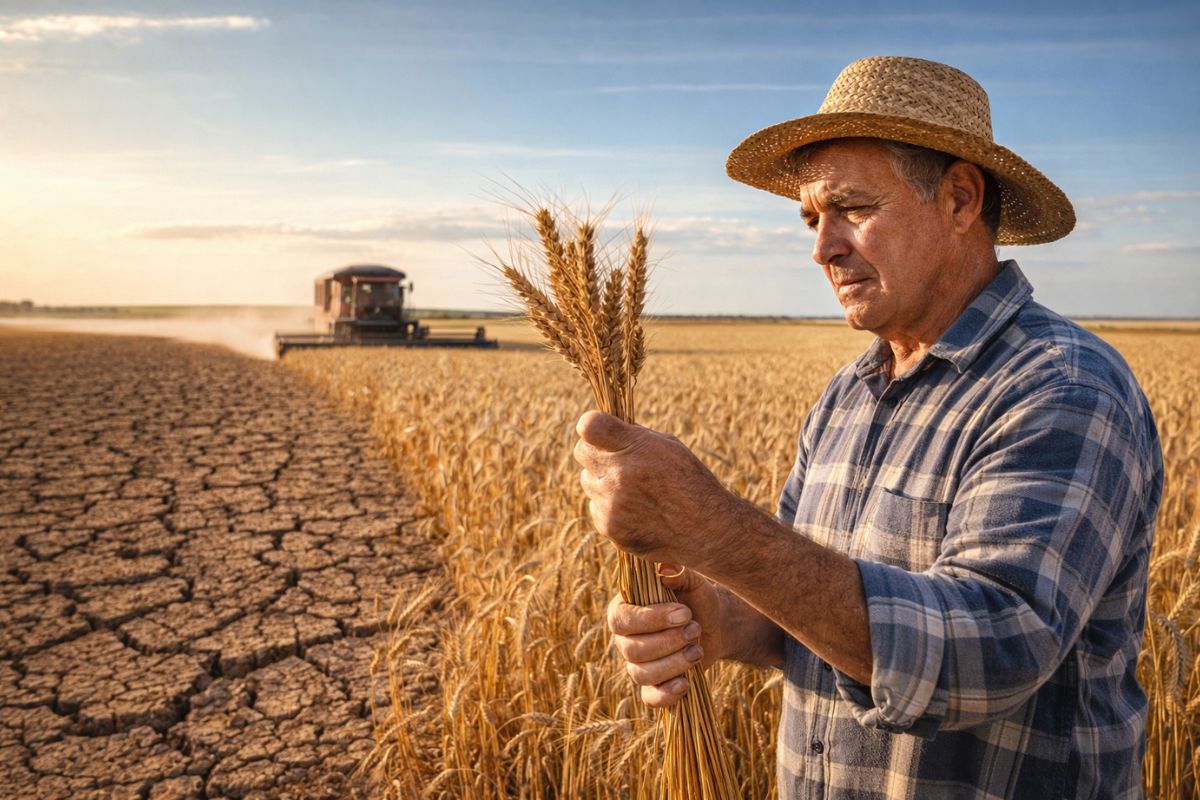
The drought of the cerrado was considered an enemy of wheat, but Brazilian scientists turned the lack of rain into a competitive advantage by creating a grain with quality that is already attracting the attention of international mills around the world.
The comparison with agriculture is revealing: while farmers know even the diesel consumption per liter and the exact productivity per area, a large part of cattle ranchers still conduct their activities without solid metrics. This difference explains why agriculture has advanced rapidly in efficiency, while livestock farming remains stagnant in many cases.
The Threat of Market Concentration


The survey indicates that only about 15% of farms dominate the market, achieving consistent results and ensuring international competitiveness. The trend, if the scenario does not change, is concentration: large groups progress, while small and medium properties fall behind.
This movement can cause a significant social and economic impact, as livestock farming is one of the main activities for small producers in regions such as the Midwest and North of the country. Without adaptation, the survival of these families in the sector becomes increasingly difficult.
Specialists argue that the solution lies in adopting accessible technologies — such as scales, management software, and nutritional monitoring — and viewing livestock farming as a high-management business. Additionally, it is crucial to invest in workforce training and expand incentive policies that facilitate access to credit and innovation.
According to João Teles, “the livestock farming that does not measure, does not survive”. The sector will need to accelerate modernization to avoid the disappearance of thousands of farms in the next 20 years.
And you, do you believe that small farms will be able to adopt technology in time, or will the sector remain concentrated in the hands of a few large groups? Share your opinion in the comments.









O custo da tecnologia custa muito caro muitas vezes inviabiliza para o pequeno produtor.