





 Portuguese
  English
  Spanish
  5 min of reading
  0 comments


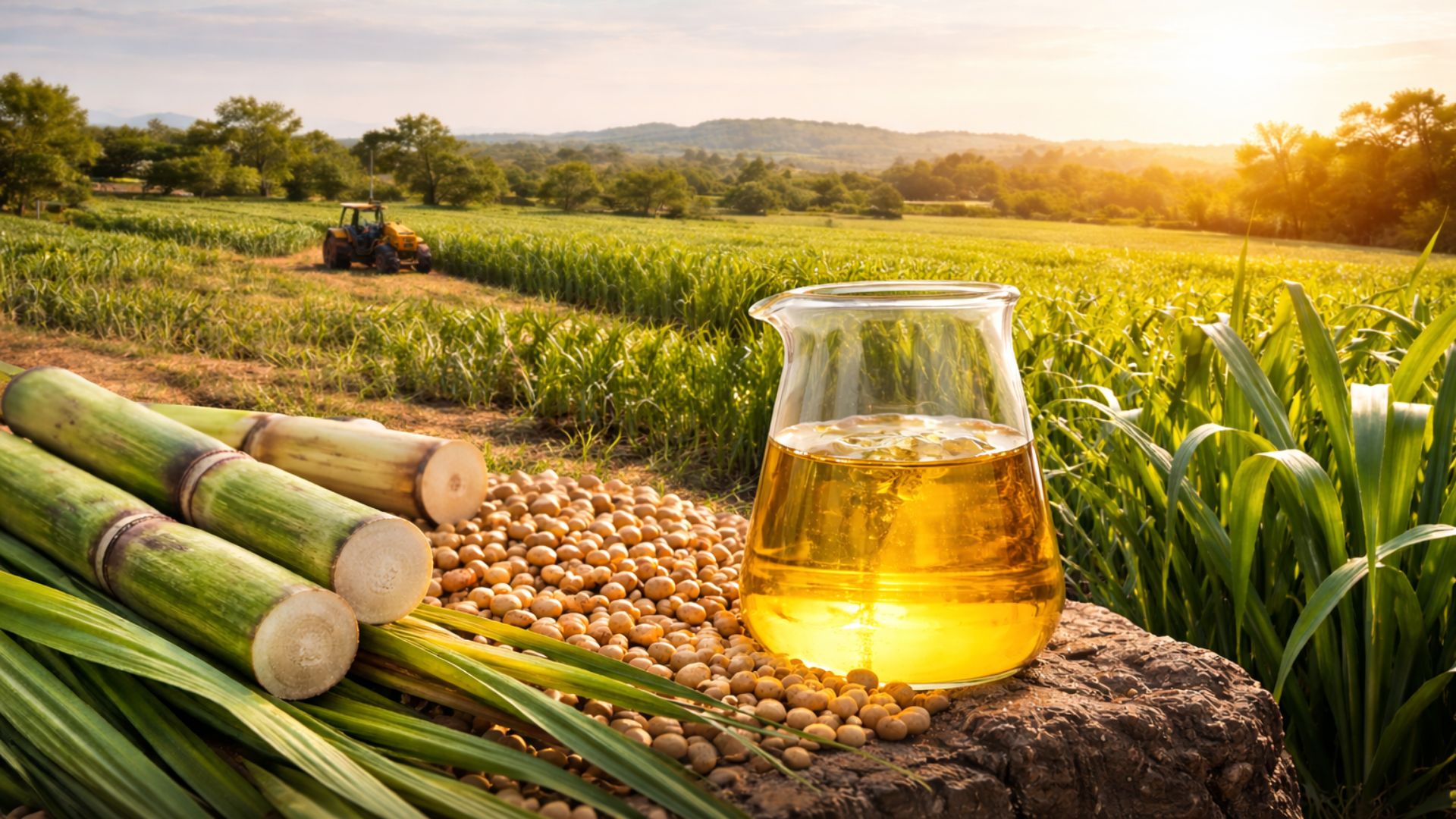
A Study By Embrapa Reveals How Brazil Advances In The Sustainability Of Biofuels By Proposing New Rules To Reduce Environmental Risks, Expand The Use Of Ethanol And Biodiesel And Boost The Energy Transition In Agriculture.
A scientific study published in the international journal Energy Policy places Brazil as a highlight in the management of the sustainability of biofuels, by presenting an innovative proposal to deal with the risk of Indirect Land Use Change (ILUC). The work, led by Embrapa and published on this Tuesday (27), demonstrates how the country has advanced in the construction of technical and regulatory solutions capable of strengthening ethanol, biodiesel and the energy transition in agriculture.
Brazil, Embrapa And Study Reinforce Leadership In The Sustainability Of Biofuels
The study shows that Brazil can move from being just a producer to becoming a policymaker on the international stage, actively contributing to organizations such as the International Maritime Organization (IMO) and the International Civil Aviation Organization (ICAO).
Instead of strictly adopting only rigid quantitative models, the Brazilian proposal relies on the management of ILUC risk, an approach considered more flexible, applicable, and scientifically sound.
-
The Economist states that Brazil has a “secret weapon” against expensive oil and highlights how the country can reduce economic impacts even in international scenarios of high volatility.
-
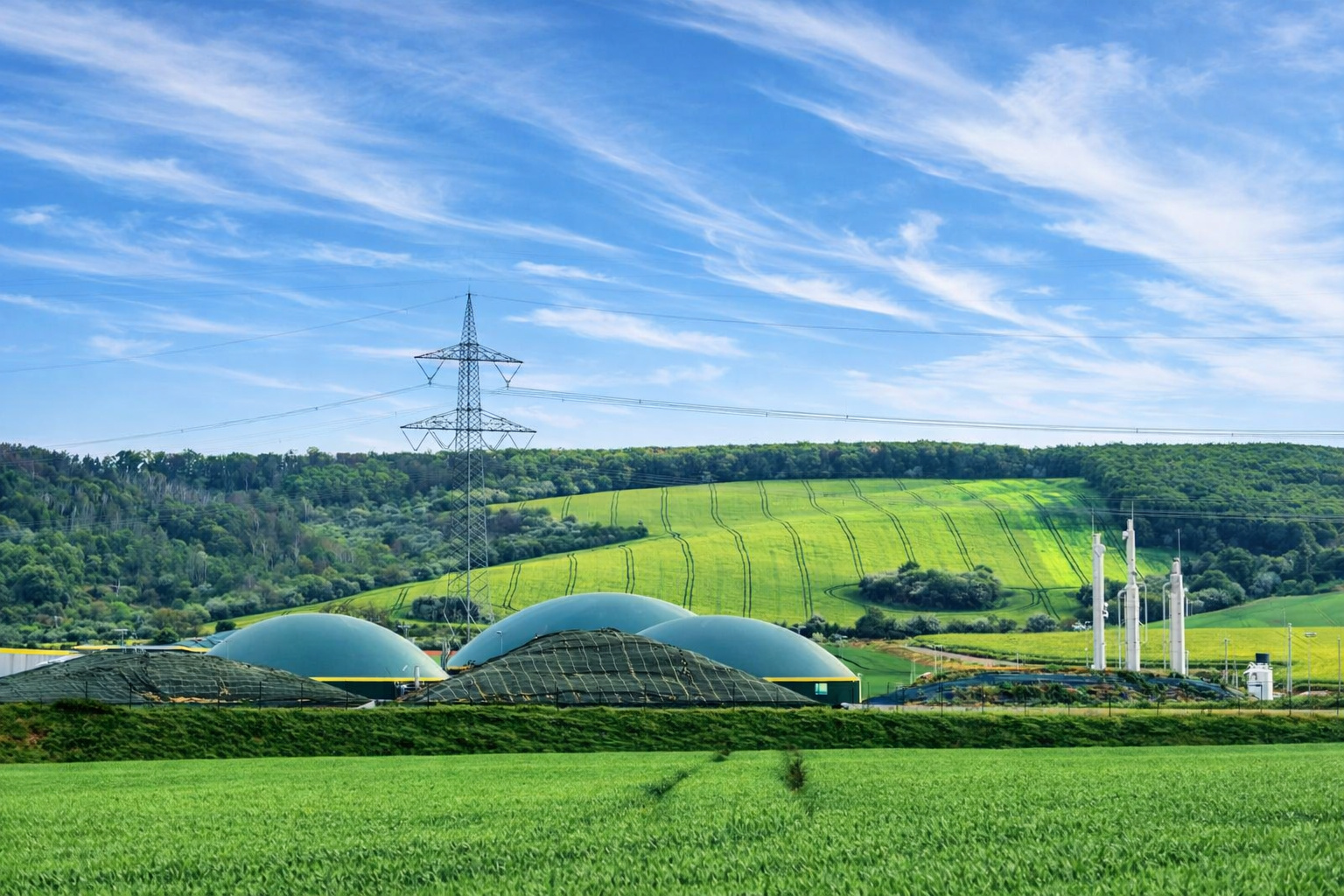
Brazil accelerates decarbonization in the South: International forum in Foz do Iguaçu gathers leaders to discuss the advancement of biomethane in the energy matrix and the potential of “caipira pre-salt.”
-
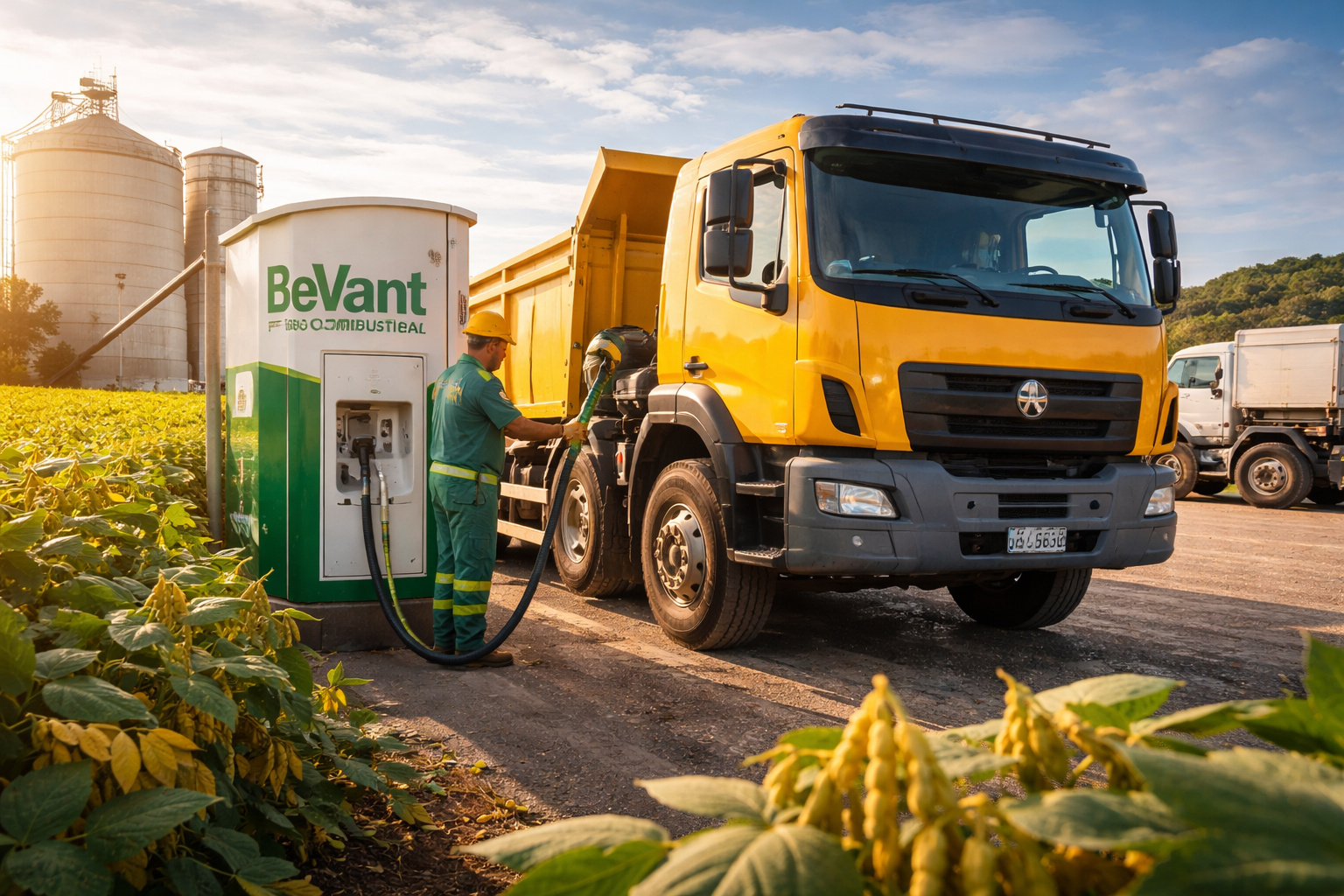
As diesel prices soar due to conflicts in the Middle East, a Brazilian city decides to test a little-known biofuel that promises to completely replace fossil fuel without adaptation and could change the future of energy in the country.
-
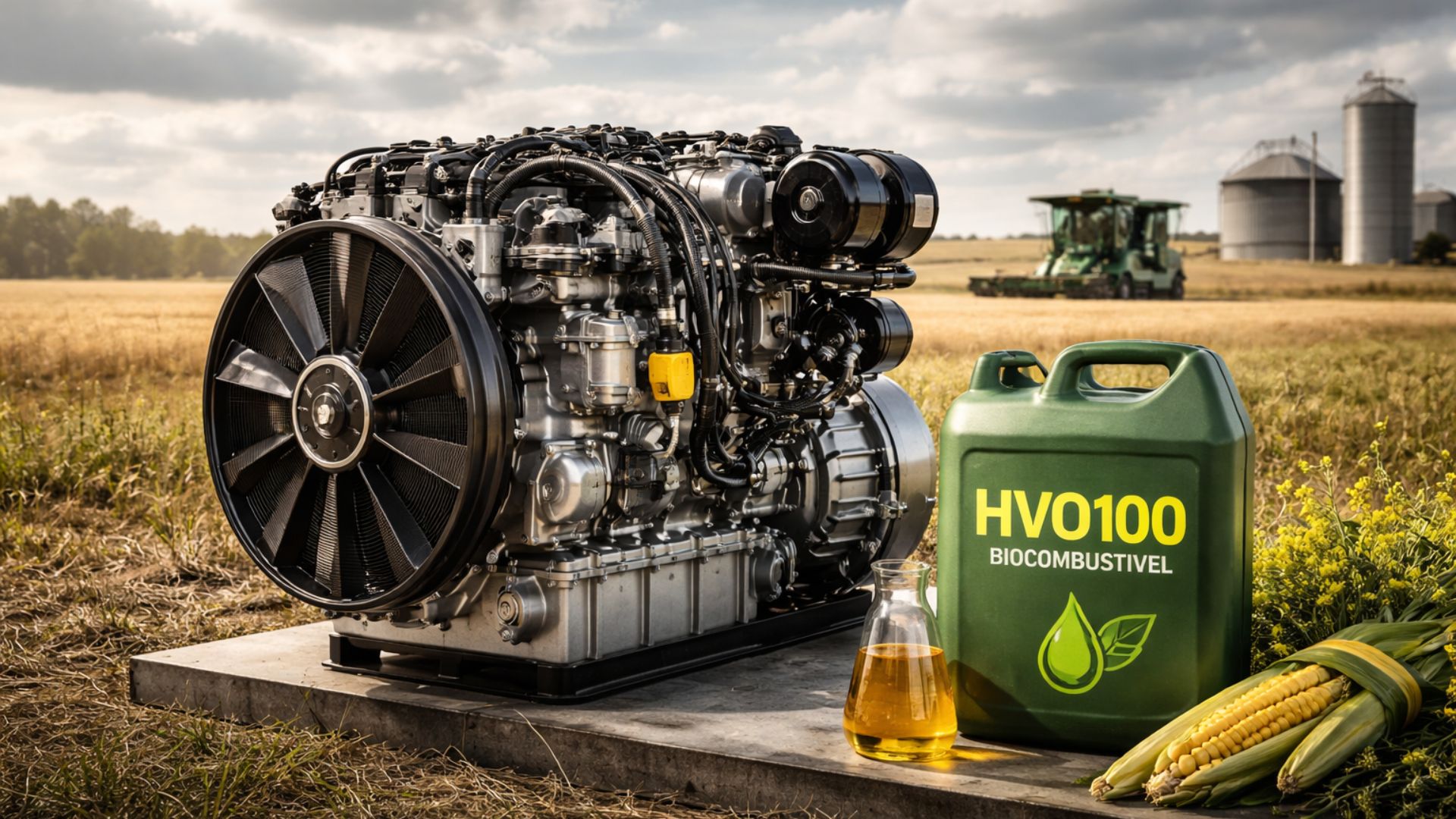
Innovation with biofuel engines transforms agribusiness by replacing diesel without the need for major adaptations, ensuring energy efficiency and helping to reduce dependence on oil.

The study was developed by researchers from Embrapa Environment, in partnership with Agroicone and the State University of Campinas (Unicamp). The scientific article presents a novel structure to operationalize the management of ILUC risk, one of the main regulatory challenges faced by biofuels in international markets.
According to Renan Novaes, an analyst at Embrapa and the first author of the work, Brazil has taken the lead over other countries by proposing comprehensive, scalable measures aligned with the national production reality.
This stance strengthens the environmental credibility of Brazilian biofuels and widens their acceptance in strategic markets. The sustainability of biofuels has become a decisive criterion for global competitiveness.
The Strategic Role Of Brazil In The Global Climate Agenda
The protagonism of Brazil in this debate occurs at a crucial moment in the international climate agenda. Sectors such as maritime transport and aviation face enormous challenges in reducing emissions with conventional technologies, making biofuels an essential alternative.
However, for ethanol and biodiesel to fulfill this role, it is necessary to prove that their life cycle presents significantly lower emissions than fossil fuels.
It is in this context that the sustainability of biofuels becomes central to decarbonization policies. Without robust sustainability criteria, biofuels lose climate legitimacy.
Understanding ILUC And Its Environmental Impacts
Indirect Land Use Change (ILUC) occurs when agricultural expansion for biofuel production displaces other activities to new areas, potentially resulting in deforestation or conversion of ecosystems with high carbon stocks.
This process can generate additional greenhouse gas (GHG) emissions, nullifying part or even all of the expected climate benefits. That is why public policies and international standards seek effective mechanisms to address ILUC.
The study explains that both direct land use change (DLUC) and indirect (ILUC) need to be considered to ensure the sustainability of biofuels throughout the entire production cycle.
Limitations Of Quantitative ILUC Models
For years, the main approach adopted by international organizations was the application of fixed quantitative ILUC factors to biofuel emissions. One example cited in the study is ICAO regulation, which assigns an additional factor of 27 gCO₂e/MJ to the soybean-based HEFA biofuel from Brazil.
In practice, this value is added to the life cycle emissions of the fuel, significantly increasing its carbon intensity. However, the authors of the study highlight that this methodology has been criticized for presenting scientific inconsistencies, high uncertainty, and significant result variation. Isolated quantification of ILUC does not reflect the complexity of production systems.
Embrapa Study Proposes New Approach To Biofuel Sustainability
Given these limitations, the study led by Embrapa proposes a paradigm shift: the adoption of ILUC risk management approaches. This strategy has increasingly been considered in international forums, particularly at the IMO.
The Brazilian proposal was initially developed in 2023, at the invitation of the Brazilian Navy, the official representative of the country at the International Maritime Organization. Since then, the model has been discussed by the 176 member countries of the entity as a viable alternative for maritime biofuels. The focus shifts to preventing risks, not just measuring them.
Practical Measures To Reduce ILUC Risks
The proposal presented in the study structures five major action axes, aimed at stimulating the production of biofuels with low ILUC risk and, simultaneously, preventing situations of high environmental risk.
Among the measures are the creation of a hierarchical risk classification, broad eligibility criteria, a zero-deforestation requirement, recognition of an intermediate risk level, and a gradual implementation of rules over time.
Additionally, the study highlights agricultural practices that strengthen the sustainability of biofuels, such as the use of residual raw materials, integrated production systems, second crop cultivation, and the recovery of degraded areas.
Recognition Of Good Practices In Brazil
Another differential of the Brazilian proposal is the recognition of regions and producers that demonstrate effective control of emissions associated with land use change. Rural establishments that comply with Brazilian environmental legislation and preserve native vegetation are valued in the system.
According to the authors, stimulating good practices is as important as penalizing risks. This logic helps reduce transaction costs, increase industry adherence, and scale up sustainable production. The sustainability of biofuels becomes a competitive advantage.
Impacts Of The Embrapa Study On Ethanol, Biodiesel And Energy Transition
The study highlights that effective management of ILUC risk is an indispensable condition for increasing the use of biofuels in strategic sectors of the global economy. Ethanol and biodiesel play a central role in reducing emissions in modes where electrification still faces technical and economic barriers.
By proposing a more applicable and scalable model, Brazil, through Embrapa, contributes to unlocking investments, increasing regulatory predictability, and strengthening international confidence in national biofuels. Without sustainable biofuels, the global energy transition remains incomplete.

Brazilian Leadership And The Next Steps
The study published in March 2026 consolidates Brazil as a strategic actor in the formulation of international standards on sustainability of biofuels. The work of Embrapa demonstrates how science, public policy, and diplomacy can walk together to face complex environmental challenges.
By leading the debate on ILUC risk management, the country strengthens its position as a reliable supplier of renewable energy, enhances sustainable agriculture, and contributes concretely to global decarbonization commitments. Brazil shows that it is possible to unite agricultural production, science, and environmental responsibility on a global scale.








-

Uma pessoa reagiu a isso.