





 Portuguese
  English
  Spanish
  4 min of reading
  0 comments


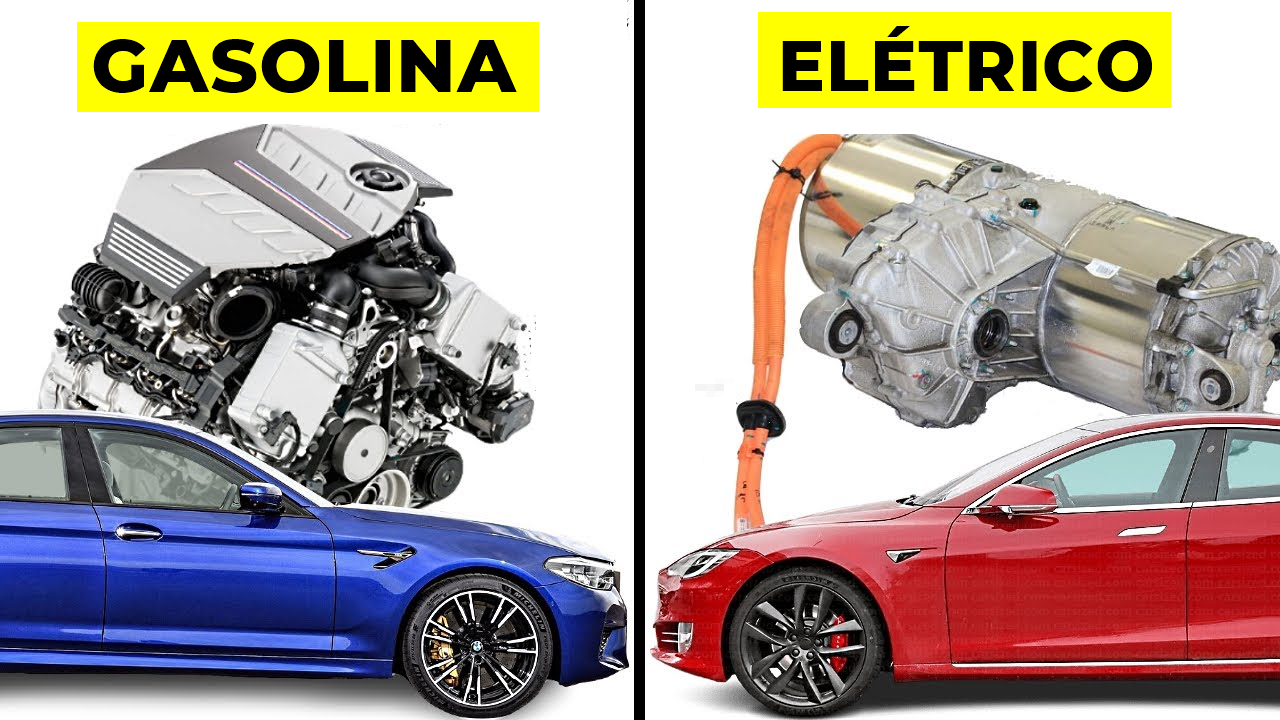
A Recent Study Confirmed That Electric Vehicles Emit 70% to 77% Less Pollutants Than Gasoline Cars, Even Taking Into Account The Emissions Generated During The Manufacturing Of Their Batteries
Replacing gasoline cars with electric vehicles is far from being just a trend. A new study revealed that battery electric vehicles generate 70% to 77% less emissions than internal combustion engine vehicles (ICEVs), even considering the emissions from battery manufacturing.
It’s a striking number that could affect the future of transportation.
The research analyzed the entire life cycle of cars, from production to use. Even with the weight of the batteries at the beginning, electric vehicles quickly compensate for this impact.
-
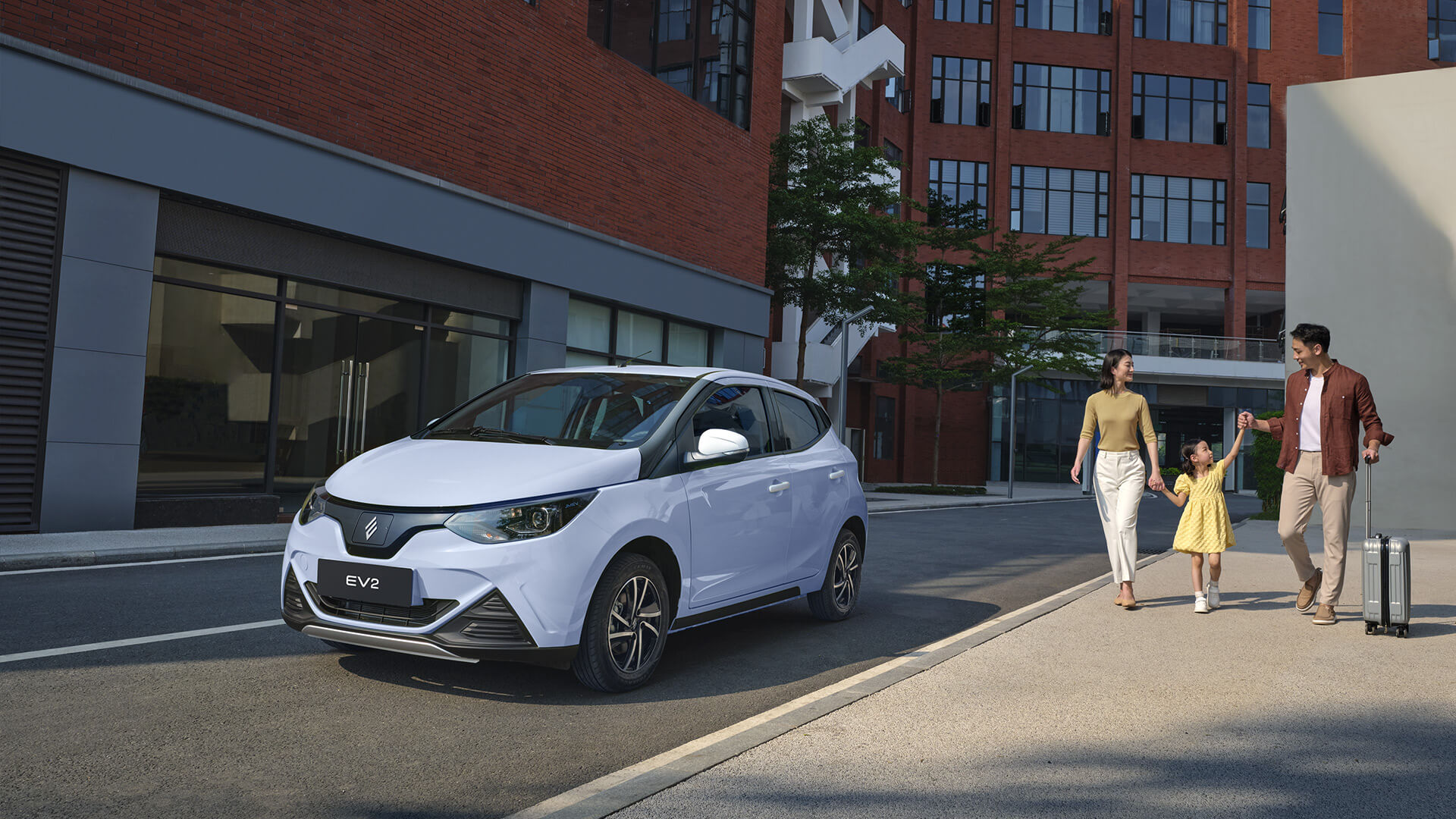
Goodbye expensive popular car: electric vehicle for less than R$ 70,000 starts being sold in Brazil with a range of 200 km and targets those looking to escape gasoline.
-
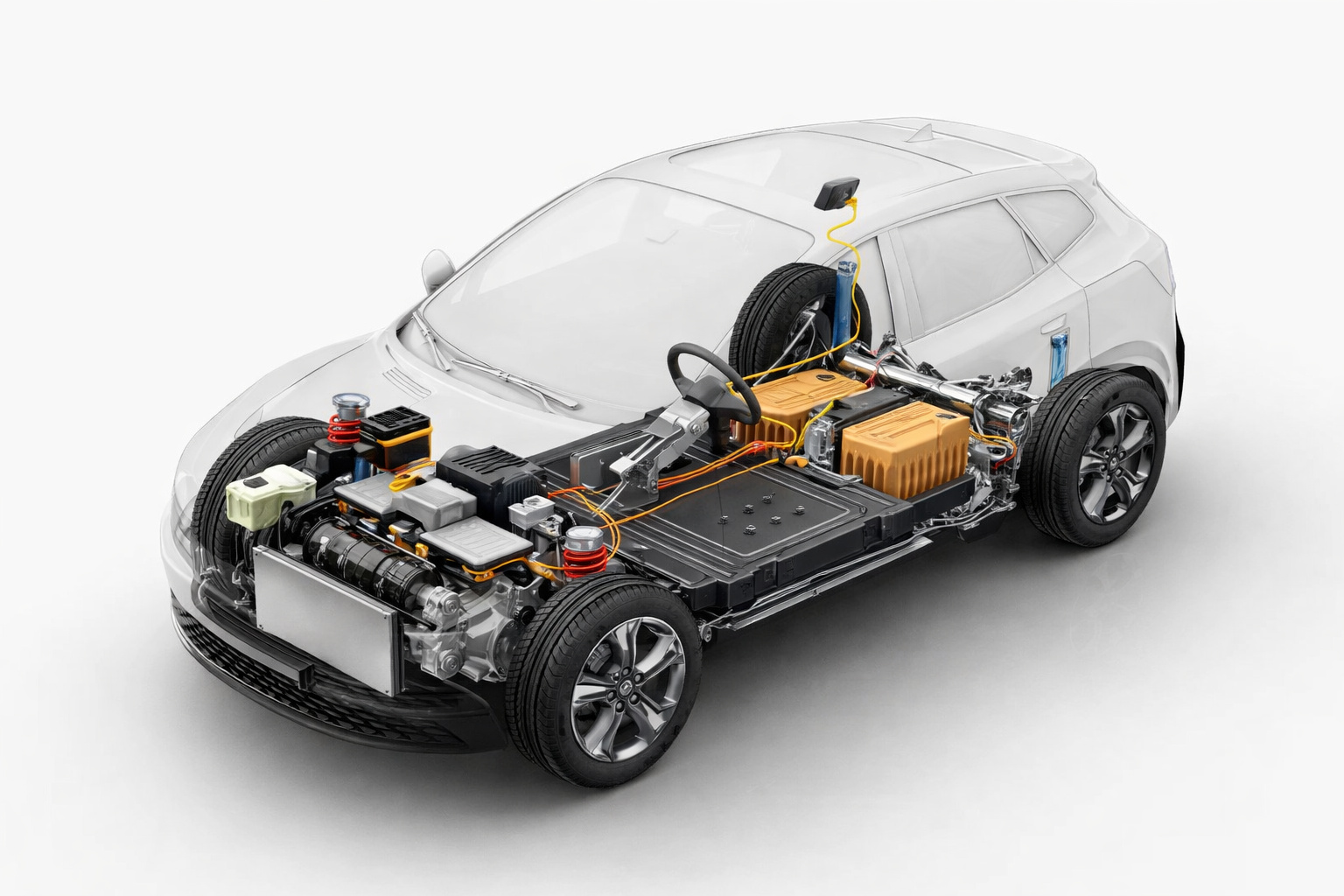
China Surprises Automotive Industry With Battery That Promises Electric Car Able to Run Up to 1,000 km Without Recharge
-
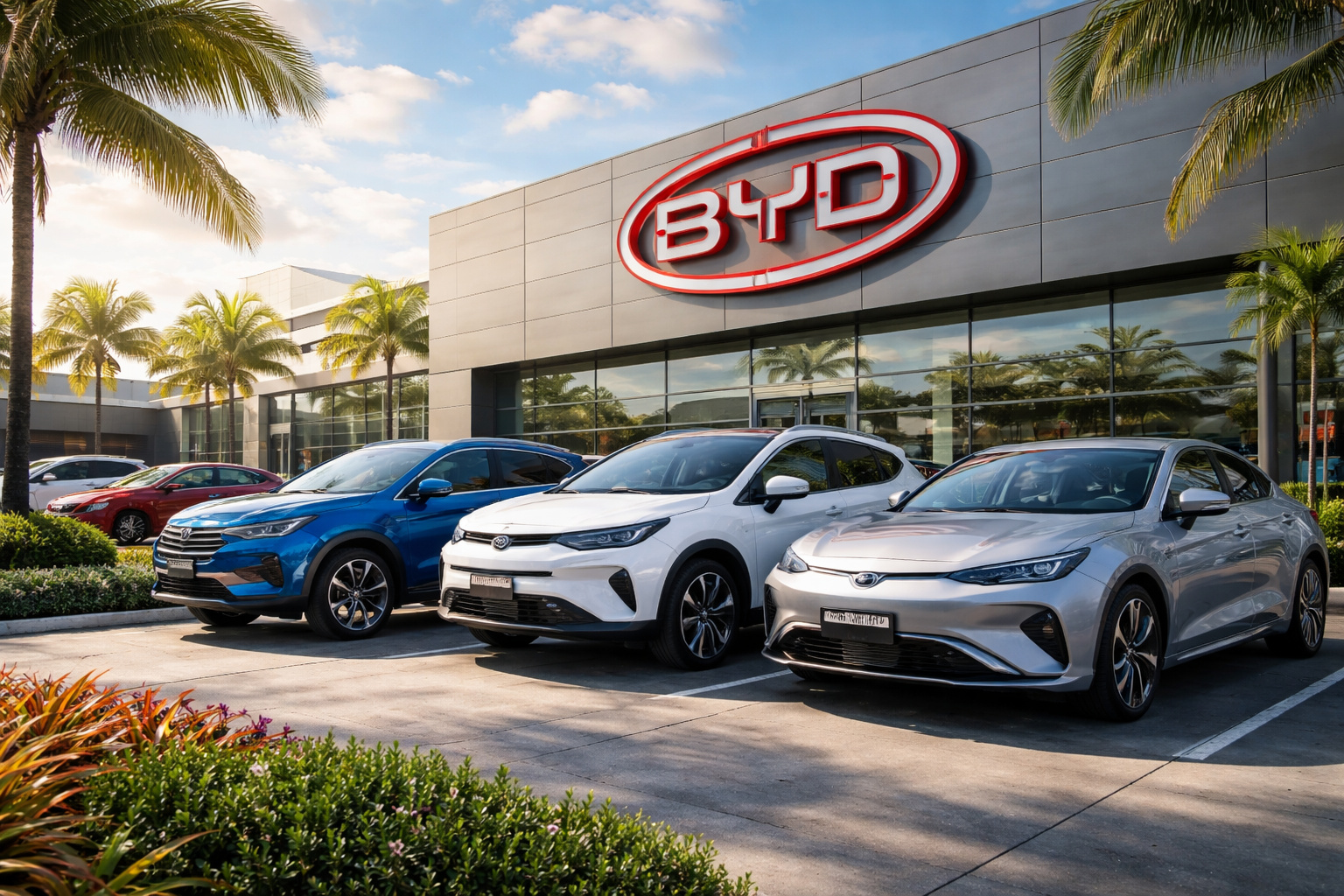
Why BYD Grew So Fast in Brazil and How Blade Batteries, Electric Cars, and Industrial Incentives Shaped This Expansion in the National Automotive Sector
-
Electric Cars Make Progress in Brazil in 2026 and Promise to Reduce Drivers’ Costs with Cheaper Energy, While Infrastructure Grows Slowly Across the Country
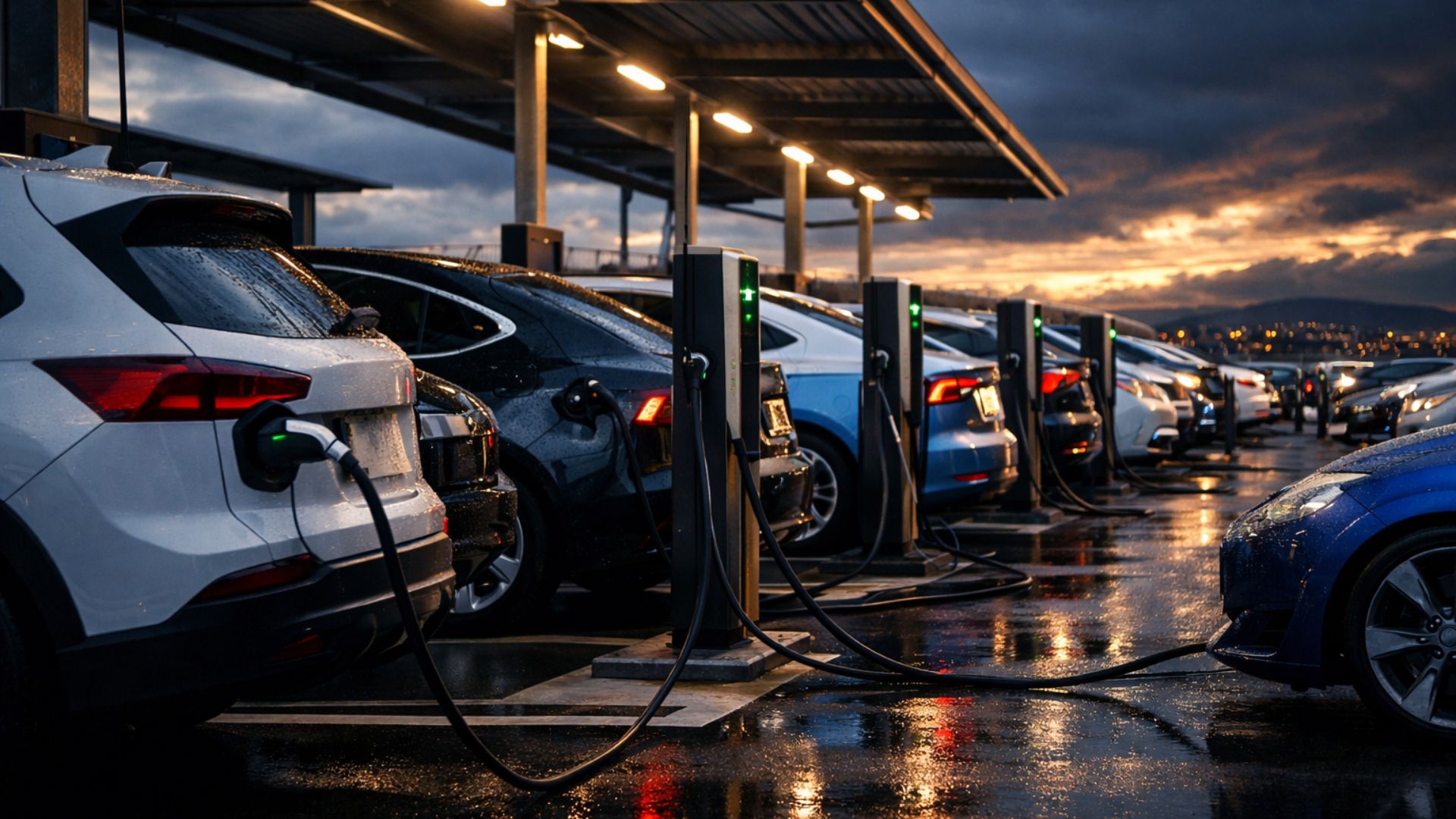
They do this mainly for two reasons: energy efficiency and cleaner electricity.
The Weight Of The Battery At The Beginning
The production of batteries is the most delicate point. It accounts for up to 60% of the initial emissions of an electric vehicle, especially when the battery needs to be replaced during the car’s lifespan.
The problem lies in the mining and processing of the materials used, such as lithium, nickel, cobalt, copper, and graphite.
A substantial portion of these batteries is produced in countries that still use coal as their primary energy source. China, for example, is a major manufacturing hub, but it also has a highly polluting energy matrix. This significantly increases emissions during the production phase.
However, the manufacturing location makes a difference. If the battery is made in countries like Sweden, where there is a greater use of clean energy, emissions can be 25% lower.
Energy Efficiency: Where Electric Vehicles Shine
After leaving the factory, the electric vehicle shows its strength. A combustion engine uses only between 16% and 25% of the gasoline energy to move the car. The rest is lost as heat and noise. Electric vehicles, on the other hand, use 87% to 91% of the electrical energy.
This number makes a difference in daily life. To travel 100 kilometers, a gasoline SUV consumes between 6.7 and 21.7 liters. An electric SUV uses between 20.9 and 44.6 kWh, equivalent to about 2.3 to 5 liters of gasoline. In other words, electrics use up to four times less energy.
When Energy Is Clean, Everything Improves
The energy matrix also directly influences emissions. In Canada, electricity emits, on average, 61% less than gasoline. In provinces like Quebec, where hydropower is predominant, reductions can reach 83%.
Even in the most polluting regions, such as Alberta or Nunavut, battery electric vehicles continue to have an advantage. Energy efficiency compensates, and the final balance is always positive in terms of emissions.
PHEVs: A Middle Ground
Plug-in hybrid vehicles also help reduce emissions, but with less impact. It all depends on how much the electric mode is used.
A PHEV used in electric mode 54% of the time emits an average of 172 gCO2e/km. A gasoline SUV emits 332 gCO2e/km. If the electric mode is only used 26% of the time, the emission rises to as much as 291 gCO2e/km.
In other words, a PHEV can be a good option — but only if the driver truly takes advantage of the electric part.
Access Is Still An Obstacle
Despite all the advantages, battery electric vehicles still face a significant challenge: price. Most of the cleaner models are still out of reach for a large part of the population. And with the potential reduction of government subsidies, the problem may worsen.
Today, even the cheapest electric vehicles are still more expensive than gasoline models in the same category. The lack of affordable supply could hinder the transition.
What Can Improve The Scenario
Battery Innovation: Researchers are seeking more efficient and less polluting alternatives. Solid-state batteries, for example, promise greater energy density and lower environmental impact.
Charging Infrastructure: Expanding charging points is essential. It’s not enough to have the car if there’s no easy place to charge it. Some strategies include:
- Increasing the number of fast charging stations
- Creating intelligent systems to use renewable energy for charging
- Investing in wireless technology for greater convenience
Clear Information For The Public: There are often questions about costs, maintenance, and the environmental impact of electric vehicles. Therefore, educational campaigns are essential. Some ideas include:
- Explaining the real benefits of electric vehicles
- Offering free test drives
- Showing that, in the long run, the total cost of an electric vehicle can be lower
Toward A Cleaner Future
The study highlights that electric vehicles are a key tool in the fight against climate change. And it’s not just a matter of gas emissions. There are other positive impacts:
- Lower overall energy demand
- Reduction of pollution in cities
- Improvement in public health
- Encouragement of the development of sustainable supply chains
Moreover, with increasingly cleaner power grids and more conscious production processes, the benefits tend to grow. But success depends on three main points: access, infrastructure, and innovation.
Even if an electric car battery needs to be replaced, electrics still emit 59% to 69% less than a gasoline vehicle over their lifetime. This reinforces the idea that, despite some challenges, electric mobility remains one of the most promising paths toward cleaner and more efficient transportation.









-

Uma pessoa reagiu a isso.