





 English
  Francês
  Alemão
  Italiano
  Japonês
  Norueguês
  Portuguese
  Spanish
  5 min of reading
  0 comments


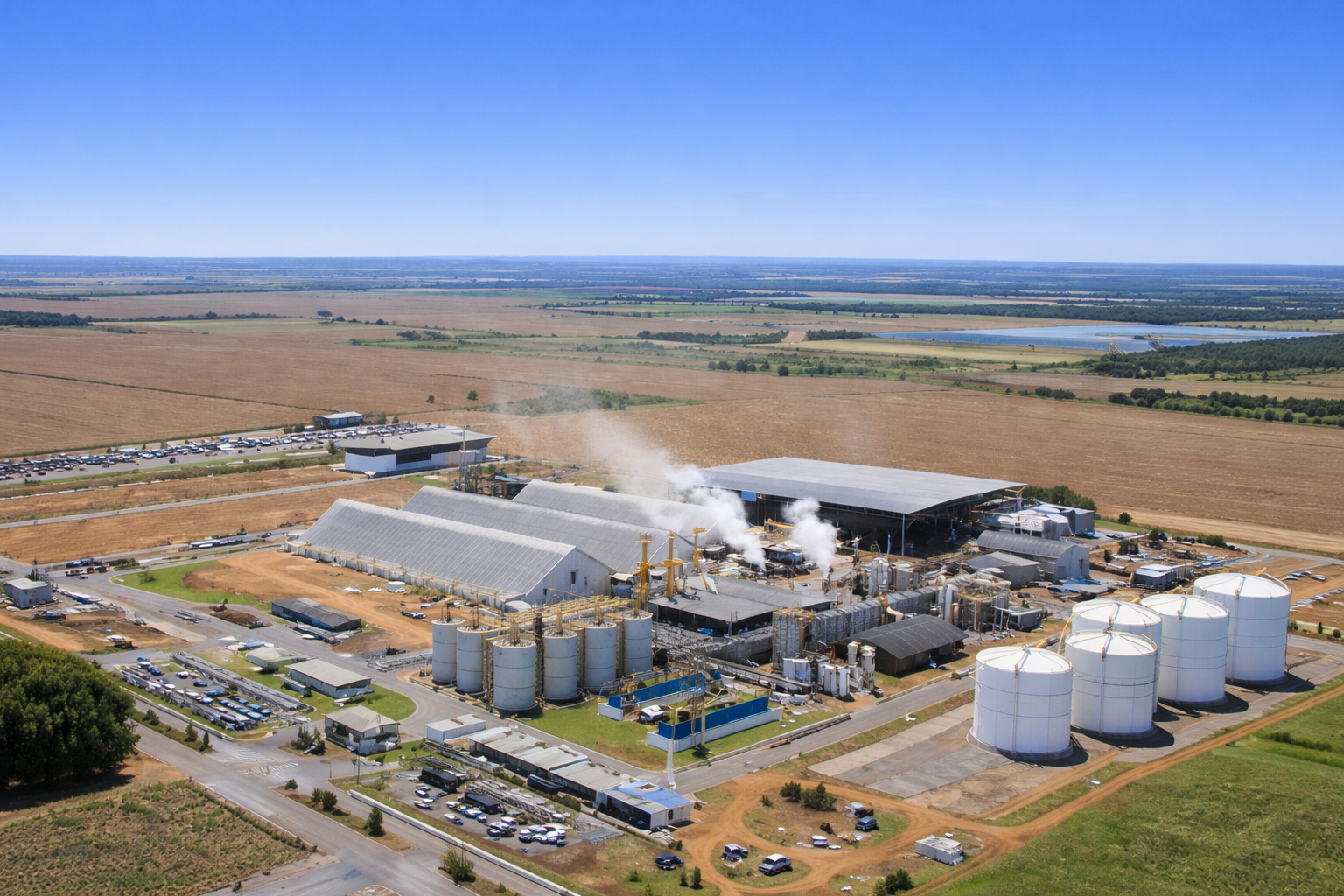
Studies Strengthen RenovaBio by Proving a Solid Scientific Basis, Enhancing International Credibility, and Boosting the Export of Brazilian Biofuels in the Global Energy Transition
The studies strengthen RenovaBio as one of the most relevant public policies ever implemented in Brazil, especially because they connect economic development, energy security, and environmental commitment. In this sense, over the past few years, the program has not only consolidated its role in the domestic market but has also progressively attracted international attention. This happens because, increasingly, new scientific research expands transparency and, at the same time, strengthens the credibility of Brazilian biofuels on the global stage. Thus, this advancement is part of a historical context marked by the global pursuit of low-carbon solutions.
The government established RenovaBio in 2017, precisely when Brazil needed to align its energy matrix with the goals of the Paris Agreement. From then on, the policy has acted directly on the reduction of greenhouse gas emissions in the transportation sector, one of the most carbon-intensive sectors. To achieve this, the program adopted an innovative logic, as it combines national decarbonization targets with market mechanisms that reward those who produce renewable energy more efficiently.
Moreover, it is essential to remember that Brazil already held a prominent position in biofuel production long before the creation of RenovaBio. Since the implementation of Proálcool in the 1970s, the country has continuously invested in alternatives to oil. At that time, energy crises and external dependency propelled strategic decisions. Thus, RenovaBio emerges as a natural evolution of this historical trajectory, incorporating more stringent environmental criteria aligned with the global climate agenda.
-
Government unlocks R$ 554 million for a highway that has been requested for decades and accelerates the duplication of BR.
-
Without bricks, without cement, and without endless construction: the cardboard house that is assembled in modules and can be moved.

-
Billions of barrels on the equatorial margin could lead Amapá to double its oil production in Brazil — the state aims to enter the route of companies in the Campos Basin, attract investments, and boost jobs and businesses in the oil and gas sector.
-
Without bricks, without cement, and without endless construction: the cardboard house that is assembled in modules and can be moved.

Scientific Basis Strengthens Credibility and Transparency of the Program
Over time, it has become evident that the success of RenovaBio would depend, above all, on solid technical foundations. In this context, new scientific works led by institutions such as Embrapa Meio Ambiente play a central role. These studies reinforce RenovaBio because they clearly explain how Brazil calculates the carbon intensity of biofuels such as ethanol, biodiesel, and biogas, providing reliable data that complies with international standards.
Additionally, researchers have published these studies in international open-access journals, which, consequently, reduced external doubts and increased confidence among commercial partners. At the same time, the publication in English allows governments, researchers, and market players to understand the Brazilian methodology in greater depth. As a result, the country strengthens its image as a reliable provider of renewable energy.
Likewise, the methodological transparency facilitates dialogue with markets that demand rigorous proof of sustainability. In an increasingly regulated global scenario, this factor becomes decisive for the expansion of international biofuel trade. Thus, science ceases to be merely technical support and begins to serve as a strategic tool for economic insertion.
RenovaCalc and CBIOs Transform Sustainability into Economic Value
The functioning of RenovaBio is primarily structured around RenovaCalc, a tool that evaluates the energy-environmental efficiency of plants. Through this methodology, the program compares the carbon intensity of biofuels with that of fossil fuels, such as gasoline and diesel. Thus, the lower the emission, the higher the amount of decarbonization credits (CBIOs) that the producer can issue.
The CBIOs function as environmental assets traded in the financial market. Thus, fossil fuel distributors purchase these credits to meet mandatory emissions reduction targets. Consequently, this model creates a direct connection between public policy and the market, while also stimulating investments in technological innovation.
As the studies reinforce RenovaBio, the international perception grows that Brazil has developed a consistent economic and environmentally sound model. As a result, this structure increases sector predictability, reduces regulatory risks, and attracts investments in bioenergy and decarbonization.
Regional Emission Measurement Expands Precision and Competitiveness
Meanwhile, recent research highlights the importance of regional analysis of the agricultural carbon footprint. Crops such as soybeans, corn, and sugarcane exhibit significant variations in emissions between states, influenced by climate, soil management, and production practices. By incorporating this level of detail, RenovaBio surpasses global methodologies based on national averages.
Consequently, this technical refinement strengthens the credibility of the program and improves the accuracy of carbon intensity calculations. Thus, Brazil begins offering more robust information to the international market, reduces technical inquiries, and increases the competitiveness of Brazilian biofuels.
Additionally, this regional approach encourages more efficient public policies in the field, stimulating agricultural practices with lower environmental impact and continuous improvements throughout the production chain.
Export of Biofuels and Brazilian Leadership in the Climate Agenda
In this scenario, the export of Brazilian biofuels grows directly associated with the increased technical confidence in RenovaBio. Countries and economic blocs with strict decarbonization targets, such as the European Union and Asian economies, seek suppliers capable of demonstrating real emissions reductions.
Thus, the Brazilian model, supported by science and structured public policy, presents a competitive international advantage. Whenever the studies reinforce RenovaBio, they also strengthen Brazil’s position in trade negotiations and climate agreements.
At the same time, the program consolidates the country’s image as a global leader in low-carbon solutions. This role is likely to grow as global demand for clean energy increases and biofuels establish themselves as a viable alternative to fossil fuels.
An Evergreen Program for the Global Energy Transition
In the domestic market, RenovaBio stimulates the modernization of the biofuels sector, promotes efficiency gains, reduces costs, and increases regulatory predictability. Thus, by valuing sustainable practices, the program creates a virtuous cycle that benefits producers, consumers, and the environment.
Furthermore, the adaptability of RenovaBio ensures its evergreen nature. As new research emerges and scientific knowledge advances, the government can refine the methodology and keep the system aligned with international best practices.
Therefore, it is clear that the studies reinforce RenovaBio not only as a successful policy in the present but also as a strategic tool for the future of clean energy. By transforming scientific knowledge into economic and environmental value, the program solidifies Brazil’s leadership in the global low-carbon economy, with lasting positive impacts.










-

Uma pessoa reagiu a isso.