





 Portuguese
  English
  Spanish
  4 min of reading


Brazilian Ethanol Is A Cheaper And More Viable Alternative Compared To Electric Cars And Gains International Highlights And From The Multinational Volkswagen For Reducing Greenhouse Gas Emissions
Brazilian ethanol is in the sights of Volkswagen! In the global race for the decarbonization of the planet, many countries plan to use electric cars in greater numbers and in the short term, especially in Europe. However, Brazil can reduce its emissions very quickly and cheaply, with the increased production and use of ethanol. Renato Romio, head of the Engines and Vehicles Division at the Mauá Institute of Technology (IMT), reminds us that important automakers in both national and international markets have recognized the potential of Brazilian ethanol for controlling polluting gases.
Read Also
- Schlumberger Calls Tomorrow (08/19) For Professionals With Technical Training In The Industrial Area For A Recruitment Webinar
- Free Public Speaking Course: Communication Becomes The Most Sought After Requirement By Companies And Professionals Need To Qualify To Secure The Longed For Job Vacancy
- Petrobras Invests In Technology For Remote Monitoring Of Platforms In The Campos Basin
- Candidates Without Experience Of All Ages, Areas, And Genders Are Called To Work At Vale; One Of The Largest Logistics And Iron Mining Companies In The World Opens Positions
- WEG Integrates The Unique Production System In The World And Revolutionary For Electric Mobility Created By Global Leaders Volkswagen, Bosch, ABB, And Siemens
Brazilian Ethanol Attracted Volkswagen’s Attention
“The interest in our fuel has attracted the attention, for example, of Volkswagen, which aspires to transform Brazil into a center for the development of cars with internal combustion engines. The automaker believes that electric cars in Brazil would not have the same acceptance and consumption as in Europe. Because, besides being expensive, we produce ethanol, considered a biofuel that can very well meet the goal of reducing pollutant emissions and CO2,” comments Romio.
According to calculations from the Sugarcane Industry Union (UNICA), considering the complete cycle, which includes planting and harvesting sugarcane, processing, transportation, and distribution, in addition to use in cars, a vehicle powered exclusively by Brazilian gasoline (with 27% anhydrous alcohol) emits 131 g of CO2 per kilometer, compared to only 37 g of CO2/km if fueled entirely with cane ethanol, a value lower than that of a battery-powered model in Europe, which, fueled by the current energy matrix of the region, emits 54 g of CO2/km.
-
Brazilian giant expands borders in the Southeast: Petrobras confirms new oil discovery in ultra-deep waters in the pre-salt of the Campos Basin.

-
Alert in the global energy market: Severe tropical cyclone hits the coast and disrupts gas production at major plants in Australia, threatening global supply.

-
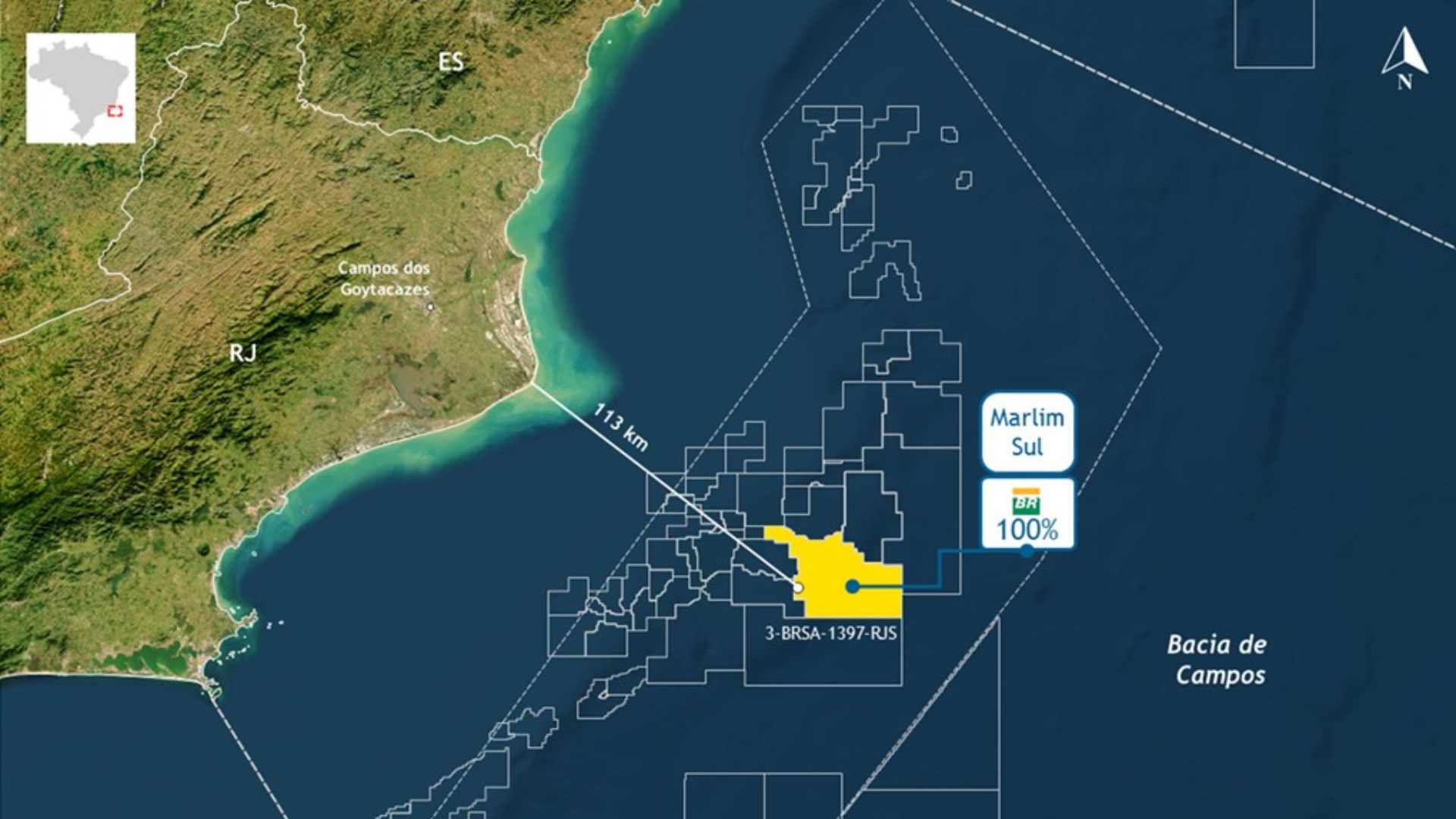
Petrobras finds high-quality oil in the pre-salt at 113 km from RJ and reignites expectations about strategic reserves in the Campos Basin.

-
Ocyan opens registrations for startups focused on innovation in the oil and gas sector and will select projects for Innovation Day with the support of Nexio.


The priority issue, therefore, is to increase the efficiency of sugarcane cultivation and ethanol production to reduce its price, as well as to make vehicles more economical and thus convince consumers to use the biofuel in their flex-fuel cars, as alcohol only has a financial advantage over gasoline in a few states in Brazil. Investing in ethanol is a matter of adjusting public policies.
Ethanol Has An Interesting And Renewable Cycle
Ethanol has an interesting and renewable cycle, that is, since it comes from sugarcane, CO2 is absorbed by the sugarcane plantation itself, which uses it for new alcohol productions, hence bringing benefits to the environment.
“In addition, there is the advantage of not requiring public and private investments in electric vehicles and charging systems. It is worth remembering that Mauá, in partnership with USP and ITA and with the support of Fapesp, is home to a research center in engineering that aims to improve efficiency in the use of biofuels. This places us in a strategic position regarding research for reducing greenhouse gas emissions in mobility,” reinforces the specialist.
Volkswagen Will Adopt Ethanol As A Source Of Electrification In Brazil And Considers Producing Vehicles With A Flex Hybrid Engine, Like Toyota
Following the steps of Japanese Toyota, Volkswagen states that it will adopt ethanol as the best path for the electrification of the national vehicle market and considers producing vehicles with a flex hybrid engine. Check Volkswagen’s strategy for the Ethanol market
During an event for the Brazilian press on Wednesday (28), the president of the automaker for Brazil and Latin America, Pablo Di Si, admitted that he will adopt ethanol for sustainable mobility in the national market. According to the executive, it is not enough to look only at the car’s exhaust; it is necessary to understand the system as a whole.
Di Si mentions the pollution caused by electric cars when considering the entire chain. According to research conducted by the Sugarcane Industry Union (UNICA), while a fully electric vehicle can emit 54 g of CO2/km, a vehicle with a flex hybrid engine emits 37 gCO2/km. For the CEO of the institution, Evandro Gussi, currently, the most basic car that uses ethanol as fuel in Brazil is cleaner than any electric car in Europe.
According to the director, it is not a matter of “electric car versus ethanol,” but rather “electric car plus ethanol.” The director states that the transition process to electric cars brings some advantages and gains in terms of efficiency compared to combustion engines, but in Brazil’s case, it is also necessary to solve the problem of electric generation. According to Gussi, if the energy generation is not clean, with low carbon emissions, the problem has not yet been solved.









Seja o primeiro a reagir!