





 English
  Francês
  Alemão
  Italiano
  Japonês
  Norueguês
  Portuguese
  Spanish
  4 min of reading


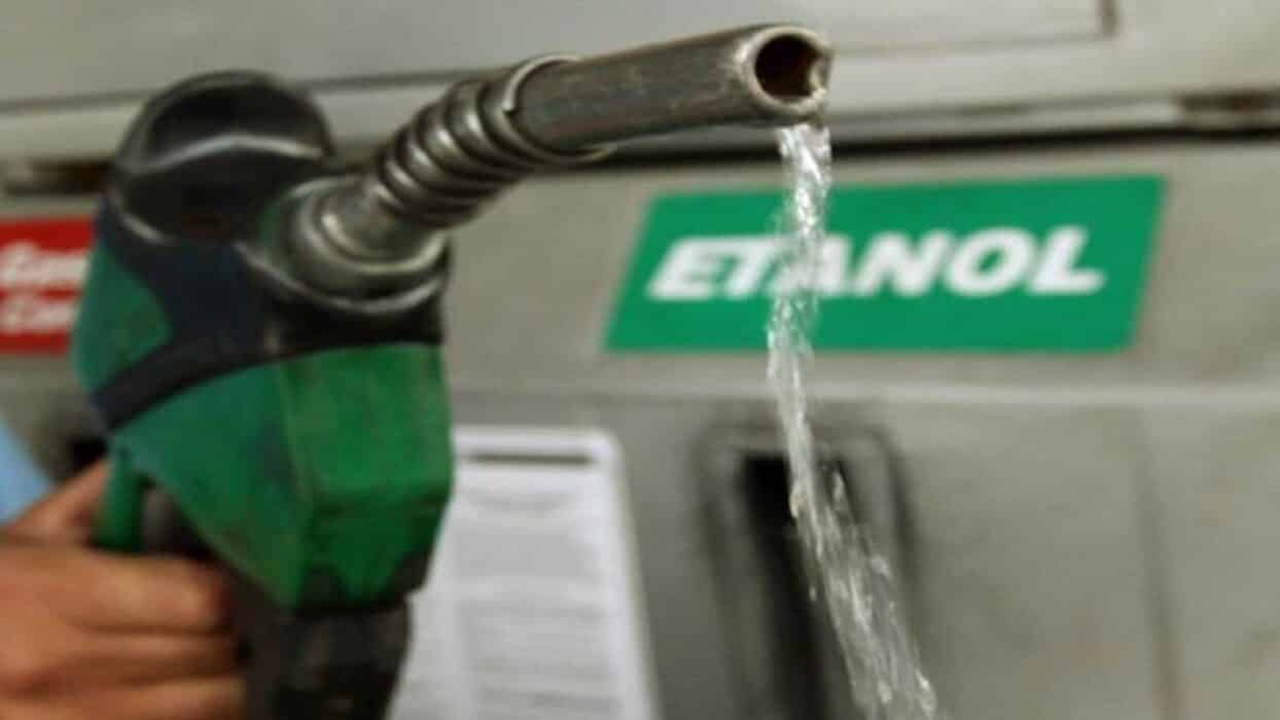
Direct Sale of Ethanol from Mills Approved by CCJ, Promises to Stimulate Competition and Curb Gasoline Price Increases at Fuel Stations
With gasoline prices frequently rising, ethanol has become an alternative for drivers looking to save on fuel costs. From the sugarcane mill to the pump, the fuel goes through about 10 processing stages and two types of fuels are produced: hydrated and anhydrous.
Read Also
- China Challenges Google and Builds the Most Powerful Quantum Computer in the World
- Demand for Diesel, Gasoline, and Ethanol Increases Even with High Fuel Prices in Brazil
- Job Openings for Elementary, High School, and Higher Education Are Open Today (07/08) for Work at Ethanol Mill
- Gasoline Price Soars 25.48% in the First Half; The Fuel Completed 13 Months of Consecutive Increases and It Is Worth Replacing with Ethanol
- World’s First 3D Printed Steel Bridge, Made of 4500kg of Stainless Steel, Aims to Revolutionize Civil Construction, Infrastructure, and Global Architecture
- Gasoline, Diesel, and Cooking Gas Prices at Record Highs Do Not Prevent Petrobras from Increasing Fuel Prices Even Further This Tuesday (07/06), Which Starts with a Punch to Consumers’ Pockets
- Audi and Bentley Cars from the Volkswagen Group Will Get the New Premium Platform Electric (PPE) Chassis Architecture from the Electric Porsche Macan — The Luxury Car That Will Lose Its Powerful Gasoline Engine
What Are Anhydrous, Hydrated Ethanol, and Alcohol? See the Difference Below:
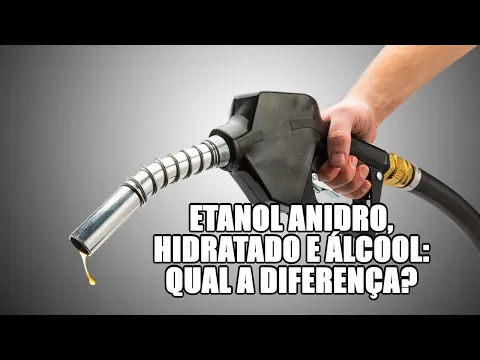

From Ethanol Mill to Fuel Stations
/i.s3.glbimg.com/v1/AUTH_59edd422c0c84a879bd37670ae4f538a/internal_photos/bs/2021/F/H/Rhx2YcTbCMLPcmvuYVeQ/alcool-tipos-.jpg)
There are about 10 different types of sugarcane that are planted, and the choice of variety is made according to the concentration of sugar in the cane, focusing on the production of two products. After being harvested in the field, it is taken to the mills, where more than 18 tons of cane are produced per day.
At the mill, the cane undergoes the milling process to produce sugar and ethanol. About 55% of the production is destined for sugar production, and the remaining 45% is used to produce ethanol. In total, more than 10 different processes and about 36 hours are needed to produce the fuel.
-
While Russia dominates the global wheat market, Brazil emerges as an unexpected competitor in the Cerrado, offering grain available in July and August when stocks in the Northern Hemisphere are at their lowest point of the year.

-
China returned almost 20 Brazilian ships with soybeans, but now everything could change: the country that buys 80% of the grain is considering relaxing regulations after impurities held up shipments of thousands of tons and caused million-dollar losses.
-
Chinese giant worth nearly R$ 4 billion that manufactures cables for electric cars, solar energy, and robotics wants to open a factory in SC.

-
Many employers do not know, but the law guarantees domestic workers a 25% increase in salary during trips, 50% for overtime, 20% for night shifts, and 17 additional benefits that can lead to labor lawsuits if not paid.


The ethanol consumed by cars is the hydrated type, which consists of 92% alcohol and 8% water. The anhydrous type, in turn, goes to the refinery and is part of the gasoline composition. Both fuels are used to fuel vehicles, but in different ways.
Brazil Will Face a Dilemma with Electric Cars in 2030. What to Do with So Much Ethanol Since the Country Is the World’s Largest Producer of This Biofuel?
Brazil, the world’s leading producer of ethanol, is about to flood the global sugar market because the country’s transition to electric vehicles will reduce demand for agricultural-based biofuels, according to a study led by Soren Jensen, an influential industry executive, in conjunction with Mariana Perina Jirousek.
The demand for ethanol in Brazil is likely to begin decreasing in 2030 as electric vehicles become more popular, said Soren Jensen, who was previously the operational director of the world’s largest sugar trading company, Alvean, and conducted the study along with Mariana Perina Jirousek. This situation will leave Brazil’s mills — the world’s largest exporter of sugar — with no choice but to produce more sugar instead of ethanol.
The arrival of electric cars in the country represents a setback for the global sugar market. The negative effects of global surpluses of the product and lower prices will be felt in places like Thailand and India, where the cost of production is higher. It is also a setback for companies like Brazil’s largest ethanol producer, Raízen Energia, and BP, which recently expanded their biofuel production capacity.
Brand Loyalty at Fuel Stations Will End and Selling Fuel via Delivery Will Be Allowed; Measure Promises to Reduce Gasoline Prices by Stimulating Competition
The ANP held Public Hearing No. 07/2021 on July 7, regarding the draft resolution that changes the regulatory framework for retail fuel resale activities in Brazil. The agency’s idea is to end brand loyalty at fuel stations and authorize the sale of fuel via delivery. The new measure promises to stimulate competition, and the price of a liter of gasoline could be up to 50 cents cheaper, easing the financial burden on Brazilians.
Among the topics addressed are: regulatory oversight of brand loyalty; fueling outside authorized resale facilities; the possibility of canceling operation authorization due to the removal of interdiction seals; and the way prices are displayed on panels and measuring pumps.
See more information about the proposal at this link. Also access the Public Consultation and Hearing page No. 07/2021:
Brand loyalty for gasoline would become the consumer’s choice, rather than a regulatory obligation that currently gives the ANP the role of overseeing private contracts.







Seja o primeiro a reagir!