





 Português
  Inglês
  Espanhol
  3 min de leitura


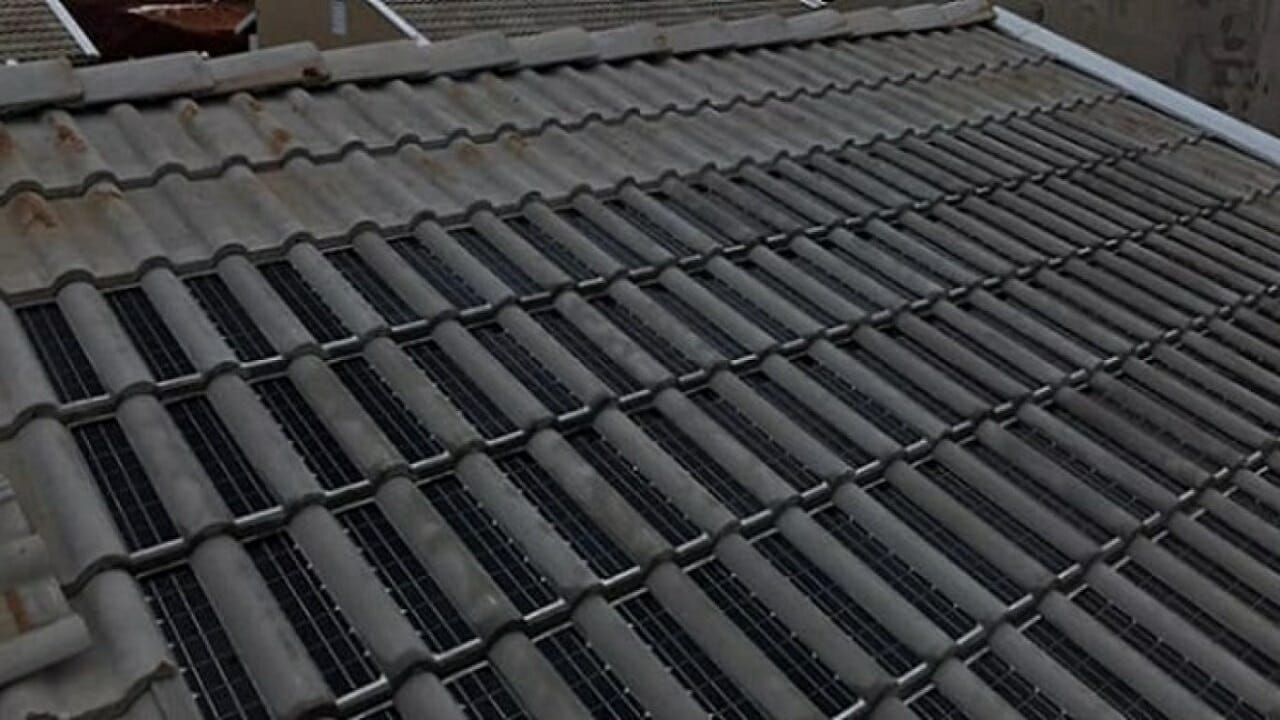
Eternit Is Launching Its New Wavy Solar Roof Tiles That Promise Energy Savings on Electricity Bills, Being a Great Option for Those Seeking to Use Renewable Energy.
Eternit, a Brazilian company with over eight decades in the construction materials market, recently launched its newline of fiber-cement photovoltaic tiles. According to the company, the solar tiles in the Eternit Solar line are interchangeable with common fiber-cement tiles and have a power output of 142 Wp per unit.
New Wavy Solar Roof Tiles Promise Attractive Design and Savings on Electricity Bills
The launch of Eternit’s solar tiles is an essential step for the company, which is undergoing a judicial recovery process. The initiative is also perfect for those looking fornew renewable energy options for their business or home, given that the solar tiles can be a great way to obtain solar energy without compromising the aesthetics of the property.
In practice, the wavy solar tiles act like solar panels, converting sunlight into electricity. The difference is that the tiles are made from transparent material, allowing sunlight to be transformed into electricity while illuminating the environment during the day.
-
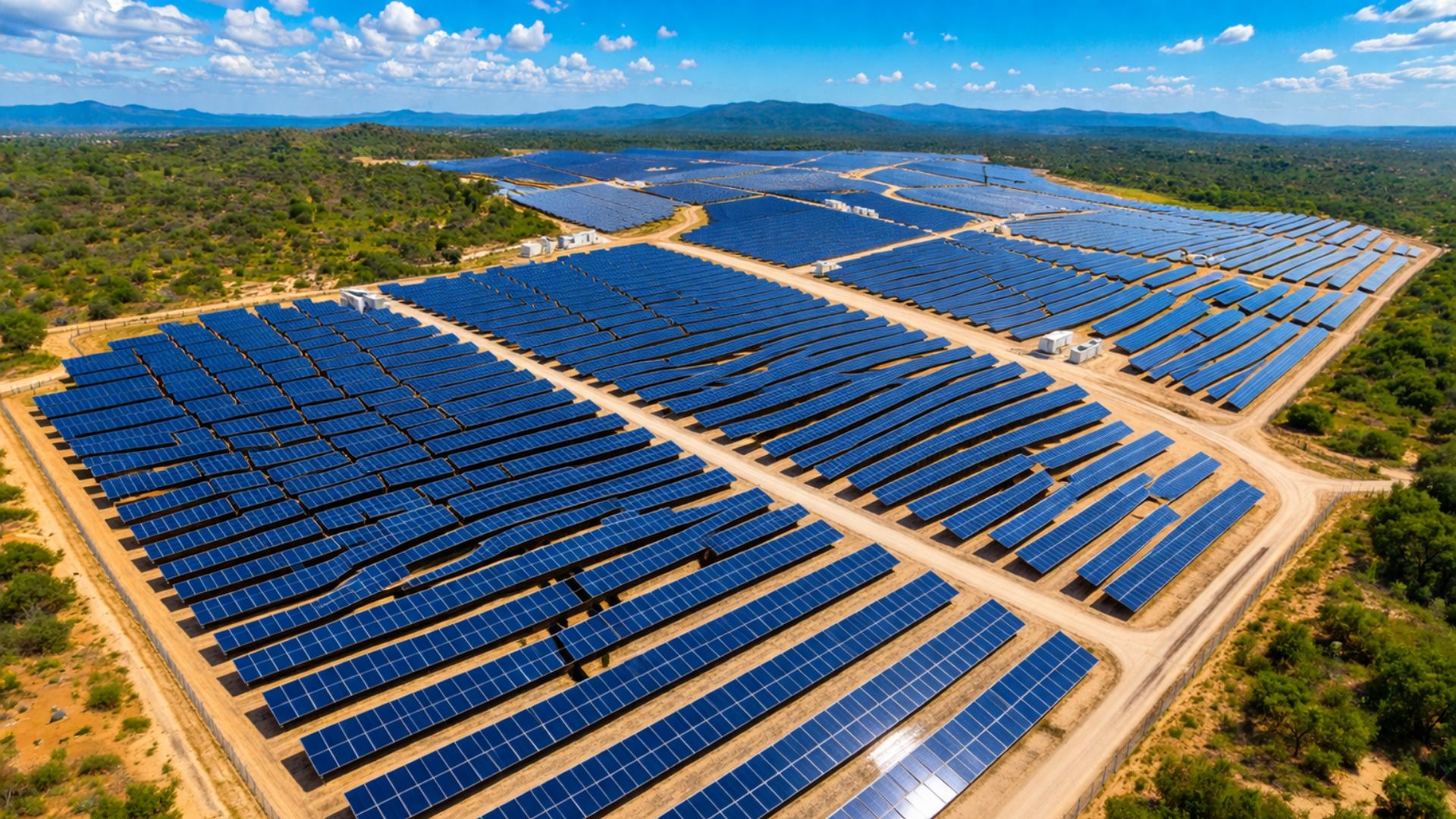
The Sol do Agreste Photovoltaic Complex begins operations in Pernambuco and accelerates the expansion of solar energy in Brazil, directly impacting the reduction of emissions and strengthening the sustainable energy matrix.
-
The Sol do Agreste Photovoltaic Complex begins operations in Pernambuco and accelerates the expansion of solar energy in Brazil, directly impacting the reduction of emissions and strengthening the sustainable energy matrix.
-
Renewable energy advances over protected areas in Brazil, and a survey by the Energy Transition Observatory reveals silent impacts that challenge environmental conservation and pressure sensitive traditional territories.

-
Rio Grande do Sul accelerates energy transition: State invests in renewable technologies and consolidates decarbonization strategies and pathways to attract billions in new industrial investments.


This way, it is possible to generate renewable and clean energy without powering the property or sending excess energy to the power grid, generating credits for later use. Additionally, the new wavy solar tiles are strong and durable, meaning they can last for years without requiring maintenance.
The launch of the new fiber-cement solar energy tile by Eternit could represent a significant advance in the national solar energy market, as the company is one of Brazil’s main manufacturers of construction materials and has an extensive distribution network, which can facilitate access to photovoltaic tiles for a broader audience.
Eternit Has Already Undertaken Other Fiber-Cement Projects
Furthermore, Eternit already has an extensive history with fiber-cement, a material used in roof tiles, wall panels, water tanks, and other products of the brand. With the photovoltaic tiles, the company is taking an essential step toward renewable energy, without losing sight of its tradition in the construction materials market.
Overall, the launch of Eternit’s wavy solar tiles into the market is great news for those looking to invest in solar energy, a clean and renewable source that contributes to sustainability and reduces electricity bills. Additionally, the initiative is a great example of how ordinary companies can adapt to market changes and provide more sustainable and innovative products.
Other Models from Eternit


Eternit announced its new launches in January of this year, called BIG-F10C, BIG-F15, and PLANA-F15. These products aim to complement the company’s portfolio, which has been investing in research and development of sustainable and innovative solutions.
At that time, Eternit obtained registration with Inmetro for its new models of tiles in the Tégula Solar line, which offer easier installation and higher power compared to the first solar tile approved by the company in 2019.
According to Luiz Lopes, Eternit’s New Business Development Manager, with the BIG-F10, the company will cater to a larger number of roofs already created, especially where the BIG tile from the Tégula line has already been installed, with a lower height than the standard of 40.5 cm.
The executive further states that the company will serve these customers without needing changes to the raftering. The BIG-F11 tile is an advancement of the BIG-F10, as the new version consists of a product that is 20% more powerful compared to the first one of 11 Wp.










Seja o primeiro a reagir!