





 Portuguese
  English
  Spanish
  4 min of reading
  0 comments


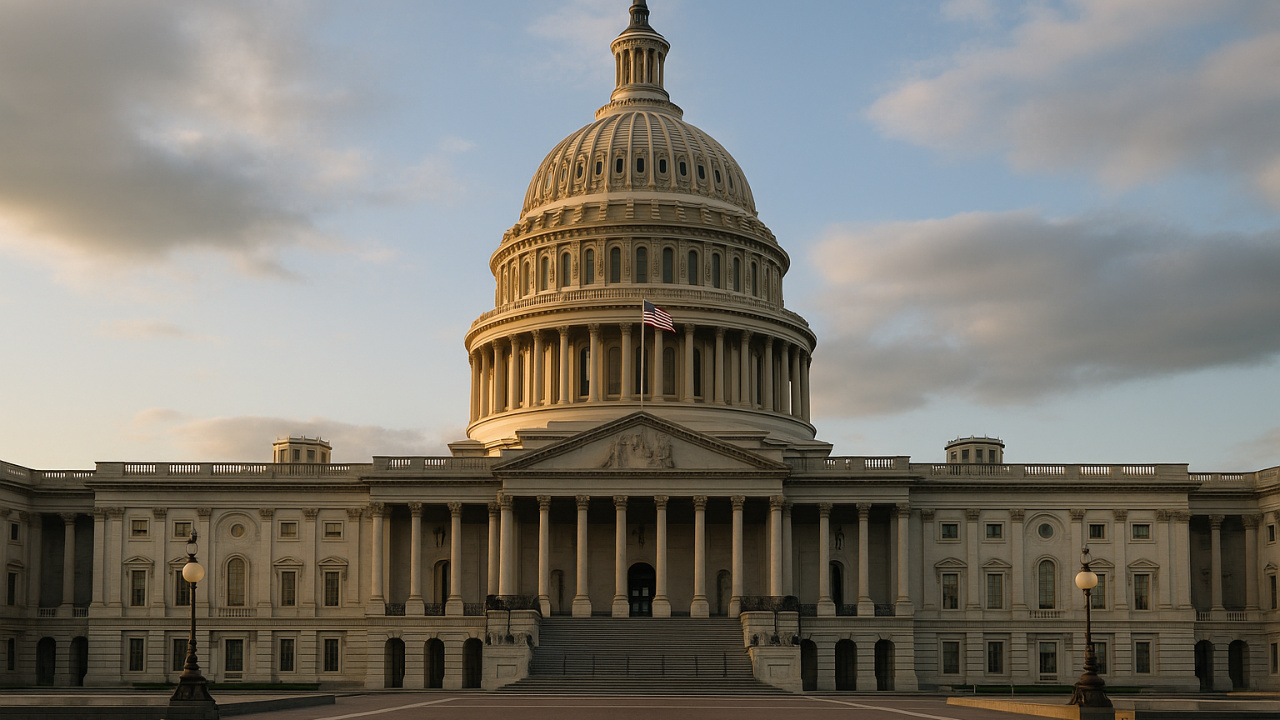
New Entry Rules in the USA Include Social Media Analysis in the ESTA and May Affect Brazilian Tourists in the Future.
The United States government has introduced a new proposal to reinforce entry rules into the USA, with a direct impact on international travelers and special attention to Brazilian tourists in the USA.
The measure was announced in 2025 by the Department of Homeland Security (DHS) and by Customs and Border Protection (CBP), through an official publication in the Federal Register.
The initiative provides for the expansion of the ESTA travel authorization requirements, including the mandatory submission of social media history in the ESTA for the past five years, as well as personally sensitive data.
-
If the USA were to go to war with Brazil, Washington’s greatest fear would not be the attack itself, but facing a vast territory, prolonged resistance, and a costly, chaotic, and unpredictable occupation.

-
In 2013, Nicaragua sold the concession for a canal to rival Panama to a Chinese billionaire who lost 85% of his fortune, disappeared, and was declared bankrupt. Now the project resurfaces with a new route, a new Chinese partner, and a cost of $64.5 billion.

-
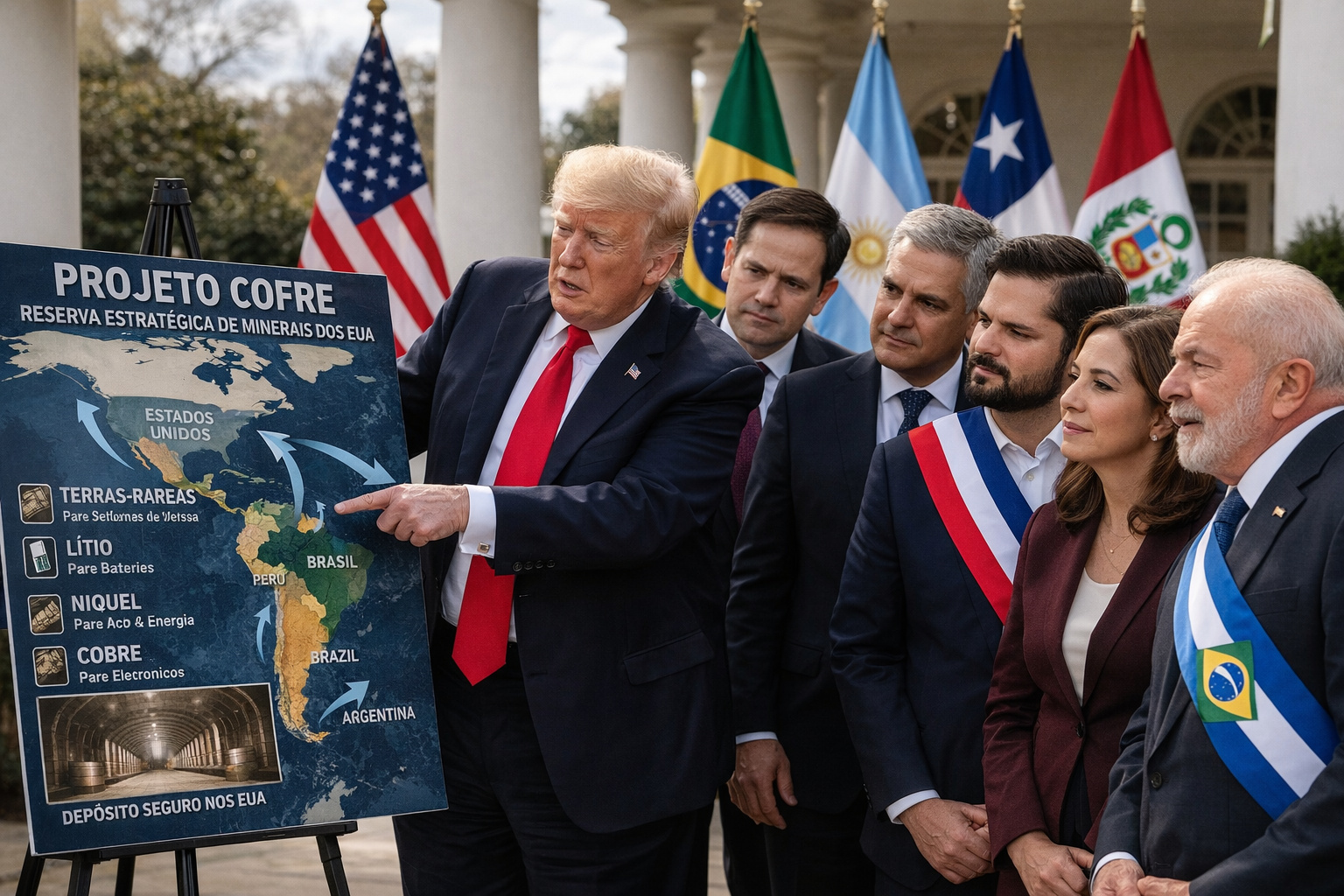
The USA announces a mysterious billion-dollar vault project to store critical minerals, but what intrigues experts is not just the plan itself, but why Latin America, including Brazil, has entered the center of this global dispute against China.
-
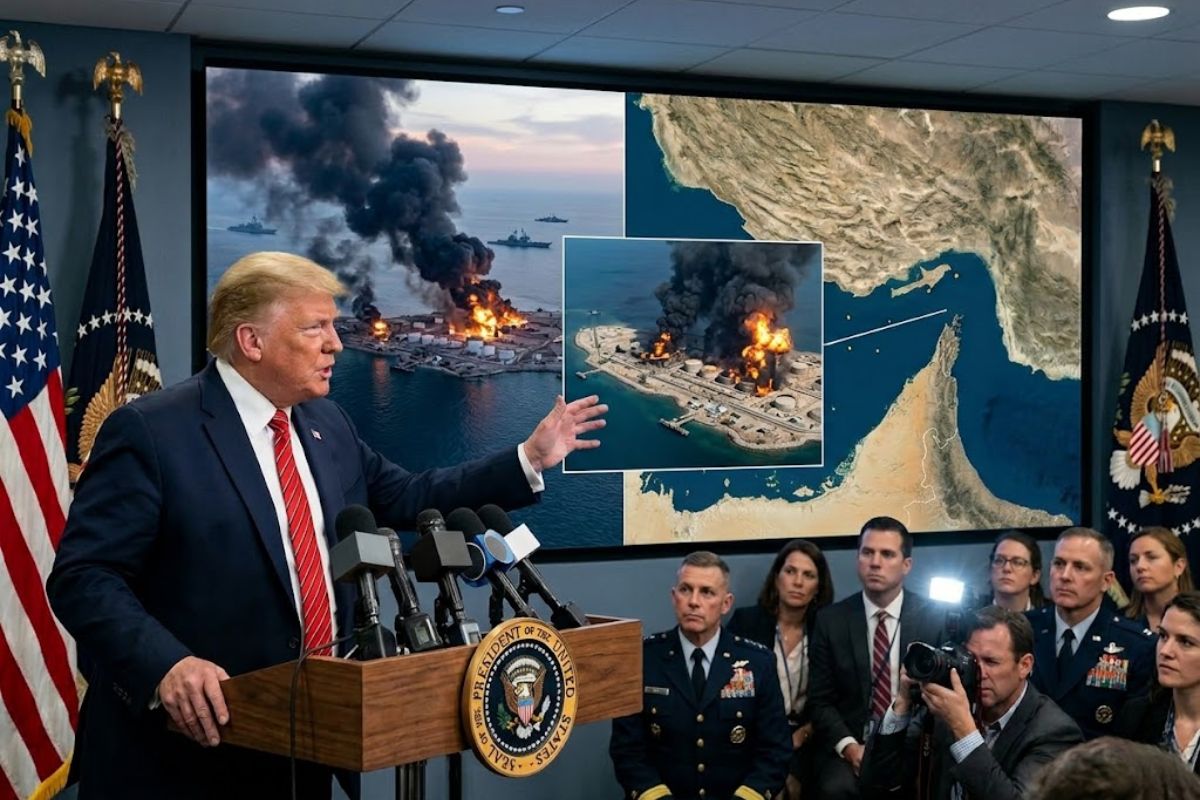
Trump Announces Bombing of U.S. Military Targets on Iranian Island Responsible for About 90% of Iran’s Oil Exports, Warns of Further Attacks if Navigation in Strategic Strait of Hormuz Is Threatened

The proposal is part of a strategy to strengthen US border security, a policy advocated by President Donald Trump, who returned to the White House this year.
According to him, the goal is to allow the entry of visitors, but with greater preventive control. “We want people to come, but safely.
We want to make sure we’re not letting the wrong people in,” the president stated.
What Changes in the Entry Rules in the USA
The new entry rules in the USA directly affect travelers using the ESTA system (Electronic System for Travel Authorization).
This mechanism allows citizens from 42 countries to enter the United States for up to 90 days without the need for a traditional visa.
Although Brazil is not yet part of the visa waiver program, the discussion is relevant for Brazilian tourists in the USA, as the issue of Brazil’s accession to the ESTA remains under diplomatic negotiation.
If the country advances in this process, the new requirements could directly affect millions of travelers.
Currently, the ESTA form already requests information such as passport data, date of birth, and any criminal records.
Since 2016, there has been an optional field to provide social media profiles. With the proposal, this item would become mandatory.
Social Media in the ESTA Now Play a Central Role
Among the most sensitive points of the proposal is the requirement to provide the complete social media history in the ESTA for the last five years. Furthermore, travelers would need to provide a series of new personal data.
The list of required information includes:
Complete social media history for five years
Phone numbers and email addresses used in the same period
Data of close family members, such as names, dates, and places of birth
Addresses and contacts associated with the last five years
According to the DHS, the expansion of data collection will allow for a more detailed analysis of profiles before granting entry authorization, helping to identify potential risks to US border security.
Impacts for Brazilian Tourists in the USA
Even without integrating into the ESTA, Brazilian tourists in the USA are closely following the proposal.
The eventual entry of Brazil into the visa waiver program could facilitate short-term travel but also impose a higher level of digital scrutiny.
Experts assess that the requirement may create insecurity among travelers who value privacy, as well as require greater care with information published in digital environments.
Meanwhile, airlines and tour operators are observing possible effects on international flow.
Criticisms of the Proposal and Concern About Privacy
On the other hand, organizations related to data protection and digital rights point out significant risks.
For these specialists, the requirement for social media in the ESTA may represent an excessive barrier and open the door to subjective interpretations of content published online.
Analysts also warn that increased bureaucracy may discourage visitors, especially at a strategic moment for the country.
The United States will host two major global events in the coming years: the 2026 Men’s World Cup, held in conjunction with other countries, and the 2028 Los Angeles Olympics.
Trump Downplays Impact on International Tourism
Despite the criticisms, President Donald Trump expressed confidence that the changes will not reduce interest in the country. “I’m not worried.
We’re doing very well,” he declared. “We just want safety.”
The proposal remains in a public consultation period, which means it may still be adjusted before its potential implementation.
If approved in its current form, it will represent one of the most significant changes in recent years to the ESTA travel authorization process and entry rules into the USA, with direct effects on global tourism.










Seja o primeiro a reagir!