





 Portuguese
  English
  Spanish
  3 min of reading
  13 comments


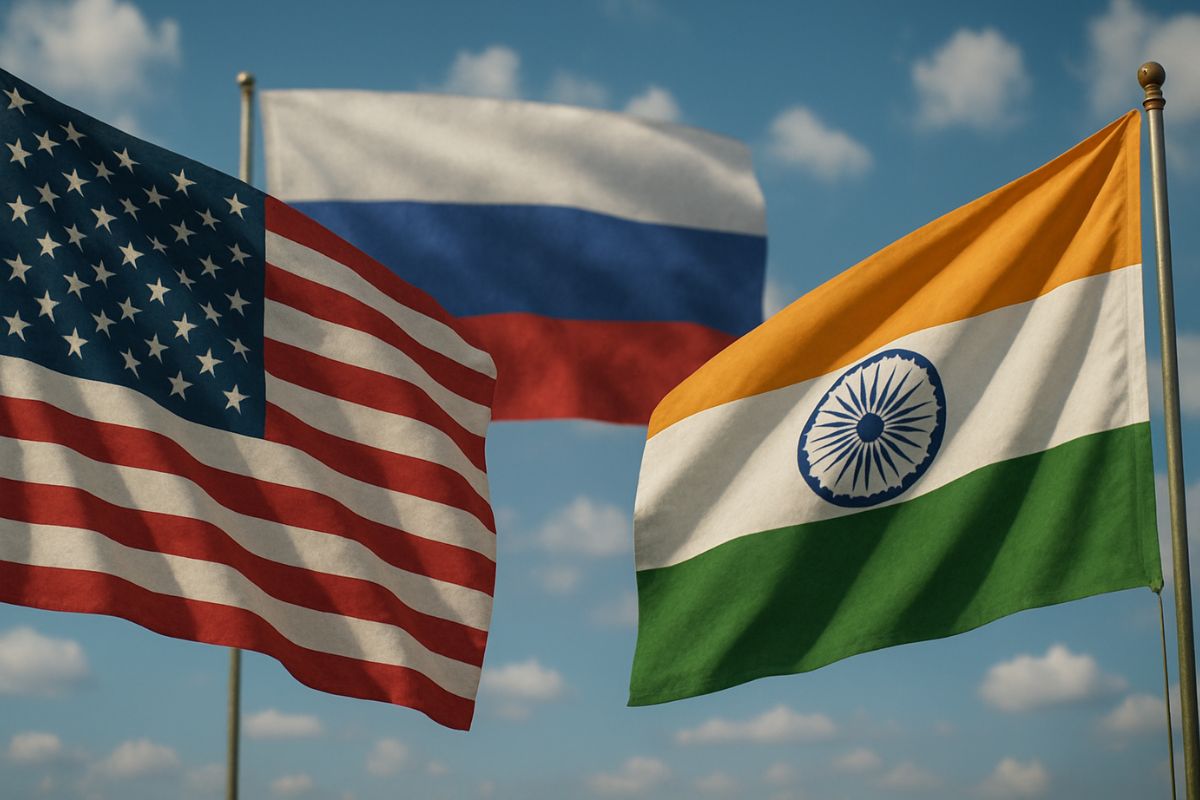


U.S. Confirm The Start Of Additional 25% Tariffs On India, With Exemption List. Measure Takes Effect This Wednesday And Is Linked To Delhi’s Relationship With Russian Oil.
The Estadão reported that the U.S. Confirm The Start Of Additional 25% Tariffs On India Starting This Wednesday (27). The measure, enacted by Donald Trump on August 6, will be published in the Federal Register and represents another step in the American economic pressure policy on countries that maintain trade relations with Moscow.
According to the U.S. government, the surcharge is justified because India is allegedly importing Russian oil directly or indirectly, contradicting existing national emergency decrees regarding the war in Ukraine. For Washington, this action is essential to “deal more effectively” with what it classifies as an unusual and extraordinary threat represented by Russia.
What Changes With The Additional 25% Tariffs
In practice, all Indian products exported to the U.S. will now pay the additional 25%. However, the American government has established a series of exceptions to reduce immediate economic impacts, especially in sectors deemed strategic or already regulated by other tariff regimes.
-
Brazil produces too much clean energy and doesn’t know what to do with it: over 20% of solar and wind capacity was wasted in 2025 while investors flee and 509 renewable generation projects were abandoned in the last year.

-
Piauí will produce a new fuel that replaces diesel without needing to change anything in the truck’s engine and reduces pollutant gas emissions by half: truck drivers from all over the Northeast are already celebrating the news that will arrive later this decade.

-
A new Brazilian shopping center worth R$ 400 million will be built in an area equivalent to more than 4 football fields, featuring 90 stores, 5 cinemas, a supermarket, a college, and parking for 1,700 cars, potentially generating 3,000 jobs.

-
Larger than entire cities in Brazil: BYD is building a 4.6 km² complex in Bahia with a capacity for 600,000 vehicles per year, but the discovery of 163 workers in conditions analogous to slavery has shaken the entire project.


Among the exempt items are iron, steel, aluminum, and copper products, in addition to passenger vehicles, light trucks, and their parts. The text also provides for the exclusion of humanitarian donations, such as food, clothing, and medicines, and cultural and informational materials, such as films, publications, and works of art.
Impacts On The Indian Economy
Experts assess that the measure could create significant pressure on Indian exporters, as the U.S. is among the main destinations for the country’s products. India is a major supplier of textiles, chemicals, pharmaceuticals, and industrial components, sectors that may immediately feel the impact of the surcharge.
Moreover, millions of small producers and workers in the export chain may be affected. Analysts consulted by the Estadão warn that Trump’s decision threatens the livelihoods of entire sectors, jeopardizing jobs and competitiveness.
Relationship Between India, Russia, And The U.S.
The backdrop of this dispute is India’s energy dependence on Russian oil, which has intensified since the beginning of the war in Ukraine. New Delhi has sought to increase its energy imports from Moscow at lower prices, which displeases Washington.
At the same time, India is part of the BRICS group, alongside Brazil, Russia, China, and South Africa, a bloc that has been seeking alternatives to the U.S.-dominated financial system. For the U.S. government, maintaining tariff pressure is also a way to influence geopolitical decisions in a scenario of strategic disputes.
With the U.S. confirming the start of additional 25% tariffs on India, trade tensions take on a new chapter and expand the collateral effects of the war in Ukraine on the global economy. The impact is felt not only by large exporters but also by millions of small Indian producers.
Do you think this American pressure will make India reconsider its energy partnership with Russia or merely strengthen the BRICS alliance? Leave your opinion in the comments — we want to hear your analysis on this scenario.







Isso só vai fortalecer a aliança econômica do BRICS. A verdade é que muitos países emergentes estão buscando outras formas de negociação econômica, deixando de ser totalmente dependente da economia americana. Acredito que, além do BRICS, outras alianças econômicas surgirão. É o declínio inevitável do império econômico americano. De forma gradual e irreversível.
As questoes politicas no Tarifaço é apenas Pano de fundo. EUA estão preocupados com crescimento Chinês na economia mundial.Ainda mais com a conversa dos países que integram o Brics dizerem de criar nova moeda.
Ai azedou de vez.
China, Índia, África Sul, Brasi, Rússia e agora com inclusão de alguns países do Oriente médio, o bloco ficou ainda mais forte!!
A Índia baixou impostos internos e investe pesado em sua economia. Simples!