





 Portuguese
  English
  Spanish
  3 min of reading
  11 comments


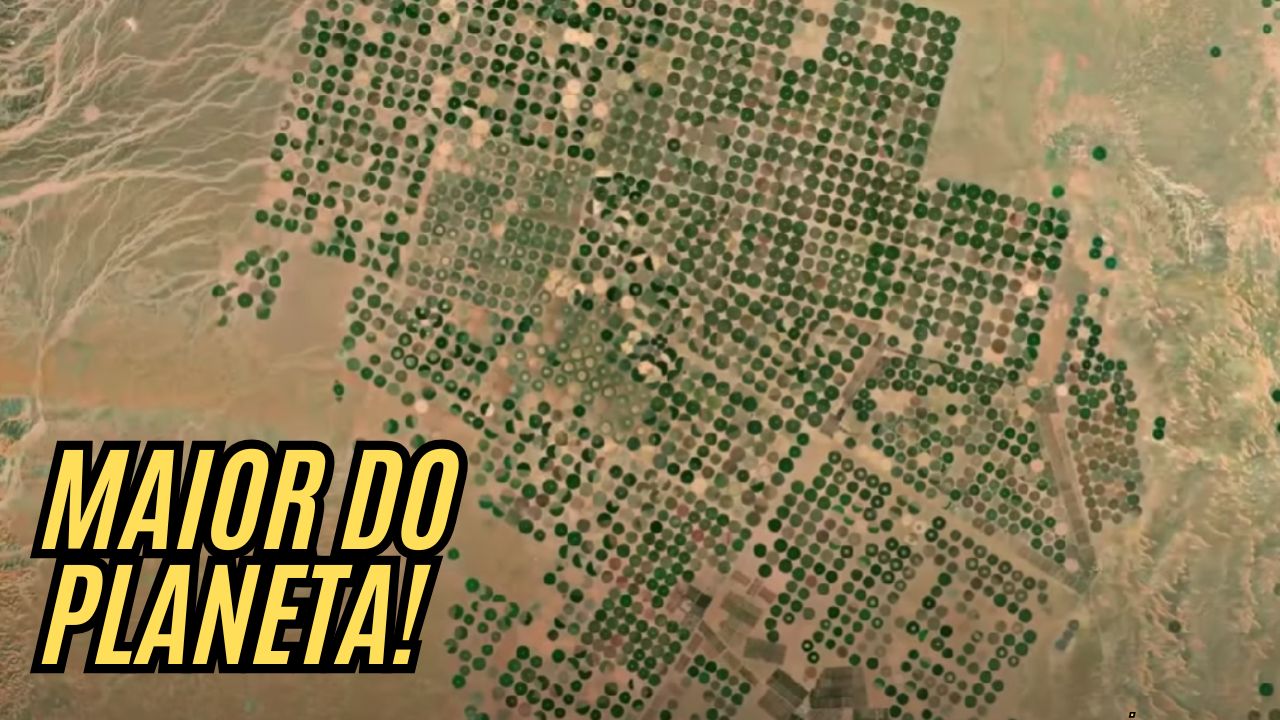


Nebraska Becomes a Global Reference with the Construction in the U.S. of One of the Most Innovative and Sustainable Agricultural Infrastructures Ever Seen.
In the vast and nearly endless fields of Nebraska, United States, an unusual landscape catches the eye: perfect circles of irrigated land that seem straight out of a science fiction movie. This image, blending technology and nature, is the largest irrigation system in the world.
Thanks to the construction in the U.S. of the largest irrigation system in the world, Nebraska has transformed from an arid region into one of the world’s largest agricultural powerhouses, supplying global markets with corn, soybeans, and other essential products.
How Did the Largest Irrigation System in the World Come About?
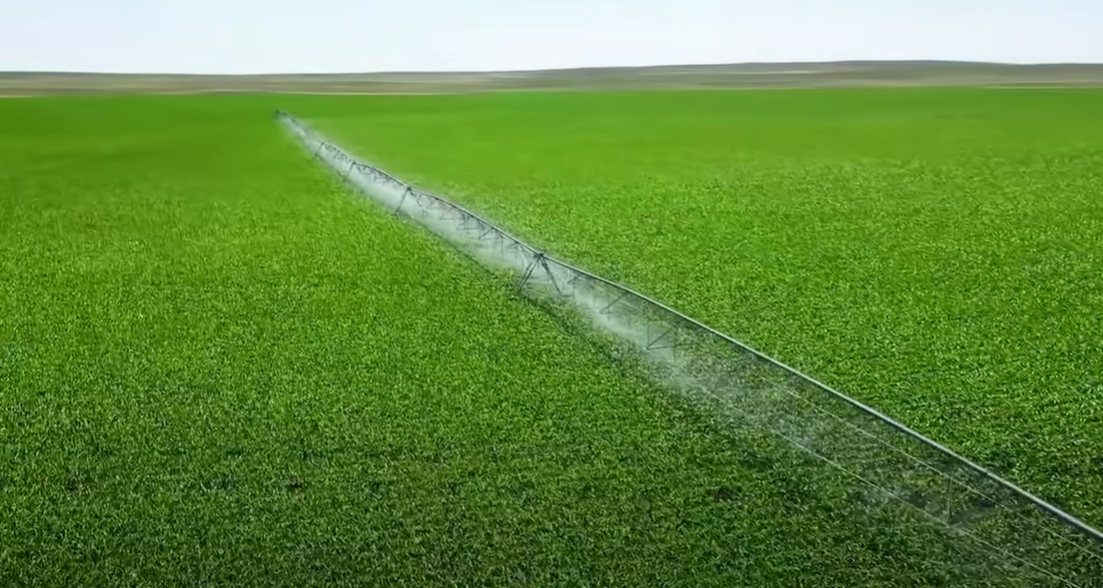
The revolutionary idea began to take shape in the 1930s when farmers faced a combination of severe drought and unproductive soils. The solution came from the land and water: the use of the Ogallala Aquifer, one of the largest underground freshwater reserves on the planet. However, the major leap only occurred in 1940 with the invention of the center pivot irrigation system by Frank Zybach.
-
New CCR concrete paving technology promises roads up to 3x more durable, less maintenance, and cost reduction in Brazil.
-
Made from recycled plastic, plastic wood is gaining space in the construction industry because it does not rot, resists moisture, and reduces maintenance costs over the years.

-
Florianópolis will receive a million-dollar BRT that will begin construction in 2026 with nearly 400 million in funding from the federal government and the Inter-American Development Bank, and the map already shows the routes for the exclusive bus corridors.

-
Without a blueprint, without an engineer, and using scrap from the dump, a father spends 15 years building an 18-room castle for his daughter, featuring tram tracks, 13 fireplaces, and over 700 m², which may now be demolished.

This technology allowed for the uniform and sustainable irrigation of large areas, revolutionizing local agriculture. Today, Nebraska has about 55,000 center pivots, many with radii exceeding 1 km, responsible for transforming arid lands into productive fields.
Construction in the U.S.: Challenges and Innovations
The project faced technical and environmental barriers. How to manage a finite resource like the Ogallala Aquifer? The answer came with water conservation practices, moisture sensors, and automated technologies that ensure precise water usage.
The construction of the largest irrigation system in the world required meticulous planning, soil studies, and significant investments in infrastructure. Metal towers, durable pipes, and powerful pumps were installed to ensure the system’s efficiency, overcoming challenges like storms and constant maintenance.
Global Impacts and Lessons for the Future
The construction in the U.S. of the largest irrigation system in the world positioned Nebraska as an agricultural giant, supplying not only the United States but also international markets. In addition to increasing global food security, the project generated jobs, boosted the local economy, and transformed rural communities.
On the other hand, the intensive use of the Ogallala Aquifer raises concerns about long-term sustainability. To mitigate risks, the state continuously invests in conservation technology and sustainable water resource management.
A Model for the World
The story of Nebraska and the largest irrigation system in the world is more than a technical success story: it is a lesson in resilience and innovation. At a time when food security and environmental sustainability are global priorities, the American model inspires other regions, such as Brazil, which faces similar challenges in the Northeast.
Meanwhile, Nebraska continues to advance, balancing agricultural development and environmental preservation, demonstrating that it is possible to transform natural adversities into global opportunities.









Pesquisem sobre o Mar de Aral, sobre o conflito de usos da água no rio Colorado.
Outra coisa, pesquisem também se alguém nos EUA tem propriedades de 50.000 hectares.
Equilíbrio ambiental? Parem com essa conversa de engana ****ide.
Lembro-lhes que a cotação de soja e milho no mercado internacional é controlada pela bolsa de Chicago. O preço da soja despencou em 2024. Uma super safra americana pode detonar com o “agro é pop”. E aí os produtores brasileiros vão adorar o capitalismo brasileiro que socializa o prejuízo DELES! Não será a primeira que isso irá acontecer.
Uma última sugestão de pesquisa: por que aconteceu a crise do café no Brasil, que faliu os barões paulistas?
Muito bom mesmo, daria certo no Brasil mais as terras se encontra nas mãos de meia dúzia de empresários,reforma agrária já.
Precisa ver como fica o lençol freático!