





 Portuguese
  English
  Spanish
  5 min of reading
  16 comments


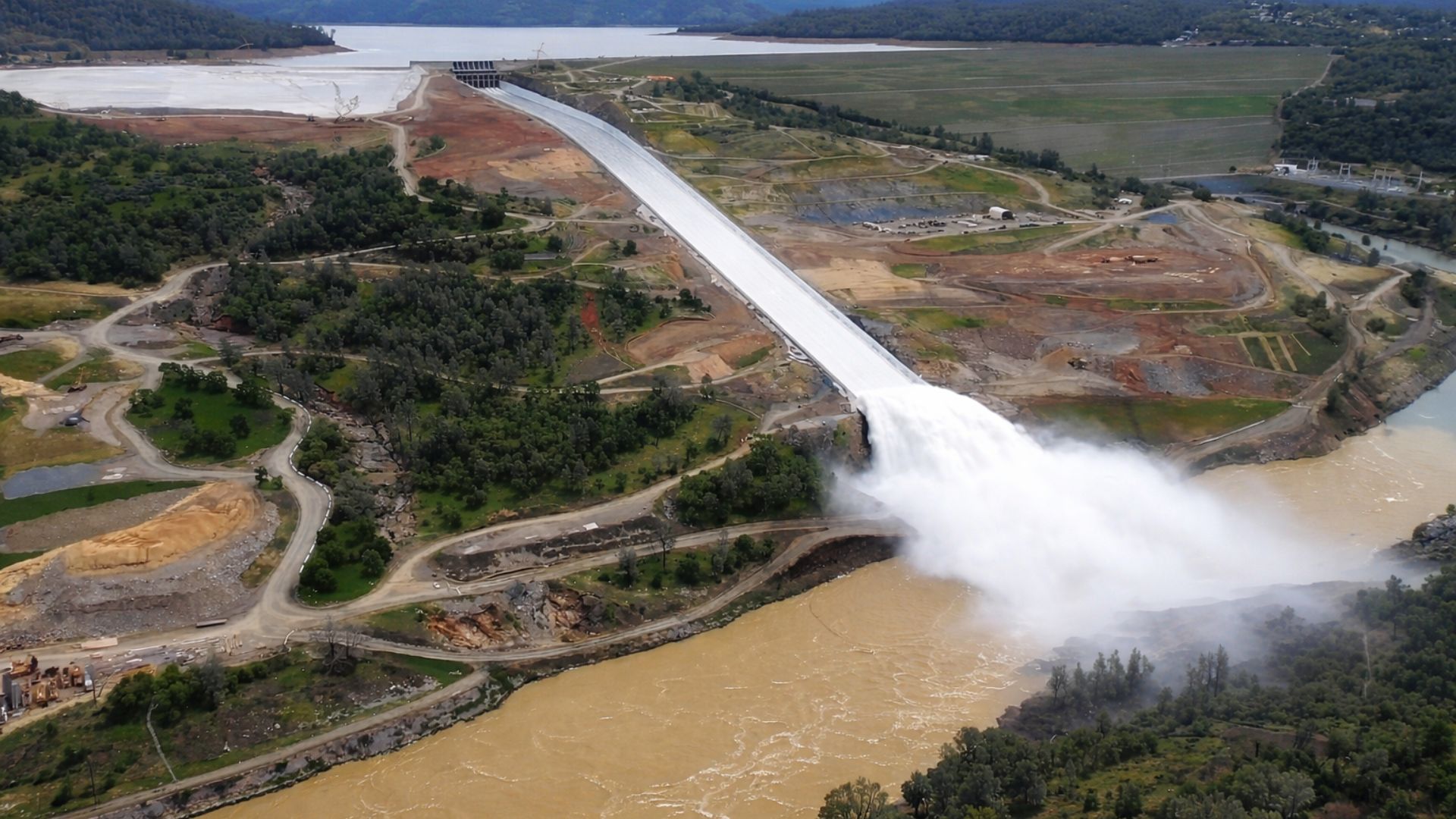


Mega Projects Connect Ocean, Reservoirs, and Reuse to Sustain Cities and Agriculture in California Under Prolonged Drought and Rising Costs.
California has ramped up its investment in large projects and new supply sources to reduce the risk of water shortages during prolonged drought periods, combining transfers through aqueducts, reservoir storage, desalination, and treated wastewater reuse to supply cities and agricultural areas.
Integrated Water System to Confront Drought
Instead of relying solely on rivers and aquifers, the state has begun to integrate alternatives that function as “layers” of water security, activated when natural supply decreases, with infrastructure connecting the Pacific coast to urban centers and the inland agricultural areas.
This reorganization has gained importance as the pressure for water accompanies the size of the California economy, which, according to data released by the state government itself, would position California among the largest economies in the world if compared to countries.
-
Friends have been building a small “town” for 30 years to grow old together, with compact houses, a common area, nature surrounding it, and a collective life project designed for friendship, coexistence, and simplicity.

-
This small town in Germany created its own currency 24 years ago, today it circulates millions per year, is accepted in over 300 stores, and the German government allowed all of this to happen under one condition.

-
Curitiba is shrinking and is expected to lose 97,000 residents by 2050, while inland cities in Paraná such as Sarandi, Araucária, and Toledo are experiencing accelerated growth that is changing the entire state’s map.

-
Tourists were poisoned on Everest in a million-dollar fraud scheme involving helicopters that diverted over $19 million and shocked international authorities.


In the countryside, demand intensifies because local agriculture plays a central role in supplying the United States, with significant contributions in fruits, nuts, and vegetables, increasing the need for water in regions where aridity is already part of the climate.

Uneven Distribution of Rainfall and Dependence on Snow
The distribution of precipitation helps explain why water transport has become part of the state’s daily life, as the north concentrates a significant share of the rainfall, while extensive areas in the south face drier conditions and rely on long transfers.
In addition to rainfall, California depends on snow accumulation in the Sierra Nevada, described by state agencies as a type of “frozen reservoir,” because the water stored in winter tends to feed rivers and supply systems in spring and summer.
On average, this snow accounts for about 30% of the state’s water needs, but studies and technical reports indicate that climate variability and warming make the behavior of this natural stock more unstable, with early melting in some years.
Driest Period in 1,200 Years Pressures Reservoirs
Part of the recent debate gained traction after research based on historical reconstructions indicated that the western United States underwent, between 2000 and 2021, the driest 22-year period in at least 1,200 years, raising warnings about persistent droughts.
When this pattern occurs, reservoirs lose predictability, rivers recede, and the recharge of aquifers becomes pressured, heightening competition between human consumption, irrigation, and environmental goals, with public decisions increasingly sensitive to cost and energy.

Desalination Advances with High Energy Consumption
In this context, water from the Pacific Ocean has begun to be treated as a complementary source, since the volume is practically unlimited, but the transformation into potable water depends on technology and energy, as well as disposal routes for the generated brine.
Due to its salinity of around 3.5%, seawater cannot be used directly, and therefore plants mainly rely on reverse osmosis, a process that uses pumps to apply high pressure and force water through semi-permeable membranes.
A prominent case is the Carlsbad facility in the southern part of the state, classified by regulators as the largest seawater desalination plant in the United States, with an average daily production of 50 million gallons of drinking water.
This volume is sufficient to meet a significant part of regional demand, estimated at about 10% of the drinking water needs of the served region, but remains limited when compared to California’s total consumption, which includes urban and agricultural use.
Cost of Desalinated Water and Environmental Challenges
Even supporters of the model recognize that desalination does not alone replace the existing system, because the final cost tends to exceed that of traditional sources, influenced by energy prices, equipment maintenance, and environmental requirements for coastal operation.
Organizations and analyses cited in public debates in California point out that frequently, desalinated water can cost two to four times more than alternatives such as import via aqueducts or conventional capture and treatment, varying by project.
Another recurring issue involves the disposal of concentrated brine, a byproduct of the process, which requires technical solutions to reduce impacts on the ocean, in addition to constant monitoring, which adds layers of cost and constrains regulatory licenses.

Aqueducts and Pumping Sustain Redistribution
Long before the expansion of desalination, the state consolidated a network of dams, channels, and aqueducts capable of transporting water for hundreds of miles, connecting reservoirs and basins in the north to dry regions in the south, in a logic of permanent redistribution.
In some sections, engineering relies on pumping stations to overcome elevation differences, and the California Department of Water Resources itself points out that, at the Tehachapi crossing, water can be elevated by 1,926 feet at the Edmonston Pumping Plant.
This type of operation helps explain why water management is also a discussion about electricity and tariffs, as maintaining the network and continuous pumping generate ongoing costs that return to the center of the debate during drought cycles.
Treated Wastewater Reuse Gains Strategic Space
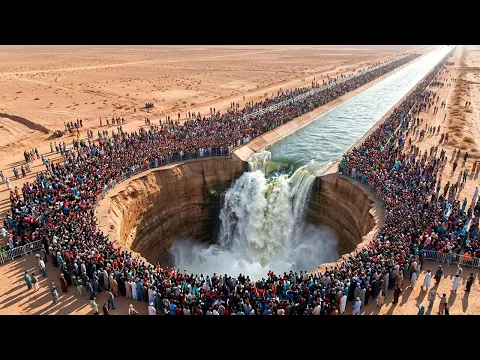

At the same time, treated wastewater reuse has gained ground as an alternative to reduce pressure on natural sources, with systems that remove solids, reduce organic load through biological processes, and, in advanced projects, may include membranes and reverse osmosis.
By transforming effluents into water suitable for specific uses, reuse also decreases the volume discharged into rivers and the ocean, but it relies on strict oversight, demanding sanitary standards, and operational costs that vary according to the level of treatment adopted.
Conflicts Over Priorities and Impact on Tariffs
With multiple sources in operation, public managers argue that diversification increases supply resilience, but the integrated design does not preclude disputes when supply decreases, especially between urban consumption, irrigation, and environmental preservation goals.
In this scenario, decisions regarding investments and usage rules need to balance water security and final consumer pricing because technically feasible solutions can become politically challenging if they raise tariffs to levels incompatible with income and agricultural competitiveness.
What combination of infrastructure, reuse, conservation, and distribution rules can sustain supply in California without making water bills heavier, especially for those with less financial margin to pay?









Eles poluem,desmatam , só pensam em dinheiro,a natureza cobra o preço da ganância
Mas quem anda a dizer que a massa liquida do dos oceanos é água? Os doutores de Oxiford e Yale, né? Ah, sim.
Se todos os cursos d’água fossem barrados ou desviados de saídas para os oceanos, o planeta se transformaria em um um novo mundo ou planeta Lodaçal e surgiria um clima absurdo e não classificável e imprestável…