





 English
  Francês
  Alemão
  Italiano
  Japonês
  Norueguês
  Portuguese
  Spanish
  3 min of reading


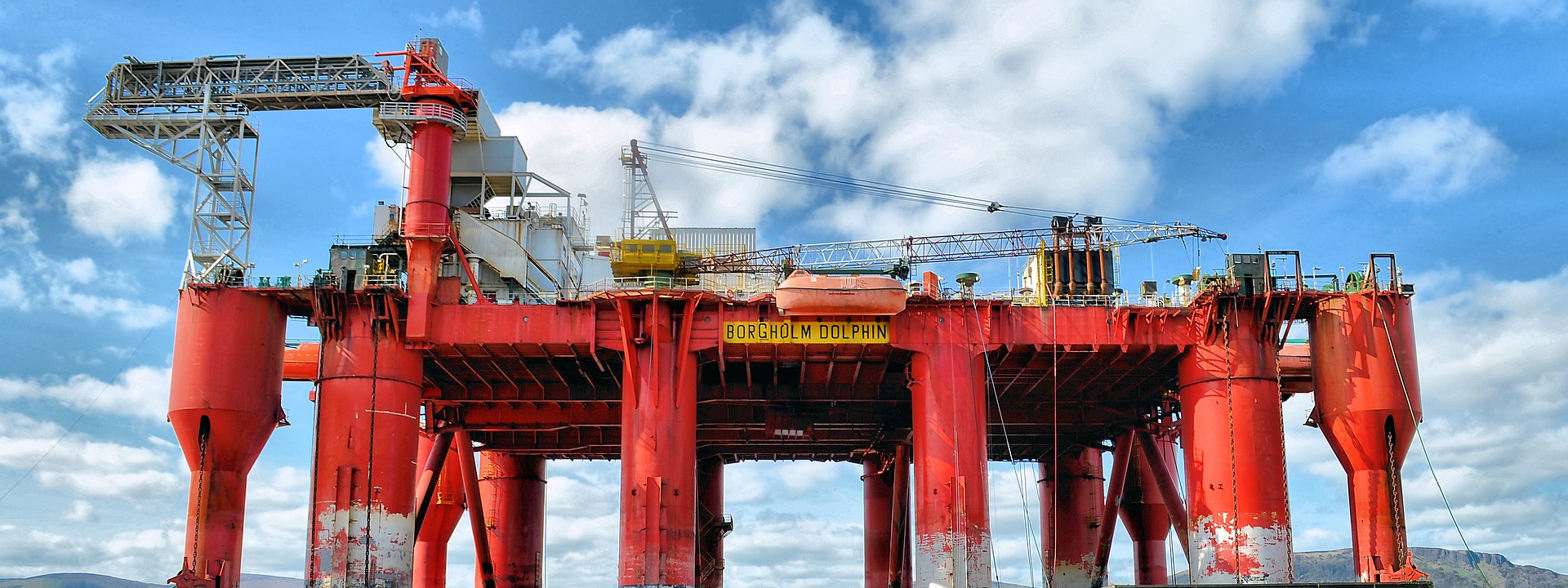
In 2019, numerous companies focused on oil refining for diesel production were closed. Since then, the United States (USA) began to invest massively in the production of biodegradable diesel, which would be used to meet the demands left by the market and, thus, carry out a brief price control. However, it is estimated that this will not be sufficient for the population and prices are expected to remain high.
The analysis of diesel production in the United States (USA) was shared by the Reuters portal on Tuesday, June 21. According to the newspaper, the country’s oil refining capacity has decreased exponentially over the last two years. With this in mind, they are converting the last closed plants with materials to produce a more natural and sustainable product for the environment.
The minimum investment for the sector in the coming years, with the 12 plants under construction, will reach US $9 billion. In total, it is estimated that the production from the plants should reach a range of 135,000 barrels per day. However, currently, they are producing only 85,000.
Diesel Production Capacity Falls By About 180 Thousand BPD
During the year 2019, diesel production capacity in the United States declined by at least 180,000 BPD. The data was shared by the U.S. Energy Information Administration. The Administration reportedly stated that one more plant is expected to close within a year, which could exponentially reduce productivity in the gas and oil category.
-
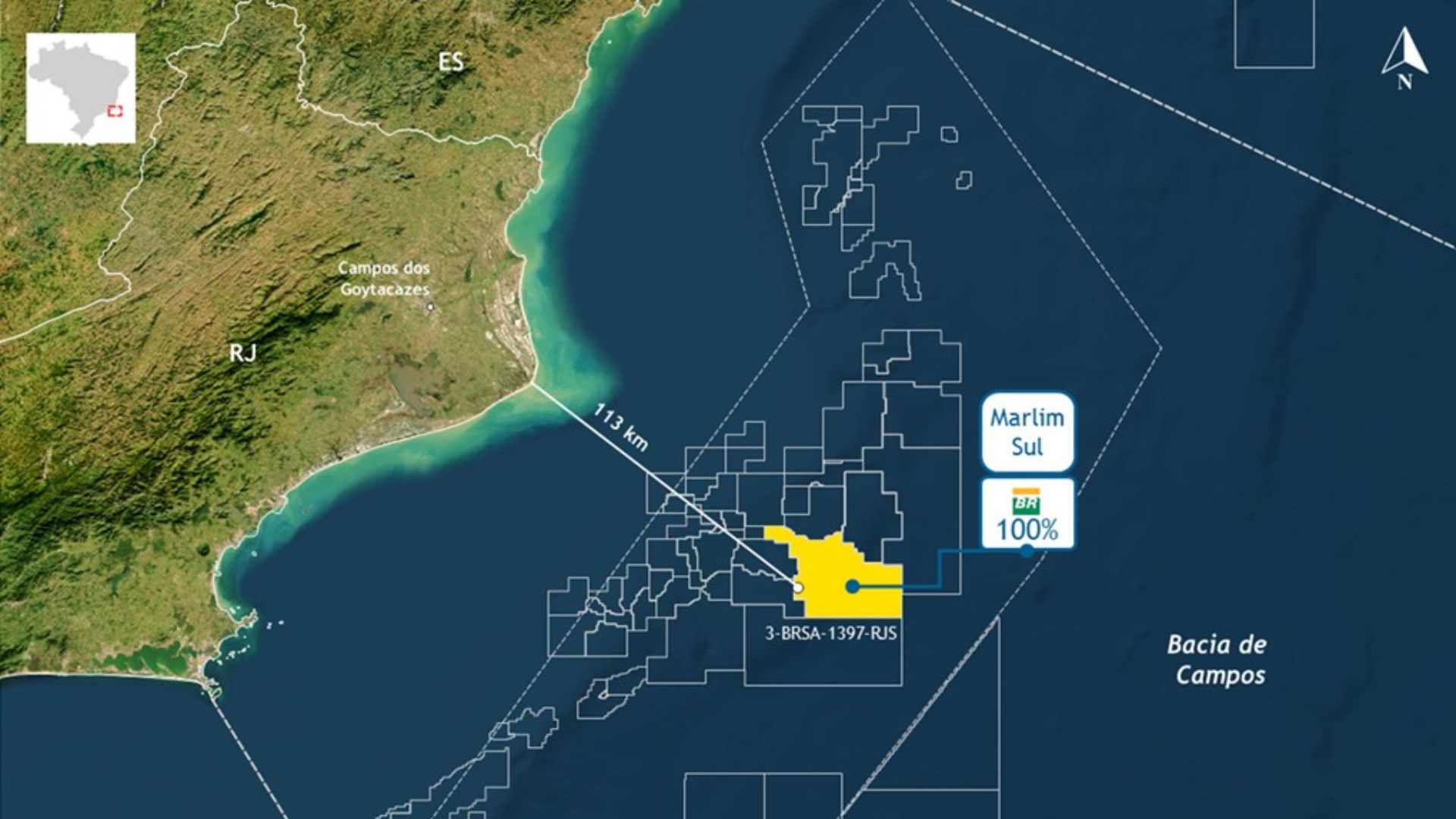
Petrobras finds high-quality oil in the pre-salt at 113 km from RJ and reignites expectations about strategic reserves in the Campos Basin.

-
Ocyan opens registrations for startups focused on innovation in the oil and gas sector and will select projects for Innovation Day with the support of Nexio.

-
Petrobras announces new oil discovery in the pre-salt of the Campos Basin and reinforces Brazil’s prominence with high-quality reserves that can increase production and energy revenues.
-
Alert in the fuel market: Analysts and a former director of ANP warn that oil prices may worsen in the coming months due to global instability.
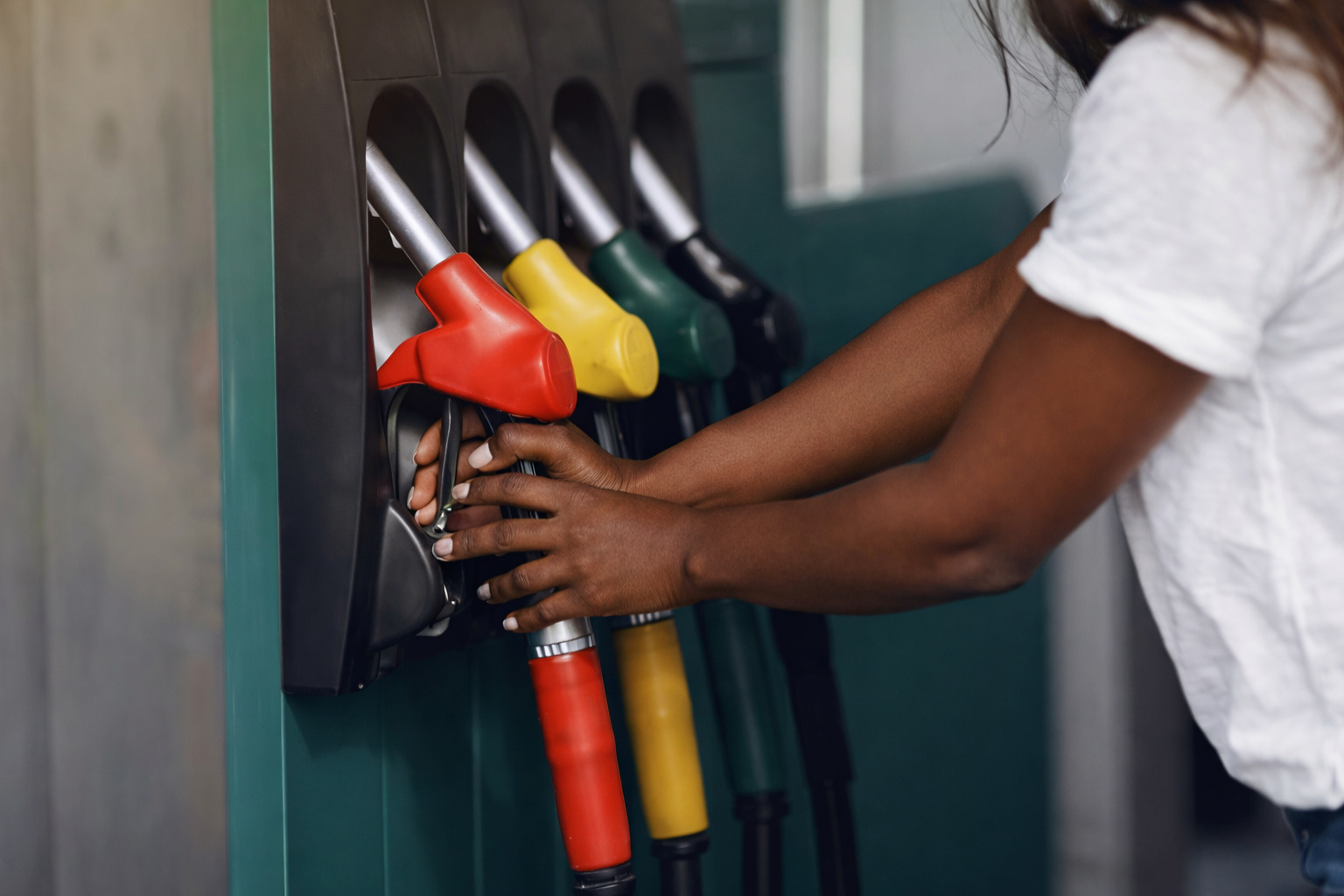
Globally, it is estimated that there is at least 400,000 BPD of lost capacity both in diesel and oil variations since 2019 due to the Covid-19 pandemic.
An internet user expressed himself this week on his social media by sharing a video from the USA: “East coast truckers are stranded on the highway waiting for gas. Gas stations are out of diesel. Now there are diesel shortages. Hell is about to break loose.”
How Is Renewable Diesel Made?
Renewable diesel is created from animal fats, food waste, and vegetable oils. The result ends up being equivalent to the similar chemical formula left by processes created through oil and its refining. It is worth noting, however, that the yield for the same amount is much lower than the pollutant fuel, being primarily used for freight transport in trucks.
Due to the growing demand and stagnation of production, the price of a liter of diesel in the USA has risen significantly by at least 80% in a year, reaching about US$ 5.78. Meanwhile, distilled stocks show negative variations or have decreased by at least 19%.
“These projects are expected to bring incremental barrels in the coming years, but not now, when they are most needed,” said Ravi Ramdas, managing director of energy consulting firm Peninsula Energy.
How Does This Impact Brazil?
With the lower refining capacity in the United States and increasing global demand, commodity prices are likely to remain inflated. This makes it so that Brazilians have to pay more to make their purchases. Consequently, on the last Friday, June 17, Petrobras announced that it would be raising the price of diesel and gasoline because previous values were not keeping up with the market.
In light of the exponential increase in fuel prices, Petrobras’ stock has seen an accumulated high of at least 40% over the year. Despite this, the decline during June reaches around 8%, due to the president’s conflicts, who resigned last Monday, June 20, with Bolsonaro and Lira, President of the Chamber of Deputies.










Seja o primeiro a reagir!