





 Portuguese
  English
  Spanish
  5 min of reading
  0 comments


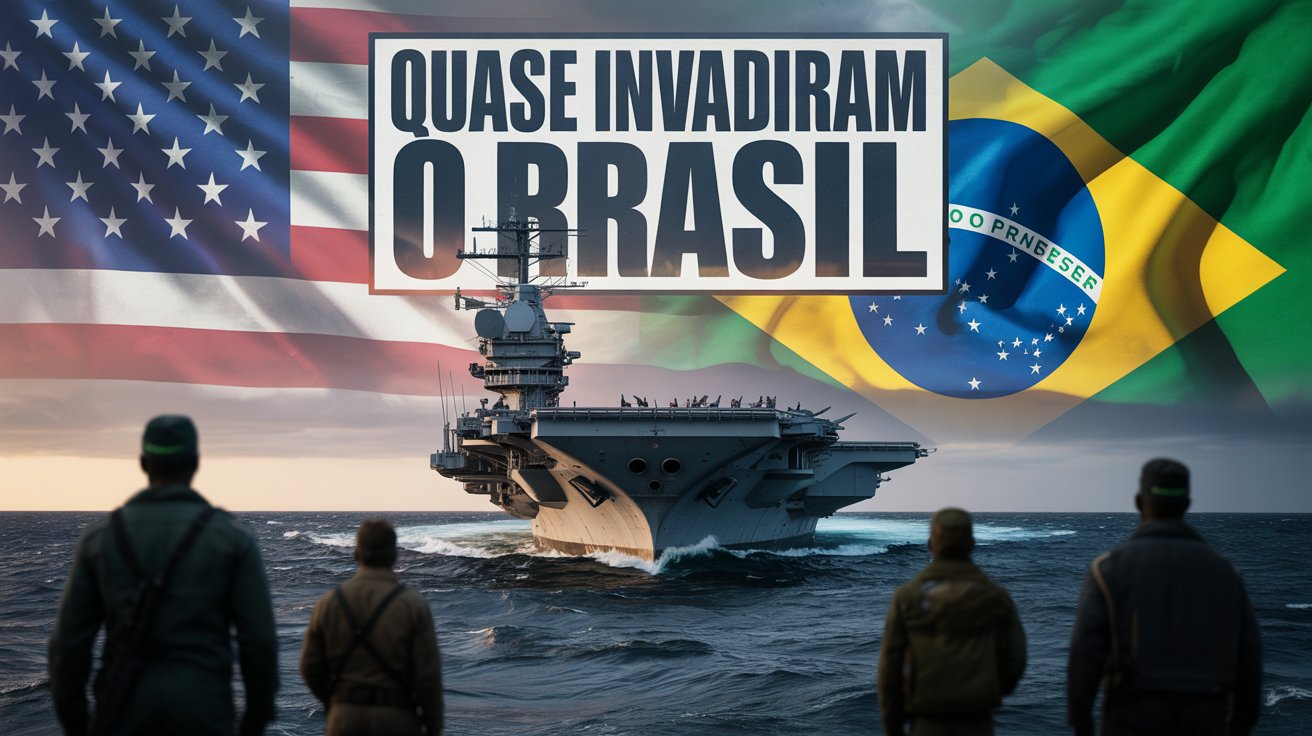
An American Military Operation Almost Invaded Brazil in 1964 to Ensure the Rise of the Military to Power.
Weapons, Ships, and Logistical Support Were Planned to Support the Coup Against João Goulart.
The recent tariff increase imposed by the government of Donald Trump on Brazil, justified as retaliation against what he calls the “witch hunt” by the Judiciary against former president Jair Bolsonaro, is not the first episode of direct interference by the United States in Brazil’s political direction.
In 1964, at the height of the Cold War, Washington orchestrated a large-scale military operation to support the coup that ousted President João Goulart.
The operation, known as Operation Brother Sam, planned to send warships, weapons, fuel, and equipment to ensure that military leaders aligned with American interests would take power.
-
Friends have been building a small “town” for 30 years to grow old together, with compact houses, a common area, nature surrounding it, and a collective life project designed for friendship, coexistence, and simplicity.

-
This small town in Germany created its own currency 24 years ago, today it circulates millions per year, is accepted in over 300 stores, and the German government allowed all of this to happen under one condition.

-
Curitiba is shrinking and is expected to lose 97,000 residents by 2050, while inland cities in Paraná such as Sarandi, Araucária, and Toledo are experiencing accelerated growth that is changing the entire state’s map.

-
Tourists were poisoned on Everest in a million-dollar fraud scheme involving helicopters that diverted over $19 million and shocked international authorities.


Operation Brother Sam: The Military Apparatus Planned by the U.S.
Historian Carlos Fico, a professor at the Federal University of Rio de Janeiro (UFRJ), describes in his book The Big Brother – From Operation Brother Sam to the Years of Lead that the plan involved a aircraft carrier, a helicopter carrier, six destroyers (two equipped with guided missiles), about 100 tons of weapons — including CS Agent tear gas — and four oil tankers to ensure supply in case of a boycott by loyalist forces.
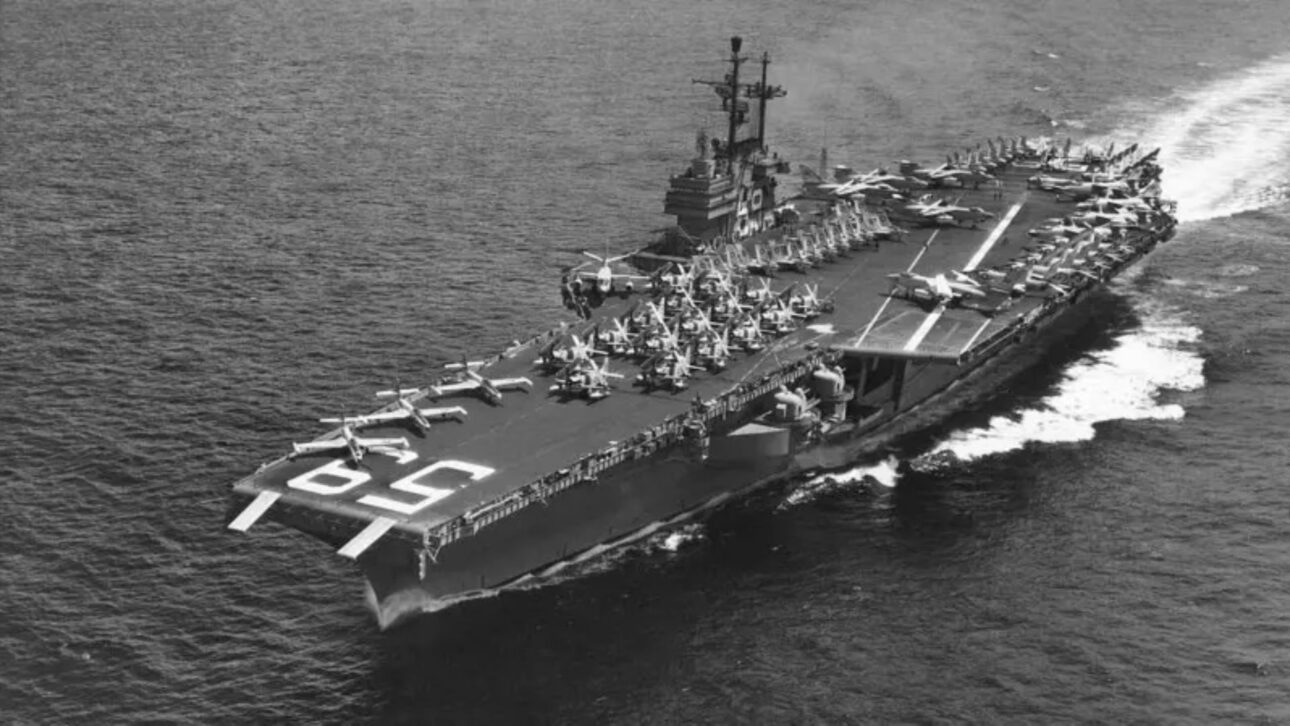
According to Fico, in a piece published by the BBC, the apparatus was defined on March 31, 1964, hours before the start of the military coup in Brazil.
The vessels would leave Virginia on April 1, expected to arrive at the coast of Santos (SP) between April 10 and 14.
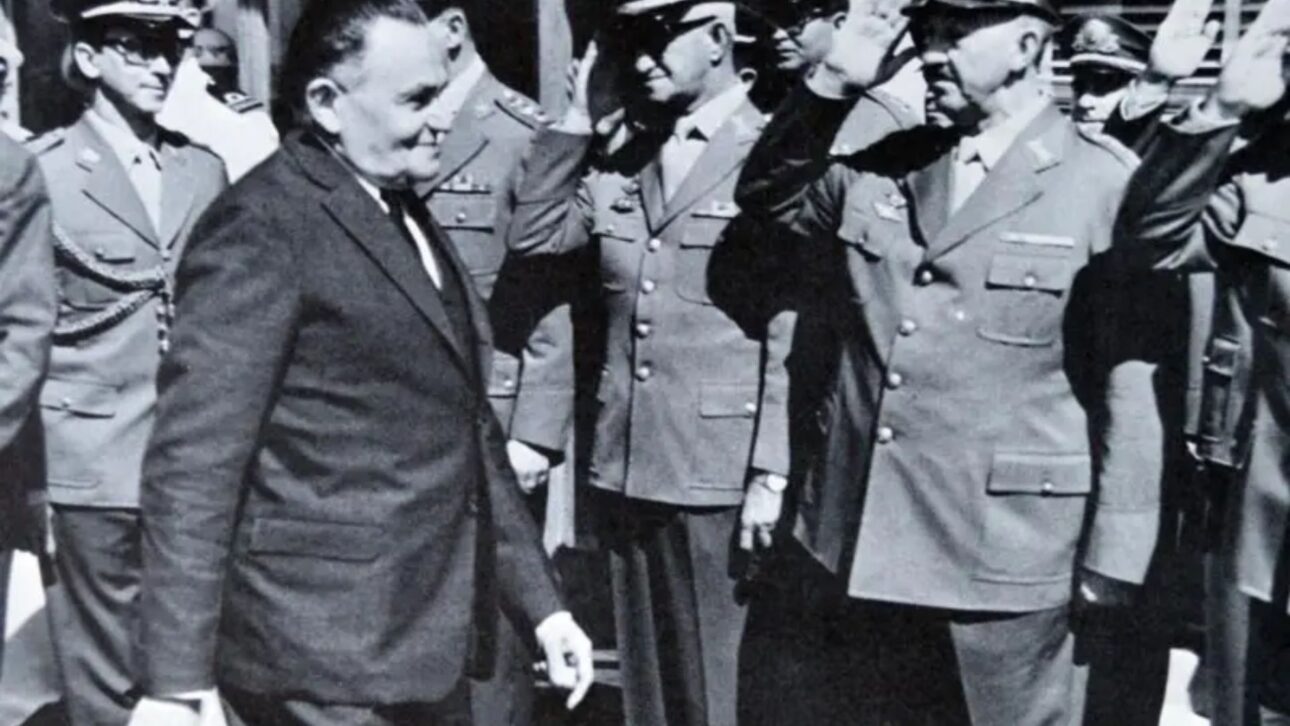
However, on the same day, Humberto Castelo Branco, who would become the first president of the military regime, informed the Americans that logistical support would not be necessary.
Two days later, Washington authorized the fleet’s return.
The operation, explains historian Bruna Gomes dos Reis, a researcher at São Paulo State University (Unesp), aimed to “ensure the smooth running of the coup”, ensuring that internal allies would take power.
Context of the Cold War and The Communist Fear
The international context helped shape the decision.
The White House feared that the reforms proposed by João Goulart, such as expanding access to land and voting rights, were steps toward alignment with the Soviet Union.
Although there was no concrete evidence of an immediate communist threat in Brazil, the logic of the Cold War encouraged preventive actions.
According to Fico, documents dated December 1963 indicate that planning began during the administration of John F. Kennedy, under the coordination of the then U.S. ambassador to Brazil, Lincoln Gordon.
In later interviews, Gordon admitted that, “in the last days of March 1964”, Washington had prepared emergency plans to provide weapons and ammunition to prevent the establishment of a leftist government in Brazil.
Revealed Documents and Covert Contacts
Research by American historian Phyllis R. Parker, published in the 1970s, revealed previously secret telegrams exchanged between authorities of both countries since 1961.
The records show that, although a right-wing coup was not officially encouraged, the American embassy maintained covert contacts with Brazilian military to influence the political process.
The main contact for the Americans was General José Pinheiro de Ulhoa Cintra, linked to coup-supporting sectors and a declared opponent of Goulart.
He would coordinate the procurement of weapons, ammunition, and fuel in Brazil.
Documents indicate that Gordon suggested the covert shipment of weaponry from non-American origins to avoid accusations of direct intervention, even considering the use of a submarine for discreet deliveries along the São Paulo coast.
Logistical Support and Absence of Direct Intervention
Political scientist Enrique Natalino, a researcher at the Brazilian Center for Analysis and Planning (Cebrap), states that Brother Sam did not foresee the immediate landing of troops, but rather the mobilization of logistical support, intelligence, and political assistance, with military and civilians acting indirectly and, if necessary, covertly.
Historian Parker reports that, in the event of confrontation, the clash would pit conservative military forces against workers, students, and sergeants aligned with the left.
For Washington, Brazilian military were strategic allies since World War II, when they fought alongside the U.S., and shared anticommunism as a priority.
Anticommunism and Ideological Convergence
Professor Mayra Goulart from UFRJ emphasizes that there is a historical convergence between Brazilian elites and American governments around unpopular agendas.
In her assessment, anticommunism served as a justification to neutralize governments that prioritized popular class issues.
Shortly before the coup, Gordon sent a top-secret telegram to the State Department accusing Goulart of planning a self-coup with the support of the Brazilian Communist Party and radical left groups.
The document, released in its entirety only in 2004, reinforced American fears that the country would plunge into communism and a possible civil war.
Logistical and Military Support Directly from the U.S.
Historian Vitor Soares, creator of the podcast History in Half an Hour, notes that American support was not only ideological or diplomatic but also logistical and military.
“They only did not intervene militarily because the conspirators here managed on their own,” he states.
When the operation was canceled, there remained a bureaucratic discussion: who would bear the costs of the mobilization, estimated at 2.3 million dollars.
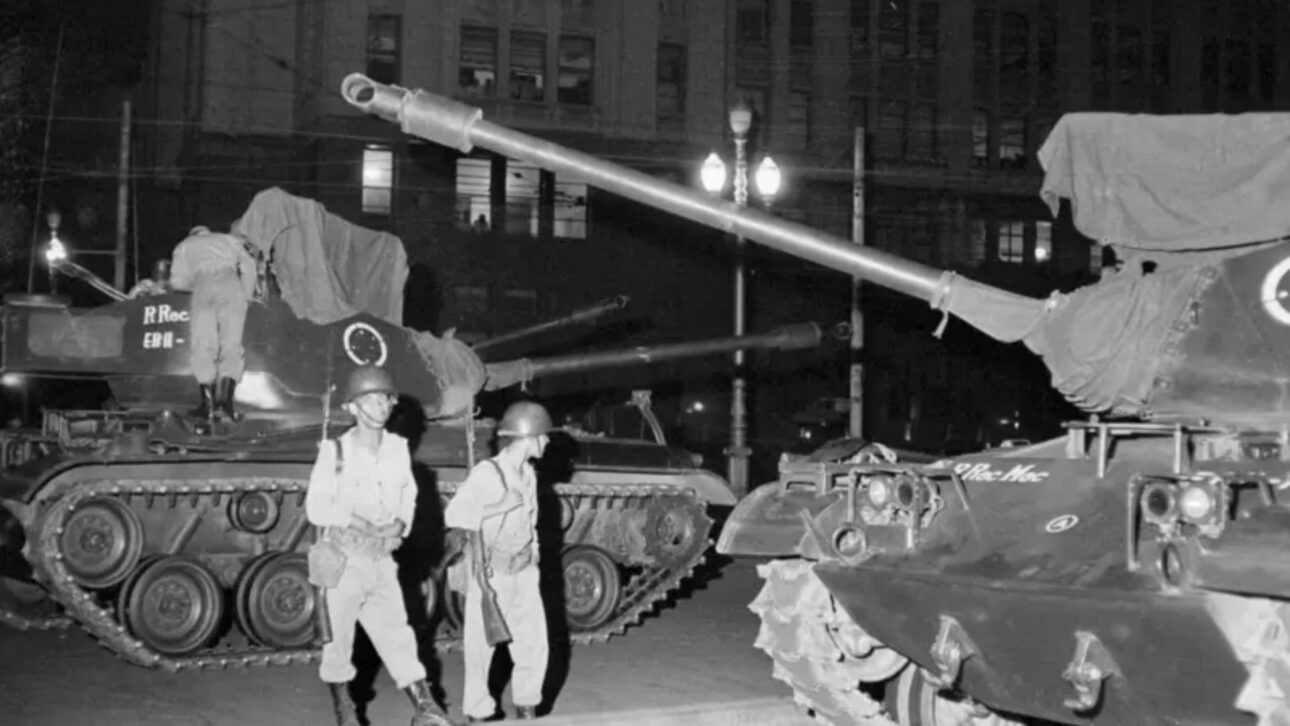
According to records, then Secretary of State Dean Rusk considered requesting reimbursement from the Brazilian government.
Parallels Between 1964 and Current Tensions
Experts see parallels between the economic pressure from Trump and the military action planned in 1964.
For Bruna Gomes dos Reis, in both cases, there was involvement from Brazilian groups interested in seeking support from the U.S.
Political scientist Márcio Coimbra argues that, although strategic objectives remain, methods have changed, with the replacement of clandestine military operations by economic and diplomatic instruments.
Natalino adds that, despite transformations in forms of action, the logic of maintaining influence over Brazil’s internal decisions persists.
In his analysis, “the objective of strategic control remains present in the history of relations between the two countries.”
In light of this history, the question remains: to what extent is Brazilian sovereignty protected from external interference, whether military or economic?









Seja o primeiro a reagir!