





 Portuguese
  English
  Spanish
  5 min of reading
  0 comments


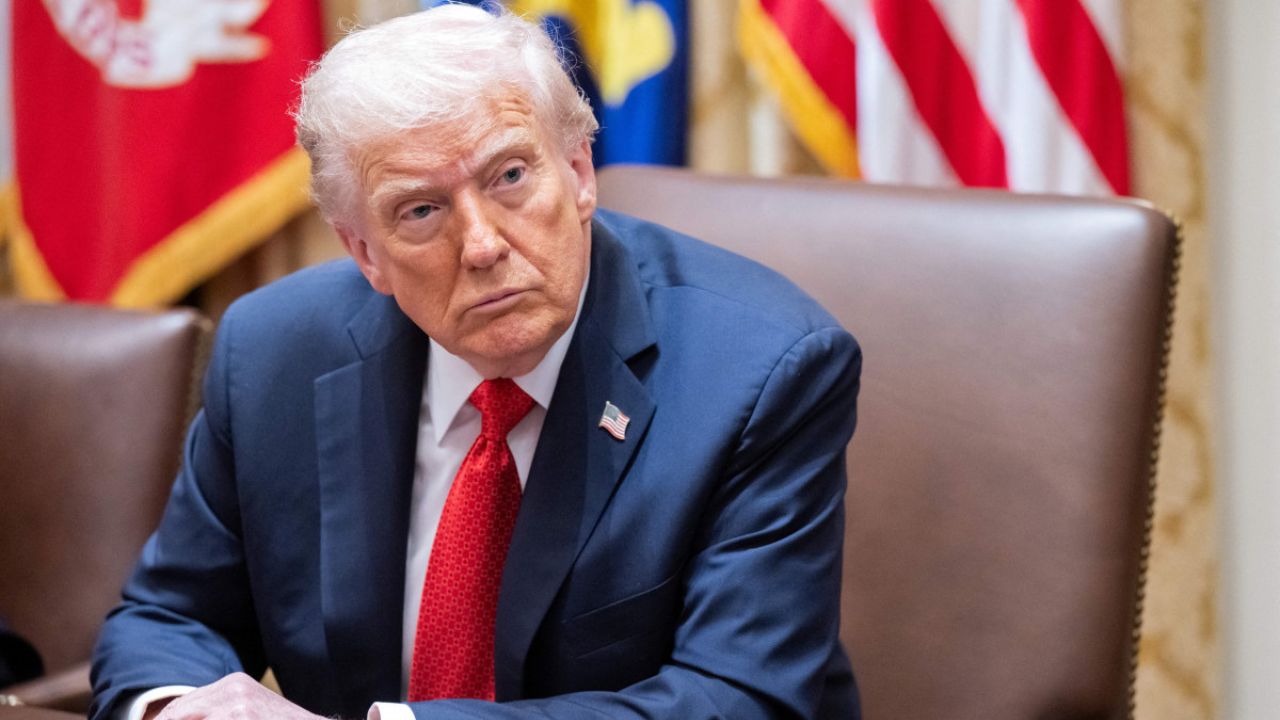
The US Evaluates New Sanctions and Tariff Measures Against Countries That Maintain Oil Trade With Russia, Intensifying Economic Impacts, Diplomatic Disputes, and Uncertainties in the Energy Scenario
The US Senate is evaluating a bill that provides for the imposition of tariffs of nearly 500% on countries that continue to purchase oil and gas from Russia. According to an article published by Diário de Pernambuco on Monday (17), the proposal aims to tighten economic sanctions against Moscow and pressure allies and trade partners to reconsider their energy relations with the government of Vladimir Putin.
The US Expands Sanctions and Threatens Tariffs on Russian Oil
The measure arises in a context of increasing geopolitical instability and global economic risks, particularly in the energy sector. Countries like China, India, and Brazil, which maintain significant trade relations with Russia, are among the main targets of the proposal.
The new legislative proposal from the United States aims to economically punish countries that challenge the Western embargo on Russian oil.
-
Brazilian giant expands borders in the Southeast: Petrobras confirms new oil discovery in ultra-deep waters in the pre-salt of the Campos Basin.

-
Alert in the global energy market: Severe tropical cyclone hits the coast and disrupts gas production at major plants in Australia, threatening global supply.

-
Petrobras finds high-quality oil in the pre-salt at 113 km from RJ and reignites expectations about strategic reserves in the Campos Basin.

-
Ocyan opens registrations for startups focused on innovation in the oil and gas sector and will select projects for Innovation Day with the support of Nexio.


According to information from Diário de Pernambuco, the bill provides for the imposition of customs tariffs of nearly 500% on energy products originating from Russia, in addition to secondary sanctions on companies and governments that facilitate these transactions.
The US government stated that it will take strict measures against any country that maintains trade relations that contribute to financing the Russian war machine. The measure, if approved, could directly affect the global flow of oil and gas, with significant impacts on prices and energy security in various countries.
Countries in the US Sights: China, India, and Brazil Under Pressure
Among the countries that import the most oil and derivatives from Russia are:
- China: the main trading partner of Moscow, with imports exceeding 2 million barrels per day just in 2023.
- India: significantly increased its purchases of Russian oil since 2022, taking advantage of the discounts offered.
- Brazil: has become one of the largest buyers of Russian diesel, with imports growing significantly between 2022 and 2025.
The imposition of such high tariffs could trigger trade retaliations, as well as raising energy costs in these countries, putting pressure on their economies and increasing inflation. Brazil, for example, depends on Russian diesel to fuel its transportation and agriculture sectors, making the measure particularly sensitive.
The Position of the United States and Its Allies
Although the United States is leading the offensive against Russia, the adherence of European allies is still uncertain. Many EU countries remain dependent on Russian gas, especially in winter, and fear that harsher sanctions could harm their economies.
President Trump, however, conditioned part of the measures on the support of NATO members. According to a letter released on Truth Social, the official stance highlighted that isolated actions would not be sufficient and that a coordinated effort among allies is essential to ensure the effectiveness of sanctions.
Germany and France have shown caution, while the United Kingdom has signaled support for the US proposal. The division among allies may compromise the effectiveness of the sanctions and open the door for bilateral negotiations with Moscow.
Global Economic Risks from Sanctions on Russian Oil
The adoption of tariffs of up to 500% on Russian oil could have significant side effects:
- Global Inflation: the rise in energy prices tends to pressure inflation rates, especially in emerging countries.
- Recession Risk: higher production and transportation costs could slow global economic growth.
- Exchange Rate Instability: currencies of countries dependent on imported energy may face devaluation, exacerbating external imbalances.
The Role of Brazil in Light of US Sanctions
Brazil, which has increased its imports of Russian diesel in recent years, faces a strategic dilemma. On one hand, reliance on cheaper fuels from Russia helps curb domestic inflation. On the other hand, US pressure may force a reassessment of Brazilian foreign policy.
Experts point out that the country will need to balance economic and diplomatic interests, seeking energy alternatives and strengthening its position in multilateral forums. Itamaraty has not yet officially commented on the US proposal, but government sources indicate that the topic will be debated at the G20.
Alternative Strategies and the Future of Energy Trade
In light of the possibility of harsher sanctions, countries importing Russian oil are already beginning to seek alternatives. India, for example, has intensified negotiations with Middle Eastern producers, while China invests in infrastructure to expand its refining and storage capacity.
Brazil, in turn, is studying increasing internal fuel production and diversifying suppliers, including agreements with African and Latin American countries. The energy transition also gains momentum as a strategic response, with investments in biofuels, solar, and wind energy.
Multinational energy companies are reviewing contracts and logistical routes, anticipating possible regulatory changes. Regulatory uncertainty and the risk of secondary sanctions make the business environment more volatile, requiring planning and resilience.
Possible Paths in a Prolonged Tension Scenario
The US proposal to impose harsher sanctions and tariffs of up to 500% on countries that purchase oil from Russia represents a new chapter in the global geopolitical dispute. The measure has the potential to redefine alliances, impact economies, and transform the international energy market.
The world is moving toward a new energy order, where political decisions will weigh increasingly heavier on trade flows. For the affected countries, it will be essential to adopt strategies that ensure energy security, economic stability, and diplomatic autonomy.
Global interdependence in the energy sector demands multilateral solutions, constant dialogue, and commitment to stability. The future of international oil trade will depend on the ability of countries to balance strategic interests with economic and environmental responsibility.









Seja o primeiro a reagir!