





 Portuguese
  English
  Spanish
  3 min of reading
  0 comments


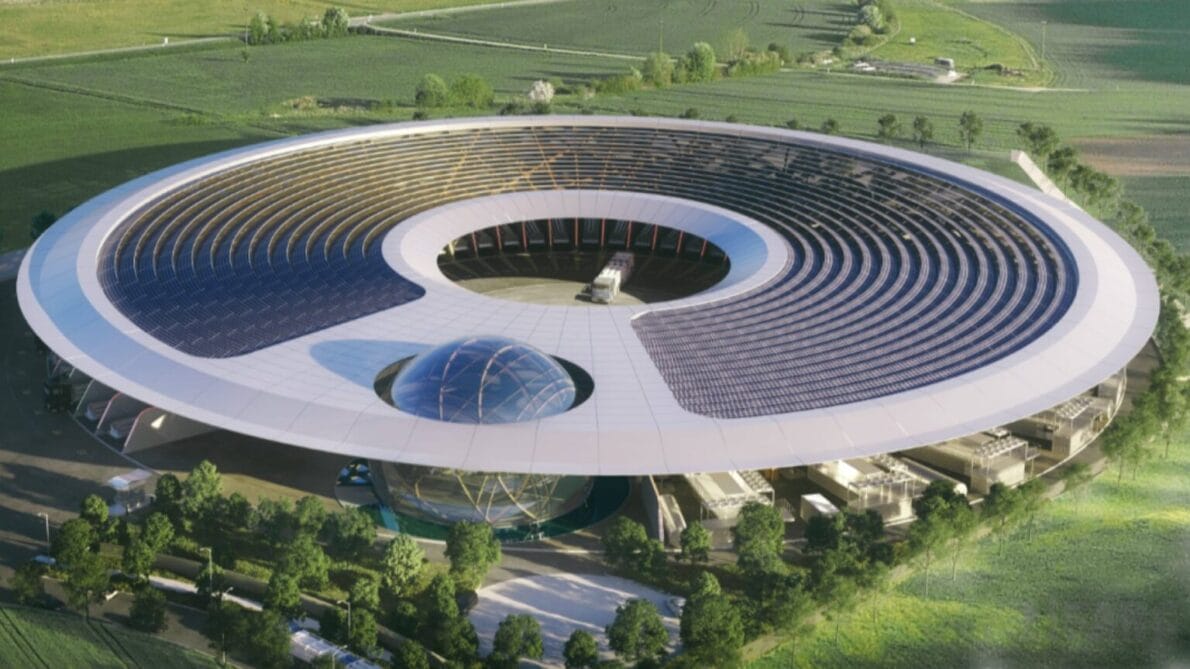
Plant Will Be Able to Produce 3 Tons of Green Hydrogen Per Day, Enough to Fuel 210 Thousand Cars or 30 Thousand Buses Annually.
As humanity moves toward renewable energy, H2B2 Electrolysis Technologies leads with its SoHyCal initiative, the largest green hydrogen generation project powered solely by U.S. renewable energy. Located in California, the SoHyCal plant promises to revolutionize the hydrogen market by offering a cleaner alternative to fossil fuels, particularly in the transportation sector.
This pioneering project can drastically reduce emissions and drive the transition to sustainable energy.
Plant Will Be Able to Produce 3 Tons of Green Hydrogen Per Day, Enough to Fuel 210 Thousand Cars or 30 Thousand Buses Annually.
The main goal of SoHyCal is to generate green hydrogen using 100% renewable energy sources. In the first phase, the plant produces up to 1 ton of hydrogen per day using biogas. However, the second phase, expected in the second quarter of 2025, will feature the addition of a photovoltaic plant that will allow the transition to solar energy.
-
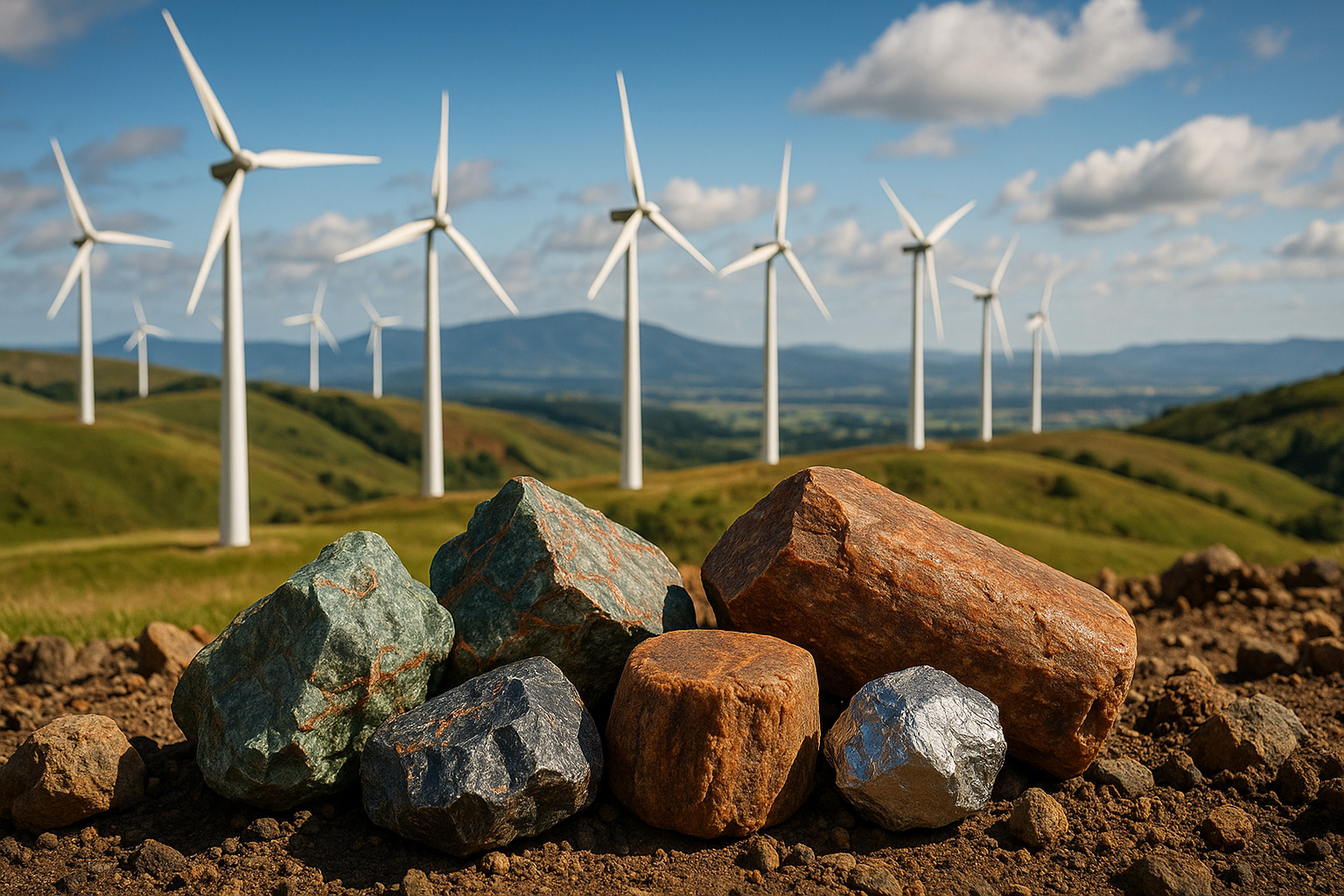
The Brazilian state accelerates industrial competitiveness with a focus on the extraction of strategic minerals to boost the energy transition in Goiás.
-
A Canadian retiree creates a hydroelectric system on a real river, generating energy continuously throughout the day and demonstrating how the power of water can supply a house with stability even in a simple structure.

-
Petrobras reaffirms its commitment to the market and ensures that it will carry out the energy transition safely to maintain national sovereignty.

-
Researchers discover a possible hydrogen deposit of up to 46 million tons beneath an ancient coal basin, and the volume could exceed half of the entire global production.


When fully operational, the plant will be able to produce 3 tons of green hydrogen per day, enough to fuel 210 thousand cars or 30 thousand buses annually. The heart of the plant is the Proton Exchange Membrane (PEM) electrolyzer technology, developed and supplied by Ingeteam, which uses renewable energy to split water into hydrogen and oxygen, thereby creating a clean and carbon-neutral fuel.
This project plays a crucial role in California’s clean energy goals, with the hydrogen generated fueling hydrogen refueling stations throughout the San Joaquin Valley and the San Francisco Bay Area.
Funding for Renewable Energy in California: SoHyCal Receives US$ 3.96 Million for the Hydrogen Revolution
SoHyCal plays a key role in California’s pursuit to decarbonize transportation and reduce emissions. The California Energy Commission (CEC) recognized the project’s potential from the start, granting US$ 3.96 million in funding through the Clean Transportation Program.
This funding has been essential in helping SoHyCal achieve its initial production goals, as well as continuing to support the growth of solar hydrogen production in the coming years. The financial and environmental benefits of SoHyCal extend beyond the generation of green hydrogen. By contributing to California’s hydrogen infrastructure, the project will help reduce emissions in the transportation sector, one of the most significant in the economy.
With the capacity to fuel carbon-neutral vehicles such as cars, buses, and trucks, the plant promises to play a vital role in reducing the carbon footprint and improving air quality in California.
Global H2V Market Expected to Reach About US$ 10 Trillion by 2030
SoHyCal is an achievement for the U.S. and also has international significance. Recognized by the Hydrogen Valley (H2V) Platform, the project showcases the potential for large-scale green hydrogen production to support the clean energy transition worldwide.
The role of H2B2 in shaping the future of hydrogen technology places the company at the forefront of a market expected to reach around US$ 10 trillion by 2030. The potential of green hydrogen to transform industries such as transportation, power generation, and manufacturing is immense.
This growth is backed by a legal framework coordinated with the California Environmental Quality Act (CEQA) and other federal, state, and local regulations. This framework ensures that the SoHyCal project remains environmentally friendly and compliant, setting a standard for future green hydrogen projects around the world.
Additionally, H2B2’s involvement in projects like the Alliance for Renewable Hydrogen Clean Energy Systems (ARCHES) highlights its commitment to advancing hydrogen technology. The SoHyCal project represents a revolutionary leap in the transition to clean and renewable energy.








Seja o primeiro a reagir!