





 Portuguese
  English
  Spanish
  3 min of reading


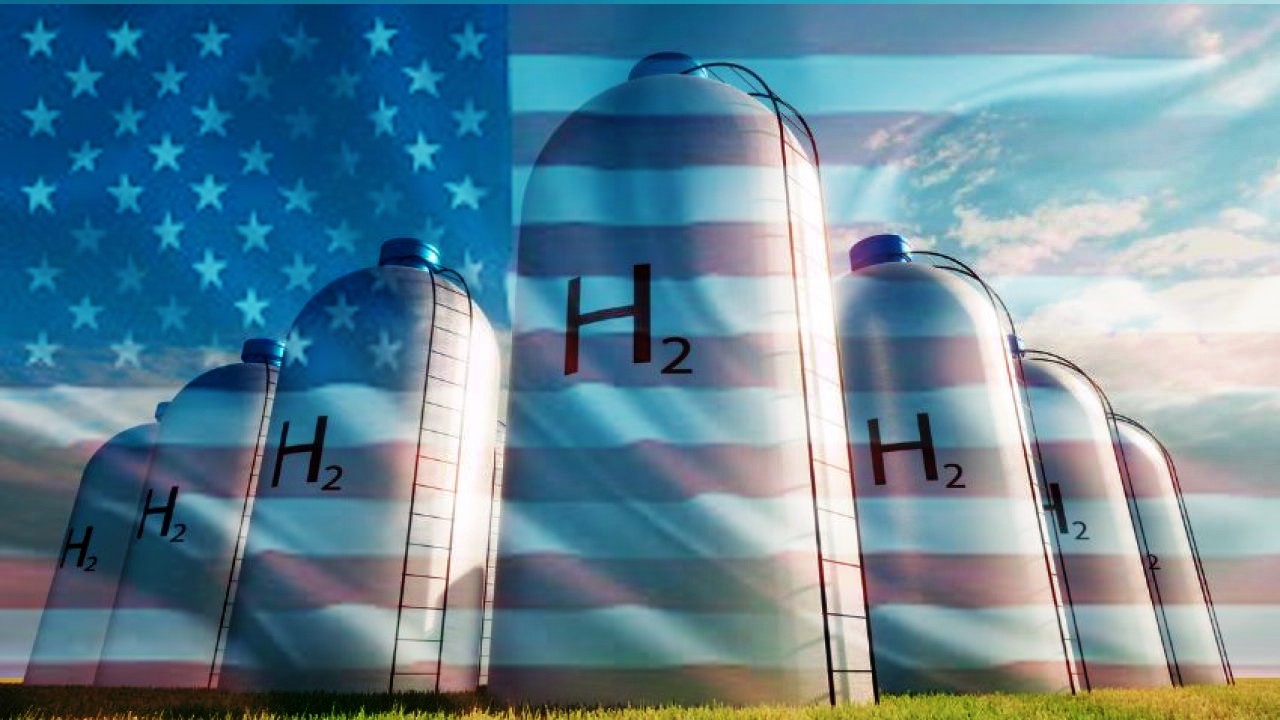
Hydrogen Production Could Reduce Greenhouse Gases by Up to 10% in the Country
One of the priorities for the U.S. Government is to increase hydrogen production with the mission of bypassing fossil fuels, which are well-known for drastically fueling climate change. Thus, last Thursday, the 22nd, the Clean Hydrogen National Strategy and Roadmap was released, created by the U.S. Department of Energy. The document states that the country aims for an estimated clean hydrogen production of 10 million metric tons by mid-2030.
Each year, the U.S. already has an average hydrogen production of 10 million metric tons. However, this hydrogen production is considered “gray” as it is developed using dirty natural gas. Therefore, the change aims to combine natural gas with new controversial technologies that capture carbon dioxide emissions while producing more hydrogen using renewable energy sources and nuclear energy.
Biden Administration Should Prioritize Hydrogen Production
The mission to produce hydrogen seems to be a significant goal for the U.S. This is because the Biden administration is willing to continue with the project. The roadmap includes clean hydrogen production targets with gradual growth: 20 million tons of clean hydrogen by 2040, and 50 million metric tons by 2050.
-
Millions of people have been eating yam for centuries without knowing that this humble tuber contains a compound called diosgenin, which scientists have now discovered can improve memory and help control blood sugar levels.

-
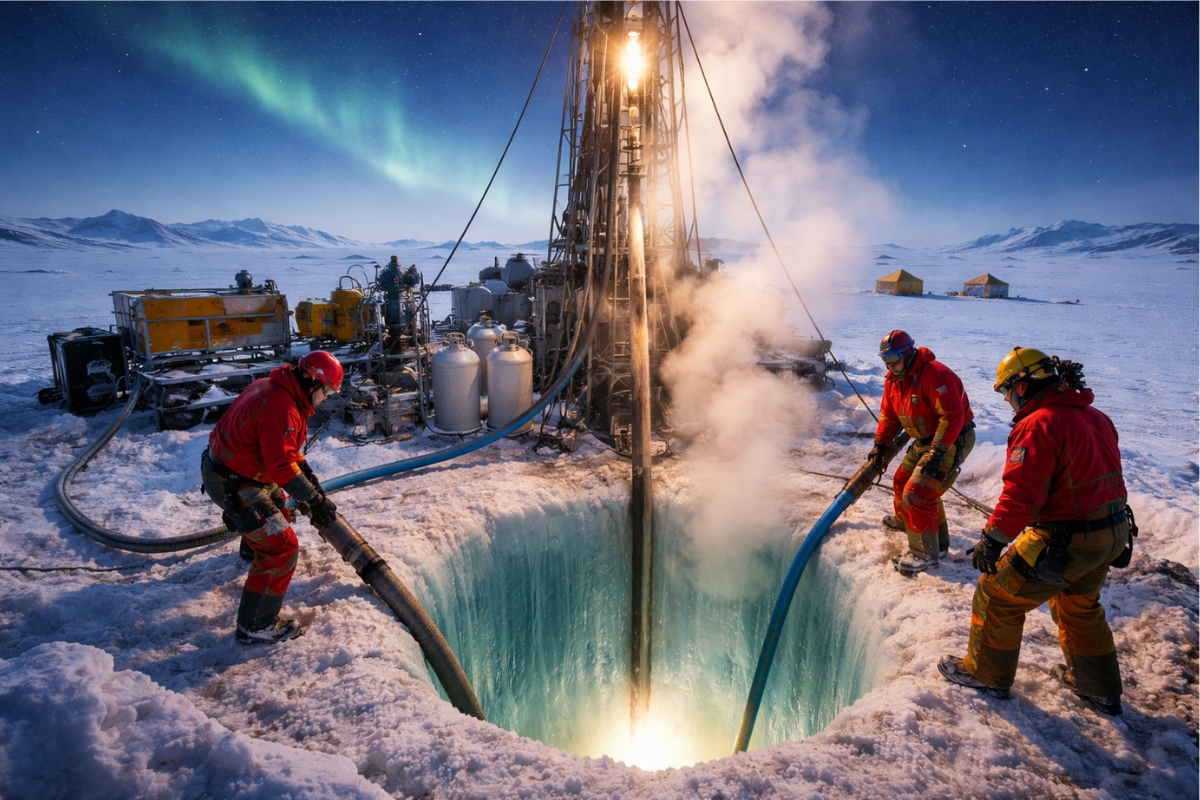
Scientists from an international project drill 1,800 meters of ice in Antarctica using hot water and discover details about one of the most intriguing places on planet Earth.
-
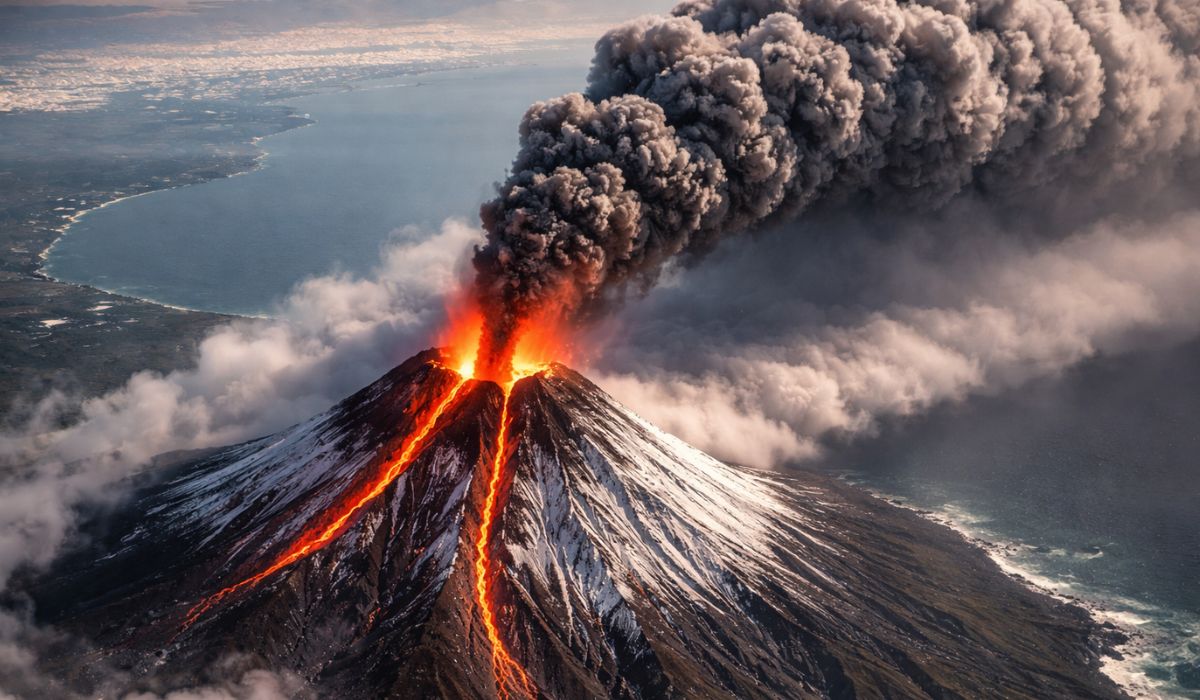
Seen from space, a colossal volcano nearly 5,000 meters high in Russia has released 1,600 km of smoke over the Pacific, forming “devil’s horns” of lava and revealing the brutal force of the Ring of Fire.
-
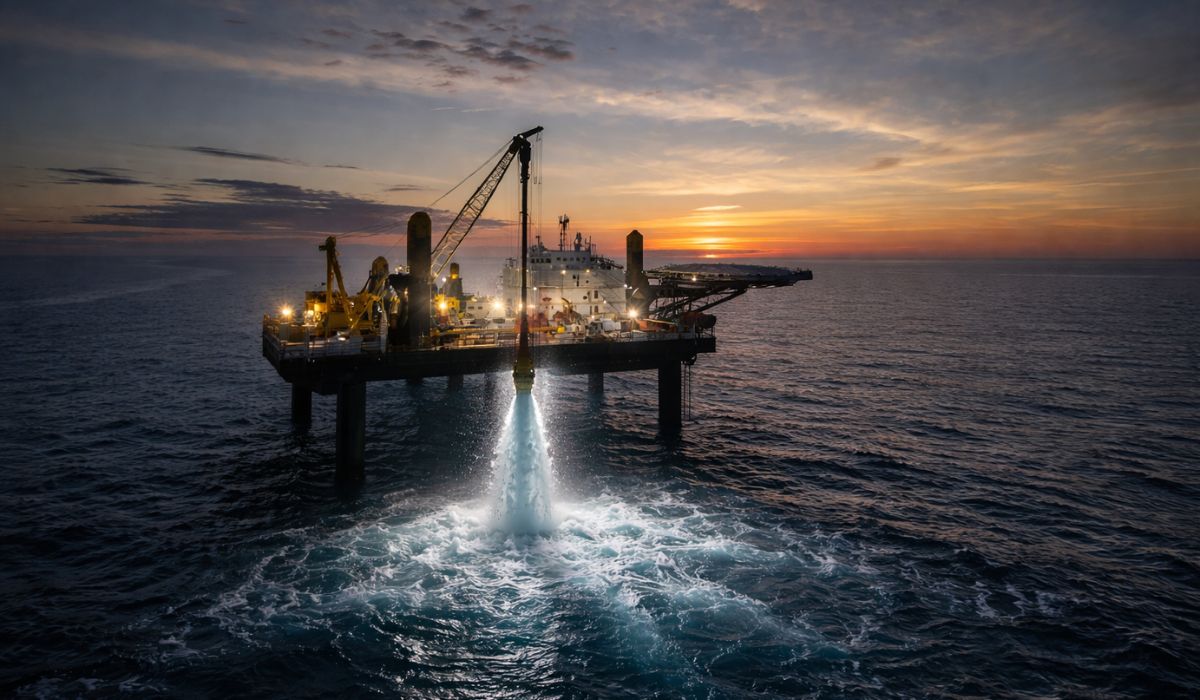
Expedition 501: Scientists drill into the ocean floor and discover a giant reserve of fresh water hidden beneath the sea, extracting nearly 50,000 liters and revealing an invisible system that could reshape the map of water scarcity.

In this sense, the U.S. Department of Energy believes that this could reduce greenhouse gas emissions in the country by 10% by 2050. However, the project roadmap is still a draft, and the strategy will need some feedback before starting, according to the DOE. Currently, the U.S. is already implementing plans to develop up to ten regional centers for hydrogen production. It is estimated that one of the centers will use renewable energy to produce hydrogen fuel, according to DOE data, while another center will utilize nuclear energy.
Hydrogen Production Could Change the Future
Historically, hydrogen has always been seen as an alternative to fossil fuels. This is because it tends to be cleaner and more sustainable. Additionally, it is believed that the use of hydrogen could drastically reduce greenhouse gas emissions, especially in industrial processes that require extremely high temperatures. Moreover, when hydrogen is produced using excess wind and solar energy, it serves as a type of “energy storage,” similar to a battery, so that abundant renewable energy is not wasted when electricity demand is low.
Thus, hydrogen releases water vapor when burned, making it a clean fuel. Interestingly, the production of hydrogen has a caveat: it is only as clean as the energy source used to produce it. One way to produce hydrogen is through electrolysis, which uses electricity to separate water molecules into hydrogen and oxygen. Green hydrogen is made by splitting water molecules using renewable energy. On the other hand, there is also pink hydrogen, produced from electrolysis powered by nuclear energy.
Today, most hydrogen produced is of the “gray” type, meaning it still emits greenhouse gases. For this production, methane gas reacts at high temperature under high pressure, in a process that releases carbon dioxide while producing hydrogen.








Seja o primeiro a reagir!