





 Portuguese
  English
  Spanish
  5 min of reading
  0 comments


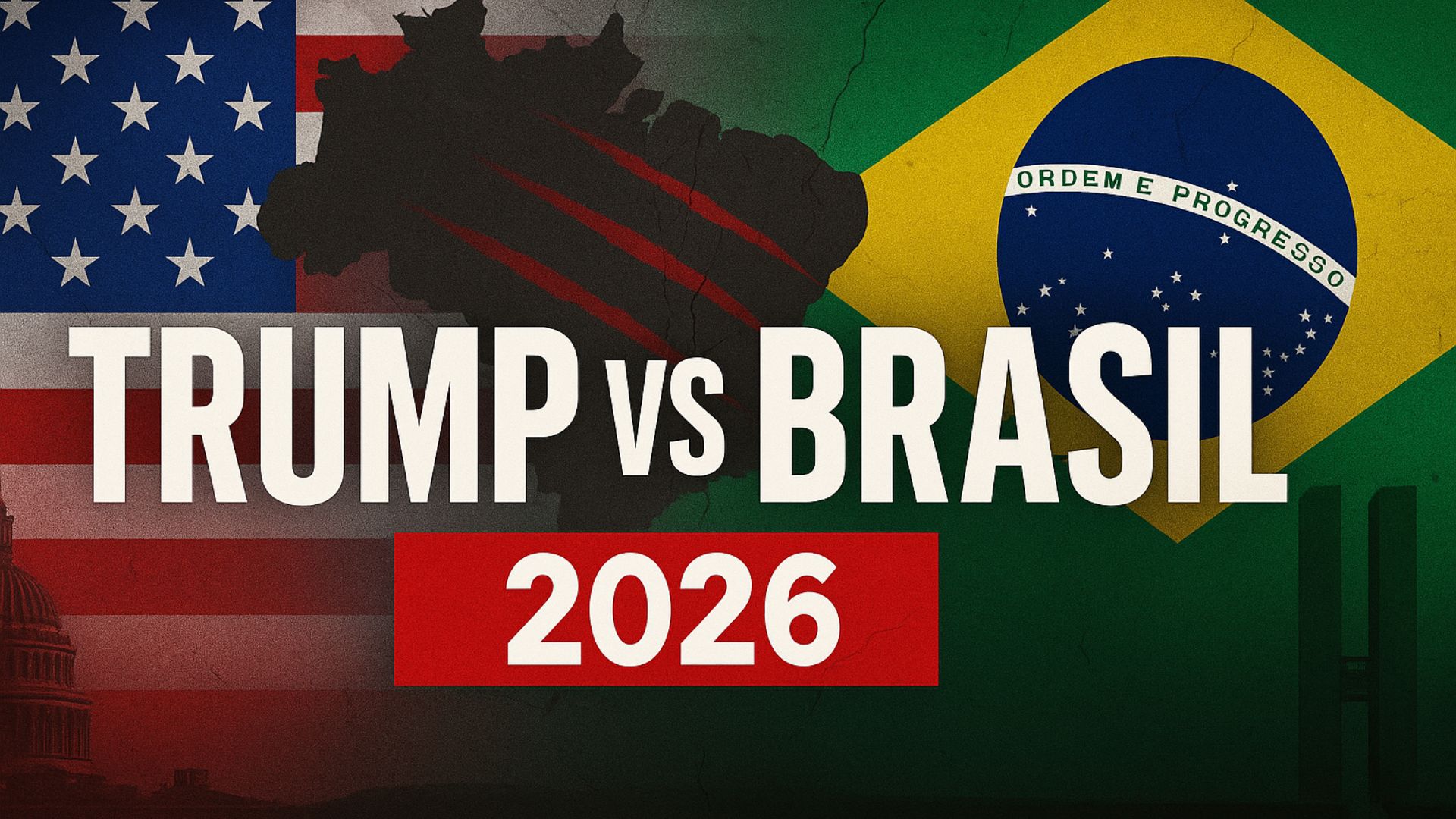
Government Evaluates That US Sanctions and Tariffs Against Brazil Are Part of a Regime Change Strategy, with Risks of Challenges to the 2026 Election and Attempt to Weaken Lula’s International Protagonism.
The Planalto interprets the recent package of tariffs and sanctions adopted by the United States as part of a strategy of “regime change” in Brazil.
According to Lula’s aides, the measures taken by the Donald Trump administration go beyond pressuring the trial of former president Jair Bolsonaro in the Supreme Court and target the 2026 electoral dispute, with a possible challenge to the legitimacy of the election if Lula wins, as reported by the newspaper Folha de S. Paulo.
Trade Crisis Between Brazil and the US
The dominant reading within the government is that Washington is trying to redraw the regional landscape.
-
Larger than entire cities in Brazil: BYD is building a 4.6 km² complex in Bahia with a capacity for 600,000 vehicles per year, but the discovery of 163 workers in conditions analogous to slavery has shaken the entire project.

-
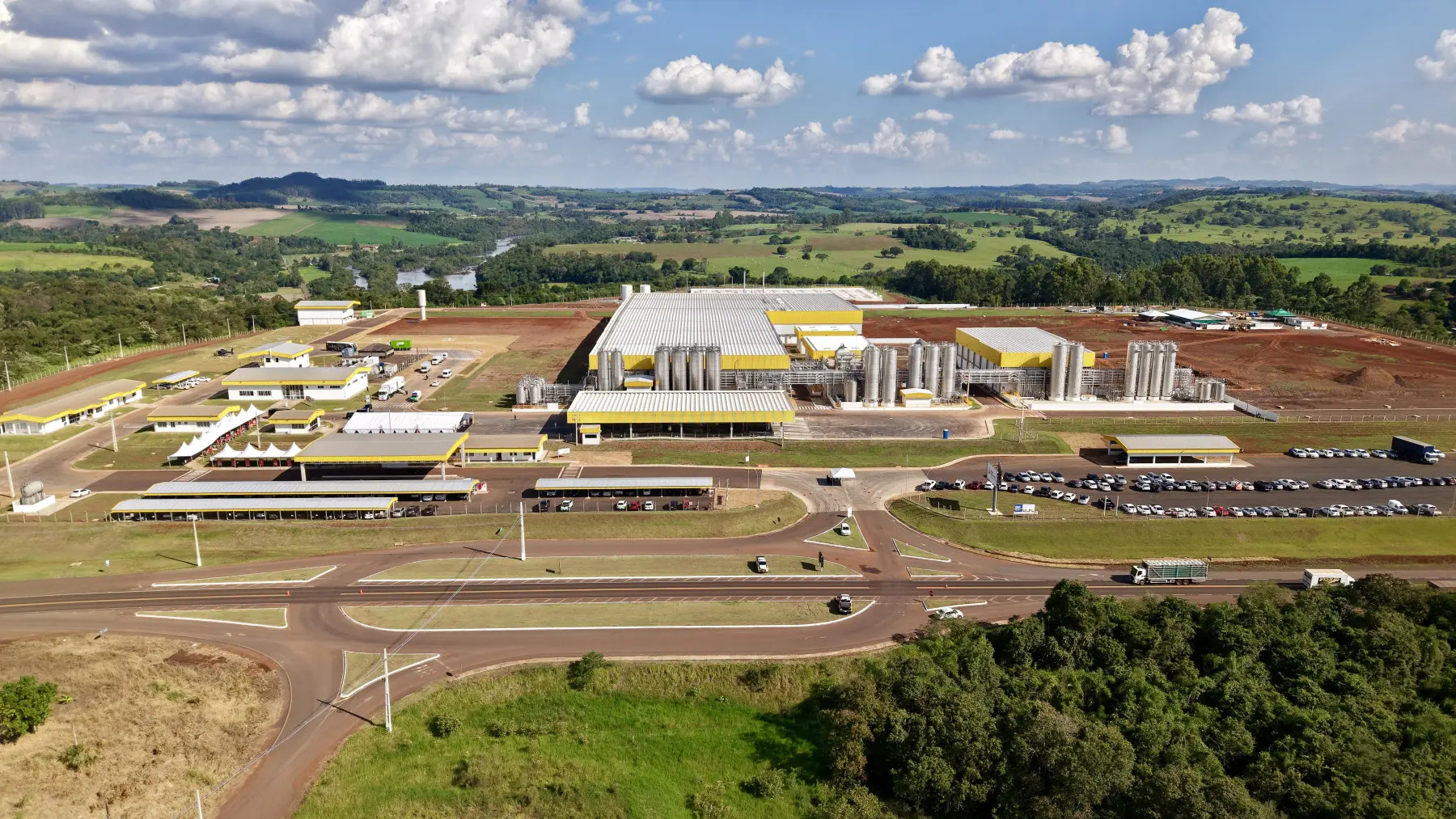
With an investment of R$ 612 million, a capacity to process 1.2 million liters of milk per day, Piracanjuba inaugurates a mega cheese factory that increases national production, reduces dependence on imports, and repositions Brazil on the global dairy map.
-
Brazilian city gains industrial hub for 85 companies that is equivalent to 55 football fields.

-
Peugeot and Citroën factory in Argentina cuts production by half and opens a layoff program for more than 2,000 employees after Brazil drastically reduced purchases of Argentine vehicles.


For interlocutors of the Planalto, the recent tariffs and the designations of Brazilian authorities under the Magnitsky Act are part of a broader movement to reposition Latin America as an area of direct US influence and to contain Chinese advancement.
The package is seen as an attempt to isolate Brazil in the international arena and weaken Lula’s leadership.
In addition to the immediate economic impact, the offensive has an explicit political component.
Government sources claim that the White House seeks to ensure the presence, in 2026, of a Brazilian candidate with ideological affinity with Trump, indirectly interfering in the electoral environment.
Supreme Court and Alexandre de Moraes Under Fire
In Brasília, the designation of Minister Alexandre de Moraes — Minister of the Supreme Court and former president of the Electoral Court — under the Magnitsky Act raised alarms about possible measures against other members of the Judiciary.
For the Planalto, the US choice of an instrument that provides for sanctions for human rights violations signals that new actions could target judges and public officials linked to investigations of extreme political sensitivity.
Although international pressure is perceived as an attack on Brazilian sovereignty, the internal assessment is that the offensive aims to dismantle the justice system, eroding external confidence in the rulings of higher courts and, consequently, in the integrity of the electoral process.
Possible Next Steps for Trump
In the short term, the government is working under the hypothesis of new sanction packages.
Among the targets considered by aides are companies involved in the energy and technology sectors, as well as strategic state-owned enterprises.
At the extreme, government sources do not rule out individual sanctions against other Supreme Court authorities and members of the Executive.
At the same time, there is a fear that the pressure will not be restricted to the Bolsonaro case.
Although the outcome of the trial carries political weight, the expectation among Lula’s interlocutors is that the White House will maintain the offensive regardless of the result, sustaining a prolonged climate of confrontation.
2026 Elections Under Threat
The possibility of an international delegitimization of the election — if Lula is re-elected — is at the center of concerns.
Presidential advisors assess that the US could encourage narratives of fraud and instability, creating ground for internal questions about the integrity of the vote.
This reading, according to Folha de S. Paulo, aligns with recent statements from Bolsonaro allies abroad.
In this context, aides report that Congressman Eduardo Bolsonaro has been publicly advocating for months the thesis that the US would not recognize the Brazilian election if his father were prevented from running.
The interpretation in the Planalto is that this discourse feeds an environment of distrust and helps build justifications for unilateral measures.
Dispute with China
Diplomats and government leaders relate the escalation to the global dispute between Washington and Beijing.
For them, the measures against Brazil aim to curb economic and technological rapprochement with China and to redesign supply chains, impacting sectors such as mining, energy, agribusiness, and manufacturing.
At the same time, members of Itamaraty acknowledge that intensified ties with China create real discomfort in the US.
The friction point, however, would be the proportion and form of the American response, viewed as excessive and potentially interfering in the internal political process.
Brazilian Government’s Reaction Strategy
In light of the deteriorating environment, the government is discussing triggering dispute resolution mechanisms at the WTO against tariffs and sanctions deemed unilateral and incompatible with trade rules.
Diplomacy is also preparing an agenda for reconciliation with European and Asian countries to reduce dependency on the American market and mitigate the impact on exporters.
Regionally, the guidance is to intensify dialogue with Latin American neighbors and build a coordination front on tariffs, supply chains, and the defense of democratic institutions.
The expectation is that a multilateral articulation will weaken the narrative that Brazil represents a “threat” to US interests.
Communication and Economy at Stake
In the field of communication, government members report a coordinated campaign in the US to associate Lula with China and Russia, justifying to public opinion the adoption of punitive measures.
This narrative, pointed out by Folha de S. Paulo, creates a favorable environment for additional actions, including against digital platforms and Brazilian media outlets, under the pretext of combating misinformation.
On the economic front, the perception in the Planalto is that the American strategy entails the calculation of provoking slowdown in Brazil, eroding the government’s popularity and opening space for candidates aligned with Trumpism.
The concern is that new rounds of tariffs could impact higher value-added segments, putting pressure on investment, jobs, and exchange rates.
Scenario for 2026
The convergence of four vectors — economic pressure, individual sanctions, attacks on the Judiciary, and fraud narratives — constitutes, in the government’s analysis, a scenario of prolonged institutional risk.
In light of this, the order is to accelerate discussions with partners outside the US-China axis, sustain the defense of the independence of institutions, and shield the electoral process from external interferences.






-

-

4 pessoas reagiram a isso.