





 Portuguese
  English
  Spanish
  4 min of reading
  0 comments


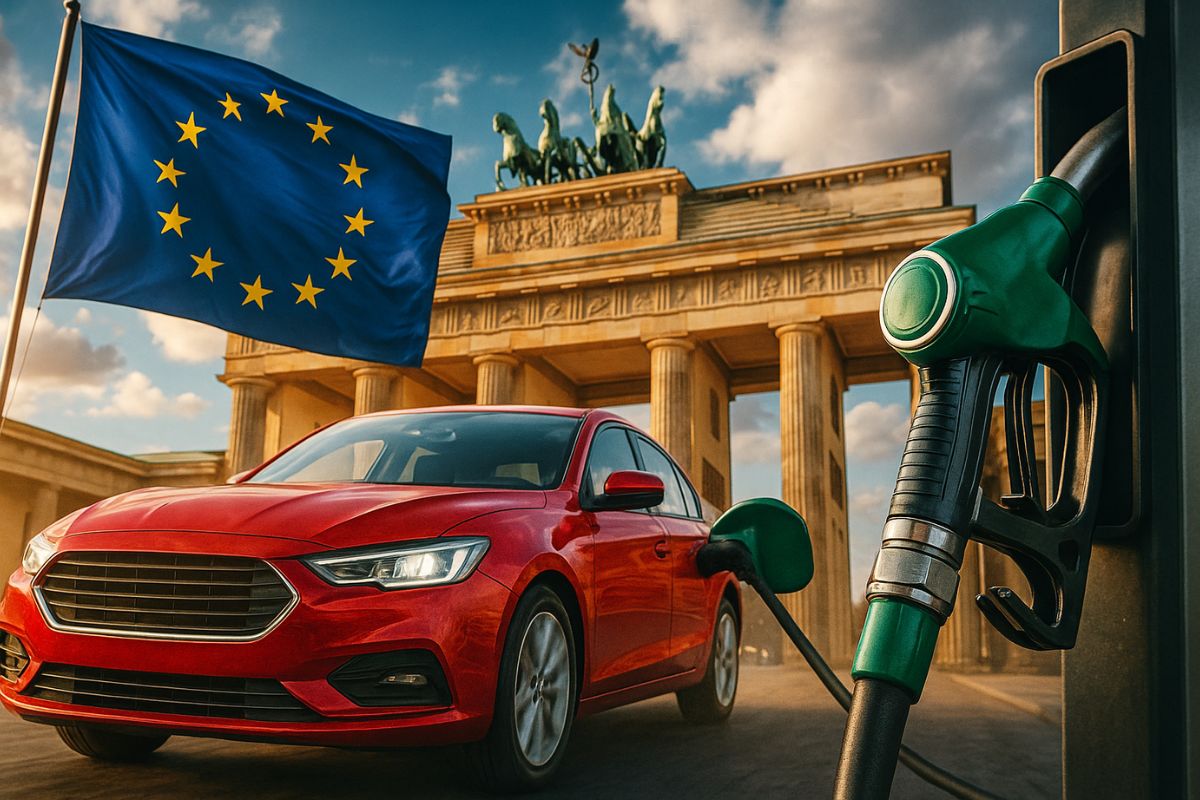
European Commission Decides to Bring Forward Review of the End of Gasoline and Diesel Cars, Opening Space for Synthetic Fuels and Biofuels under the Principle of Technological Neutrality.
The Europe has brought forward the review of the end of gasoline and diesel cars originally planned for 2035, after months of pressure from governments and automakers requesting more flexibility in environmental targets. The announcement was made by Ursula von der Leyen, President of the European Commission, who confirmed that discussions will advance as early as 2025, ahead of the summit of the 27 European Union countries.
According to the motor1 portal, in a letter sent to European leaders, von der Leyen stated that the Commission will reassess the CO₂ emissions regulation for cars and vans by the end of this year, considering low-carbon alternatives and new technological solutions. This move reflects an attempt to balance the energy transition with the competitiveness of the automotive industry, which is facing rising costs and increasing competition from China.
The Return of Technological Neutrality to the Center of the Debate
The review once again highlights the principle of technological neutrality, a concept that advocates for the coexistence of different energy solutions and not just electrification as a path to reduce emissions.
-
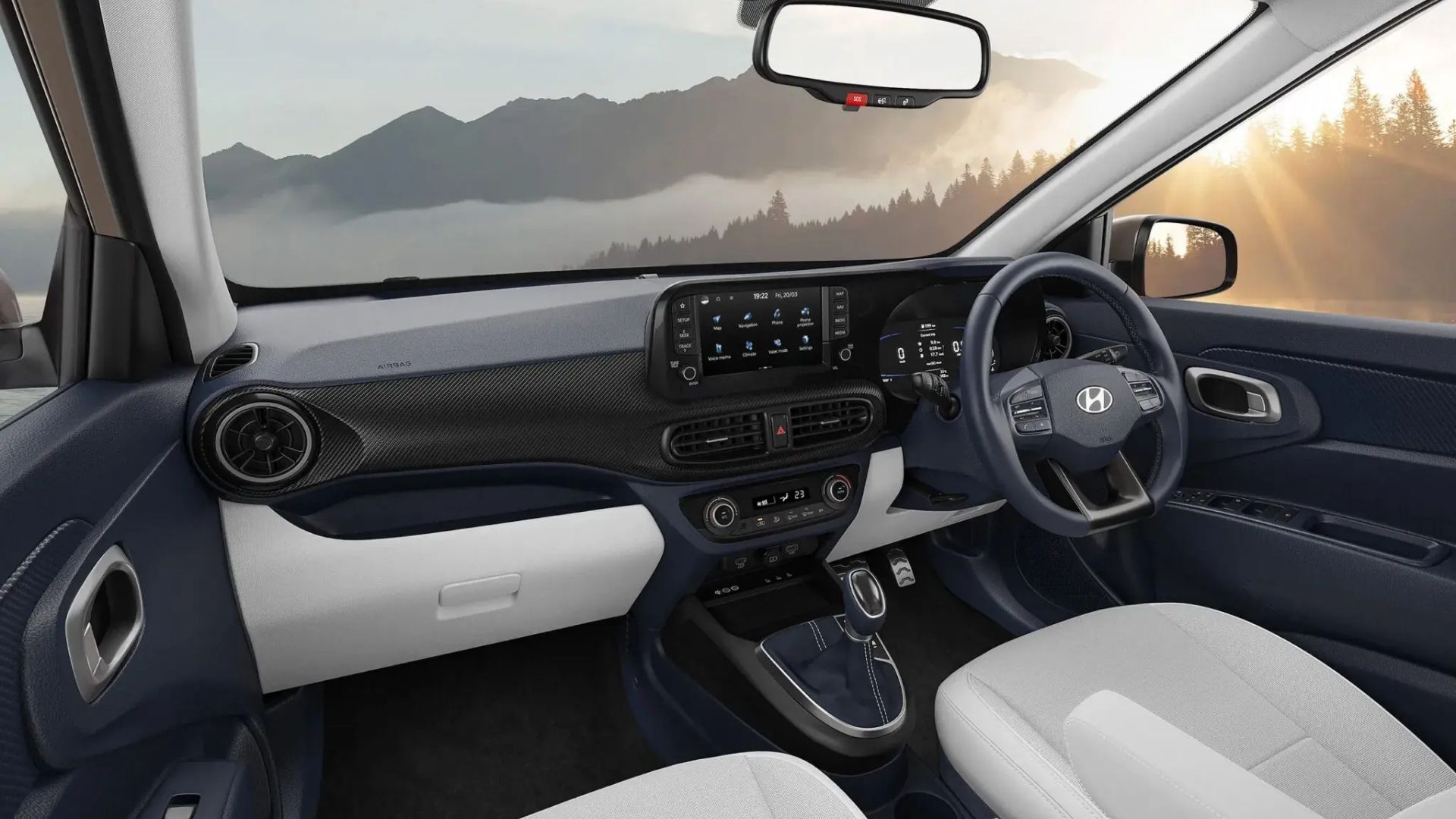
For R$ 32,000, a brand new Hyundai car is a rival to the Kwid with a 1.2 engine producing 82 hp, 6 airbags as standard, multimedia with wireless Android Auto, up to 391 liters in the trunk, and a refreshed look for 2026 in India.
-
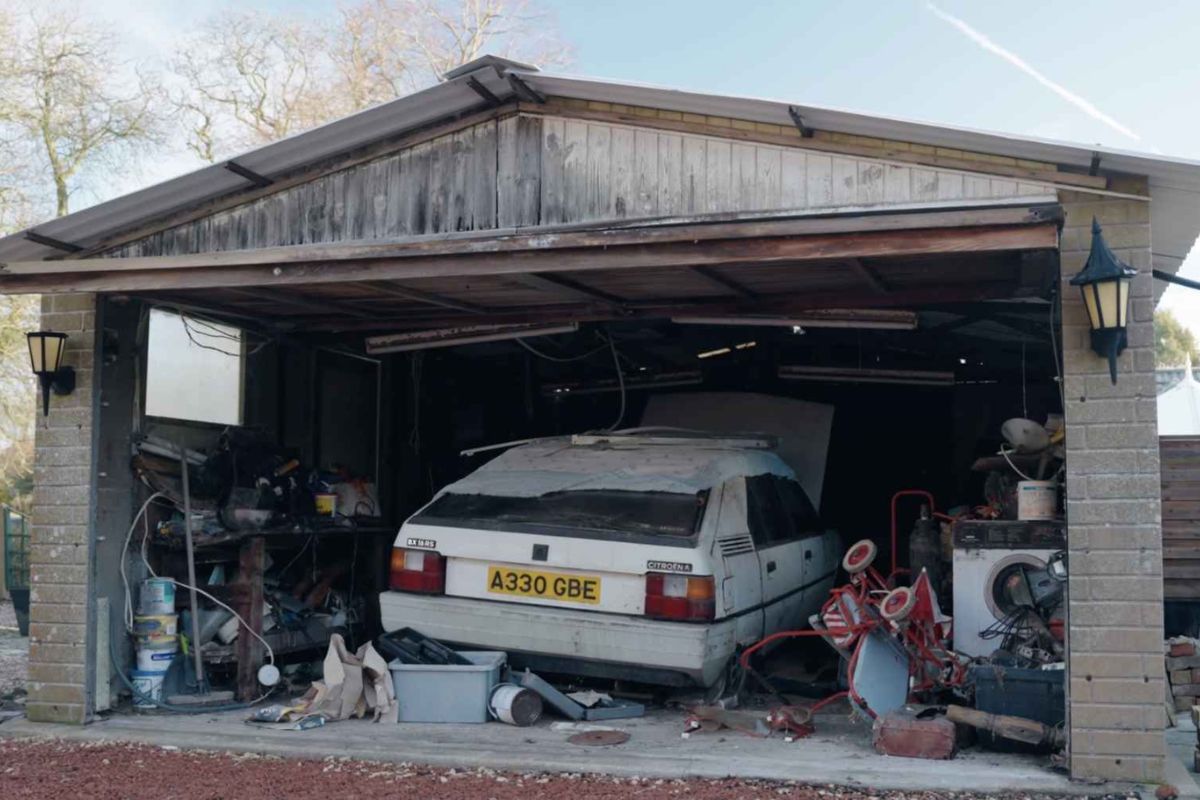
He bought a new car in 1983, locked it in the barn in 1988, and no one opened the door for 38 years until the family discovered what was stored inside and realized it looked like something out of a movie.
-
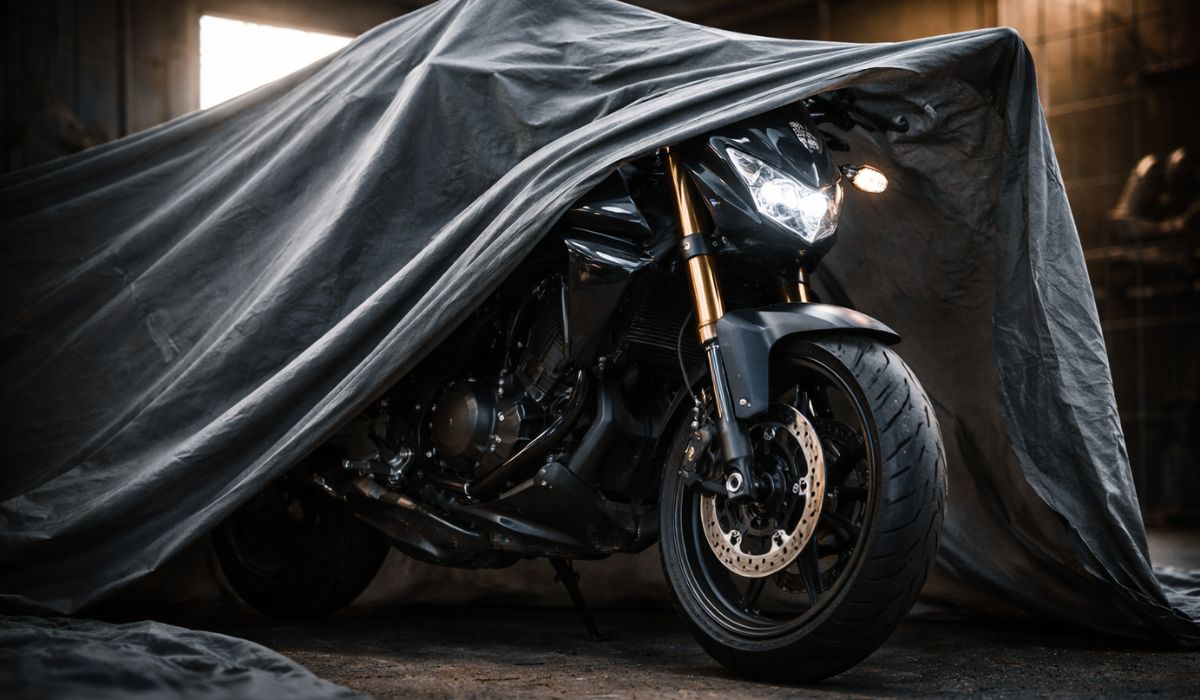
A 250cc motorcycle that can reach 560 km with a 14-liter tank, features disc brakes on both wheels and is among the most well-known in Brazil.
-
Man finds over 200 rare cars abandoned on a lot and tries to do the impossible in 8 hours with a surprise at the end.


The Commission indicated that synthentic fuels and advanced biofuels will play a prominent role in the analysis, potentially integrating into European policy for road transport after 2030.
For many countries and manufacturers, this decision is a sign of openness and pragmatism. The automotive sector has been warning that exclusive reliance on electric mobility could raise costs, limit the availability of affordable vehicles, and affect employment in traditional segments of the production chain.
The review thus brings a new margin for political and industrial maneuvering, with a direct impact on investments in innovation and energy infrastructure.
Manufacturers Return to Betting on Hybrid Engines and Alternative Fuels
The partial backtracking of the European Union regarding total electrification is already reflected in automakers’ strategies. Historic brands from the continent have resumed plans to produce thermal or hybrid vehicles, at least in part of their lines.
Porsche, for example, announced the development of a new combustion SUV; Alfa Romeo postponed the launch of a 100% electric model; and Lancia confirmed electrified versions instead of fully electric ones.
These decisions show that the market is seeking gradual and technically feasible solutions to meet decarbonization targets without compromising profitability.
Experts emphasize that synthetic fuels and biofuels can significantly reduce CO₂ emissions without requiring the immediate replacement of the current fleet, representing a smoother and economically sustainable transition.
Economic and Political Impacts of the Review
The anticipation of the review also has a strong geopolitical dimension. With growing pressure from China and the United States in the global electric vehicle market, the European Union is seeking to reposition itself as a competitive and technologically autonomous bloc.
The goal is to create a balanced model that maintains environmental commitments while ensuring economic viability for the industry and consumers.
The Commission’s challenge will be to reconcile opposing positions within the bloc. While countries like Germany, Italy, and Poland advocate for greater regulatory flexibility, others including Sweden, Spain, and Portugal remain firm on the electric agenda.
The review of environmental targets, planned within the European Green Deal, will be the balancing point between sustainability, industry, and accessibility.
What to Expect by the End of 2025
The European Commission aims to complete the review by December, opening consultations with governments, manufacturers, and scientific institutions to define the new parameters.
The expectation is that technological neutrality will gain official status in energy transition policies, allowing for the integration of electric, hybrid, synthetic, and bioenergy solutions within the same regulatory framework.
In the medium term, the bloc is also studying a project for a compact and affordable electric car produced within the European Union, inspired by Japanese “kei cars” models, as an alternative to low-cost Chinese vehicles.
This measure reinforces the European ambition to build a sustainable and competitive industrial ecosystem, supported by multiple technologies.
The decision to bring forward the review of the end of gasoline and diesel cars symbolizes a pragmatic shift in Europe’s environmental policy.
The continent is now seeking to balance climate goals and industrial realities, recognizing that neutrality technological may be the key to a viable and inclusive transition.
Do you believe that Europe should really relax its targets and allow synthetic fuels and biofuels alongside total electrification?










Seja o primeiro a reagir!