





 Portuguese
  English
  Spanish
  2 min of reading
  2 comments




Technological Revolution: Ex-Google Maps and Collaborative AI
A group of former Google Maps employees is about to transform the way we interact with technology. With financial backing from Sequoia Capital, one of the most renowned venture capital firms in the world, they are developing a collaborative AI that promises to revolutionize digital interactions. But what exactly does this mean?
What Is Collaborative AI?
Collaborative AI is a technology that aims to enhance the interaction between humans and machines, making it more intuitive and efficient. Unlike traditional AIs, which operate independently, collaborative AI works side by side with users, learning and adapting to their specific needs. This could signify a radical change in how we utilize technology in our daily lives.
The Role of Sequoia Capital
Sequoia Capital, known for investing in giants like Apple and Google, is making a significant bet on this innovation. Sequoia’s funding not only validates the potential of collaborative AI but also provides the resources needed to accelerate its development. This financial support is crucial for turning the vision of the ex-Google Maps team into reality.
-
China launches the world’s most advanced weather satellite with 6 scientific instruments, a lightning detector, and artificial intelligence capable of predicting storms, tornadoes, and hail with unprecedented accuracy.

-
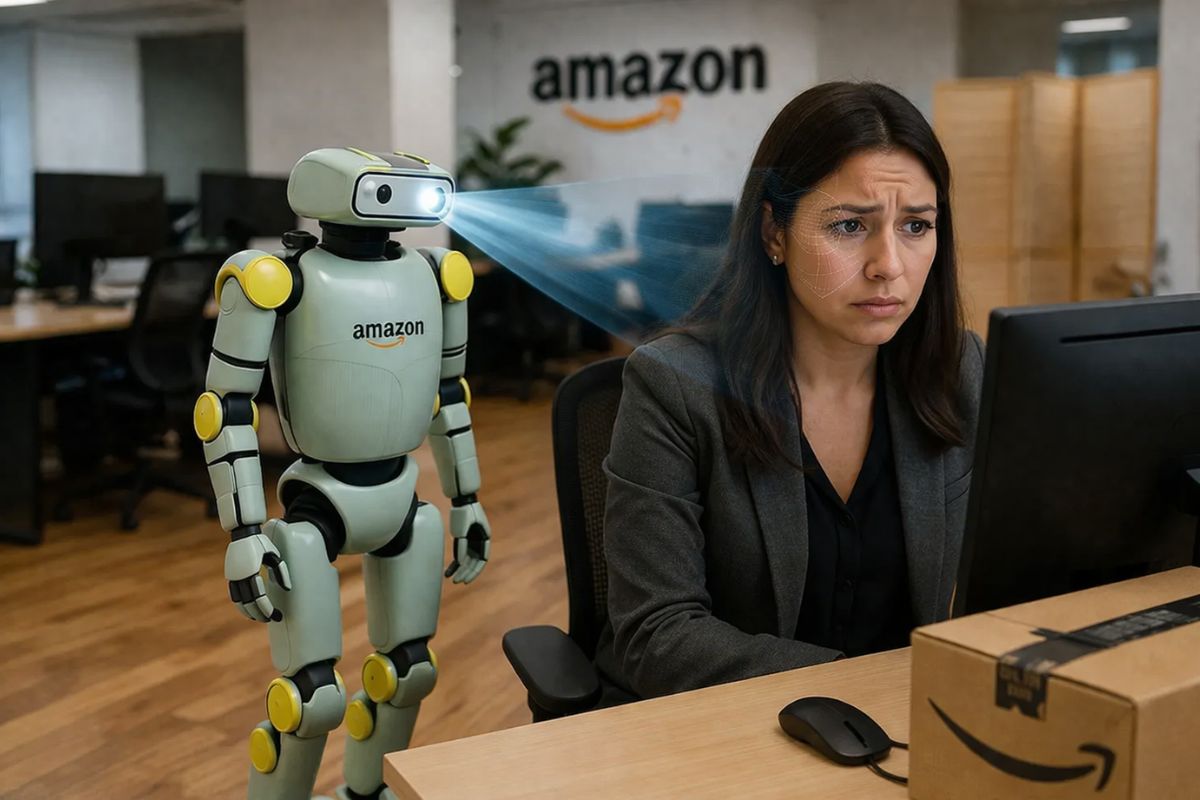
Amazon bought a child-sized robot that detects your micro-expressions and knows when you are sad, in a hurry, or ignoring it: the brilliant and frightening strategy to enter your home without you resisting.
-
The digital brain of Brazil’s most advanced fighter jet is from Rio Grande do Sul: a company from the state developed the panoramic display, the helmet visor, and the encrypted communication system that equip the F-39E Gripen produced in the country.

-
Scientists have excavated a giant cave beneath the snow of Antarctica to create a natural refrigerator at minus 50 degrees that operates without electricity and can preserve the Earth’s climate memory for centuries.

Potential Impact on Digital Interactions
With collaborative AI, digital interactions could become more personalized and efficient. Imagine a virtual assistant that not only responds to commands but also anticipates your needs, offering solutions even before you ask. This technology could be applied in various areas, from customer service to education and healthcare.
Challenges and Opportunities
While collaborative AI offers numerous opportunities, it also presents significant challenges. Issues of privacy and security are important concerns that need to be addressed. Additionally, integrating this technology into existing systems can be complex. However, the potential benefits outweigh the challenges, promising a new era of digital interactions.
Conclusion: The Future of Digital Interactions
The initiative of the ex-Google Maps team, supported by Sequoia Capital, could redefine the way we interact with technology. Collaborative AI has the potential to make our lives easier and more efficient, but it also raises important questions about privacy and security. As this technology advances, it will be interesting to see how it shapes the future of digital interactions.







**** 3
****