





 Portuguese
  English
  Spanish
  3 min of reading
  436 comments


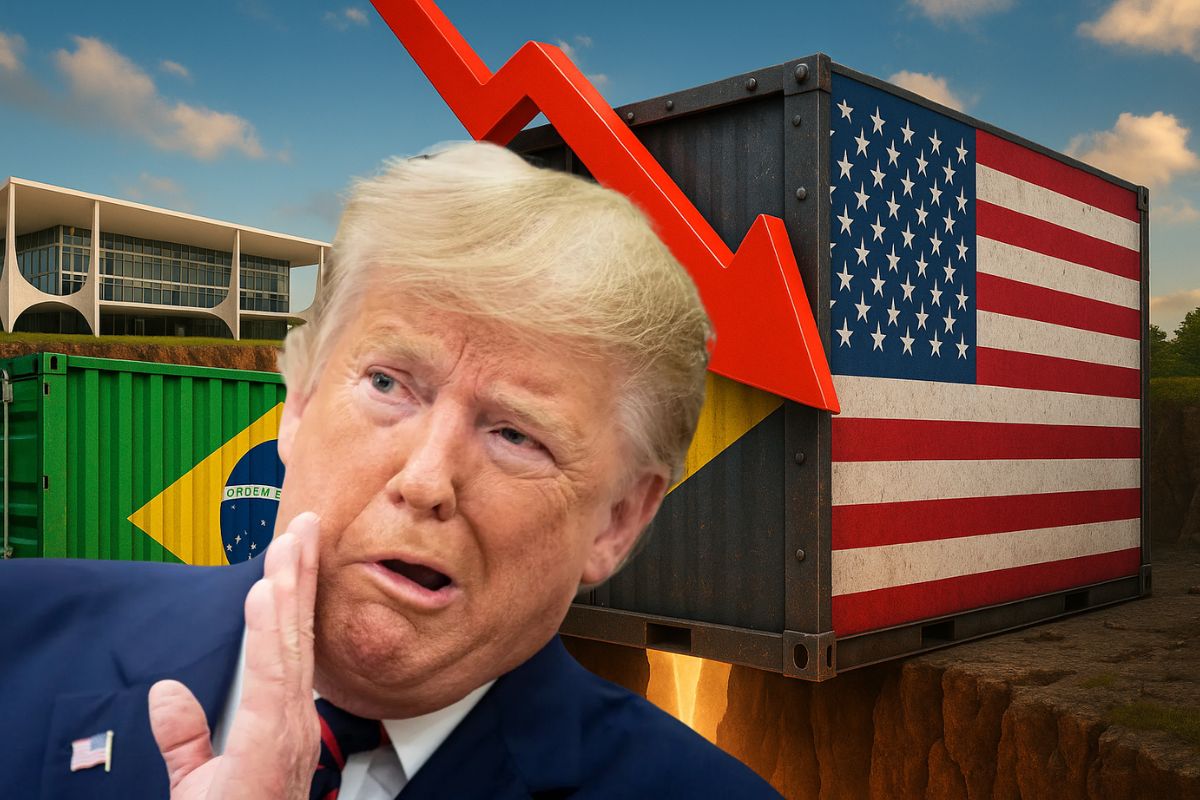


Why Brazil Should Stop Fighting with the USA and Negotiate? Experts Point Out That the Escalation of American Tariffs Against Brazil Can Be Reversed with Dialogue, but the Government Has Yet to Build Effective Negotiation Channels.
The increase in American tariffs on Brazilian products has raised alarm bells in the business sector and the government. The surcharge of up to 50% on strategic items has been interpreted as a reflection of a lack of political coordination between Brasília and Washington. According to the former president of the BRICS Bank, Marcos Troyjo, the problem is not just economic, but a diplomatic strategy: while other countries are acting directly with the White House, Brazil has limited itself to sending formal letters.
According to Troyjo, this leaves the country isolated at a time when privileged access to the US market could secure investments, jobs, and greater competitiveness. He emphasizes that it is not about “bowing down,” but about understanding reality: the US remains the largest economy in the world and Brazil needs to position itself pragmatically.
The Weight of American Tariffs
American tariffs have impacted important sectors of the Brazilian economy, such as meat, coffee, and machinery. On the other hand, products like orange juice and aircraft have been spared, partly due to strong collaboration between Brazilian companies and American buyers. This movement has shown that when there is coordination between exporters and importers, there is a higher chance of escaping surcharges.
-
Larger than entire cities in Brazil: BYD is building a 4.6 km² complex in Bahia with a capacity for 600,000 vehicles per year, but the discovery of 163 workers in conditions analogous to slavery has shaken the entire project.

-
With an investment of R$ 612 million, a capacity to process 1.2 million liters of milk per day, Piracanjuba inaugurates a mega cheese factory that increases national production, reduces dependence on imports, and repositions Brazil on the global dairy map.

-
Brazilian city gains industrial hub for 85 companies that is equivalent to 55 football fields.

-
Peugeot and Citroën factory in Argentina cuts production by half and opens a layoff program for more than 2,000 employees after Brazil drastically reduced purchases of Argentine vehicles.

The problem is that, unlike Mexico, India, and Switzerland, which sent representatives and even heads of state to Washington to negotiate, Brazil has practically not responded. While others build bridges, the country remains distant, reinforcing an image of political isolation.
The Political Dimension of Tariffs
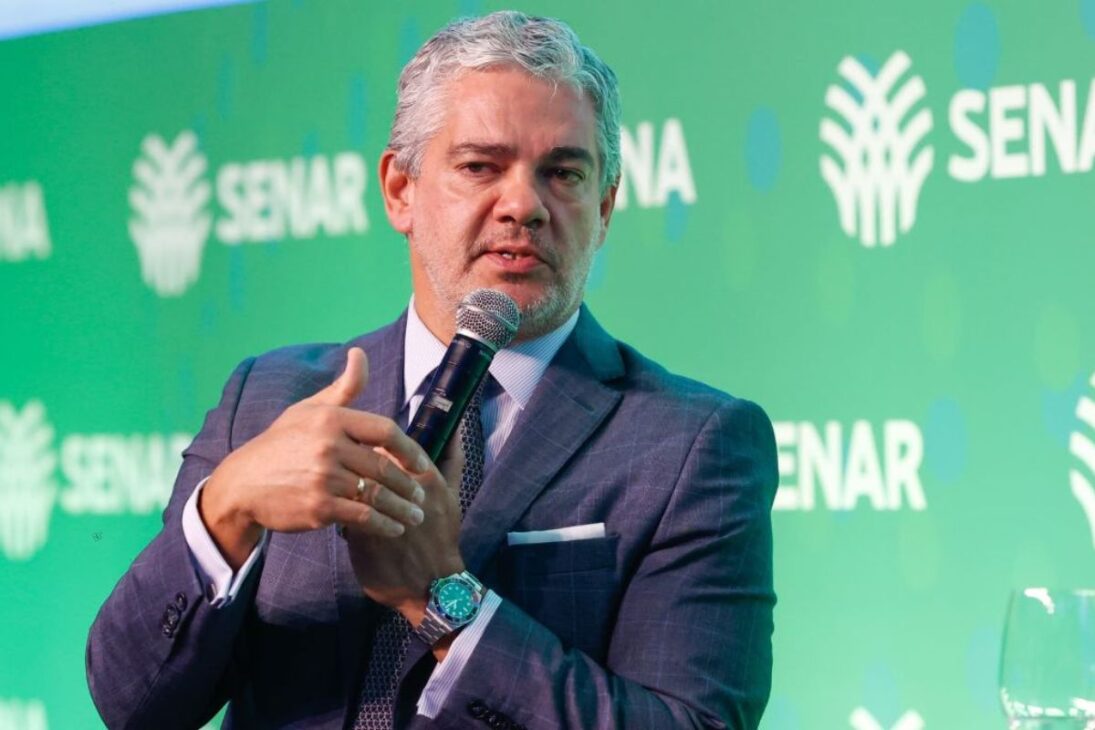
According to Troyjo, the issue of American tariffs goes beyond commerce. The US government is under strong internal pressure and, amid its rivalry with China and Russia, it tends to become harsher with partners who adopt rhetoric considered “anti-American.” This context makes it essential to build formal and informal dialogue channels to reduce tensions.
The former president of the BRICS Bank reminds us that India, despite paying rates of 25%, continues to be at the negotiation tables with US representatives. Brazil, however, has not yet managed to open an effective political front. Without direct negotiation, the country risks being stuck in a “tariff Polish corridor” until 2026, when new electoral cycles will occur in Brazil and the US.
Ways to Reduce Damage
Experts advocate that the Brazilian private sector pressure for more coordination. Companies that are heavily dependent on the US market need to seek support from local partners and act alongside US regulatory bodies. This type of strategy has already helped include Brazilian sectors in tariff exception lists.
On the political side, the recommendation is clear: Brazil should resume high-level communication channels with Washington. Even in a scenario of ideological divergences, it is possible to advance in specific negotiations, as happened in other historical moments. Ignoring this reality could be costly in terms of jobs, investments, and international competitiveness.
The debate about American tariffs shows that the dispute is not just commercial, but about global positioning. Brazil needs to decide whether it will remain isolated or adopt a more pragmatic stance capable of defending its interests in the largest consumer market on the planet.
And you, do you think Brazil should negotiate more actively with the USA to reduce the impact of American tariffs, or maintain the current confrontational stance? Leave your opinion in the comments — we want to hear the views of those who experience the effects of this scenario in practice.










Marcos Troyjo was a key member of Jair Bolsonaro’s administration, serving as Deputy Economy Minister and Special Secretary for Foreign Trade and International Affairs.
É preciso entender que “negociar” tem que existir 2 lados interessados. Quando um dos lados diz : só negocio com você se….. E lhe impõe uma condição inegociável , matou ali uma possível negociação. Será que é tão difícil para esses “intelectuais ” entenderem o óbvio?
Não estão levando em conta que no caso do Brasil está envolvido a soberania. Aqui a questão é política e não financeira como ocorre no resto do mundo.
(Será quê são tão **** assim?)
Para negociar com o mundo livre, vc precisa cumprir acordos, e quando fica claro que vc não quer cumprir os acordos bilaterais e os acordos mundiais dos quais vc é signatário, é preciso nessa hora uma compreensão maior, pois o outro enxergou em vc algo que o seu ego escondeu. E nas mesas dos livres e democráticos, só senta quem cumpre os requisitos democráticos para todo um povo, não apenas para os amigos do rei.