





 Portuguese
  English
  Spanish
  5 min of reading
  0 comments


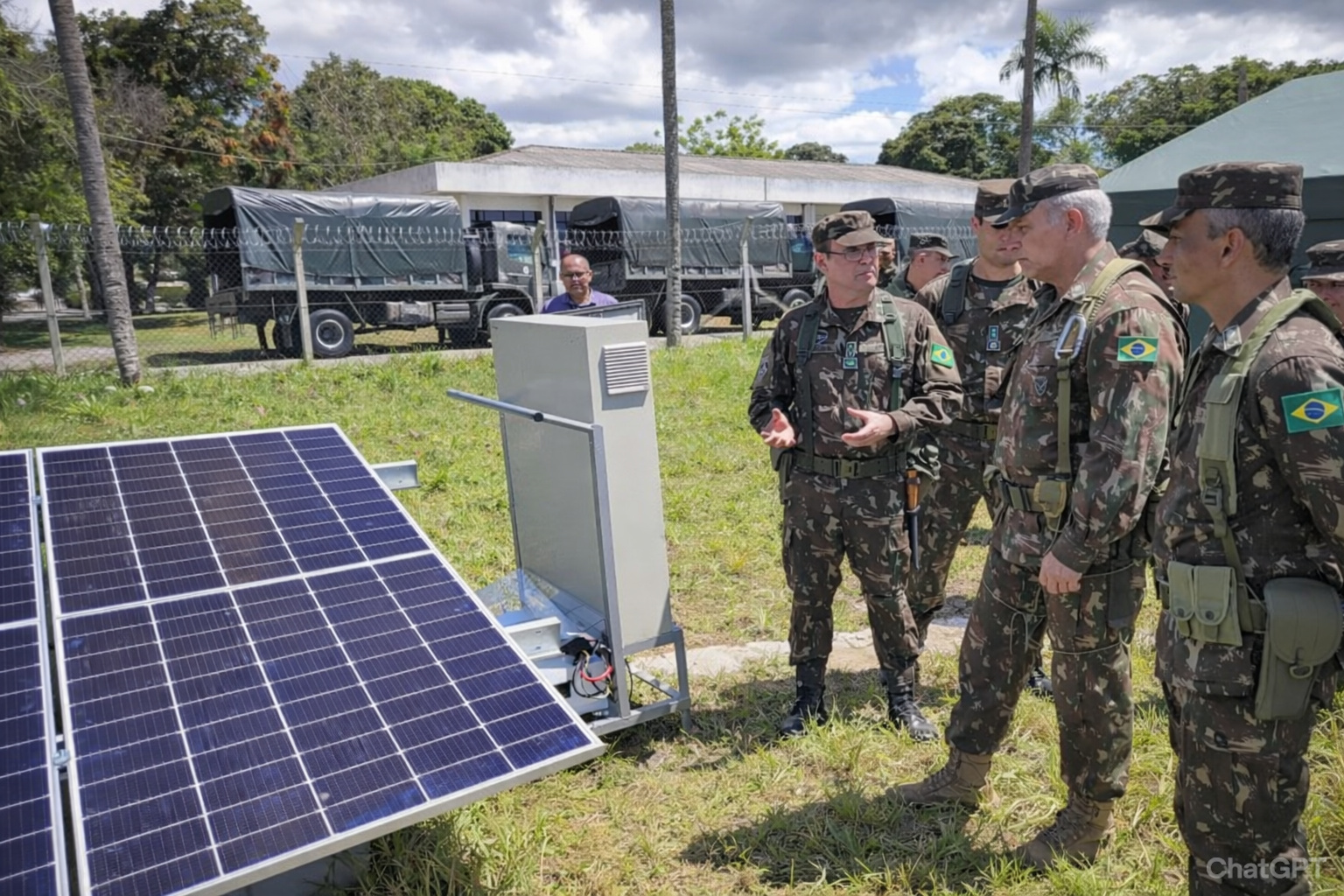
Brazilian Army To Test Renewable Energy For The First Time To Increase Autonomy, Reduce Logistical Risks, And Enhance Troop Camouflage
The Brazilian Army will test renewable energy for the first time in platoon mobilizations, using a mobile module composed of solar panels and lithium batteries. The initiative aims to reduce the exposure of supply convoys, increase energy autonomy in the field, and strengthen the camouflage capacity of troops during operations.
The project marks a strategic advance in the logistical modernization of the ground force. By integrating portable solar generation and battery storage, the Army reduces dependence on fossil fuel-powered generators.
Additionally, the technology can reduce the number of trips for refueling, which decreases operational risks. In military scenarios, logistical convoys often become vulnerable targets. Therefore, solutions that enhance autonomy in the field gain relevance.
-
The Brazilian state accelerates industrial competitiveness with a focus on the extraction of strategic minerals to boost the energy transition in Goiás.

-
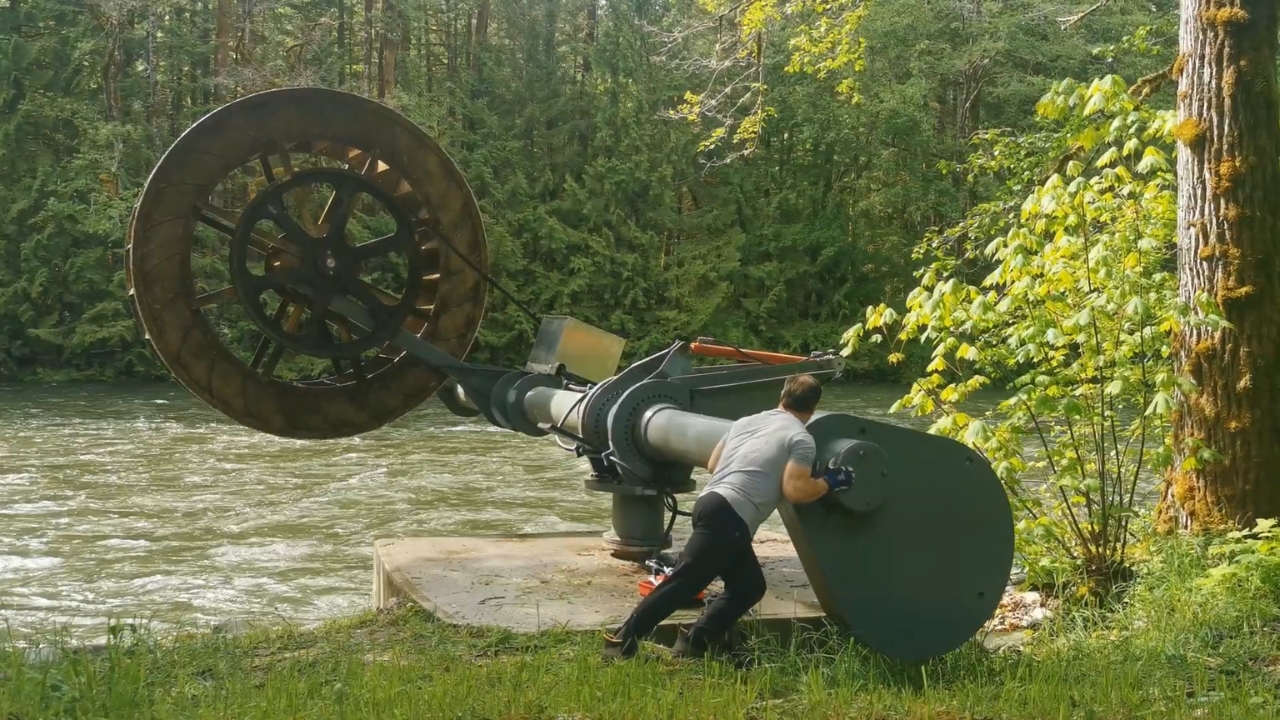
A Canadian retiree creates a hydroelectric system on a real river, generating energy continuously throughout the day and demonstrating how the power of water can supply a house with stability even in a simple structure.
-
Petrobras reaffirms its commitment to the market and ensures that it will carry out the energy transition safely to maintain national sovereignty.

-
Researchers discover a possible hydrogen deposit of up to 46 million tons beneath an ancient coal basin, and the volume could exceed half of the entire global production.


In this context, the Brazilian Army will test renewable energy for the first time with a direct focus on operational efficiency and tactical safety.
How The Mobile Solar Energy Module Works
The system includes portable solar panels attached to mobile structures and high-capacity lithium batteries. Military personnel can transport the unit in vehicles or adapt the module to temporary bases.
The panels capture solar radiation and convert the energy into electricity. Then, the batteries store this energy for continuous use, including at night or during periods of low solar incidence.
Moreover, the system allows for powering communication equipment, monitoring systems, electronic devices, and campaign lighting.
This way, the Army reduces the constant use of diesel generators, which require frequent refueling and produce high noise levels.
Reduction of Supply Convoy Exposure
Military operations depend on efficient logistics. Transporting fuel to remote areas increases the number of trips and amplifies risks in the field.
When the Brazilian Army tests renewable energy for the first time, the institution aims to decrease the need for constant fuel delivery for generators.
Additionally, fewer convoys in circulation mean less exposure to threats and a lower likelihood of mission interruptions.
In this scenario, mobile solar generation strengthens the operational strategy. Troops can remain in position longer without relying on frequent resupply.
At the same time, the reduction in fuel transportation can lead to financial savings and optimization of logistical resources.
Increased Camouflage And Discretion In The Field
Traditional generators produce noise and heat, factors that can compromise the discretion of an operation. Thermal and acoustic sensors can easily detect these signatures.
With the new system, the Brazilian Army will test renewable energy for the first time that operates quietly. The solar panels do not generate significant noise during operation.
Additionally, lithium batteries operate in a stable and silent manner. This contributes to greater camouflage capability for the troops.
In this context, the technology reinforces tactical advantage in operations that require discretion and prolonged strategic positioning.
Sustainability And Innovation In The Armed Forces
The adoption of renewable sources also aligns with global sustainability trends. Various armed forces around the world invest in clean energy solutions to reduce dependence on fossil fuels.
When the Brazilian Army tests renewable energy for the first time, it aligns with this agenda of technological innovation.
Moreover, the integration of solar energy in the field demonstrates the capacity to adapt to new strategic demands.
Renewable energy does not completely replace conventional sources but enhances operational flexibility. Thus, the Army gains additional energy options in different scenarios.
Energy Autonomy As A Strategic Factor
Autonomy represents one of the pillars of modern military operations. Troops that rely less on external supplies can maintain strategic positions for longer.
The mobile solar module offers exactly this differential. By generating electricity on site, the platoon reduces logistical vulnerabilities.
Furthermore, the storage capacity in lithium batteries allows for continuous use even without direct sunlight.
In this scenario, the Brazilian Army will test renewable energy for the first time with a focus on increasing energy independence and reducing operational bottlenecks.
Possible Future Applications
The initial test may pave the way for the expansion of solar energy use in other military units. Isolated bases, forward posts, and operations in remote areas may benefit from the technology.
Moreover, integration with hybrid systems can combine solar energy with conventional generators, ensuring redundancy.
At the same time, the experience gained in the test will allow for technical adjustments and system improvements.
If the results confirm operational gains, the Army may expand the acquisition of mobile modules and incorporate the solution into future planning.
Logistical And Financial Impact
Fuel represents a significant portion of military logistics costs. The reduction in consumption can lead to savings over time.
When the Brazilian Army tests renewable energy for the first time, it will also evaluate the economic viability of the solution.
Additionally, the decrease in fuel transportation reduces wear and tear on vehicles and maintenance needs.
In this context, mobile solar energy may become a long-term strategic investment.
Technology And Modernization Of National Defense
The incorporation of solar panels and lithium batteries demonstrates technological advancement in the Brazilian Armed Forces.
The global defense sector is increasingly investing in solutions that combine energy efficiency, mobility, and operational intelligence.
By adopting this experimental model, the Army signals a focus on modernization and innovation.
Additionally, the technology may encourage partnerships with national companies in the energy and defense sectors.
What To Expect From The Tests
The Brazilian Army will test renewable energy for the first time in real mobilization scenarios of platoons. The evaluation should consider performance, durability, ease of transport, and maintenance.
The military will also analyze battery recharge time and the capacity to support different equipment.
Furthermore, climatic factors influence the performance of solar panels. Therefore, the test should cover varied conditions.
The results may define the next steps of the military energy strategy.
Renewable Energy As A Strategic Tool
The decision to test mobile solar energy reinforces a gradual change in the military energy matrix.
Additionally, it demonstrates that innovation is not limited to weaponry and combat systems. Logistics also evolves with new technologies.
When the Brazilian Army tests renewable energy for the first time, it expands the debate on efficiency, sustainability, and operational safety.
In this context, solar energy ceases to be merely an environmental solution and starts to integrate tactical strategy.
The initiative represents a significant advance in the modernization of national defense. By reducing convoy exposure, enhancing camouflage, and strengthening energy autonomy, the Army incorporates technology that can transform the way troops operate in the field.










-

-

-

9 pessoas reagiram a isso.