





 Portuguese
  English
  Spanish
  4 min of reading
  0 comments


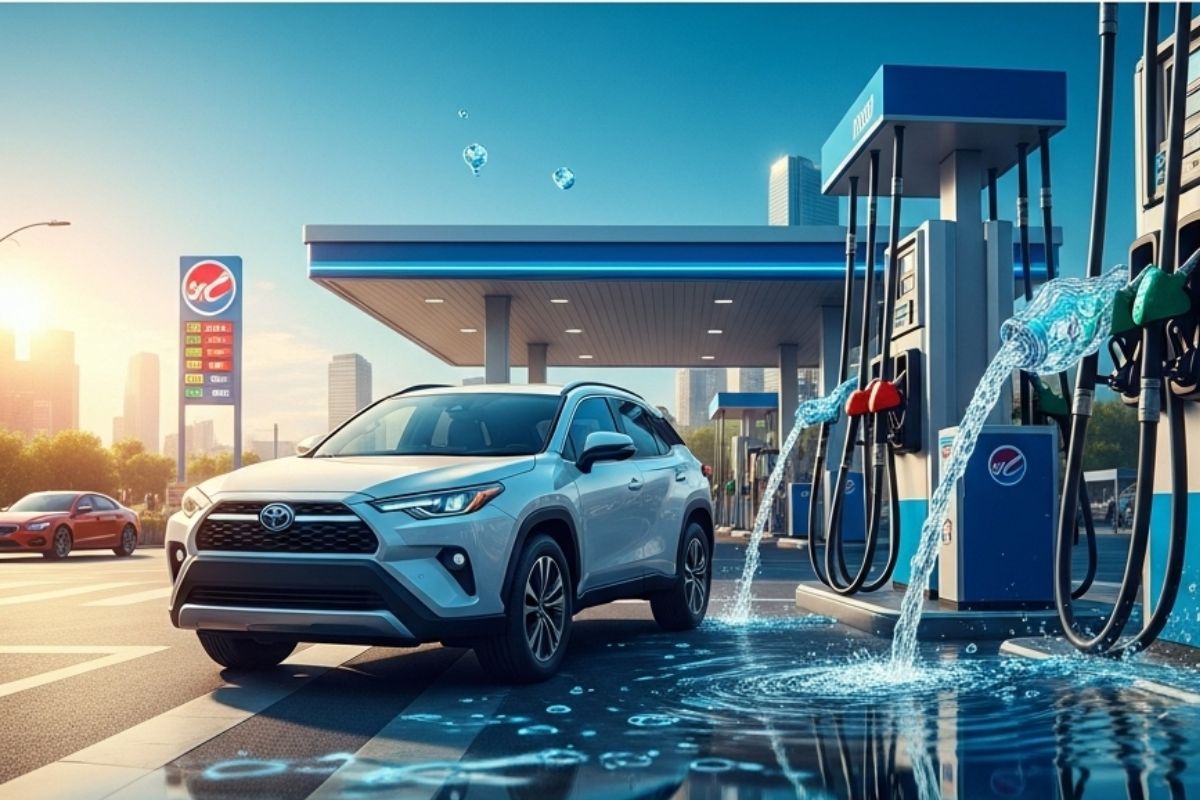
Understand Why The Idea Of Water-Powered Cars Is Not Scientifically Viable And Learn About The True Technology: Hydrogen Fuel Cell Vehicles (FCVs).
The idea of water-powered cars sparks curiosity and hope for a clean and abundant energy source. However, it is crucial to separate myth from scientific reality. Although water is involved in sustainable mobility technologies, it does not work as a direct fuel in the way many imagine.
Understand the fallacy of water-powered cars and explore the viable technology of hydrogen fuel cell vehicles (FCVs). We will analyze how they work, their challenges, advantages, and the future of hydrogen-based mobility, based on technical and scientific information.
The Myth Of Water-Powered Cars: Why Does Science Say No?
The notion of a car that uses water directly as fuel is scientifically unfeasible. Water (H₂O) is a very stable molecule, meaning it is in a low-energy state. To extract energy from it, one would first need to break its molecules into hydrogen (H₂) and oxygen (O₂), a process that consumes energy, such as electrolysis.
-
The Federal District bets on innovation and sustainability by launching a hydrogen-powered bus on a new tourist route, promising to reduce emissions and transform the urban experience for residents and visitors.

-
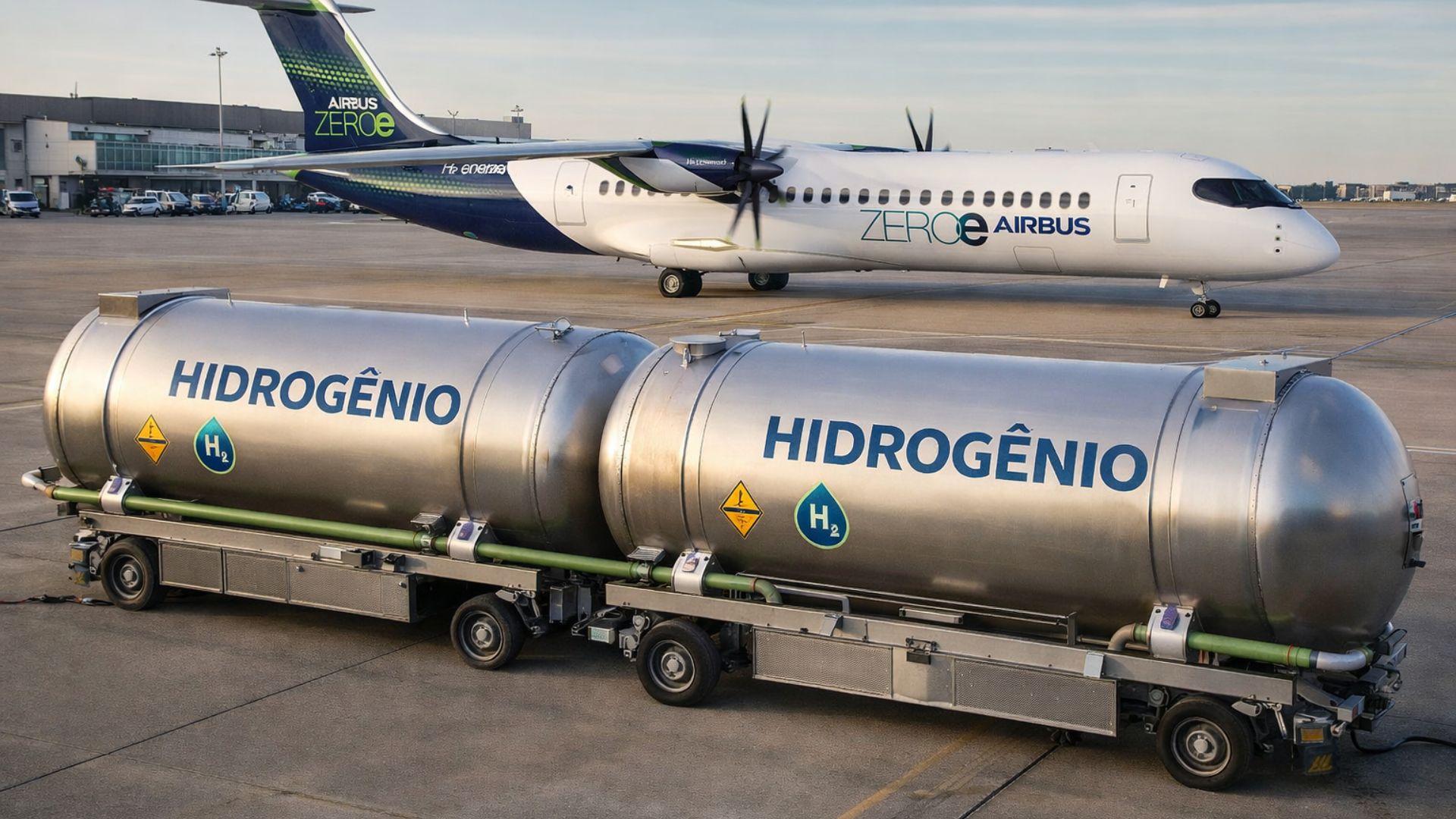
Hydrogen gains strength in aviation with Airbus and its fuel cell aircraft, potentially paving the way for sustainable flights, reduced environmental impact, and a new energy era in global air transport.
-
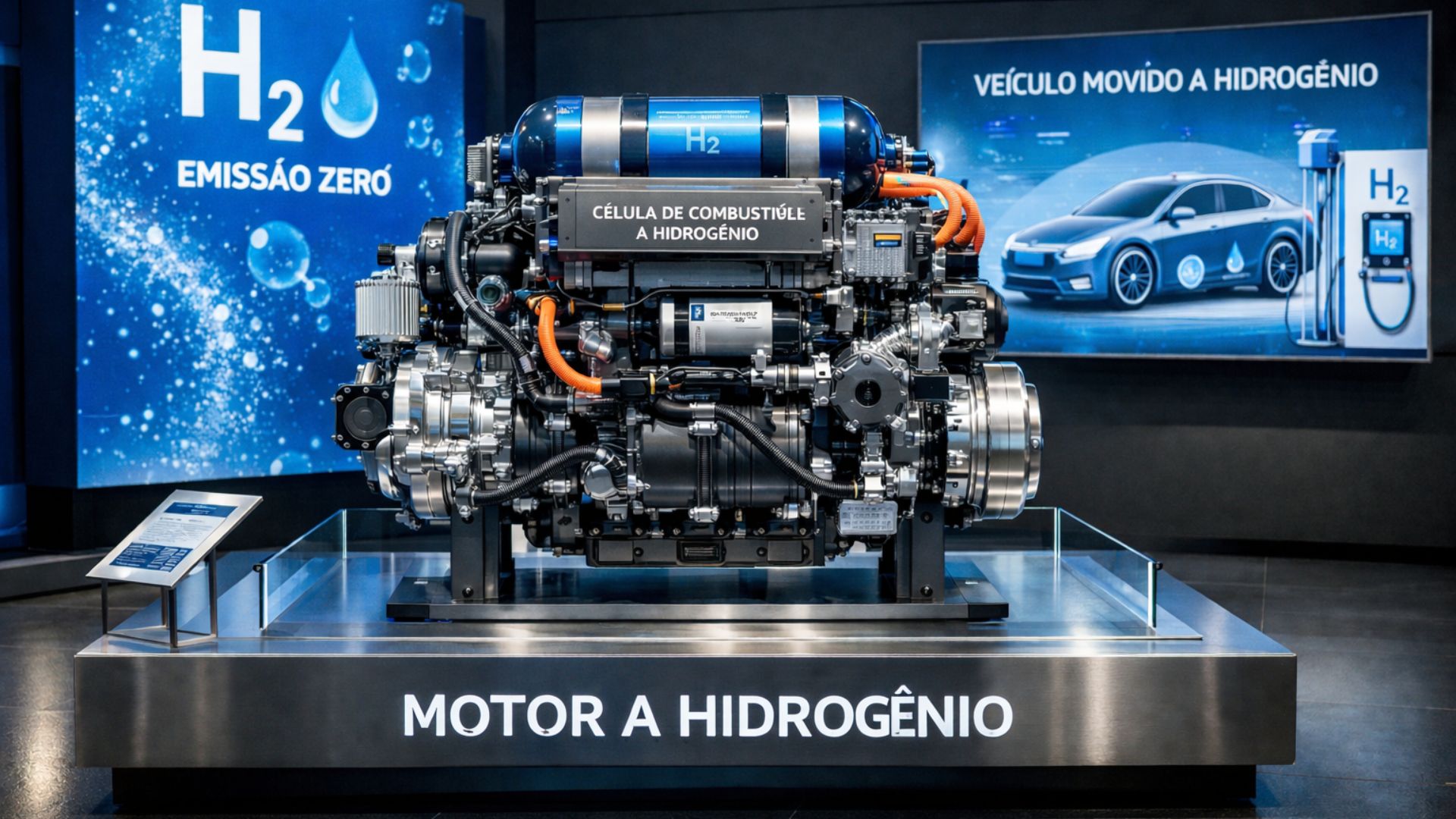
Hydrogen Engine Promises to Revolutionize Automotive Market and Creates a New Technological Horizon, But Economic Challenges Explain Global Resistance from Manufacturers
-
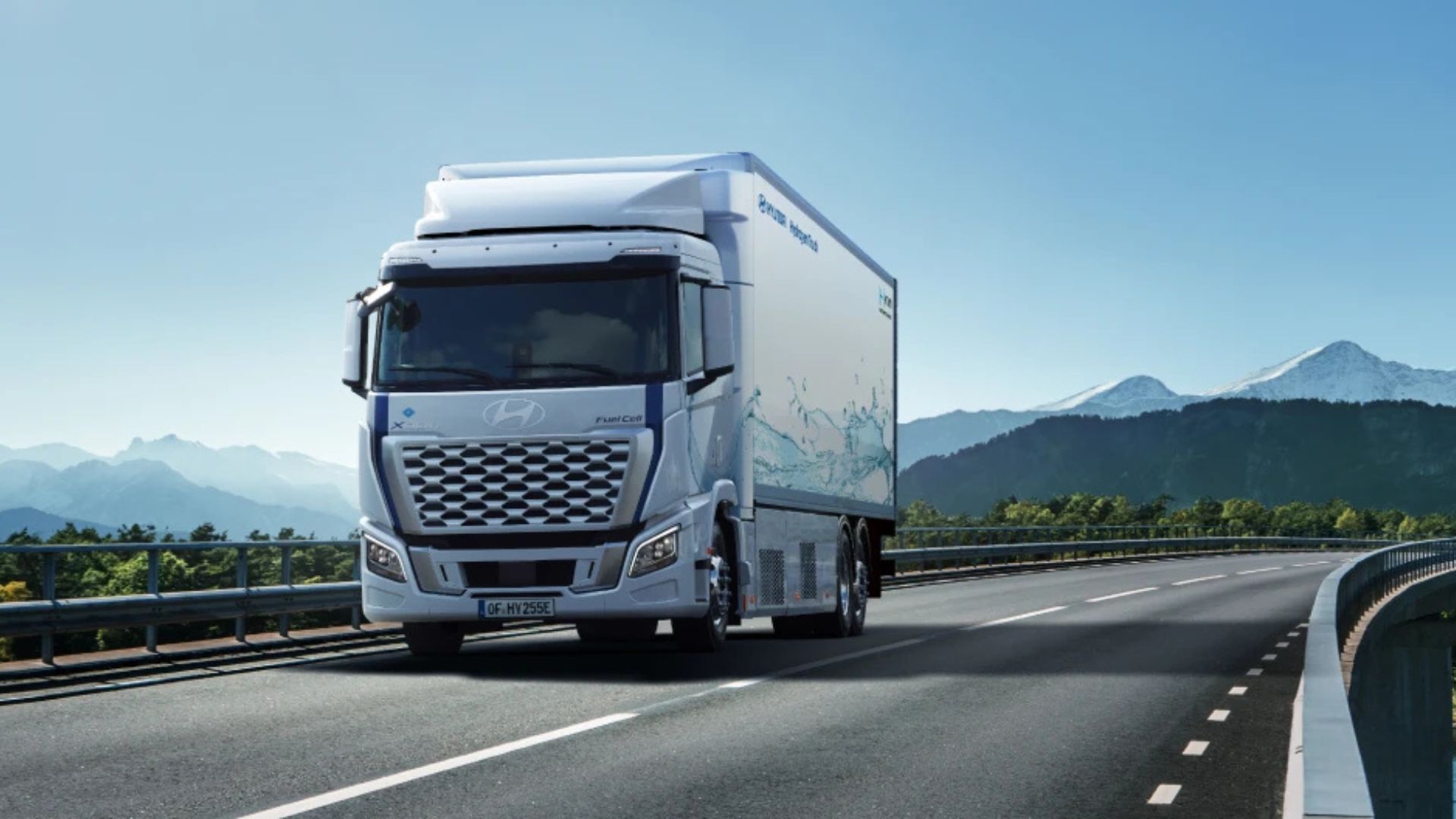
Hyundai XCIENT Fuel Cell Reaches 20 Million Km in Europe in Sustainable Logistics: Historic Milestone for Hydrogen Truck Fleet and Advancement of Global Clean Mobility

The laws of thermodynamics are clear: energy cannot be created from nothing. The amount of energy required to separate water’s atoms is greater than the energy that would be obtained by recombining them. Thus, a car that generated its own energy from water to move would violate these fundamental principles, constituting a perpetual motion machine, which is impossible. Historical claims, such as that of engineer Jean Pierre Chambrin in Brazil, who demonstrated a supposed water car, turned out to be complex systems that used other energy sources (such as alcohol) and were inefficient.
The Real Technology: How Hydrogen Fuel Cell Vehicles (FCVs) Work?
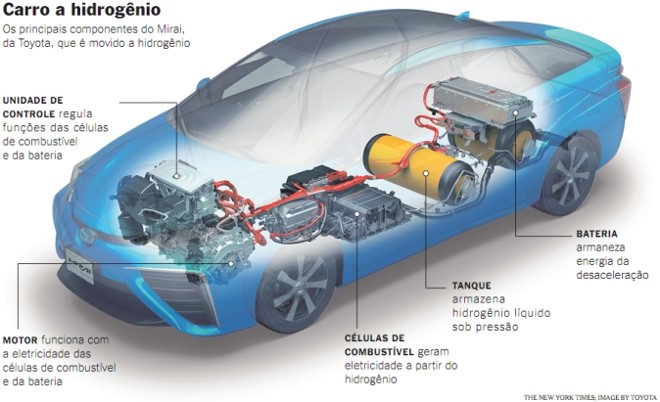
Unlike the myth, hydrogen fuel cell vehicles (FCVs) are a real and promising technology. FCVs are essentially electric vehicles that produce their own electricity on board. They store hydrogen gas (H₂) in high-pressure tanks.
The heart of an FCV is the fuel cell, usually of the PEMFC type (Proton Exchange Membrane Fuel Cell). In it, hydrogen reacts with oxygen from the air in an electrochemical process. This reaction generates electricity to power the car, heat, and, crucially, pure water (H₂O) as the only byproduct emitted by the exhaust. There is no combustion of fuel in the traditional sense, resulting in zero emissions of local pollutants during operation.
Hydrogen Cars Today: Advantages, Challenges, And Key Models In The Market
FCVs offer notable advantages. Their range can exceed 500-600 km with a tank, comparable to combustion cars. Refueling is quick, taking 3 to 5 minutes. Moreover, as mentioned, they emit only water, improving urban air quality.
However, there are significant challenges. FCVs are expensive, and the cost of hydrogen per kilometer driven is generally high. The biggest barrier is the scarcity of refueling stations. The production of “gray” hydrogen (from fossil sources) still dominates, negating some of the environmental benefits. Models like the Toyota Mirai and Hyundai Nexo are examples of FCVs marketed in some markets, while BMW and Honda are also researching and developing the technology.
Experts’ Opinion: Is The Future Of Hydrogen Mobility Promising?
Experts analyze hydrogen mobility with a mix of optimism and caution. Compared to internal combustion engine vehicles (ICEs), FCVs are more efficient and cleaner at the point of use. In comparison to battery electric vehicles (BEVs), FCVs excel in range and refueling time, but fall short in overall energy efficiency (“well-to-wheel”) and infrastructure cost.
The consensus is that the success of FCVs crucially depends on the large-scale production of “green hydrogen” (produced with renewable energy) at competitive prices. Without this, the positive environmental impact is limited. The infrastructure for hydrogen production and refueling also needs massive investments. Many experts see FCVs and BEVs as complementary technologies, with FCVs being more suitable for long-distance heavy transport and BEVs for urban and passenger use.
The Hydrogen Ecosystem: Beyond Water-Powered Cars
To understand the future of FCVs, one must look at the hydrogen ecosystem. Hydrogen is classified by “colors” according to its origin. “Gray hydrogen” comes from fossil fuels and emits CO₂. “Blue hydrogen” also uses fossil sources, but with carbon capture. The ideal is “green hydrogen,” produced by water electrolysis using renewable energy (solar, wind), with almost zero emissions.
Brazil has great potential to produce green hydrogen, due to its vast renewable sources. There are national programs to foster this economy. Research aims to optimize electrolysis and explore routes like ethanol reforming. The transition to clean and viable hydrogen mobility requires technological advances, incentive policies, and international cooperation to develop the entire production chain of green hydrogen.









Seja o primeiro a reagir!