





 Portuguese
  English
  Spanish
  4 min of reading
  0 comments



Understand How Inpasa Expands Its Operations in the Renewable Energy Sector with Planned Investments, Biofuel Diversification, and Sustainable Strategies in Agriculture
Inpasa, one of the largest corn ethanol producers in Latin America, has expanded its operations in Brazil since its arrival in February 2019. With industrial planning and a focus on sustainability, the company strengthens its presence in the renewable energy sector. Furthermore, according to Exame Agro, Inpasa has invested in the diversification of biofuel production. The goal is to meet the growing demand for cleaner energy solutions while respecting the technical and regulatory limits of the sector.
Planned Investments Drive Corn Ethanol Production
Since 2019, Inpasa has established industrial units in Sinop and Nova Mutum (MT), as well as Dourados (MS), Cascavel (PR), and Presidente Venceslau (SP). According to Globo Rural, these plants operate with integrated technology and coproduct utilization. In May 2023, the company announced a new unit in Luís Eduardo Magalhães (BA), expected to be inaugurated in 2026, according to information from Valor Econômico. By March 2024, according to Estadão Conteúdo, new investments of around R$ 5 billion were announced. These resources will be used in Sidrolândia (MS) and Balsas (MA), as well as the expansion of the plants in Mato Grosso. As a result, the company maintains an industrial growth rhythm based on economic viability, regional grain supply, and logistical planning.
Energy Diversification Under Development
In addition to corn ethanol, Inpasa has been studying the technical and economic viability of biodiesel production from corn oil and other vegetable oils since 2022, as reported by Globo Rural. Production analysis for SAF (sustainable aviation fuel) is also underway, with testing expected to begin in 2025, as stated to Agência Brasil Energia. This type of fuel meets international regulatory requirements and is still under study. Meanwhile, projects for cellulosic ethanol and biomethane are in technical evaluation, based on the availability of agricultural residues and environmental requirements. These initiatives are not yet in operation but are part of the company’s medium- and long-term strategy to enhance its contribution to the renewable energy sector.
-
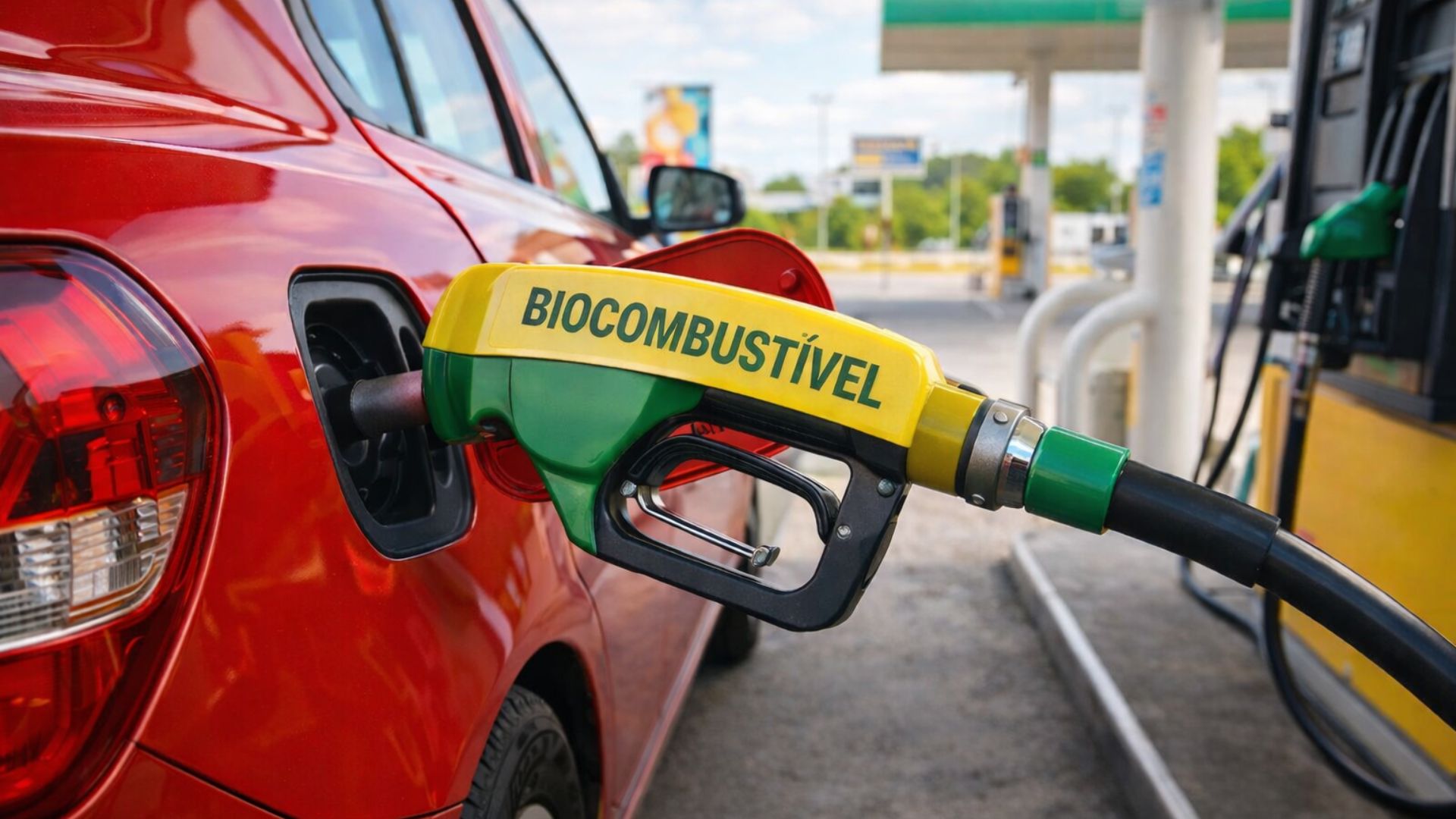
Brazil accelerates hydrogen and biofuel projects to consolidate the fuel of the future and reduce dependence on oil by 2026.

-
CNPE strengthens policy and prevents imported biodiesel from being mixed with diesel, aiming to strengthen the Brazilian industry and protect jobs by reducing external dependence amid tensions in the global market.
-
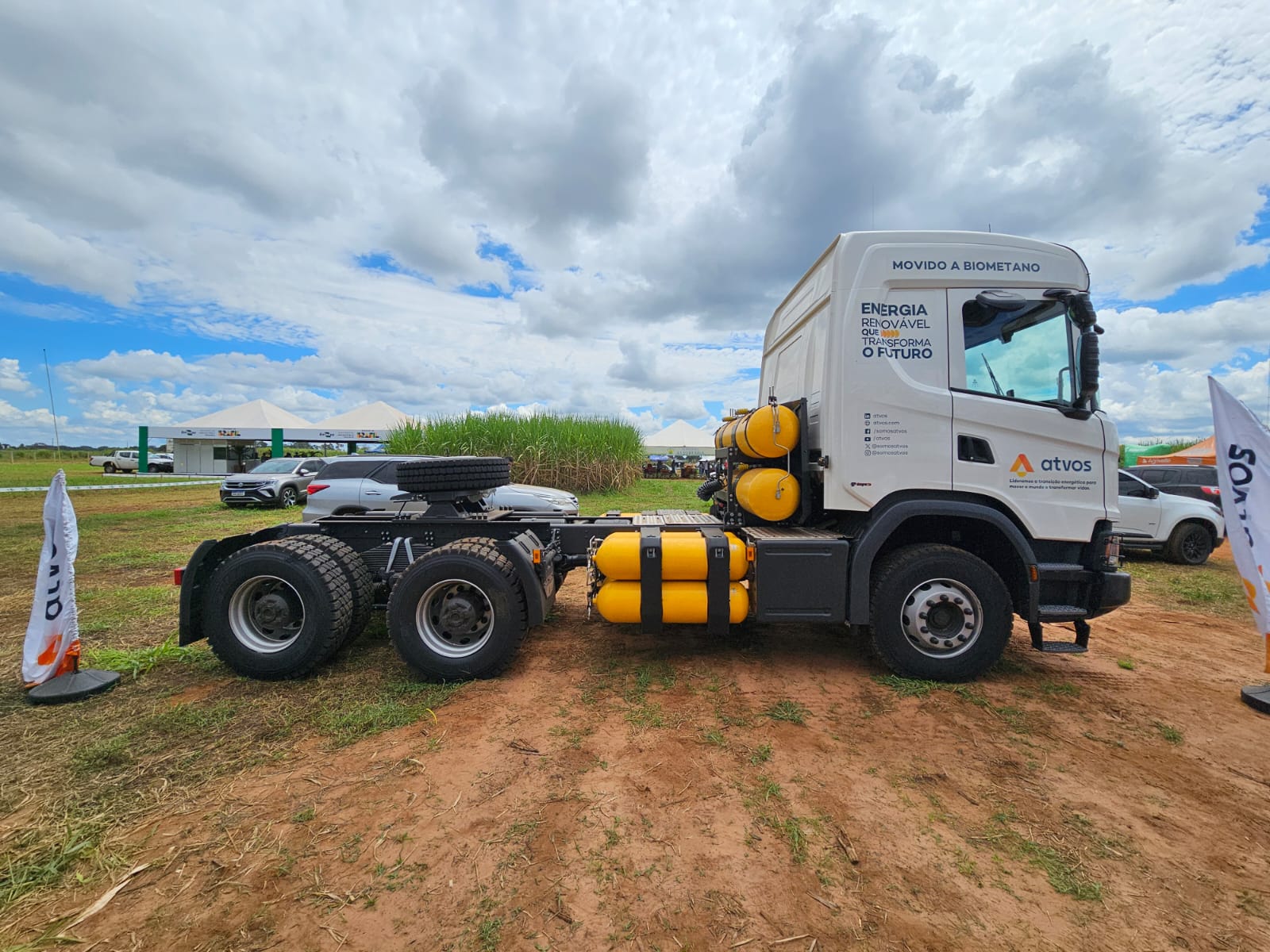
Revolution in public transport: Goiânia puts into circulation the first articulated buses powered by biomethane in Brazil and promises to drastically reduce pollution on the Anhanguera Corridor.

-
From the field to the pipelines: Mato Grosso do Sul accelerates the energy transition and consolidates a new axis in renewable energy with the arrival of a giant biogas plant.

Corn Ethanol Solidifies as a Complementary Biofuel
According to the Ministry of Mines and Energy, corn ethanol accounts for about 18% of the national ethanol production, complementing the volume produced from sugarcane. This biofuel emits up to 70% less greenhouse gases compared to gasoline, according to Embrapa Agroenergia. Additionally, its production generates valued coproducts, such as DDGS (high-protein animal feed), corn oil, and electricity generated from biomass. Therefore, corn ethanol represents a viable and established alternative, especially in regions with ample grain supply and agricultural infrastructure.
Sorghum Cultivation Incentive Contributes to Production Security
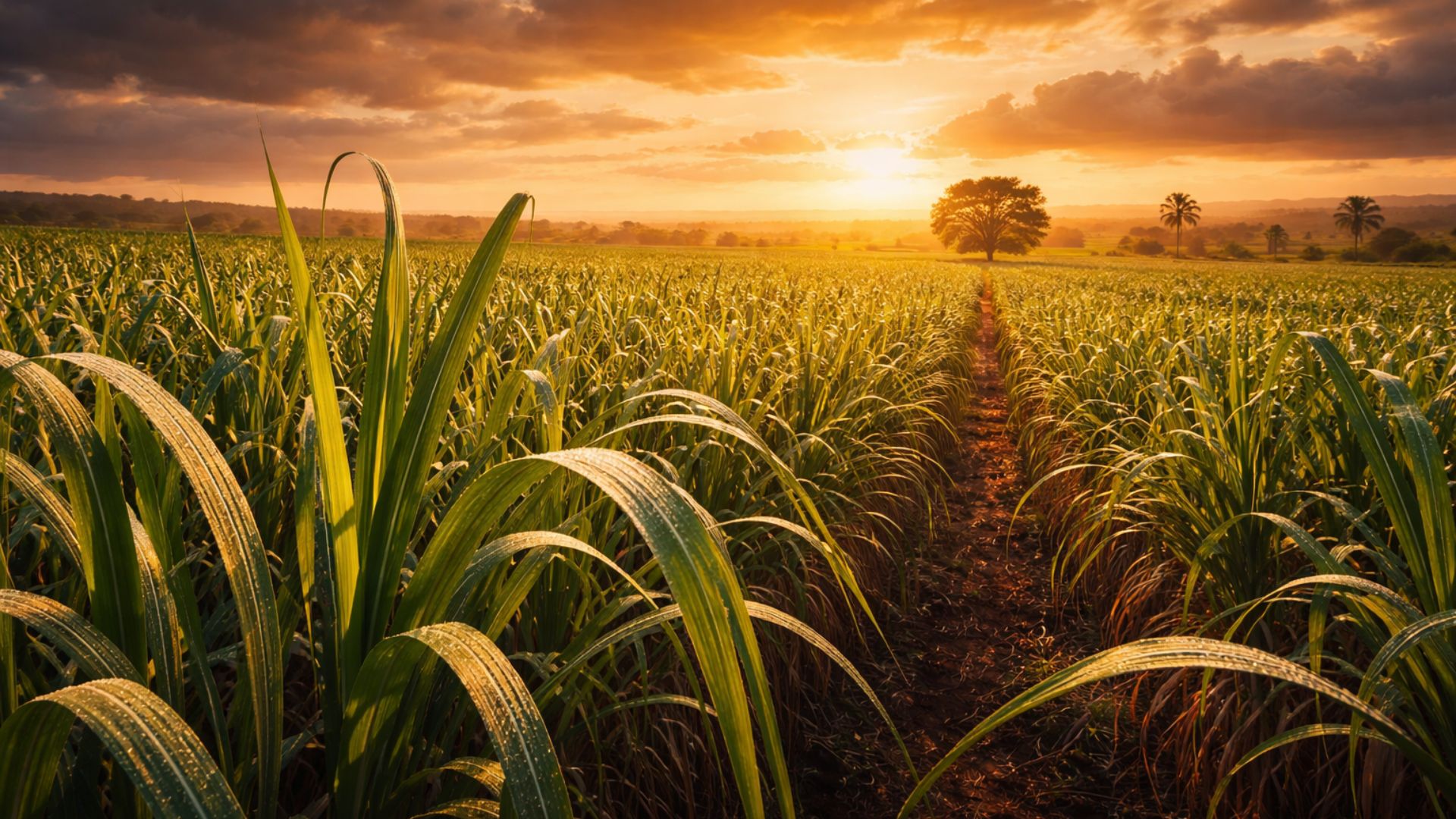
As part of the supply strategy, Inpasa has begun to encourage the cultivation of grain sorghum as an option during the corn offseason. This practice started to be adopted more intensively from the 2021/2022 harvest, according to data from Conab. According to Embrapa Milho e Sorgo, sorghum requires less water and performs well in low-fertility soils, enhancing the security of the raw material in the plants. The diversification of crops also benefits farmers, providing more income alternatives and reducing pressure on corn use during critical periods.
Regional Economic Impact Grows with New Units
Since the installation of its first unit in Brazil, Inpasa has contributed to the economic strengthening of municipalities in the interior. According to IBGE, cities like Sinop (MT) and Nova Mutum (MT) showed significant increases in agro-industrial GDP between 2020 and 2023. The company expects that construction at the new units will generate over 8,000 direct and indirect jobs, based on estimates from CNI (National Confederation of Industry). With planned investments and integration with local production chains, the company promotes regional development focused on stability and social responsibility.
Sustainability is a Structural Part of Inpasa’s Operations
Sustainability is part of Inpasa’s industrial strategy. According to the 2023 Sustainability Report, all units adopt full reuse of industrial waste and prioritize energy efficiency. Additionally, projects for recovering degraded areas, reestablishing springs, and reforestation around industrial units have been underway since 2022. Environmental actions aim not only to comply with legislation but also to reinforce the company’s commitment to the responsible use of natural resources.
Production Targets for 2025 Follow Realistic Parameters
According to internal industrial projections, released by Revista Exame, Inpasa plans to achieve the processing of 12.2 million tons of grains and 5.5 billion liters of ethanol by the end of 2025. Simultaneously, the company expects to produce 2.95 million tons of DDGS, destined for the domestic market and export. These figures align with the current installed capacity and units under development. The targets follow technical criteria and comply with parameters of the biofuels sector, according to guidelines from the National Agency of Petroleum, Natural Gas and Biofuels (ANP).
Conclusion: Responsible and Committed Expansion with Renewable Energy
Given the facts and data presented, Inpasa’s operations demonstrate strategic consistency, planned industrial expansion, and commitment to providing cleaner fuels for the country. Furthermore, the company adopts good practices in environmental and social governance, valuing integration with producers, municipalities, and research institutions. Inpasa’s consolidation in the bioenergy sector occurs progressively, sustainably, and in accordance with national regulatory frameworks.









-

Uma pessoa reagiu a isso.