





 Portuguese
  English
  Spanish
  3 min of reading
  0 comments


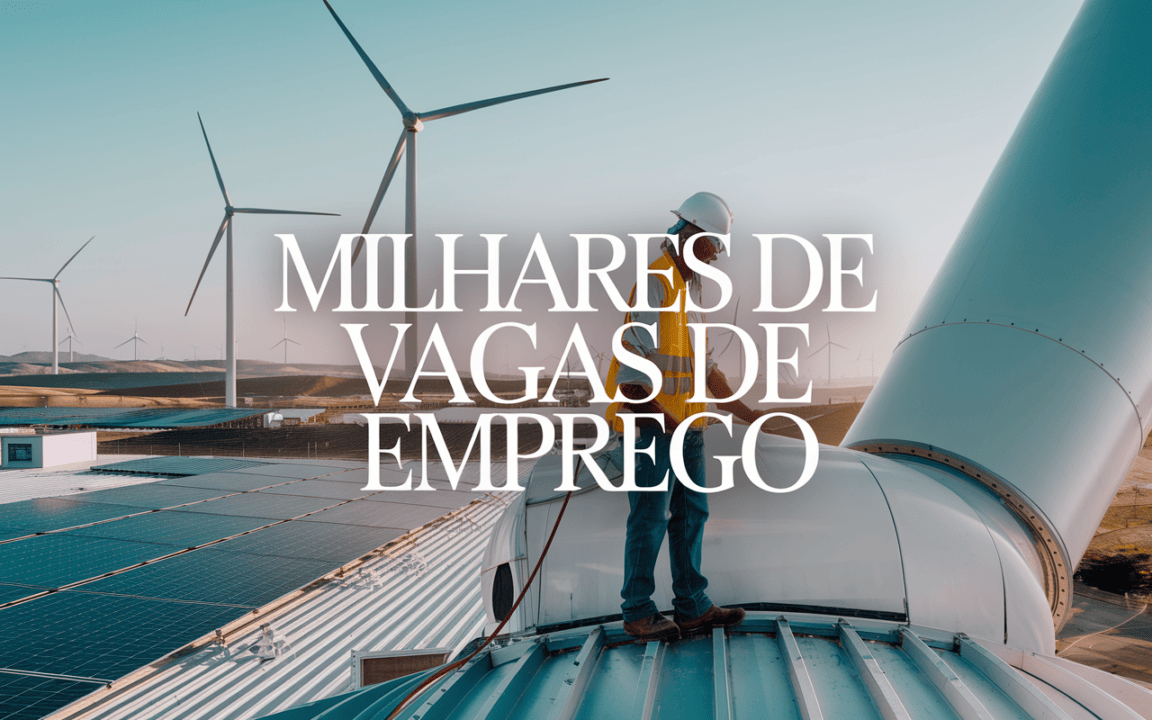
Brazil Is a Global Highlight in Green Jobs Generation and the Sector Continues to Offer Opportunities Even in the Face of Regulatory and Economic Challenges.
The job market in the renewable energy sector is undergoing one of its most promising moments between 2023 and early 2025. Driven by sustainable policies, technological innovation, and increased demand for clean sources, the sector registered significant growth in the number of job vacancies, consolidating itself as one of the main gears of the new global green economy.
In Brazil, the movement is even more intense: the country already holds the third global position in the creation of jobs linked to renewable energy, with over 1.5 million direct and indirect jobs. And the scenario continues to expand, notably in the areas of solar energy, biofuels, and distributed generation.
Renewable Energy Jobs Set Records in 2023 and Open Doors for 2025
According to a joint report by the International Renewable Energy Agency (IRENA) and the International Labour Organization (ILO), the renewable energy sector generated 16.2 million jobs in 2023 — an 18% increase compared to 2022. The expectation is that this number will continue to rise until the end of 2025, fueled by public and private projects across various continents.
-
Renewable energy advances over protected areas in Brazil, and a survey by the Energy Transition Observatory reveals silent impacts that challenge environmental conservation and pressure sensitive traditional territories.

-
Rio Grande do Sul accelerates energy transition: State invests in renewable technologies and consolidates decarbonization strategies and pathways to attract billions in new industrial investments.

-
With 160,000 m² of collectors, an area larger than 20 football fields, Silkeborg, in Denmark, hosts a solar thermal plant that heats 19,500 homes and could become the largest solar heating plant in the world.

-
A study reveals the expansion of renewable energy procurement in Brazil and shows how companies are taking advantage of opportunities to reduce expenses, ensure energy efficiency, and strengthen strategic environmental commitments.


Photovoltaic solar energy leads job creation, with 7.2 million workers employed worldwide. Next are liquid biofuels (2.8 million), hydropower (2.3 million), and wind energy (1.4 million).
Brazil Among Global Leaders in Green Jobs and Renewable Energies
Brazil was one of the countries that stood out the most in this growth. According to IRENA, the country is responsible for one-third of the world’s jobs in the biofuels sector. Alone, it employs about 1.56 million people in the renewable energy chain, placing it third globally, behind only China and India.
In solar energy, Brazil reached the mark of 264,000 direct jobs in 2023, making it the fourth-largest employer in the world in this technology, behind only China, the United States, and Germany.
This advancement is primarily the result of the rapid expansion of distributed generation and incentives for the installation of solar panels in homes, businesses, and rural properties. Brazil has already surpassed the mark of 37 gigawatts (GW) of installed capacity in solar energy.
Trends That Will Drive the Sector Until the End of 2025
The outlook for 2025 is optimistic. According to data from Canal Energia, the projection is that the global installed capacity of renewable sources will jump from 4.7 terawatts to 10.3 terawatts by 2030. In the short term, investments will continue to grow, mainly in:
- Distributed Generation (DG): with the revision of the rules of the Legal Framework for DG, small and medium-sized projects remain on the rise.
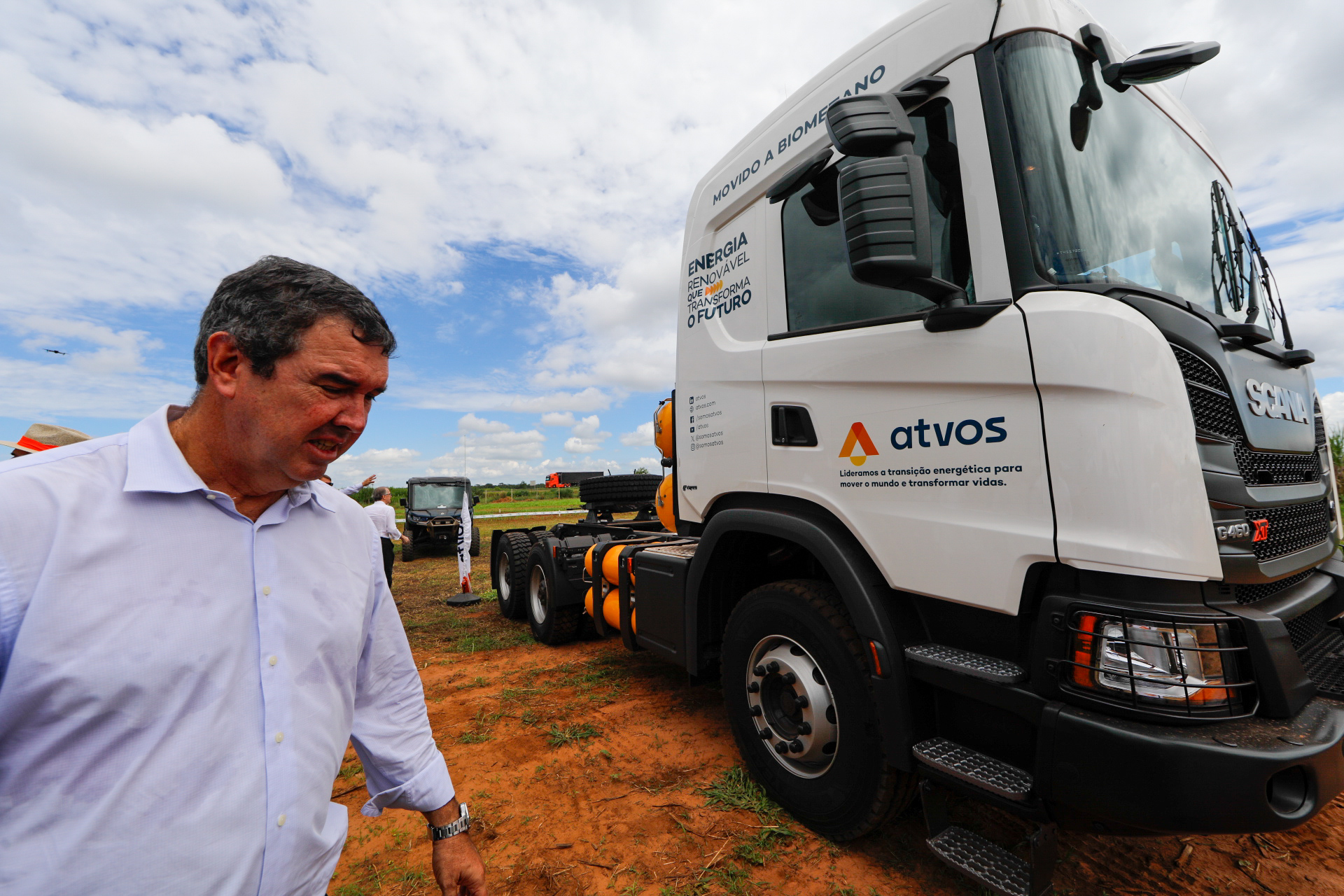
- Biofuels and Bioenergy: Brazil is a pioneer in this segment, with the potential to increase the production of ethanol, biodiesel, and biogas.
- Green Hydrogen: although it still faces challenges regarding economic viability, the sector continues to attract attention from companies interested in decarbonizing their operations.
Challenges That the Sector Still Needs to Face
Despite the growth and opportunities, the renewable energy sector still faces some important challenges in Brazil and abroad:
- Bureaucracy and delays in the approval of large-scale projects;
- Shortage of skilled labor for certain technical roles;
- Slowdown in hydropower investments, which reduced the number of jobs in that sector from 2.5 million (2022) to 2.3 million (2023) worldwide.
Even so, the overall outcome is extremely positive. Renewable energies are now one of the main bets for generating jobs, income, and sustainable development. And Brazil, with its abundance of natural resources and increasingly accessible technology, is among the countries that can benefit the most from this global energy transition.
Technical Education Will Be a Competitive Differential
With the heated market, technical courses and specializations in the renewable energy area are expected to gain even more prominence. Professionals trained to work with solar panel installation, wind turbine maintenance, and biogas system operation are among the most in demand.
Public and private institutions are already adapting their curricula to meet this new reality, focusing on practical training, sustainability, and innovation.
Sources: IRENA, ILO and Canal Energia








Seja o primeiro a reagir!