





 Portuguese
  English
  Spanish
  4 min of reading
  0 comments


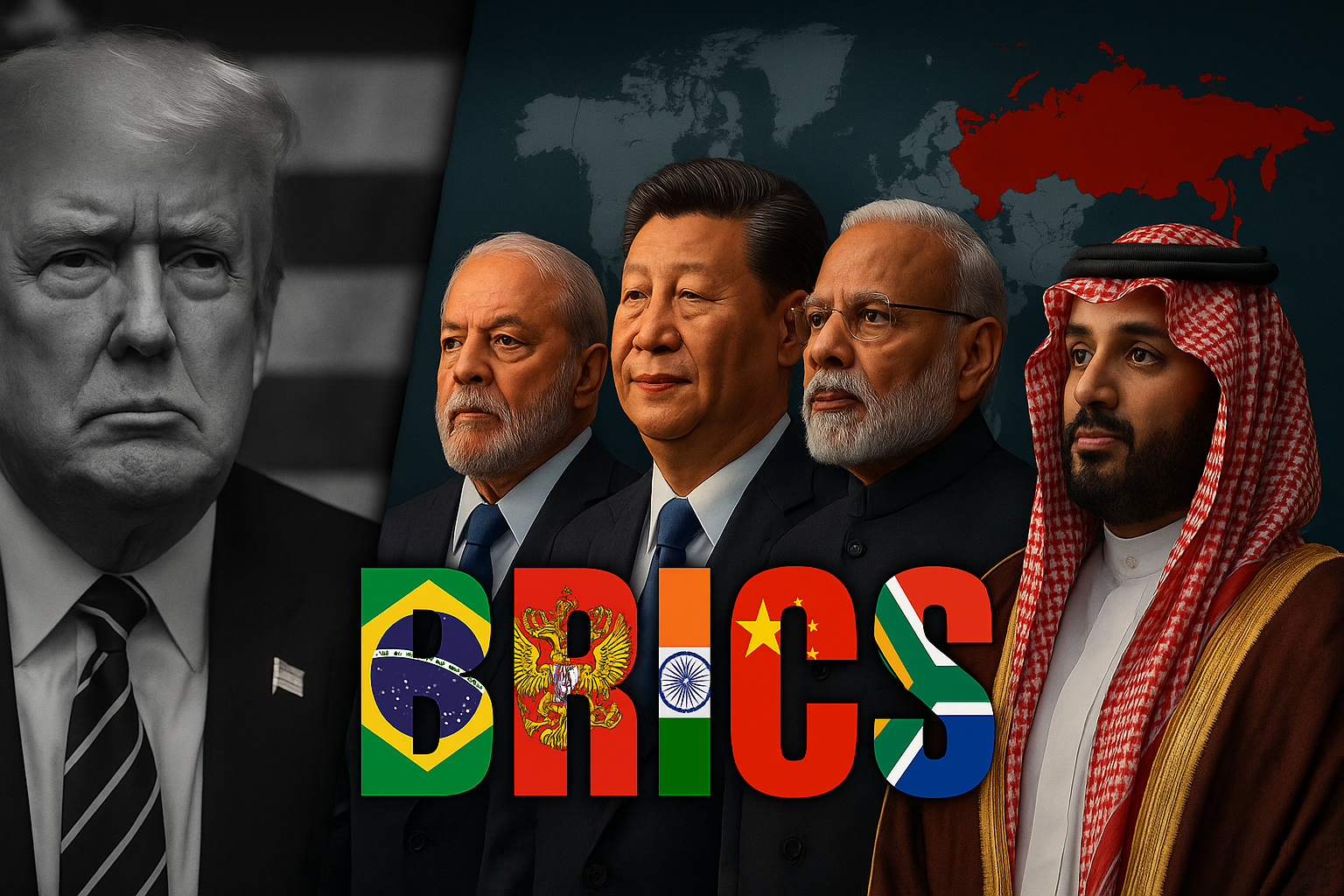
Economic Bloc Formed by Brazil, Russia, India, China, and South Africa Attracts New Members, Expands Geopolitical Power, and Challenges Western Hegemony with Alternatives for International Trade and Financing.
The BRICS, a bloc originally formed by Brazil, Russia, India, China, and South Africa, is undergoing its greatest growth since its creation in 2009. With the official entry of Saudi Arabia in July 2025 and the accession of six other countries in recent years, the alliance has jumped from five to eleven full members, strengthening its economic and geopolitical presence on the international stage. Furthermore, more than 30 nations have shown interest in joining the group, with 23 of them already having submitted formal membership requests.
From Five to Eleven Members: The Transformation of BRICS
Founded by Brazil, Russia, India, China, and South Africa, BRICS started its journey as an economic cooperation forum among emerging countries. In recent years, however, the alliance has seen accelerated expansion.

Among the new members are Egypt, Ethiopia, Iran, United Arab Emirates, Indonesia (joining in January 2025), and Saudi Arabia, which officially entered in July 2025. Together, the 11 countries represent more than 25% of the global GDP and nearly half of the world’s population.
-
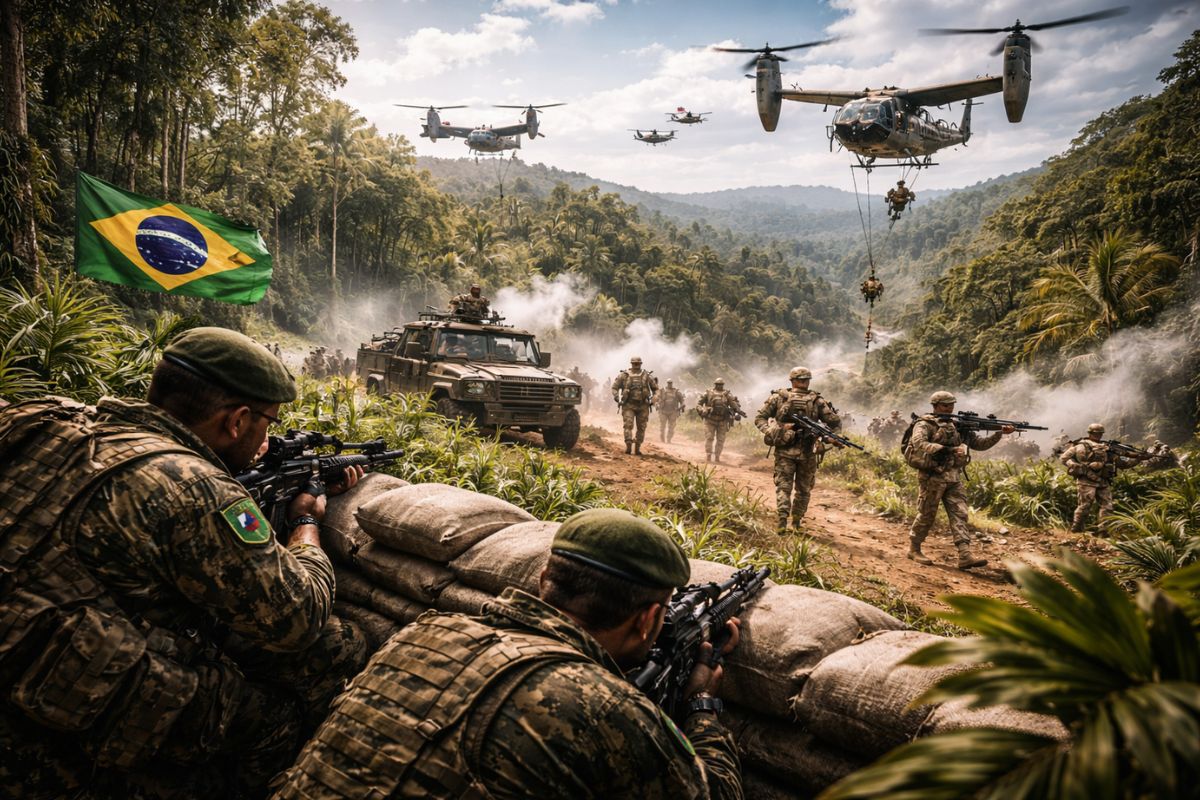
If the USA were to go to war with Brazil, Washington’s greatest fear would not be the attack itself, but facing a vast territory, prolonged resistance, and a costly, chaotic, and unpredictable occupation.
-
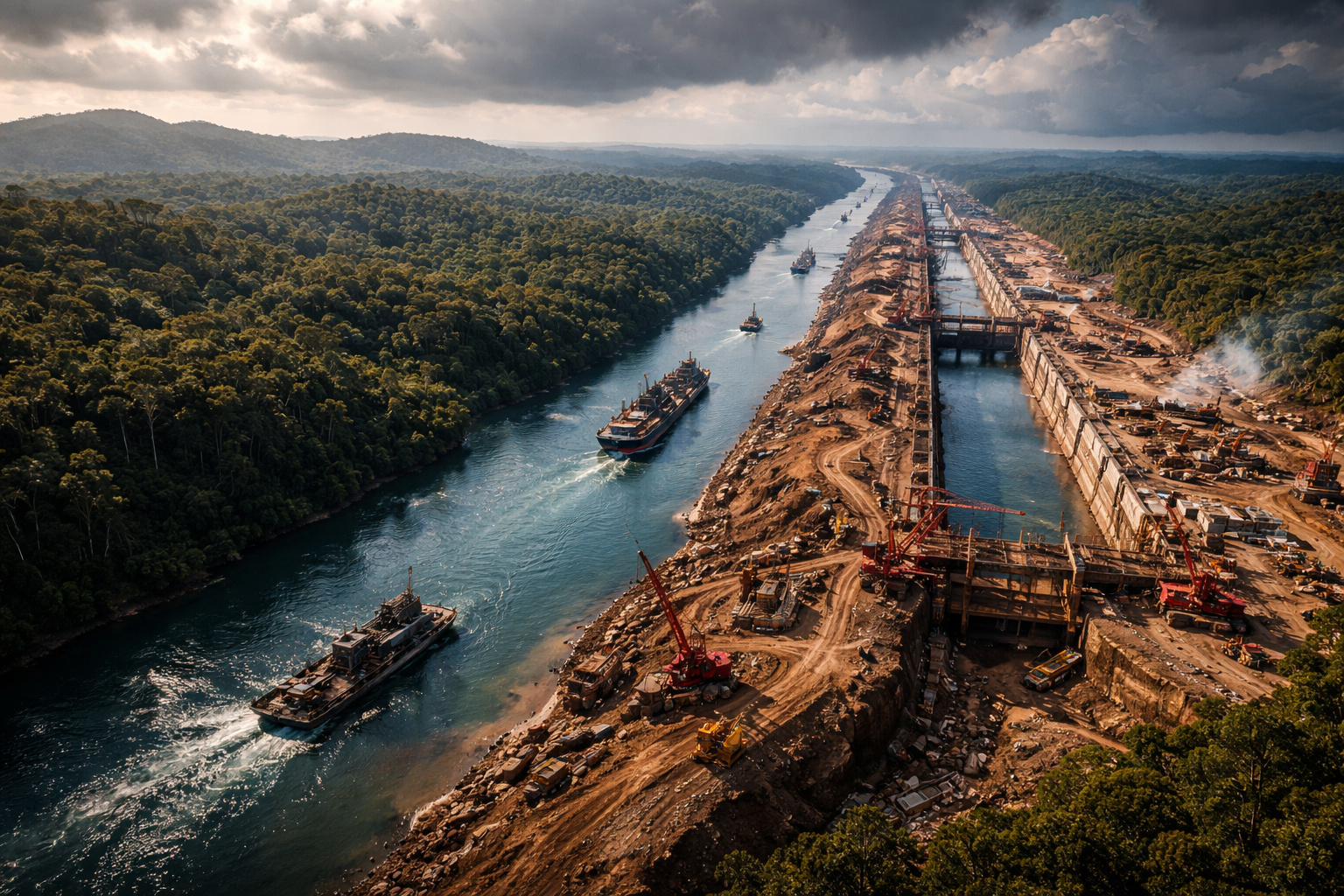
In 2013, Nicaragua sold the concession for a canal to rival Panama to a Chinese billionaire who lost 85% of his fortune, disappeared, and was declared bankrupt. Now the project resurfaces with a new route, a new Chinese partner, and a cost of $64.5 billion.
-
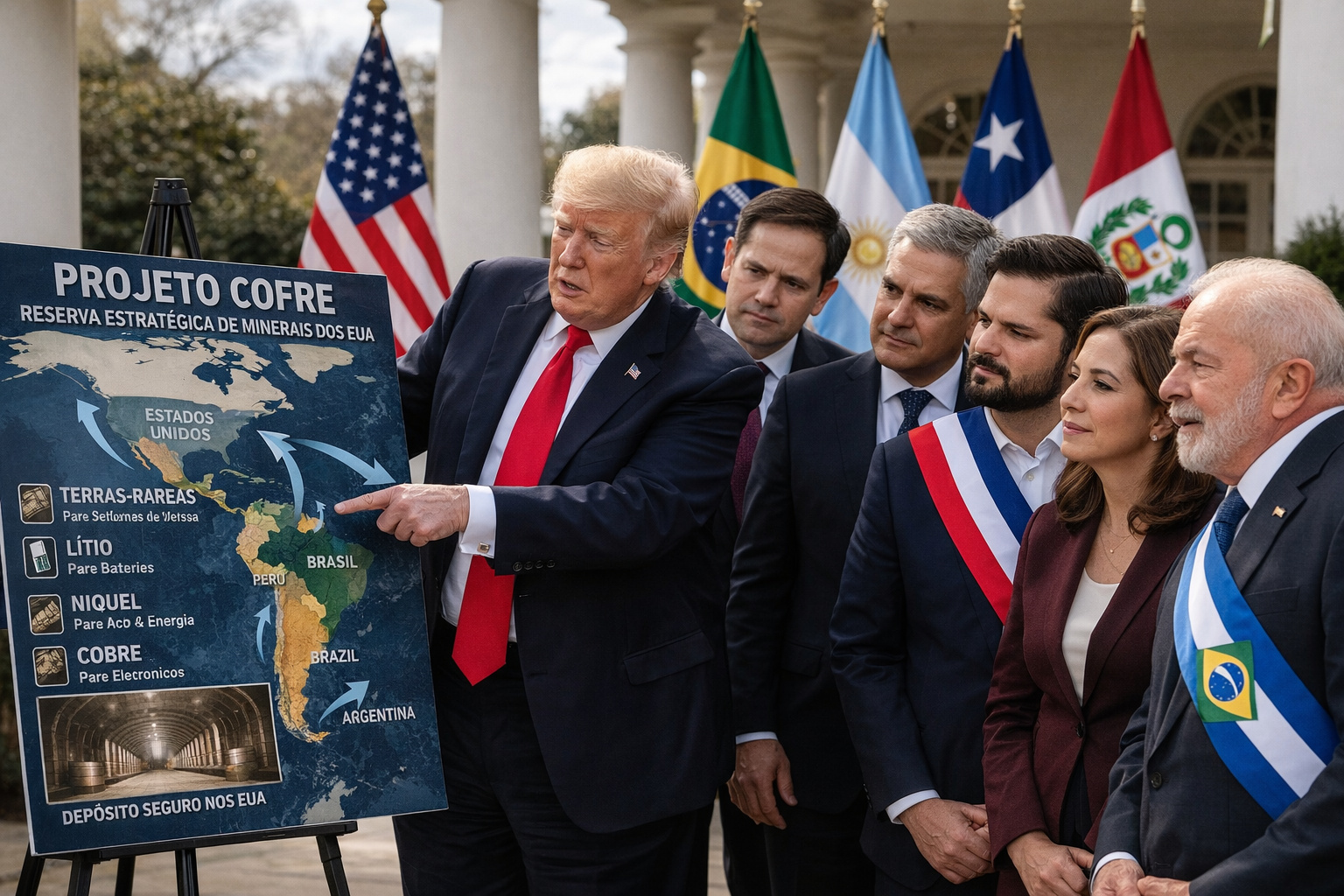
The USA announces a mysterious billion-dollar vault project to store critical minerals, but what intrigues experts is not just the plan itself, but why Latin America, including Brazil, has entered the center of this global dispute against China.
-
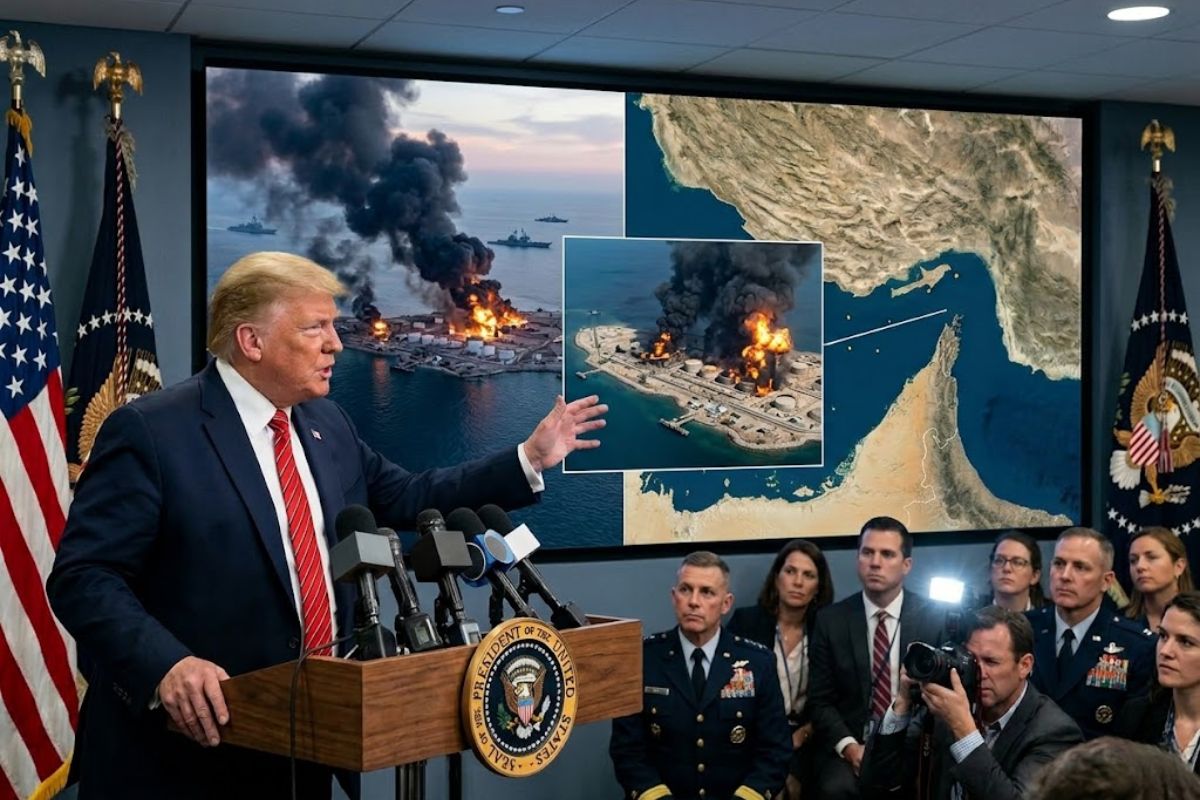
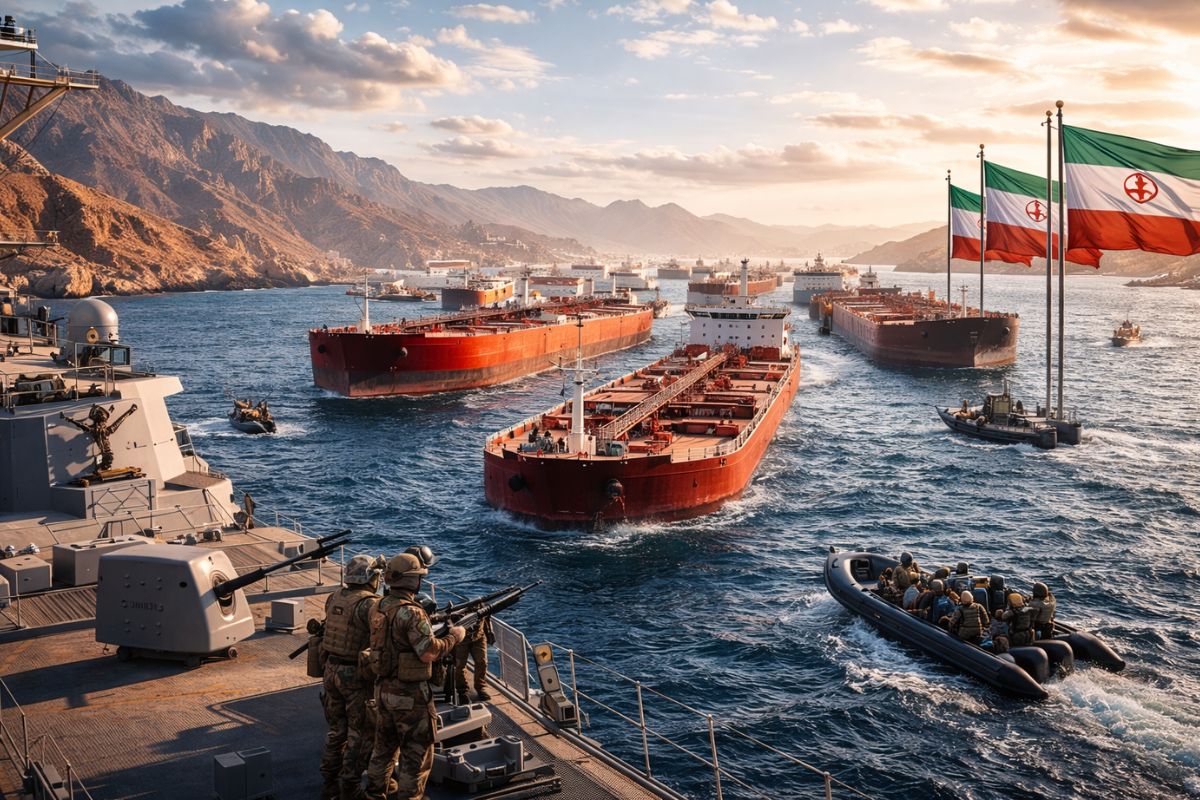
Trump Announces Bombing of U.S. Military Targets on Iranian Island Responsible for About 90% of Iran’s Oil Exports, Warns of Further Attacks if Navigation in Strategic Strait of Hormuz Is Threatened

The group has already recognized 13 partner countries, such as Belarus, Bolivia, Cuba, Kazakhstan, Malaysia, Nigeria, Thailand, Uganda, and Uzbekistan, strengthening diplomatic and strategic ties.
More Than 30 Countries in Line: Who Are the Next Candidates for BRICS?
Currently, more than 30 nations have expressed interest in becoming full members, and 23 have already submitted formal requests. Among the highlights are Bahrain, Malaysia, Turkey, Vietnam, Sri Lanka, Mexico, Kuwait, and Uzbekistan.
- Bahrain and Kuwait are betting on the weight of their oil reserves to expand the bloc’s energy reach.
- Mexico emerges as a strategic link with Latin America, reinforcing regional presence.
- Belarus could open a pathway for influence in Eastern Europe, expanding geopolitical reach.
Each candidacy brings new opportunities and challenges for the economic bloc, which needs to reconcile expansion with internal cohesion.
The Rio Summit and Diplomatic Challenges
The BRICS Summit in Rio de Janeiro, held in July 2025, was a platform for discussions on membership criteria and the integration of new members. However, the absence of key leaders drew attention: Xi Jinping did not attend for the first time since 2013, and Vladimir Putin participated via videoconference due to the international arrest warrant.
Under Brazil’s presidency, the tone of negotiations has shifted. The focus has been on cooperation with the Global South, rather than an overtly anti-Western stance. This approach contrasts with previous years when Russia pushed for a more confrontational alignment.
Trump and the US Reaction
The expansion of BRICS unsettles Western powers. The President of the United States, Donald Trump, declared: “BRICS is dead”, and threatened to impose higher tariffs on the bloc’s countries as a way to pressure the economy and boost the dollar.
These statements reflect the growing competition for global influence in a scenario where economic blocs are becoming key players in defining the rules of international trade.
Economic Benefits for New Members
Joining BRICS opens access to the New Development Bank (NDB), which has already financed over US$ 32 billion in 96 projects since 2016. The institution prioritizes loans in local currency, reducing dependence on the dollar and minimizing currency risks.
These investments include infrastructure, energy, and social development projects, directly benefiting developing countries.
Internal Divisions: Rapid Expansion or Caution?
Despite the progress, strategic divergences persist. China and Russia advocate for accelerated expansion, while Brazil and India prefer a more stringent selective process. This difference in vision may influence the next phase of the bloc’s growth.
The pursuit of new markets and greater South-South integration remains a common objective, but the ability to maintain political unity will be decisive for the future of the alliance.
BRICS and the Transition to a Multipolar Global Governance
The expansion of BRICS is seen as part of a structural change in global governance, offering alternatives to institutions established by the Bretton Woods Agreement, such as the IMF and World Bank.
As pointed out by the UN Secretary-General, António Guterres: “This system was created by rich countries to benefit other rich countries. Practically no African country was at the table during the Bretton Woods Agreement.”
By attracting new members and challenging Western economic dominance, BRICS establishes itself as a platform for reforming the international order — although it faces significant challenges in balancing such diverse interests.









-

-

-

16 pessoas reagiram a isso.