





 Portuguese
  English
  Spanish
  5 min of reading
  0 comments


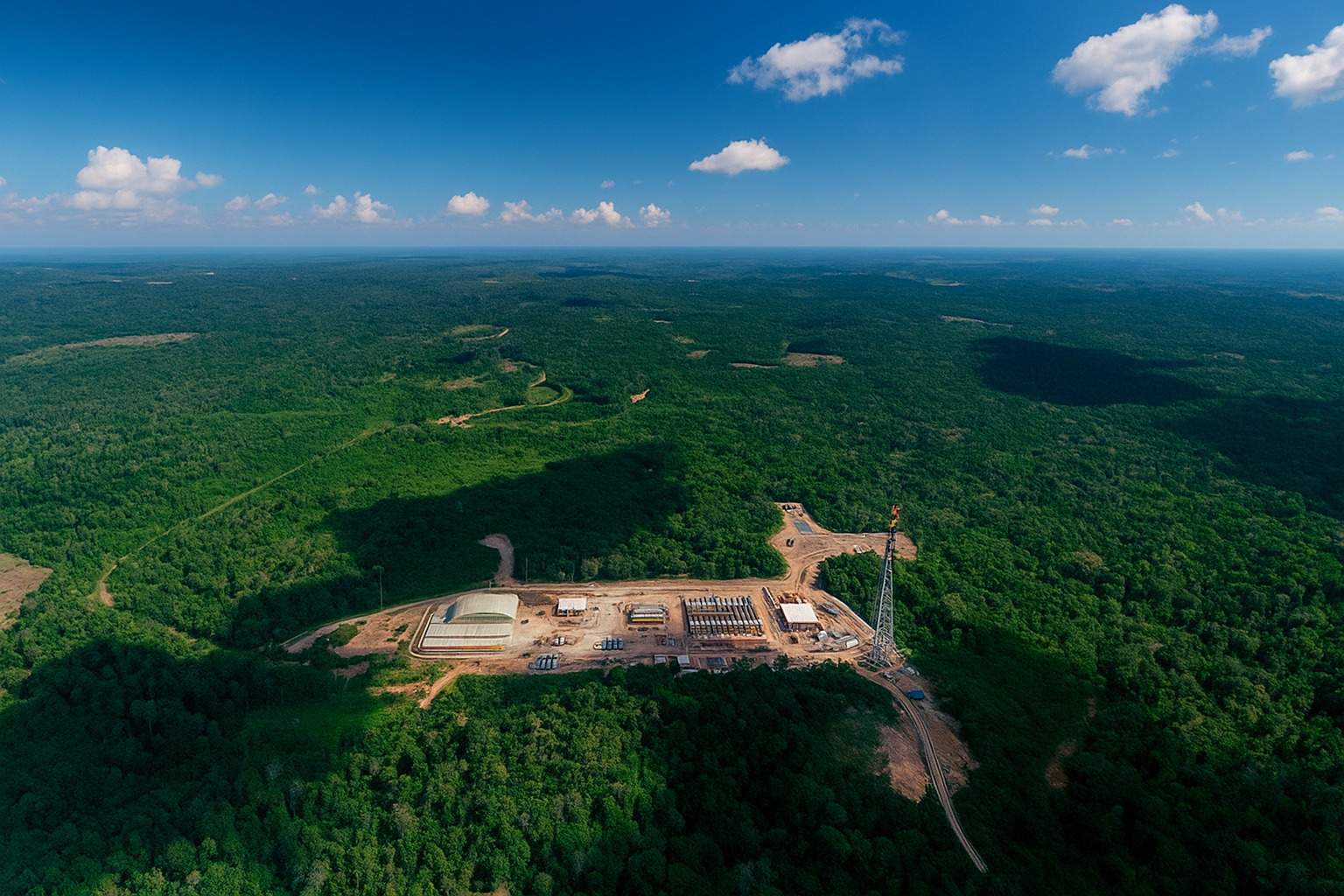
Understand How Oil Exploration Generates Conflict Among Amazonian Countries and Threatens the Environment and Local Communities.
Oil exploration in the Amazon region, therefore, causes constant tensions among countries that share the biome. Historically, the Amazon has always stood out as a strategic territory not only for its biodiversity but also for its abundant natural resources, including vast oil reserves.
Thus, controversial political decisions and environmental impacts caused by the extractive model highlight that oil exploration generates conflict in various ways.
Furthermore, the Amazon, occupying a large part of the territory of countries like Brazil, Peru, Colombia, Ecuador, and Venezuela, plays a fundamental role in the planet’s climate balance. Consequently, the region houses thousands of species of fauna and flora and sustains traditional populations and indigenous peoples that directly depend on its natural resources.
-
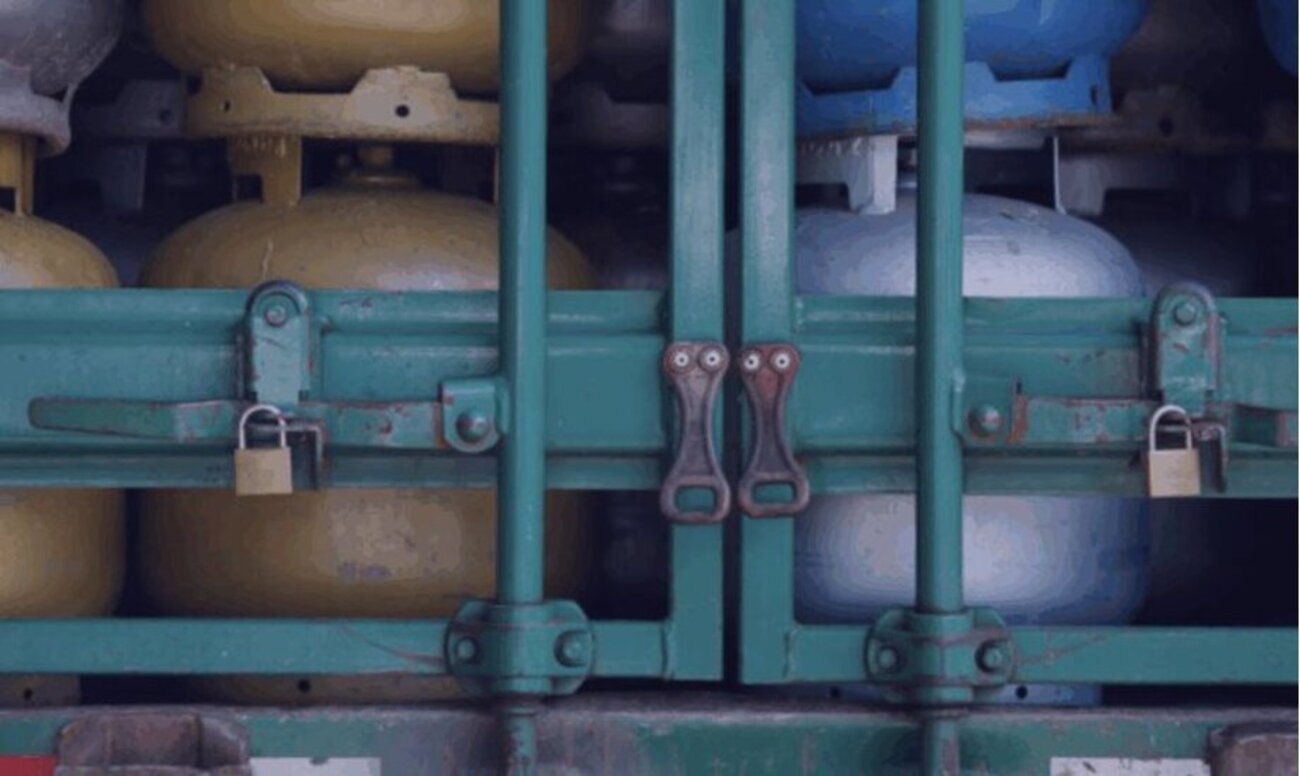
Petrobras evaluates suspension of sales to distributors and considers canceling the cooking gas auction following guidelines from the Federal Government.
-
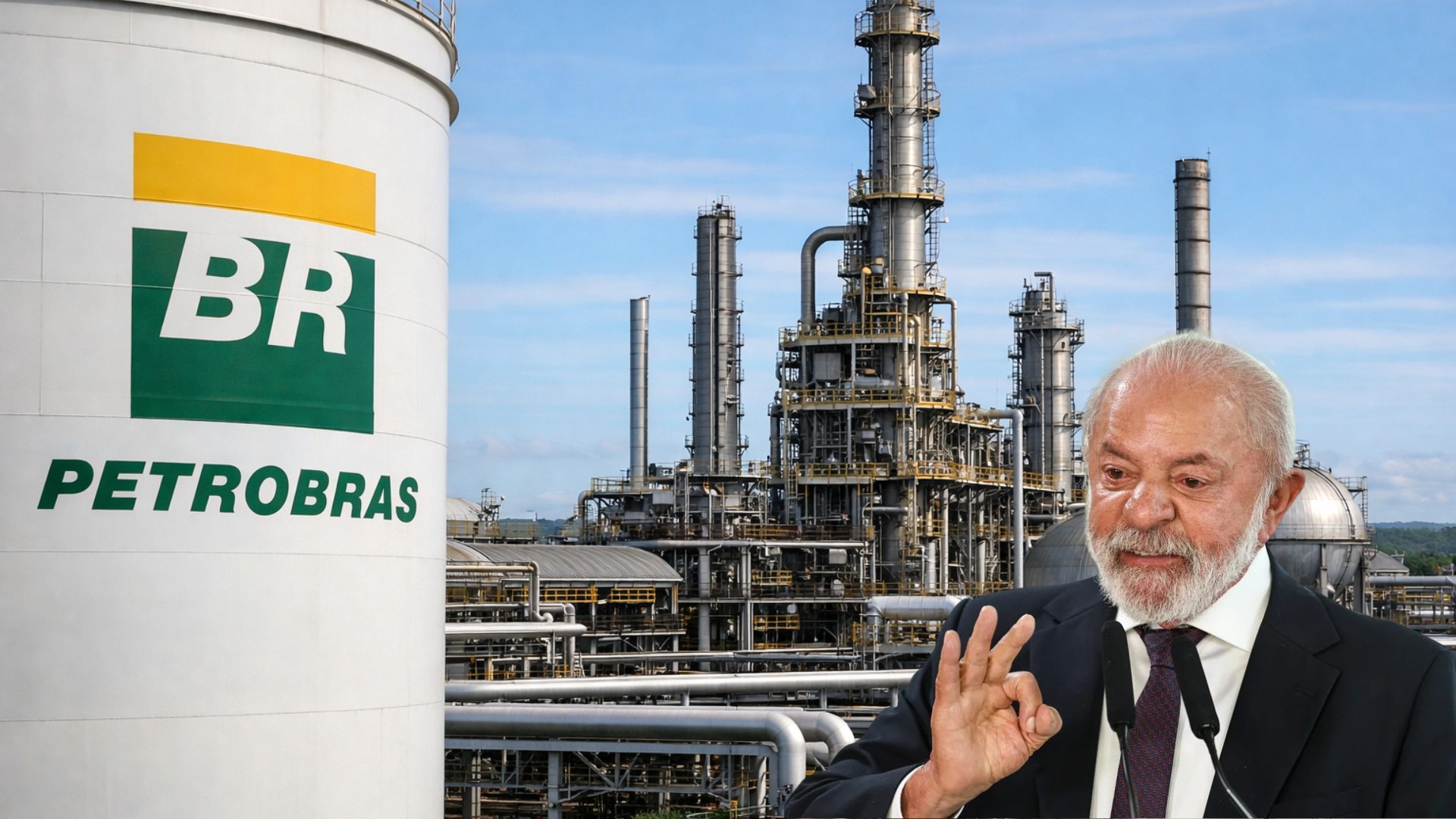
Lula reveals a masterstroke by Petrobras to undo a deal made by Bolsonaro, which involves the return of an important refinery that currently produces less than half of what was expected and makes Brazil dependent on international diesel.
-
A study confirms that the natural gas sector will reduce greenhouse gas emissions in Brazil by 0.5% and accelerate the energy transition by 2026.

-
Petrobras implements a severe adjustment and confirms a 55% increase in the price of aviation kerosene with a proposal for installment payments for the companies.


However, the economic interest in oil and other minerals often clashes with the need for environmental preservation and human rights, thus becoming a source of political and social disputes.
On the other hand, in recent years, several summits and international meetings have sought to discuss a sustainable energy transition, but the reality of oil exploration in the Amazon still presents significant challenges.
History of Oil Exploration in the Amazon
For example, at the recently held Bogotá Summit, there was a clear divorce among Amazonian countries: the Colombian government advocated for an end to the extractive model, while Brazil, Peru, Ecuador, and Venezuela resisted the idea, not endorsing the proposal in the final document.
Therefore, the situation demonstrates that oil exploration generates conflict, not only between nations but also among political views and economic models.
The history of oil exploration in the Amazon shows that the first significant projects emerged with the support of large international companies and government incentives in the 20th century.
The extractive model prioritized, in fact, rapid and large-scale extraction, without considering environmental impacts. Over time, this pattern created a culture of conflicts involving local communities, companies, and governments.
This shows that oil exploration generates conflict in a chronic manner.
Environmental and Social Impacts of Exploration
Moreover, during the 20th century, oil exploration intensified due to the increased global demand for fossil fuels.
Consequently, national governments and international companies invested in research and drilling, often ignoring socio-environmental impacts.
As a result, deforestation accelerated, rivers were contaminated, traditional communities were displaced, and diplomatic tensions increased. Consequently, social movements and environmental activists have emerged to continually alert about the risks of prioritizing immediate profit over long-term sustainability.
Between 2022 and 2024, almost 20% of new oil discoveries occurred in Amazonian areas, many of which are located within protected regions.
This raises concerns not only about environmental degradation but also about the increase in territorial conflicts.
Thus, indigenous peoples and local communities, who have lived sustainably in the forest for centuries, see their existence threatened by the presence of large corporations and the lack of effective regulations.
In this context, oil exploration generates conflict not only among countries but also between economic interests and human rights.
Furthermore, the pressure on the Amazon increases when exploration occurs in border areas, where legal and political issues make territory control even more complex.
Thus, the advancement of drilling projects in regions of critical biodiversity raises alarms about the preservation of endemic species and unique ecosystems.
Consequently, each decision regarding drilling impacts multiple nations, reinforcing that oil exploration generates conflict in a transnational manner.
On the other hand, the absence of clear goals concerning reducing fossil fuel use further weakens the regional response to the climate crisis.
Economic and Diplomatic Conflicts
In addition to the environmental impact, oil exploration generates conflict due to economic competition among neighboring countries.
For example, oil reserves may extend across national borders, and the dispute for control of these resources has already led to legal and political conflicts in the past.
Thus, the Amazon has become a stage for complex negotiations, in which national, international, and local interests frequently clash.
Therefore, the need for a strong and transparent regional governance becomes even more evident in the face of new investments and exploration projects.
The debate around oil exploration also involves energy security and national autonomy.
For this reason, countries like Brazil and Venezuela depend on their reserves to sustain their economies and meet domestic energy demand.
However, this dependence creates ethical and environmental dilemmas: how to explore resources without compromising the future of the biome and the communities that live in it?
Consequently, oil exploration generates conflict not only in the diplomatic realm but also in the social and environmental spheres.
In addition, the economic interdependence among Amazonian countries intensifies the challenge.
Therefore, infrastructure projects, such as pipelines and refineries, cross borders, requiring complex international agreements.
Thus, political divergences over exploration, royalties, and environmental impacts show that oil exploration generates conflict in multiple ways and demands constant dialogue between nations and communities.
Paths Towards Sustainability and Preservation
History shows that energy alternatives can reduce pressure on the Amazon.
For example, investments in renewable energies, such as solar and wind, demonstrate that it is possible to balance economic development and environmental preservation.
Even so, the energy transition faces political and financial barriers, and the advancement of oil exploration continues to generate tension among Amazonian countries.
Thus, the challenge is to find solutions that reconcile economic interests, environmental preservation, and rights of local populations, ensuring that development does not destroy a unique natural heritage.
Moreover, environmental compensation programs and protection policies for traditional communities arise as mitigation mechanisms, but they still do not keep pace with the accelerated pace of exploration.
Therefore, strengthening environmental laws, effective oversight, and international cooperation serves as essential tools to reduce the conflicts caused by oil exploration.
These efforts demonstrate that oil exploration generates conflict, but also that sustainable solutions can advance when there is political will and strategic planning.
In summary, oil exploration generates conflict in the Amazon in multiple ways: among countries, between economic and environmental interests, and between governments and local populations.
Therefore, the region, rich in natural resources and biodiversity, faces complex challenges that require regional cooperation and clear sustainability policies.
Without concrete measures to limit the impact of the extractive model, conflicts are likely to intensify, compromising not only the environmental balance of the Amazon but also the social and political stability of the countries that share it.
Consequently, the preservation of the biome and social justice must go hand in hand with any decision regarding oil exploration, reinforcing that this is a central theme on the international and regional agenda.











-

-

-

12 pessoas reagiram a isso.