





 Portuguese
  English
  Spanish
 4 min of reading
  0 comments


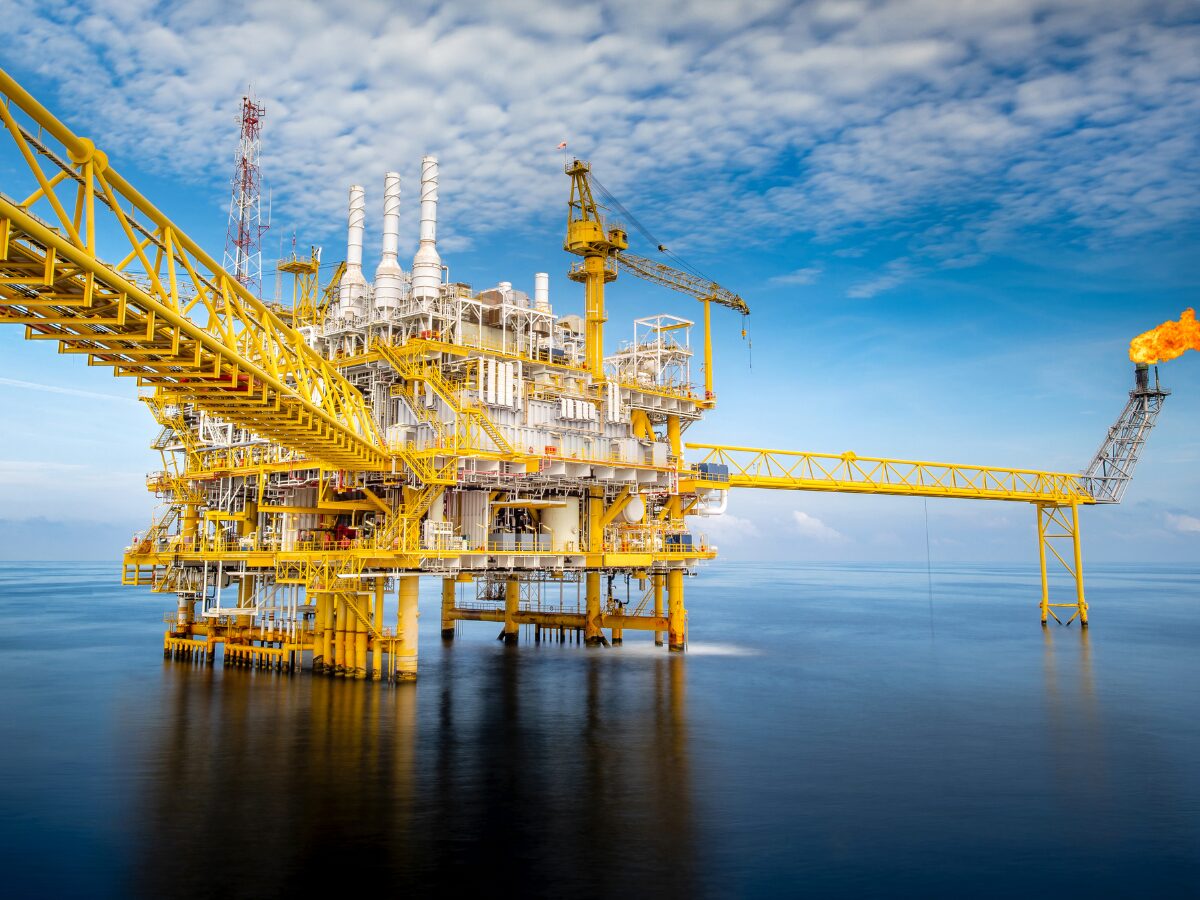
Deputy From French Guiana Presses For Resumption Of Oil Exploration. In Brazil, Authorizations Remain Pending While Ibama Analyzes Petrobras Studies. The Dispute Over Resources In The Amazon Rekindles Environmental And Political Tensions.
The discussion about oil exploration in the Amazon is on the rise both in Brazil and French Guiana. On one side are Guianese politicians, such as Deputy Jean-Victor Castor, advocating for the resumption of oil prospecting in the French overseas territory. On the other side, Ibama is still analyzing environmental studies by Petrobras to authorize exploration in the Mouth of the Amazon River, in northern Brazil.
The activity in the region rekindles the clash between economic development and environmental preservation, in one of the planet’s most sensitive areas.
Political Pressure In French Guiana For Oil In The Amazon
French Guiana, neighboring the state of Amapá, wants to resume oil exploration off its Atlantic coast. The activity was suspended in 2019 after the failure of the French oil company Total. Since then, the Hulot Law, for environmental protection, prohibits oil extraction throughout French territory.
-
Brazilian giant expands borders in the Southeast: Petrobras confirms new oil discovery in ultra-deep waters in the pre-salt of the Campos Basin.

-
Alert in the global energy market: Severe tropical cyclone hits the coast and disrupts gas production at major plants in Australia, threatening global supply.

-
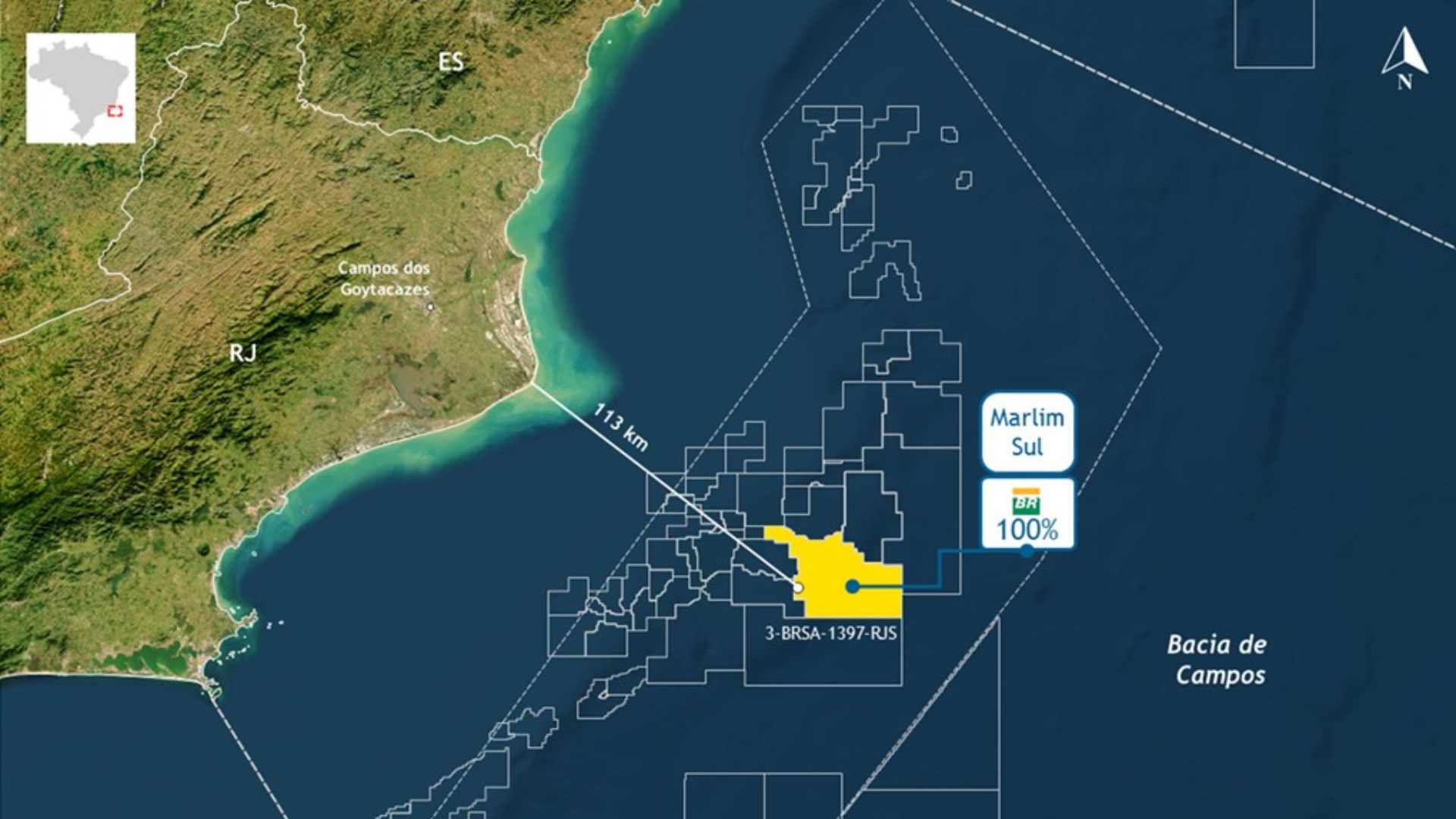
Petrobras finds high-quality oil in the pre-salt at 113 km from RJ and reignites expectations about strategic reserves in the Campos Basin.

-
Ocyan opens registrations for startups focused on innovation in the oil and gas sector and will select projects for Innovation Day with the support of Nexio.


Now, local legislators want to change this scenario.
“We have to get out of this hypocrisy. French Guiana has many natural resources, such as oil and gas, but is being prevented from developing,” claims Jean-Victor Castor.
According to him, the region is home to 300,000 inhabitants, with 60% living in poverty. For supporters of the resumption, oil resources would be essential to ensure access to basic services such as water, energy, and education.
French Guiana x France: A Dispute For Autonomy
Castor, who is part of the Movement for Decolonization and Social Emancipation, also demands greater autonomy for French Guiana. He accuses the French government of keeping the territory in a state of abandonment:
“For several decades, everything planned by public authorities has failed simply because France does not want to invest in French Guiana”.
To prevent oil profits from being concentrated in Paris, he proposes a transitional model for the territory to gain sovereignty over its resources.
Brazil Still Without Decision On Oil In The Mouth Of The Amazon
Meanwhile, on the Brazilian side, oil exploration in the Amazon is also under review. Petrobras is awaiting authorization to operate in the Mouth of the Amazon, but faces environmental resistance.
Ibama continues to evaluate the environmental impact studies presented by the state company. According to Gustavo Moura, a researcher at the Institute of Geosciences at the Federal University of Pará, the documents are incomplete.
Issues With Petrobras Environmental Studies
Gustavo Moura, who also coordinates the project Amazonic Maretories, points out several flaws in the studies:
- Areas of traditional fishing were delimited in a discontinuous manner, which does not reflect the reality of riverside communities.
- Some receiving cities for waste were not included in the plan.
- Previous and informed consultations with traditional communities were not conducted.
“Measuring how this will affect the production chain and the products of socio-biodiversity here in the Amazon” warns the researcher.
In addition, Moura highlights the proximity of oil blocks to the reefs of the Amazon, unique and sensitive ecosystems.
Oil Exploration And The Energy Transition
Both in Brazil and French Guiana, proponents of exploration argue that oil is necessary to fund the energy transition. However, experts and environmentalists see contradictions in this discourse.
How can one talk about a sustainable future while exploiting fossil fuels in the Amazon? It sends a negative signal to the world, especially with COP 30 approaching, critiques Moura.
He questions the lack of clarity about the real costs and economic benefits of extraction:
- How many barrels will be extracted?
- What will the average price be?
- How long will it take to transition with these resources?
Without these answers, the project becomes even more controversial.
What Is At Stake In The Dispute Over Amazonian Oil?
The resumption of the oil discussion in the Amazon involves a series of geopolitical and environmental factors:
- Oil In French Guiana could generate local income but violates French environmental legislation.
- Brazil seeks to balance economic interests with its global image as a defender of the Amazon.
- Socio-environmental impacts on traditional communities and fragile ecosystems remain underestimated.
The expectation is that, in the coming weeks, Ibama will define the future of exploration in the Mouth of the Amazon. Meanwhile, discussions remain heated on both sides of the border.
Oil In The Amazon Between Progress And Preservation
The case of oil in the Amazon puts Brazil and French Guiana on a collision course with global environmental agendas. The promise of economic growth faces the risks of irreversible environmental damage.
In times of climate emergency, decisions like these require transparency, consultation with affected communities, and a real commitment to a sustainable future.
With information from RFI








Seja o primeiro a reagir!