





 Português
  Inglês
  Espanhol
  3 min de leitura
  0 comentários



Discover How Offshore Exploration Is Transforming The Oil And Gas Sector In Brazil With Impressive Advances And Strategic Challenges.
Oil and natural gas exploration in Brazil undoubtedly surprised in 2024. With a significant increase in the number of contracted blocks and the area explored, the offshore market shows clear signs of reaction. However, it is important to highlight that challenges still remain, requiring increased attention and strategic actions to consolidate these advances and mitigate the existing obstacles.
Main Advances And Results
First, it is essential to emphasize that the number of offshore exploratory blocks reached 144 in 2024, representing an impressive jump of 44% compared to 2023. In addition, it is necessary to note that the national portfolio totaled 422 blocks, growing 68.12% compared to the previous year. Furthermore, the offshore explored area increased by 40.25%, reaching 108 thousand km² and accounting for 60.2% of the total explored area in the country. Thus, these data reinforce the relevance of the expansion recorded in the sector and indicate that maritime exploration is gaining increasing prominence.
Investments And Drilling Of Wells
On the other hand, despite the advances observed in the overall numbers, it is undeniable that the drilling of wells did not keep pace with the same growth rate. Only six wells were drilled offshore in 2024, representing a slight increase from five the previous year. However, it is important to highlight that the total investment exceeded R$ 9.97 billion, with R$ 8.5 billion allocated exclusively for drilling. Nevertheless, difficulties such as the lack of new auctions and constant delays in environmental licenses still jeopardize the sector’s performance, which demands quick and effective actions to reverse this scenario.
-
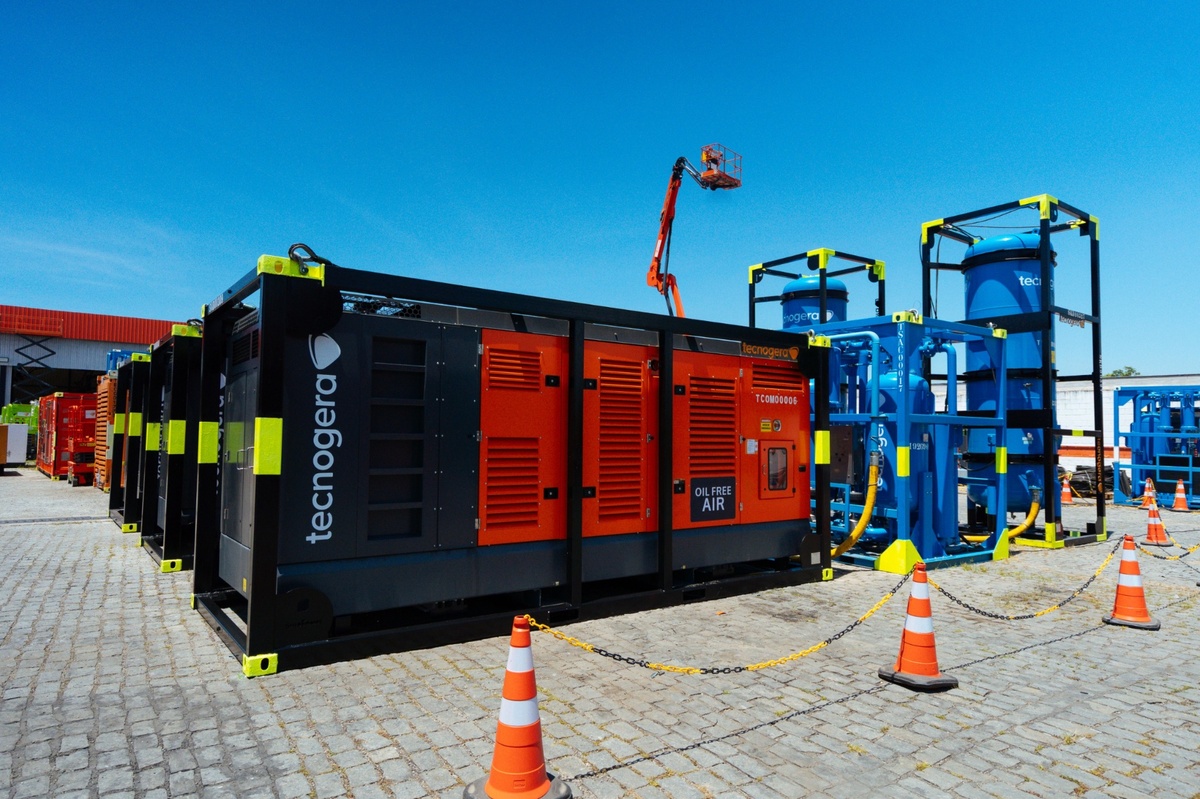
Offshore industrial demand in Macaé skyrockets with the recovery of oil and gas and could grow by up to 396% by 2026 in the Campos Basin.
-
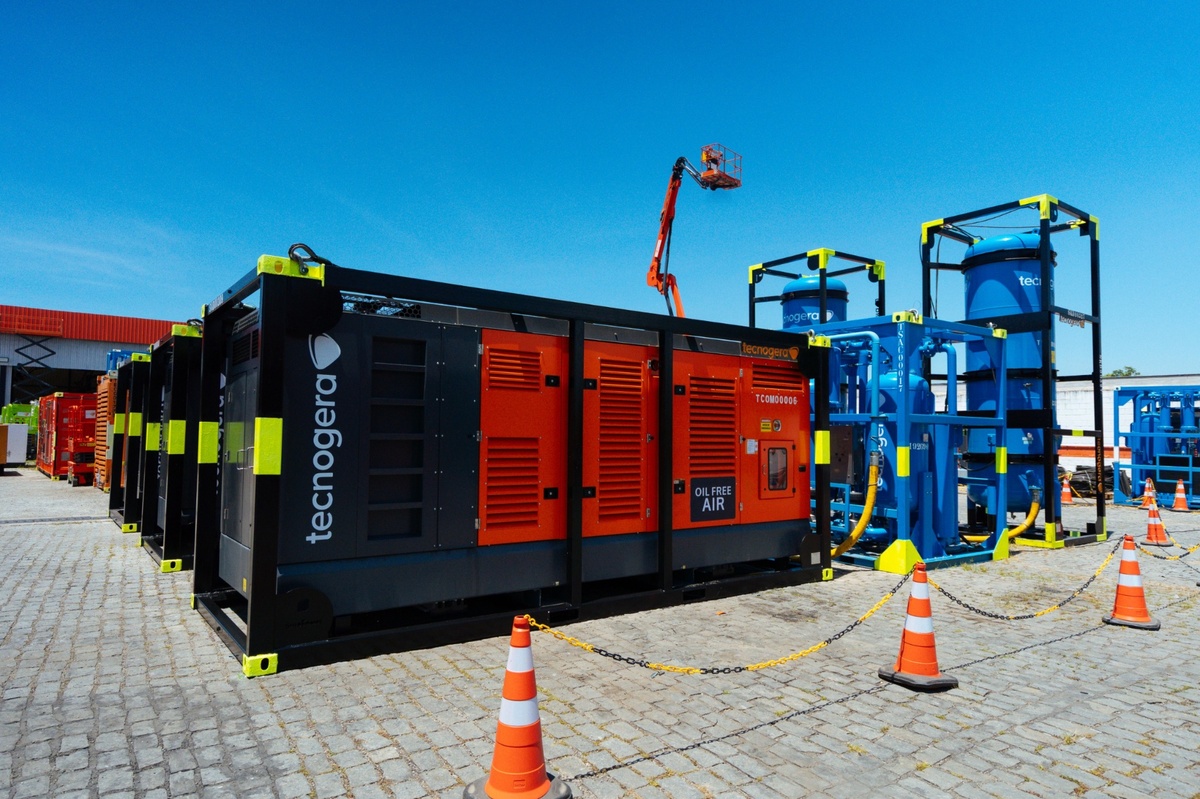
Offshore industrial demand in Macaé surges with the recovery of oil and gas and could grow by up to 396% by 2026 in the Campos Basin.
-
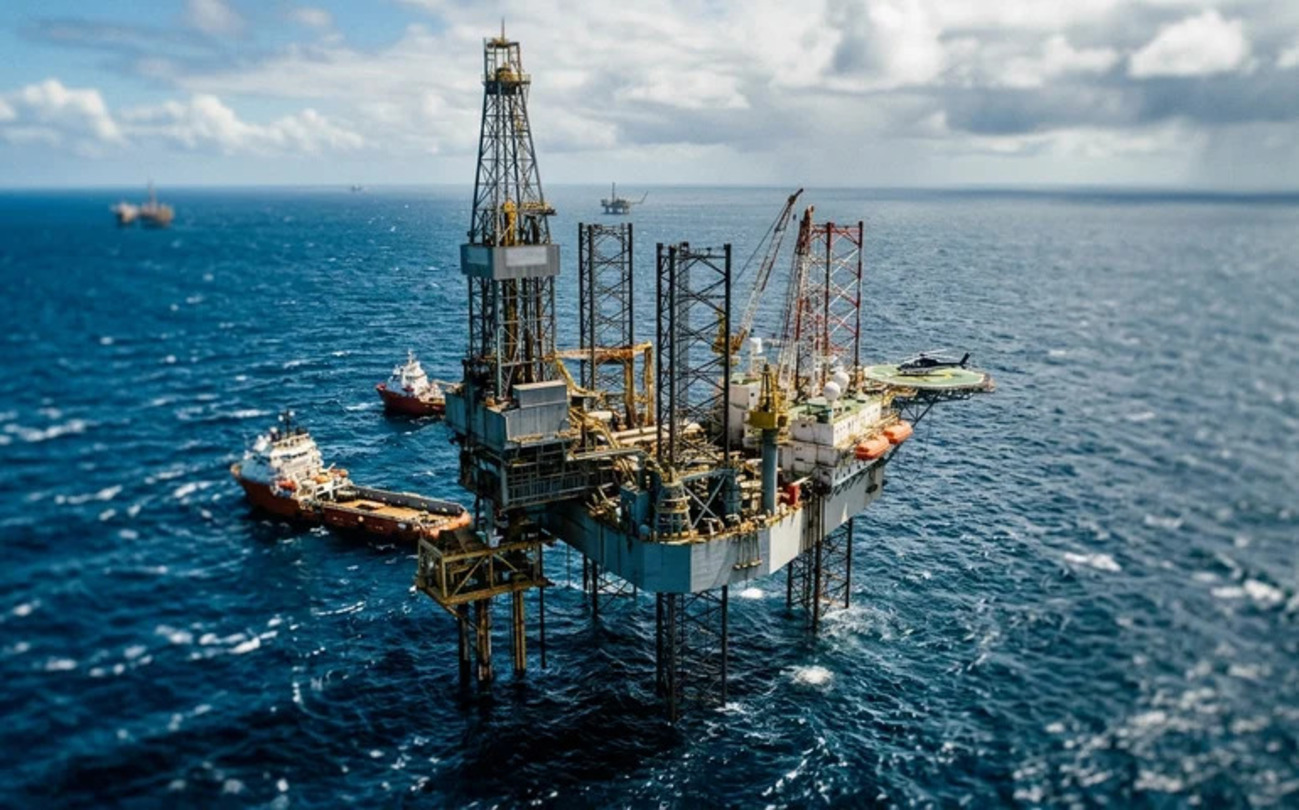
Brazilian giant expands borders in the Southeast: Petrobras confirms new oil discovery in ultra-deep waters in the pre-salt of the Campos Basin.
-
Alert in the global energy market: Severe tropical cyclone hits the coast and disrupts gas production at major plants in Australia, threatening global supply.

Highlight On The Sedimentary Basins
In the main Brazilian basins, contracted blocks are undoubtedly well distributed, demonstrating the diversity and potential of the national territory. For example, it is worth mentioning that in the Pelotas Basin, 44 blocks cover 28.6 thousand km², led by Petrobras and Chevron. In the Santos Basin, 32 blocks total 29 thousand km², with highlights for Shell and Petrobras. Additionally, in the Campos Basin, 15 blocks represent 14.5 thousand km², while the Espírito Santo Basin has ten operational blocks. Finally, the Amazon River Mouth, with nine blocks, still awaits environmental approval, highlighting the need for greater speed in regulatory matters.
Future Prospects
Since 2021, the Permanent Offering has indeed been the main alternative to advance oil and gas exploration. However, new auctions and solutions for environmental barriers are undoubtedly crucial for further boosting the sector. The Equatorial Margin, for example, is an opportunity eagerly awaited by various market players. Thus, while Brazil remains a relevant player in the global market, advances in environmental licensing and more robust investments will be essential, especially for the Sedimentary Basins.
In the main Brazilian basins, contracted blocks are undoubtedly well distributed, demonstrating the diversity and potential of the national territory. For example, it is worth mentioning that in the Pelotas Basin, 44 blocks cover 28.6 thousand km², led by Petrobras and Chevron. In the Santos Basin, 32 blocks total 29 thousand km², with highlights for Shell and Petrobras. Additionally, in the Campos Basin, 15 blocks represent 14.5 thousand km², while the Espírito Santo Basin has ten operational blocks. Finally, the Amazon River Mouth, with nine blocks, still awaits environmental approval, highlighting the need for greater speed in regulatory matters.










-

Uma pessoa reagiu a isso.