





 English
  Francês
  Alemão
  Italiano
  Japonês
  Norueguês
  Portuguese
  Spanish
  3 min of reading


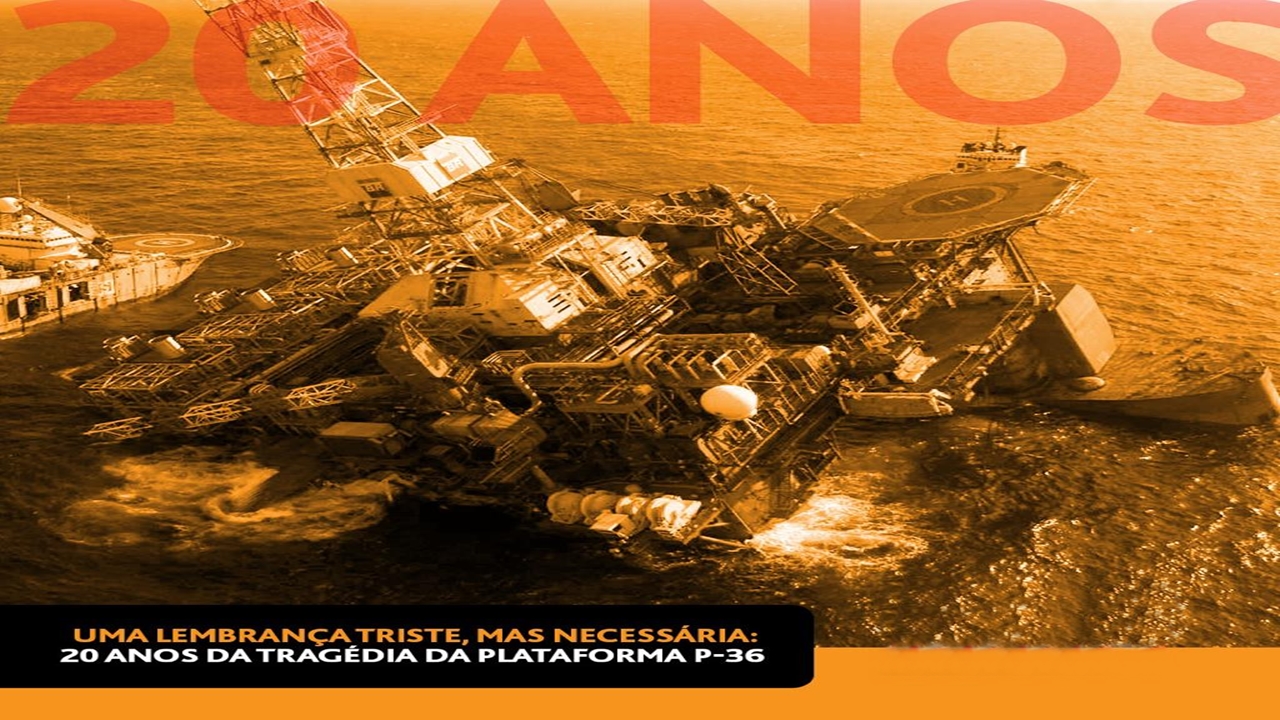
20 Years After The Explosion On Petrobras’s P-36 Platform, Relatives And Oil Workers Worldwide Suffer From The Memory Of The Shipwreck
The accident that occurred with the explosion on Petrobras’s P-36 platform, in the Roncador field, in the Campos Basin, which happened 20 years ago and killed 11 oil workers, of which only two had their bodies found, left marks on the oil industry worldwide.
Read Also
- 108 Job Openings For High School And Higher Education To Work At Multinational General Electric Today, March 15
- Usiminas Opens Selection Process For Candidates Without Experience From All Areas Of High School, Technical And Higher Education In SP, MG And Other States
- Oil Multinational Subsea 7 Calls For Many Job Openings In Rio De Janeiro For Professionals With High School, Technical And Higher Education
- Canada Recruits Brazilians To Fill More Than 1.2 Million Job Openings; There Is No Age Limit For Candidates
Although there are still irregularities in operations to this day, the accident on the P-36 platform served as lessons learned for oil companies. Safety rules became stricter, even in other countries, and the demand for risk mitigation measures gained importance on the agenda of oilworker unions.
In the last decade, oil companies have been fined R$ 769 million for failures in platform operations by the National Agency of Oil, Natural Gas and Biofuels (ANP).
-
Brazilian giant expands borders in the Southeast: Petrobras confirms new oil discovery in ultra-deep waters in the pre-salt of the Campos Basin.

-
Alert in the global energy market: Severe tropical cyclone hits the coast and disrupts gas production at major plants in Australia, threatening global supply.

-
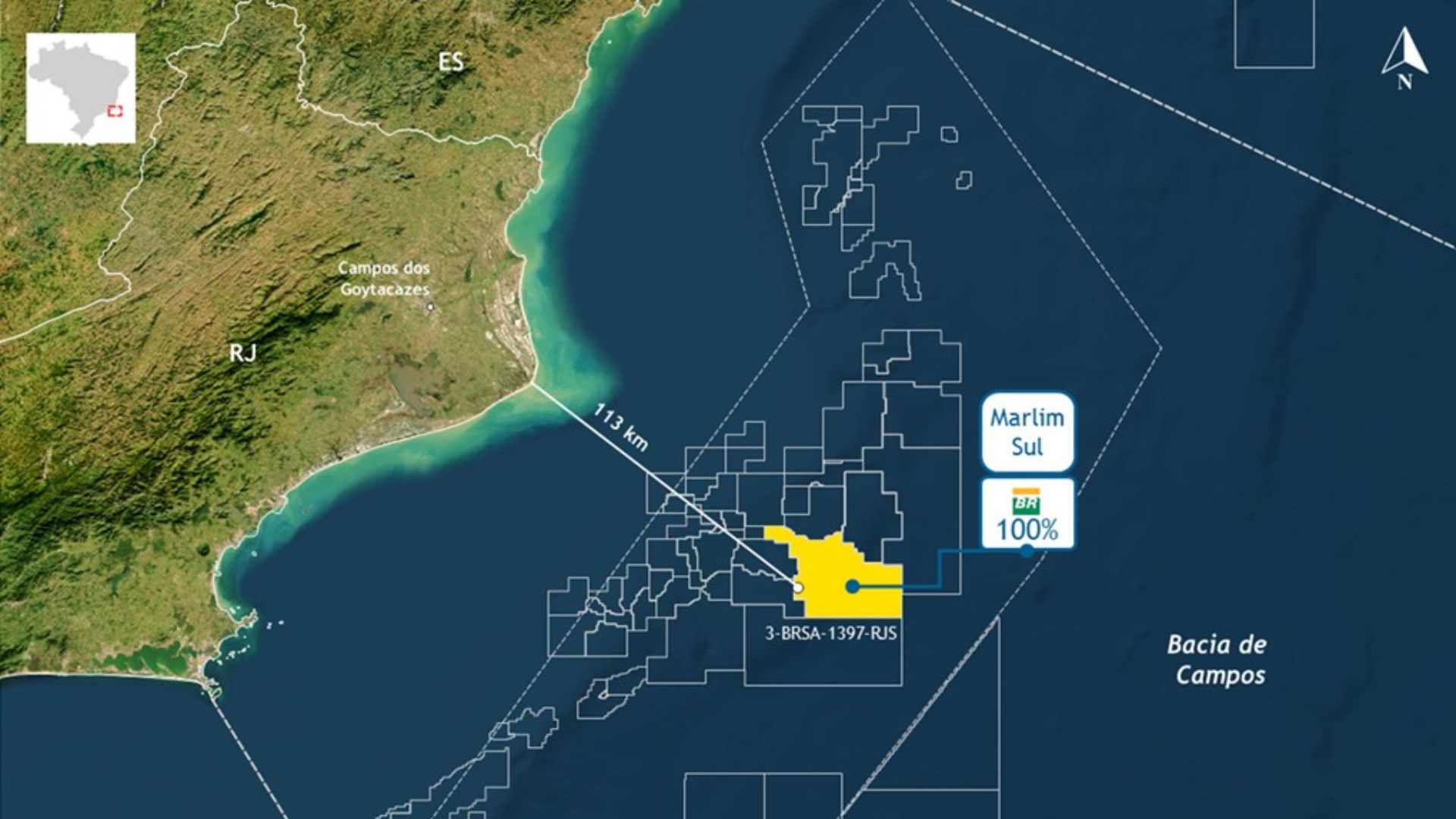
Petrobras finds high-quality oil in the pre-salt at 113 km from RJ and reignites expectations about strategic reserves in the Campos Basin.

-
Ocyan opens registrations for startups focused on innovation in the oil and gas sector and will select projects for Innovation Day with the support of Nexio.

There continue to be failures in platforms regarding gas leak detection and the presence of fire. For example, in some of them, the fire-fighting system is unsatisfactory. There are many risks in the processes of platform shutdown and well abandonment.
“Any metal in the sea suffers from the action of nature, it corrodes, the equipment breaks down. We end up improvising, living with what we have. People are at risk”, said a Safety Technician to the newspaper Terra, who requested anonymity, regarding the safety conditions of decommissioned platforms in the Campos Basin.
Petrobras claims to have learned from the P-36. “The company created the Operational Excellence Program for Maritime Units, based on the findings of the accident investigation”, stated its press office. According to the company, emergency procedures and technical requirements for project definition were improved.
Petrobras Has Invested R$ 81.6 Billion In Safety, Environment And Health (SES) Since The P-36 Platform Sank
Despite Petrobras investing R$ 81.6 billion in Safety, Environment And Health (SES) since the P-36 platform sank, the company has not been absolved in the action filed by the Federal Public Prosecutor’s Office and Ibama, which it continues to appeal to this day.
According to the agency’s then-director David Zylberstajn, for the regulatory body, the accident had no consequences, as there was no regulatory failure. However, corrective measures were taken after the tragedy, as is the case in major accidents.
Francisco Duarte, a professor of Production Engineering at Coppe/UFRJ, also believes that accidents like this do not happen suddenly. “They are latent errors. It is useless to look for the causes in the operator (worker). They are process-related”, he assesses.
Privatization And Reduction Of Workforce Increase The Risk Of Accidents In Petrobras’s Refineries, Terminals, And Platforms
“Due to this process of dilapidation of the company, with the reduction of workforce in operational units, both internal and outsourced, we fear an expanded process accident occurring in Petrobras’s refineries, terminals, and platforms”, says the General Coordinator of the Unique Federation of Oil Workers (FUP), Deyvid Bacelar.
Petrobras responded that “the stability control in Petrobras’s own units is carried out by professionals certified by the Brazilian Navy”.
The accident on the P-36 did, however, help to tighten some international rules, such as those from the International Association of Classification Societies (IACS), according to Segen Estefen, coordinator of the Submarine Technology Laboratory at Coppe/UFRJ.






-

Uma pessoa reagiu a isso.