





 Portuguese
  English
  Spanish
  5 min of reading
  0 comments



Fuel Prices in Brazil Under Control Despite Oil Fluctuations
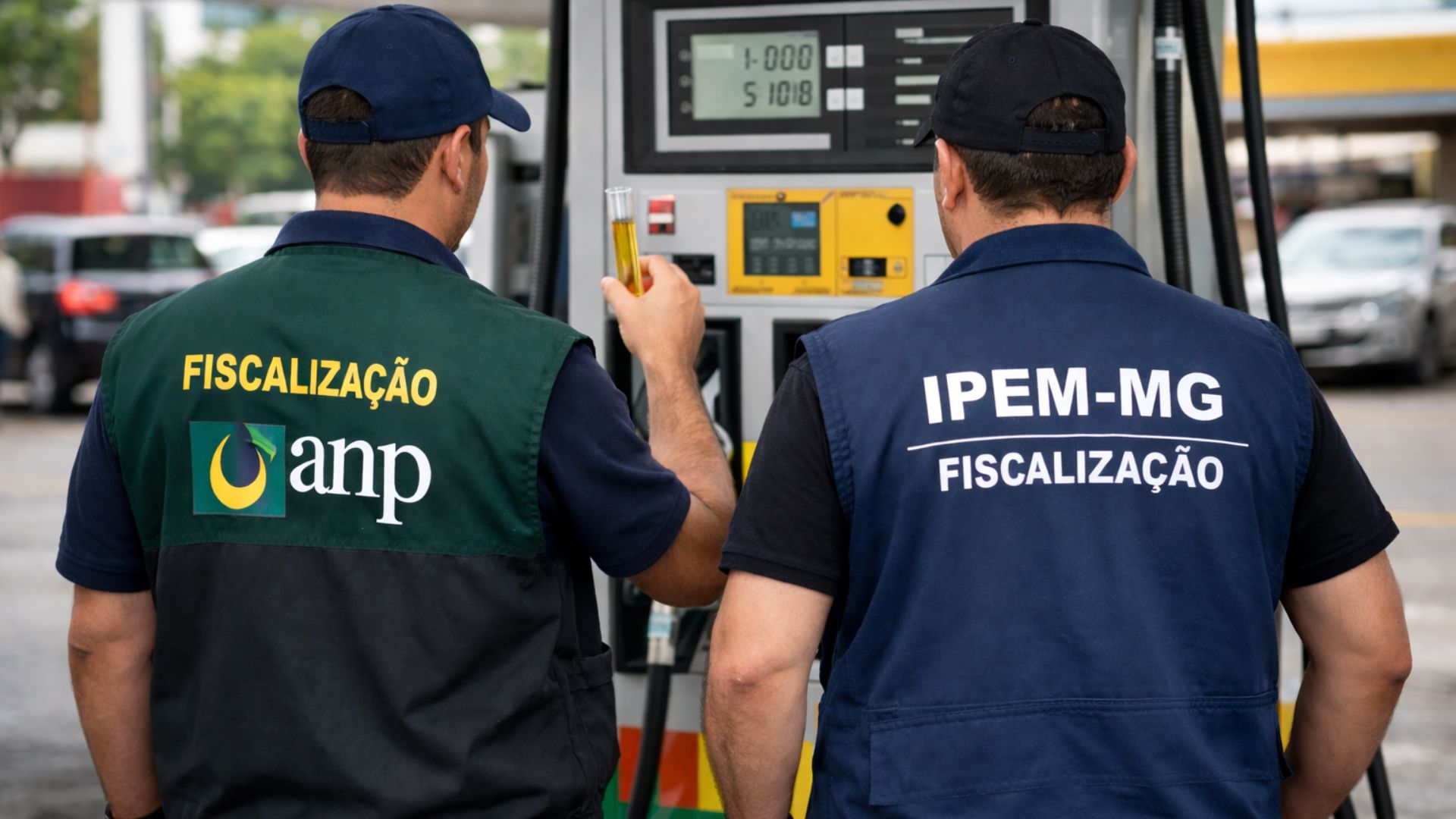
Amid the instability of the international oil market, fuel prices at Brazilian gas stations remained practically stable over the last week. A slight increase of 0.3% was recorded in the price of gasoline, while diesel remained unchanged, according to data from the National Agency of Petroleum, Natural Gas and Biofuels (ANP). The pricing policy practiced by Petrobras contributed to this stability, preventing external volatility from directly impacting consumers in the country.
Gasoline and Diesel Kept Stable: Effect of Petrobras Pricing Policy
Petrobras, responsible for 80% of oil refining in Brazil, has kept the price of gasoline unchanged for 113 days and diesel for an impressive 308 days. Since May of last year, the company has adopted a new pricing strategy, abandoning the International Price Parity (IPP) and implementing an approach that allows greater flexibility in adjustments. This decision aims to protect the internal market from immediate fluctuations in oil prices in the international scenario.
Main Points Regarding Petrobras Pricing Policy:
-
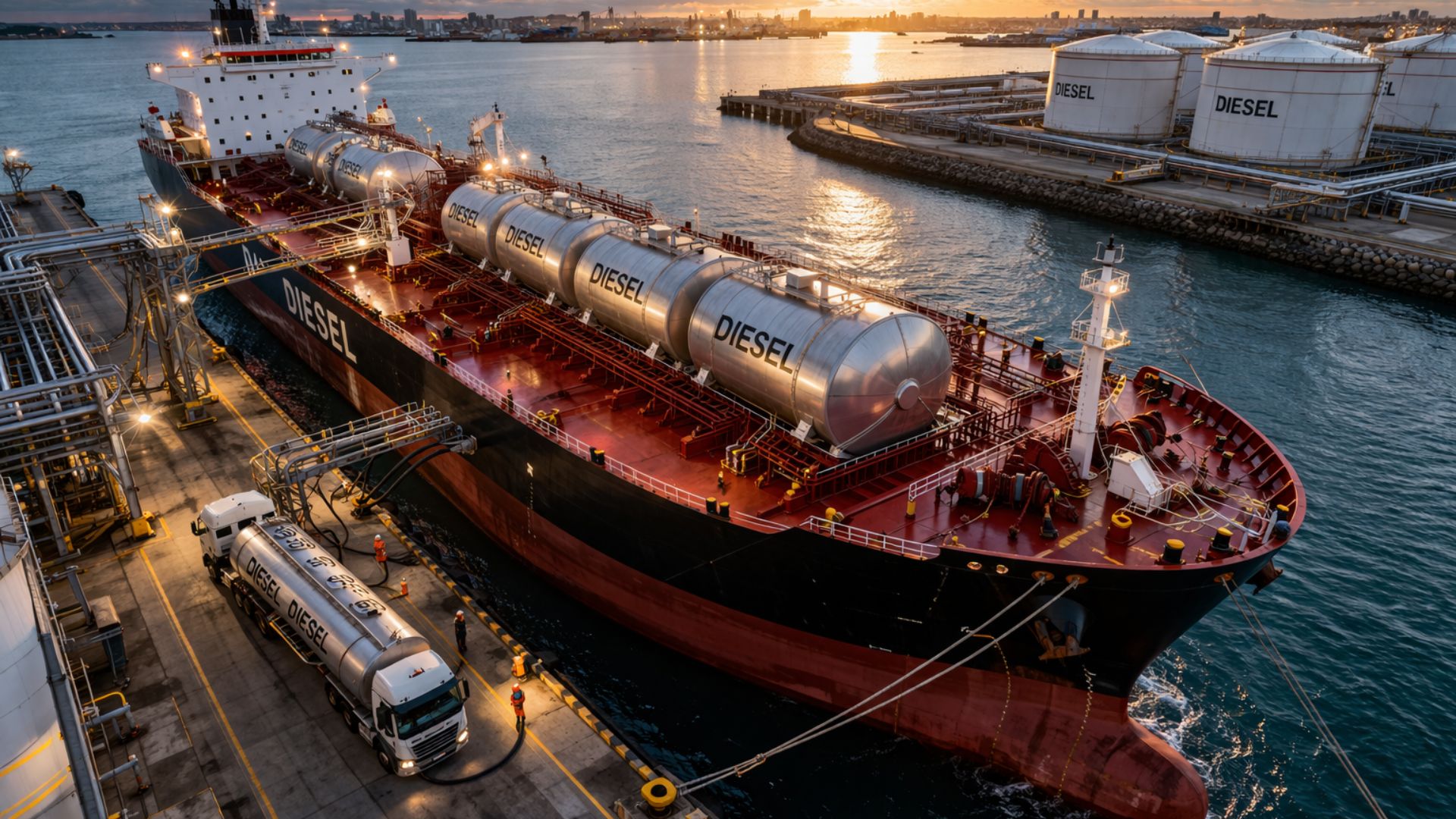
Former president of IBP highlights that dependence on diesel imports pressures prices in Brazil, increases vulnerability to global crises, and underscores the need for more robust and sustainable energy policies.
-
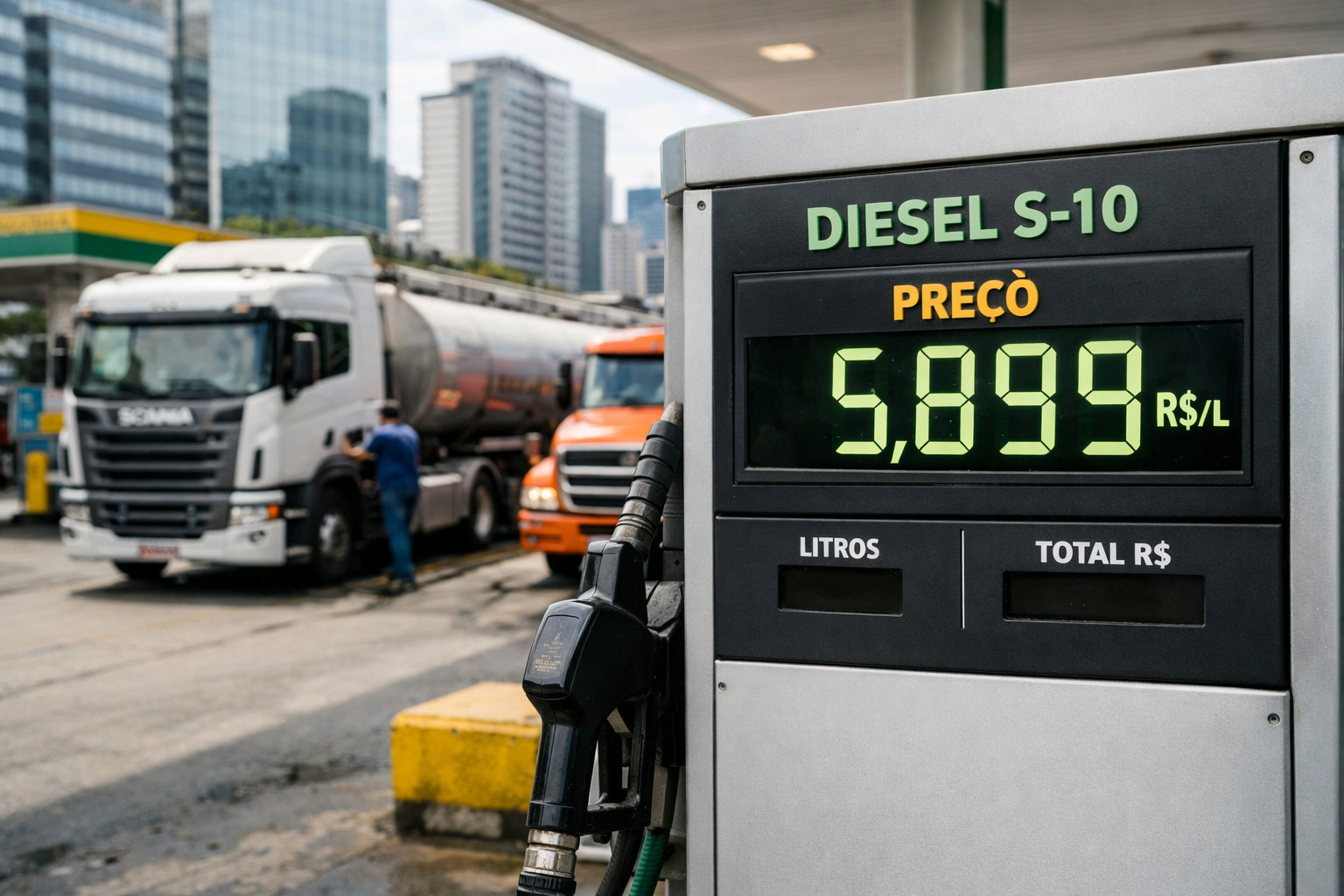
Middle East War Drives Up Oil Prices, And Petrobras Increases Diesel: Fuel Reaches R$ 3.65 Per Liter At Distributors
-
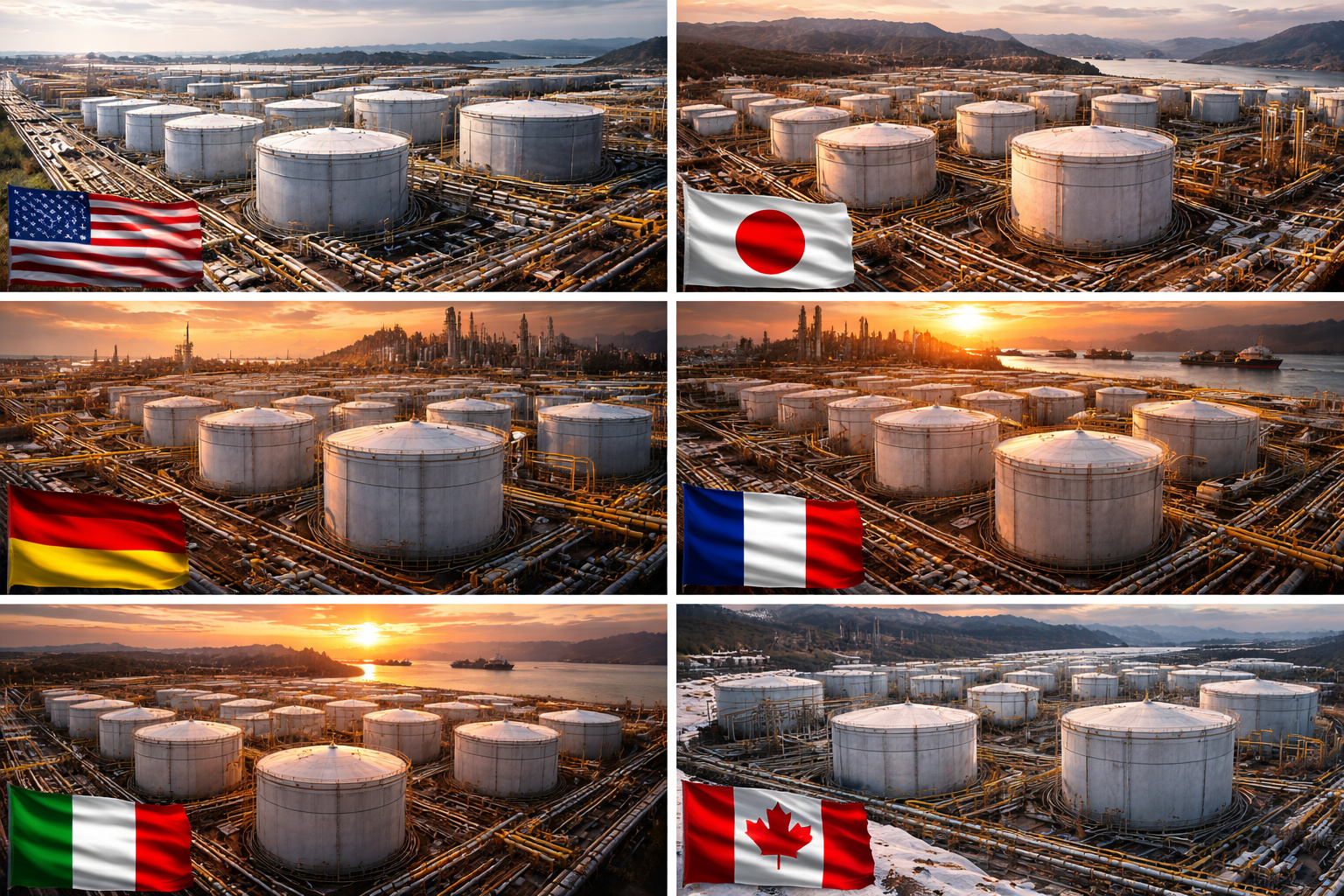
Oil Soars to Nearly $120, Middle East Tensions Shake Global Market, and a Little-Known Detail Returns to Energy Debate: The Gigantic Strategic Reserves Hidden by G7 Countries — See How Many Millions of Barrels Each Nation Holds in Reserve to Face a Global Crisis
-
Gasoline And Diesel May Change Course In Brazil: International Oil Pressure Renews Debate On Prices And Direct Impact On Drivers’ Wallets

- Stability of Internal Prices: Petrobras adopted a policy that smooths the volatility of oil prices, bringing greater predictability to the internal market.
- Abandonment of International Price Parity (IPP): The IPP was replaced by a model that allows for greater dialogue with the internal market, prioritizing the impact on the Brazilian consumer.
- Long Adjustment Intervals: With the new policy, the company is able to maintain longer adjustment intervals, avoiding sudden changes for the end consumer.
International Market: Fluctuation of Brent Oil and Impact on Refineries
In the international market, Brent crude oil, which serves as a reference for global prices, experienced a volatile week. After a significant rise on Friday (25), the price of Brent fell on Monday, reaching again the range of US$ 71 per barrel, after having reached US$ 76. This movement reflects geopolitical uncertainties and global supply and demand expectations. However, Petrobras has managed to keep prices stable in Brazil, preventing this volatility from being directly passed on to consumers.
Reasons for Price Instability of Brent:
- Geopolitical Conflicts: Tensions in the Middle East directly impact oil supply, influencing international quotations.
- Global Economic Uncertainties: Expectations of demand regarding global economic growth also affect prices.
- Fluctuations in Supply and Demand: With unexpected events in the oil sector, such as production declines, prices tend to fluctuate, increasing the risk for importing countries.
Average Price of Gasoline, Diesel, and LPG This Week
According to the ANP, the average price of gasoline closed at R$ 6.11 per liter, while diesel was traded at R$ 6.02. Liquefied Petroleum Gas (LPG), mainly used in gas cylinders, showed a slight decrease of 0.2% last week, ending the period at R$ 106.38 per 13-kilogram cylinder.
Comparison of Average Prices This Week:
- Gasoline: R$ 6.11 per liter (+0.3% compared to the previous week)
- Diesel: R$ 6.02 per liter (stable)
- LPG: R$ 106.38 per 13 kg cylinder (-0.2%)
Delay of Brazilian Prices Compared to the International Market
Despite the stability policy, the difference between Brazilian prices and international prices has been increasing. According to the Brazilian Association of Fuel Importers (Abicom), the price of gasoline in Brazil shows an average delay of 8% compared to the external market, suggesting that Petrobras has room to adjust prices at refineries by up to R$ 0.23 per liter. For diesel, the current delay is 3%, allowing for a potential increase of R$ 0.12 per liter.
This delay is due to the lack of adjustments since the last semester, coupled with the recent drop in oil prices due to geopolitical factors and economic fluctuations.
Delays and Possible Price Adjustments:
- Gasoline: Delay of 8% (possible increase of R$ 0.23 per liter)
- Diesel: Delay of 3% (potential increase of R$ 0.12 per liter)
Impacts of Pricing Policy on the Brazilian Economy
Petrobras’ decision to maintain stable prices is seen as a measure that reduces inflationary pressure in Brazil, protecting consumers from sharp fluctuations that affect the international market. With fuel inflation under control, the country can maintain a relative economic stability, which is positive for sectors directly dependent on transportation, such as logistics, agriculture, and industry.
However, the increase in delays may lead to pressures for prices to be corrected, especially if oil prices remain high in the international market. In the event of adjustments, consumers are likely to feel the impact on fuel prices, which could have negative repercussions in other economic sectors.
What to Expect from Fuel Prices in the Coming Weeks?
Given the current scenario, experts indicate that Petrobras will need to assess the evolution of the international market before any adjustment. The company has been maintaining a policy of dialogue with the market and authorities, seeking to balance the interests of consumers and shareholders. If Brent volatility continues, it is possible that Petrobras will adjust prices to reduce the delay while remaining cautious to minimize the impact on the internal market.
Possible Future Scenarios:
- Maintaining Stable Prices: If Brent stabilizes or decreases, it is likely that prices in Brazil will remain largely unchanged.
- Moderate Adjustments: With prolonged increases in Brent, Petrobras may adopt small adjustments to reduce the delay and balance the relationship with the external market.
- Inflationary Pressure: Depending on the duration and intensity of oil price increases, Brazil may see moderate inflationary pressure, especially on gasoline and diesel.
Petrobras and Fuel Stability in Brazil
In a scenario of uncertainties and global volatility, Petrobras’ pricing policy has played an important role in maintaining economic stability in Brazil. Although the price gap is increasing, the company seeks a balance that minimizes direct impacts on consumers. The future of prices will depend largely on the trajectory of the international oil market and the global economic conditions that directly influence the cost of the commodity.







Seja o primeiro a reagir!