





 Português
  Inglês
  Espanhol
  4 min de leitura


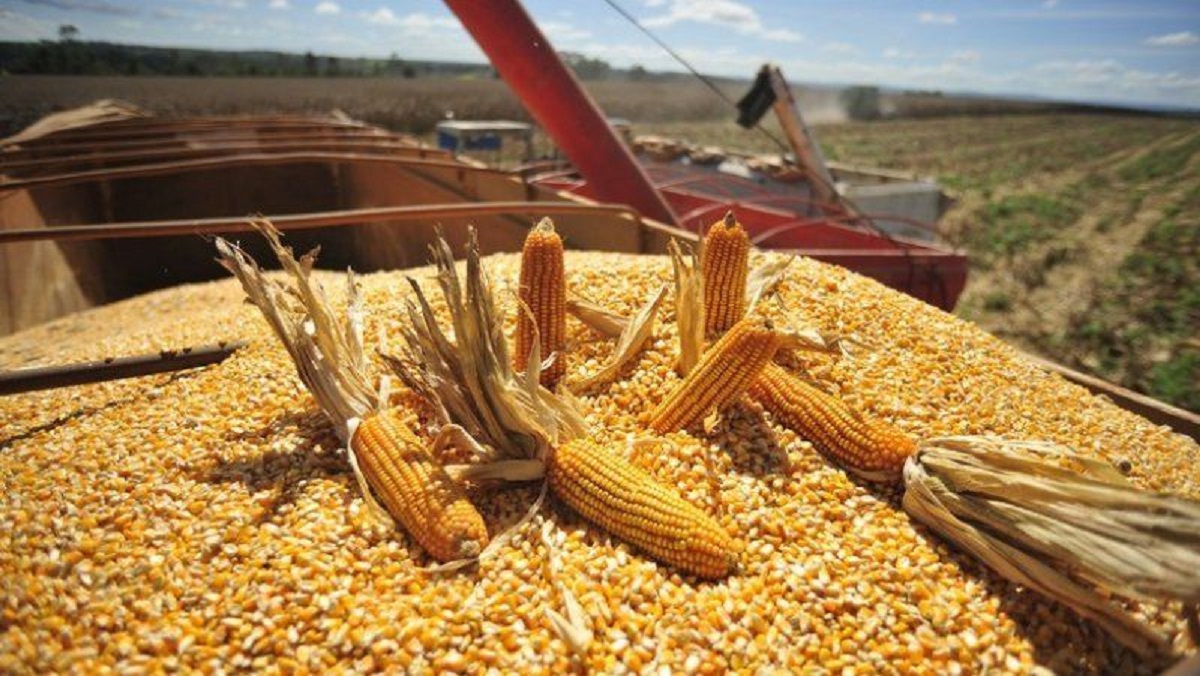
Brazil, The Second Largest Producer and Exporter of Corn in The World After The USA, Is Rapidly Increasing Its Exports This Year Amid A Strong Domestic Crop and The Expectation of A Decline in US Corn Production.
The South American nation exported 2.4 million tons of corn in May-June of this year, which is significantly higher than an average export of 343,415 tons during the same period over the last six years, according to official data.
Brazil’s corn exports are generally the lowest during the May to June period. However, the amount of corn exported in the two months this year indicates that buyers are actively seeking this alternative market. In addition to the record production, an early harvest and higher prices for coarse grain in the USA are also seen pushing exports from the South American country above its usual pace.
Vietnam, Japan, and South Korea were among the top buyers of Brazilian corn during this period, according to data from the country’s Ministry of Foreign Trade.
-
Haiti’s capital is experiencing an energy and construction crisis, facing blackouts, a blocked port, and buildings at risk after years of instability and a significant earthquake.

-
Government unlocks R$ 554 million for a highway that has been requested for decades and accelerates the duplication of BR.

-
Without bricks, without cement, and without endless construction: the cardboard house that is assembled in modules and can be moved.

-
Billions of barrels on the equatorial margin could lead Amapá to double its oil production in Brazil — the state aims to enter the route of companies in the Campos Basin, attract investments, and boost jobs and businesses in the oil and gas sector.


According to Brazil’s national agricultural agency, the National Supply Company, or Conab, the South American country is expected to produce a record 98.5 million tons of corn in 2018-19, but even taking into account the higher production, Brazilian corn exports in the last two months are considerably larger.
When Brazil’s corn production was at the previous high of 97.8 million tons in 2016-17, corn exports were at 873,200 tons during the May to June period of 2017.
The 2018-19 commercial year for Brazil, as defined by the USDA, began in March 2019 and will end in February 2020.
Additionally, in the first two weeks of July, corn exports already reached 1.88 million tons, while total exports for the month of July 2018 were 1.2 million tons.
“The USA simply won’t have enough corn to meet the USDA’s early export target if the crop is as short as we believe. This requires buyers to seek alternative supplies from Argentina, Brazil, and Ukraine,” said Arlan Suderman, chief commodities economist with INTL FCStone Financial.
The USA is expected to produce 352.44 million tons of corn in 2019-20, compared to 366.29 million tons in 2018-19, according to the latest USDA World Agricultural Supply and Demand Estimates.
Furthermore, USDA data show that world stocks excluding China and the USA will fall to just 37 days of supply in 2019-20, “which is stronger than at the beginning of this decade when we recorded record prices,” said Suderman.
Early Harvest In Brazil
Another factor behind the increase in Brazilian exports is the early corn harvest. As a result, a lot of corn is available in the market.
The safrinha, or second corn crop in Brazil, is typically planted between February and March after the soybean harvest, and the harvest begins between July and August.
But this year’s early soybean harvest encouraged farmers to plant safrinha corn at a record pace, several weeks earlier than normal and within the ideal planting window.
“The main reason (for the high exports) relates to the early corn second crop harvest – just to put it in perspective, Mato Grosso and Paraná started the harvest in May, reaching 3.5% and 3% of harvested areas, respectively – normally, it starts in June,” said Victor Ikeda, senior analyst at Rabobank Brazil. This resulted in an earlier available volume of corn for export than last season, he added.
Price Competitiveness
Competitive corn prices in Brazil are also supporting higher exports of the coarse grain, market participants said.
According to Suderman, the main reason Brazilian shipments have been so robust this year is the high price of North American corn.
Planting issues in North American corn combined with moderate prices in the U.S. above South American offers, he said.
The U.S. corn planting regions were hit by severe weather during the peak planting time.
“The U.S. corn industry anticipates a short crop this year that will fall short of the early demand for the 2019-2020 marketing year,” said Suderman.
Reporting: Total net corn export sales in the U.S. fell 16% for the week, to 333,006 mt.
According to Rabobank analyst Ikeda, Brazilian corn export prices at the port of Parangua are 10% lower than those at the port of New Orleans in the U.S.
The record-high production in Brazil and Argentina is also expected to keep global corn prices under pressure, according to market participants.
“Higher production in Brazilian and Argentine histories has been the main reason that is limiting a strong upward trend in CBOT prices,” said Ikeda.
He added that he does not expect corn prices on the Chicago Board of Trade to reach $5 per bushel anytime soon, given the rise in production in Argentina and Brazil that may offset some of the decline in U.S. exports.
The corn contract on the CBOT for the month of September opened at $4.25 / bu on Friday.









Seja o primeiro a reagir!