





 Portuguese
  English
  Spanish
  4 min of reading
  1 comment


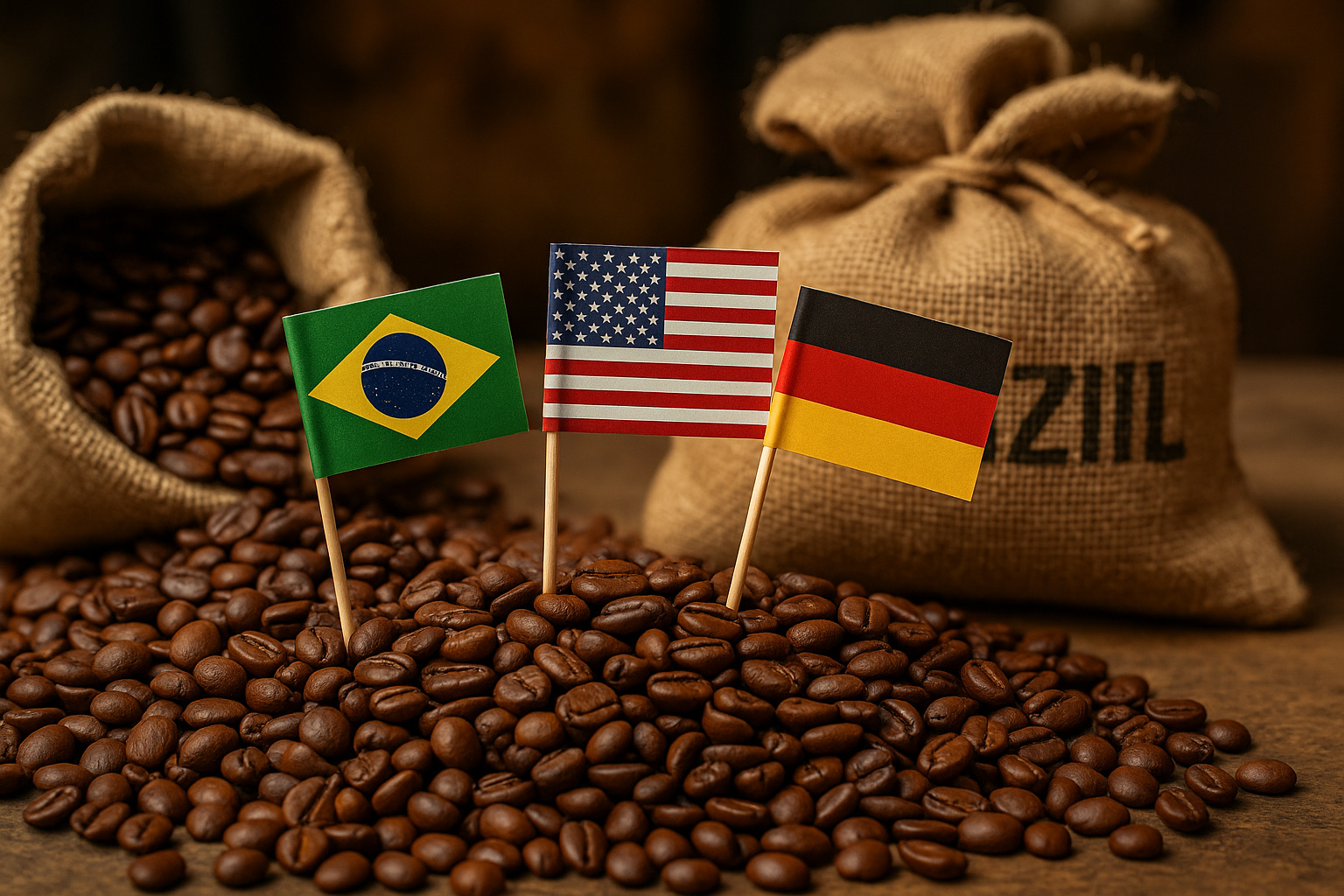


Coffee Special and Instant Coffee Exports Drop Drastically in August 2025 After New Tariff and Trigger Strong Reaction from Brazilian Entities
The exports of special and instant coffee from Brazil to the United States plummeted in August 2025, shortly after the implementation of the 50% tariff imposed by the government of Donald Trump in July.
According to data released by the Council of Brazilian Coffee Exporters (Cecafé) and the Brazilian Association of Instant Coffee Industry (Abics), the decline was significant both compared to the previous month and in comparison with August 2024.
Historic Decline in Shipments
According to Cecafé, only 21,679 bags of special coffee were shipped to the U.S. in August 2025, representing a reduction of 69.6% compared to July.
-
Unemployment rises again to 5.8% at the beginning of 2026, raising alarms about the end of temporary positions and its impact on the Brazilian job market.

-
Document organization can cut invisible costs in small businesses, a simple step that prevents waste, rework, and losses in daily operations.

-
Chinese giant worth nearly R$ 4 billion that manufactures cables for electric cars, solar energy, and robotics wants to open a factory in SC.
-
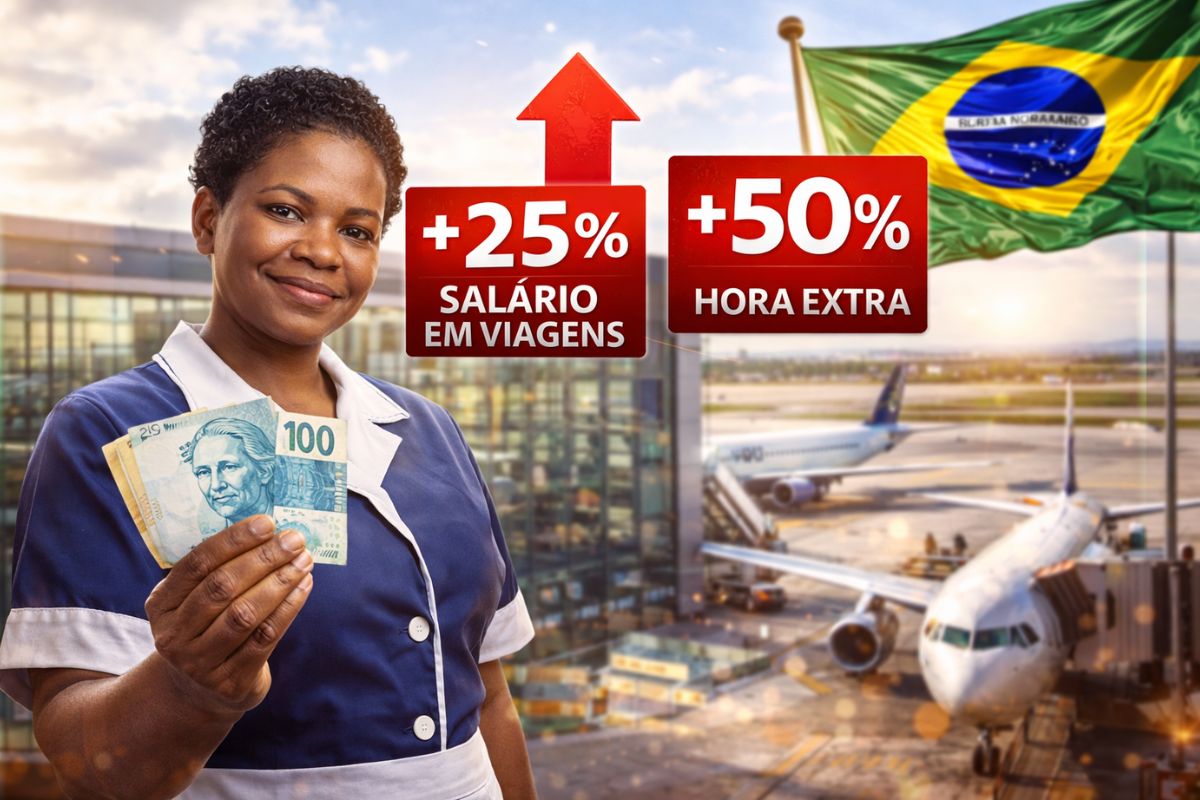
Many employers do not know, but the law guarantees domestic workers a 25% increase in salary during trips, 50% for overtime, 20% for night shifts, and 17 additional benefits that can lead to labor lawsuits if not paid.


Furthermore, when compared to the same period in 2024, the decline was even greater, reaching 79.5%.
For instant coffee, the numbers followed the same negative trend. According to Abics, Brazil exported 26,460 bags in August, a drop of 50.1% compared to July and a contraction of 59.9% compared to August of last year.
The impact was not limited to higher-value coffees. According to Cecafé, the total export of Brazilian coffee, including all types, fell by 17.5% in August 2025 compared to the same month of the previous year.
Germany Surpasses the United States
With the sharp reduction in U.S. purchases, Germany has taken the lead in importing Brazilian coffee in August 2025.
The European country imported 50,463 bags, surpassing the U.S., which fell to the sixth position in the ranking of largest buyers of Brazil’s special coffee.
Ahead of the Americans were The Netherlands (62,004 bags), Belgium (46,931), Italy (39,905), and Sweden (29,313).
Despite the specific decline, the U.S. remains in the lead for the annual total of 2025, both for special coffee and instant coffee. However, entities warn that this position is at risk if the tariff is not reviewed in the coming months.
Sector Calls for Urgent Negotiations
In light of the situation, representative entities of the coffee sector intensified their calls for negotiations between the governments of Brazil and the United States.
The executive director of Abics, Aguinaldo Lima, stated in August 2025 that “this 50% taxation makes trade with the Americans unfeasible. We need to open channels to restore a fair business flow”.
The president of the Brazilian Specialty Coffee Association (BSCA), Carmem Lucia Chaves de Brito, emphasized that “many signed contracts have been suspended, canceled, or postponed at the request of American importers”.
The leader further added that “it is essential to maintain talks with U.S. importers and industries, as well as to press for the Brazilian government to open direct negotiations with the Trump administration”.
Immediate Impacts and Long-Term Risks
For sector specialists, the continuation of the tariff barrier could cause structural loss of Brazil’s market share in the U.S., considered one of the most relevant markets for premium quality coffees.
Although other markets, especially European ones, are absorbing part of the production, the margins offered do not reach the same levels as the business in the U.S.
Furthermore, suspended contracts and regulatory uncertainties are already compromising the planning of exporters, who face the risk of devaluation of Brazilian coffee in premium markets.
A Strategic Challenge for Brazil
The coffee sector is at a maximum alert. The 2025 harvest was robust, and without the U.S. market fully operational, producers and exporters may face excess supply.
On the other hand, Germany and other European Union countries have been consistently increasing their purchases, proving to be an expanding alternative.
However, specialists point out that losing ground in the U.S., the largest coffee consumer market in the world, may have lasting consequences for the international image of Brazilian coffee.
What’s at Stake in the International Coffee Trade
The crisis opened by the 50% tariff imposed by the Trump administration shows how political decisions can reshape global value chains.
While Brazilian exporters push for negotiations, U.S. importers are already reducing contracts, jeopardizing not only sales but also mutual trust between the two countries.
Now, the response depends on a quick and effective diplomatic articulation capable of restoring the lost ground of Brazilian coffee in the American market.
And you, do you think Brazil should prioritize a swift negotiation with the United States to regain ground or focus on strengthening alternative markets in Europe?









Parabéns presidente!