





 Portuguese
  English
  Spanish
  4 min of reading
  16 comments


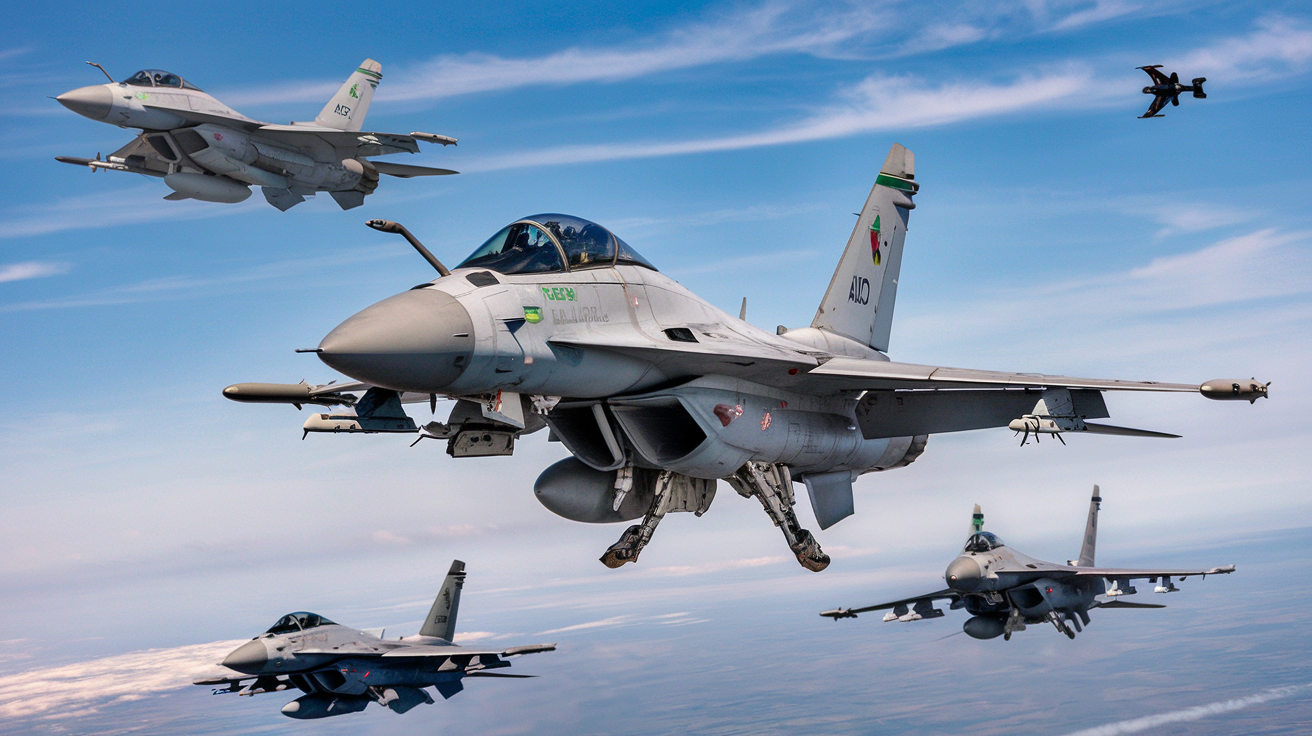


FAB Advances in the Use of the Powerful F-39E Gripen, Which Outperformed the US F-15 Fighters in Combat Simulations. This Operation Strengthens Brazil as an Emerging Military Power, Bringing Innovations in Technology and Logistics.
The Brazilian Air Force (FAB) is showcasing a true display of technology and strategy in the skies, and the whole world is watching.
Behind the scenes of one of the most advanced military operations ever conducted in the country, the powerful F-39E Gripen fighters have marked a historical milestone: they outperformed the renowned US F-15s in simulated combat.
With this symbolic victory, the FAB is advancing in a strategic process that combines technological innovation and logistical planning, reaffirming Brazil as an emerging power in military aviation.
-
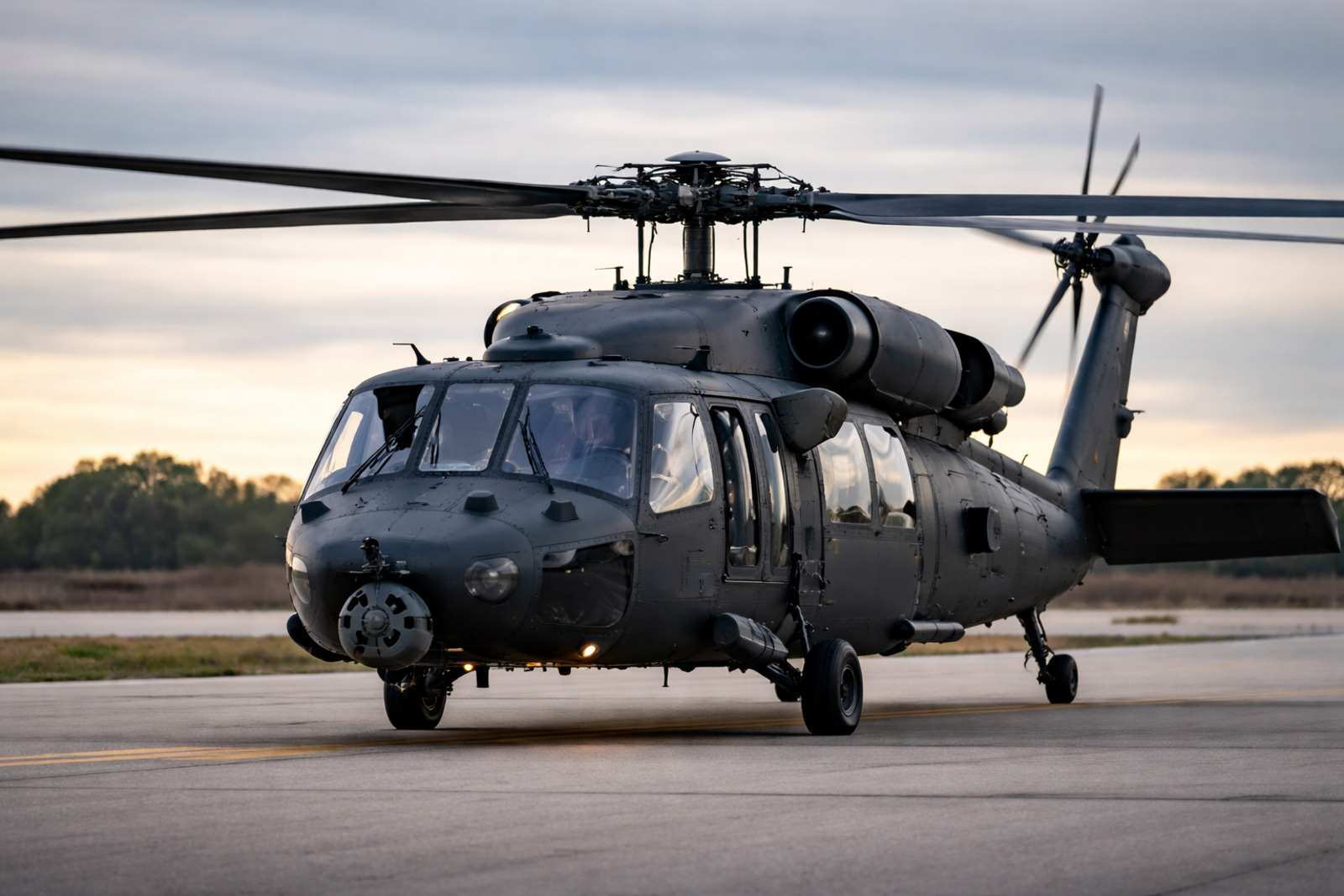
The U.S. Army receives the first Black Hawk helicopter that can fly without pilots, be controlled by a tablet, and even land on its own during high-risk missions.
-
With 11,000 tons and sensors capable of hunting submarines at long distances, the Type 055 has become one of the most feared floating arsenals of the Chinese navy.

-
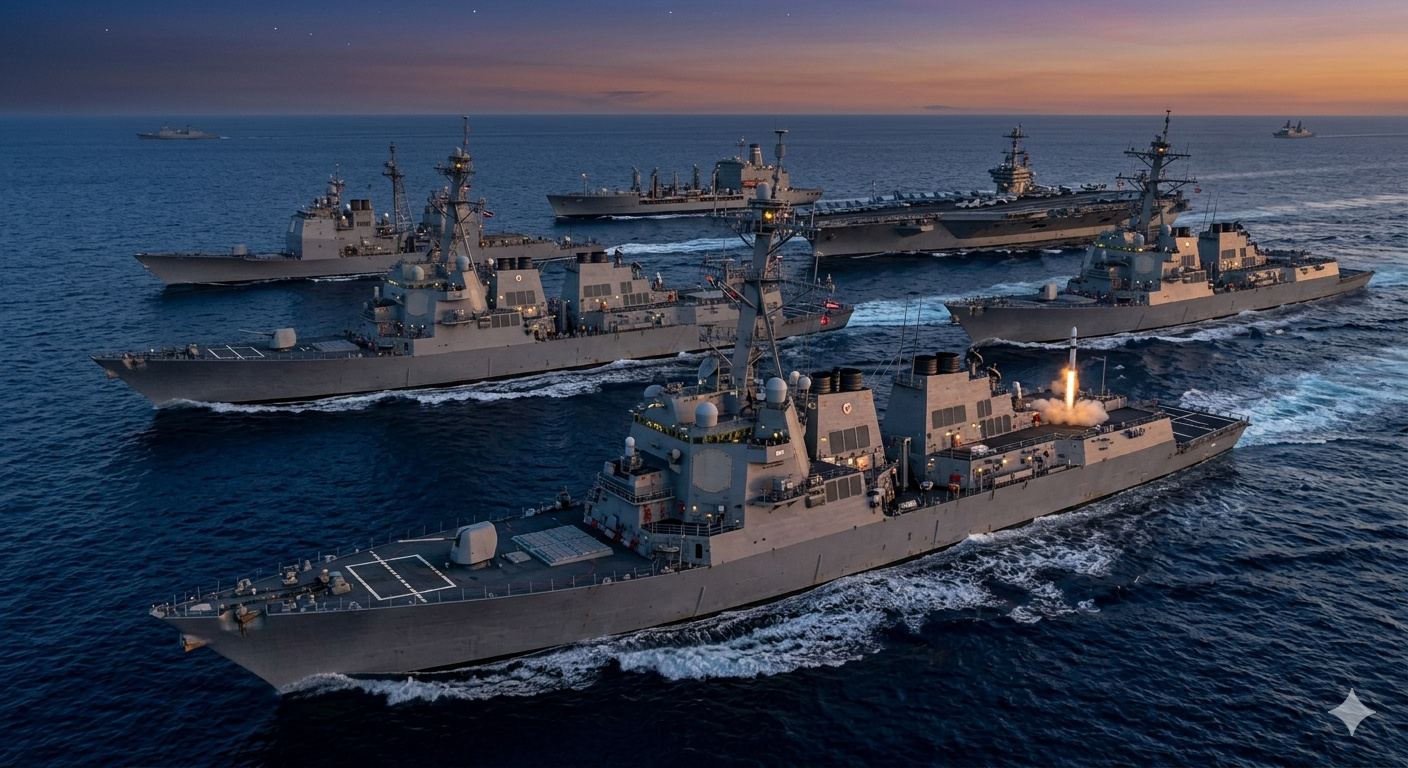
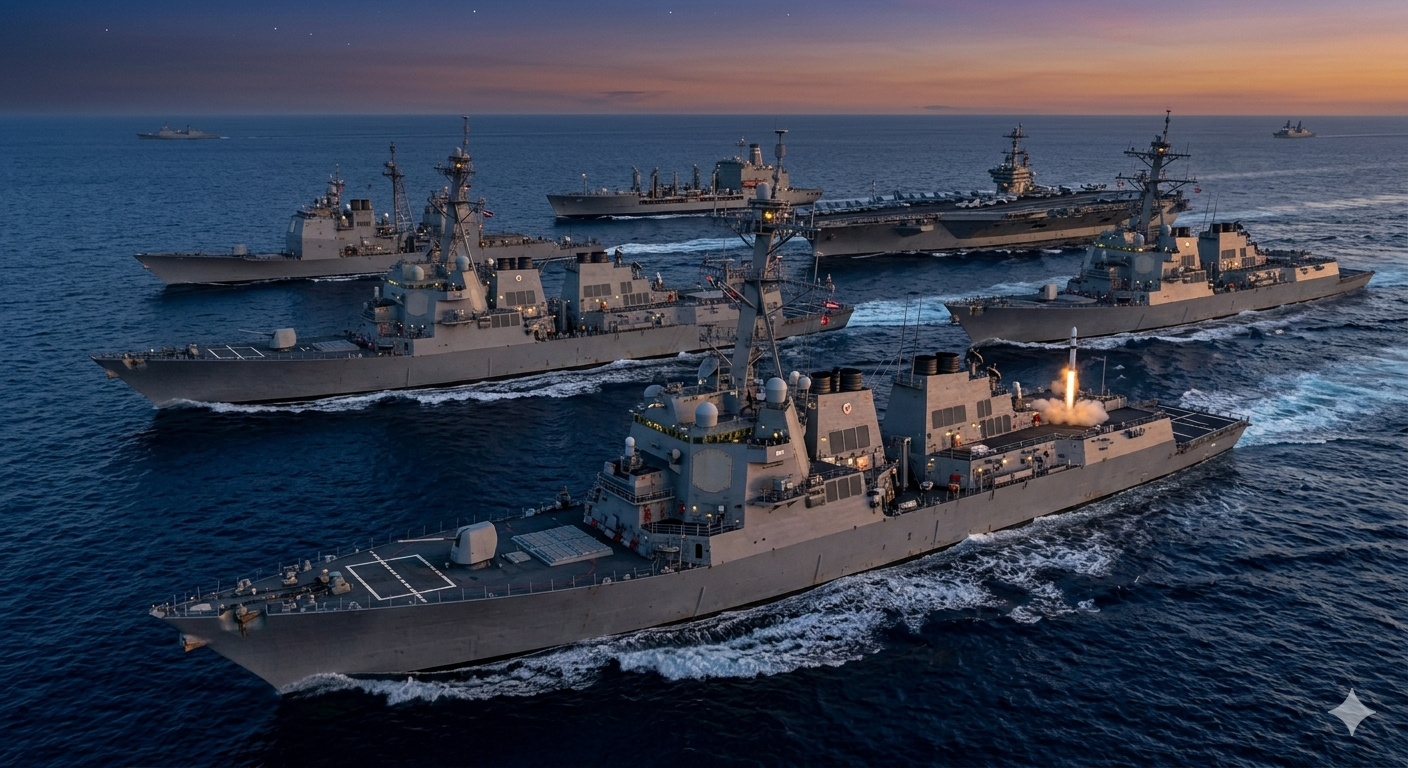
With over 15,000 tons, radars capable of tracking hundreds of targets simultaneously, and more than 120 missiles ready for launch in seconds, modern destroyers cease to be escorts and begin to dominate the naval battlefield.
-
With over 15,000 tons, radars capable of tracking hundreds of targets simultaneously, and more than 120 missiles ready for launch in seconds, modern destroyers cease to be escorts and begin to dominate the naval battlefield.
Gripen Versus F-15: The Test That Surprised the World
During November, the Natal Air Base (BANT) hosted the second phase of the contractual Operational Evaluation (AVOP) of the F-39E Gripen fighters.
Coordinated by the Aerospace Science and Technology Department (DCTA), the stage involved collaboration with various entities, including the Aeronautical Material Park of São Paulo (PAMA-SP) and the Logistics Engineering Laboratory of the Aeronautics Technological Institute (AeroLogLab-ITA).
One of the most talked-about moments of the operation was the simulated combat between the Gripen and the American F-15s, where the Brazilian fighters demonstrated tactical and technological superiority.
“It was a show by the FAB, showing that Brazil can be among the largest air forces in the world”, said international aviation experts.
The evaluation process included real missions integrated into the exercises COMAO Flight 2024 and Cruzeiro do Sul (CRUZEX) 2024, both organized by the Preparation Command (COMPREP).
These trainings aimed to test not only the combat capability of the fighters but also to validate the logistical and maintenance efficiency of the F-39E model in complex operations.
Cutting-Edge Technology: The Role of Basic Capability
The Basic Capability (BC) version of the Gripen is at the center of the FAB’s attention. This initial configuration is essential to understand how the aircraft behaves in real scenarios and to ensure its effectiveness in future missions.
During the evaluation, the focus was on logistics validation, with data collection on support and maintenance activities performed outside the home base.
These insights are crucial for adjusting the Gripen’s operation to the real conditions of the Brazilian environment, maximizing its operational performance.
As Colonel Engineer Thais Franchi Cruz, the operation’s general coordinator, explained, the FAB has developed an innovative management model for the use of the aircraft.
“The fleet management software will be a disruptive tool, transforming the way of working not only for the Gripen but also for other projects like the KC-390,” she stated.
Revolutionary Logistics Management
One of the most highlighted innovations in this campaign was the validation of the Simulation Model for Operations and Maintenance Management, developed by AeroLogLab-ITA. This system uses real-time data to predict and optimize the maintenance logistics of the aircraft.
Lieutenant Colonel Engineer Danilo Garcia Figueiredo Pinto emphasized the relevance of this advancement: “The campaign was essential to validate the system.
The results showed high adherence to the real operations of the FAB, demonstrating the model’s potential to transform fleet management.”
Additionally, aviator Colonel Fernando Teixeira Mendes Abrahão highlighted the importance of continuously evolving the model.
He stated that the system will function as a “digital twin” of the fleet, helping to increase the precision and efficiency of operations.
Impacts on Brazilian Military Aviation
The entry of the F-39E Gripen into the operational cycle marks a turning point for military aviation in Brazil.
More than just a fighter, it represents a new era of logistical and technological strategies that can inspire other projects.
According to experts, the campaign held at the Natal Air Base is already considered an example of success for armed forces worldwide.
Brazil shows that it is prepared to operate cutting-edge aircraft, optimizing resources and ensuring maximum efficiency in its missions.
With the data collected, the FAB plans to implement continuous improvements in the operational model of the Gripen, increasing its adaptability and longevity in the military landscape.
What Does the Future Hold for the FAB and the Gripen?
The introduction of the F-39E Gripen into the FAB fleet is already transforming the way Brazil views military aviation.
With cutting-edge technologies, innovative management models, and already proven performance, the country is making a significant leap toward strengthening its air sovereignty.
Is Brazil ready to challenge major powers in the field of military aviation? Share your thoughts in the comments!

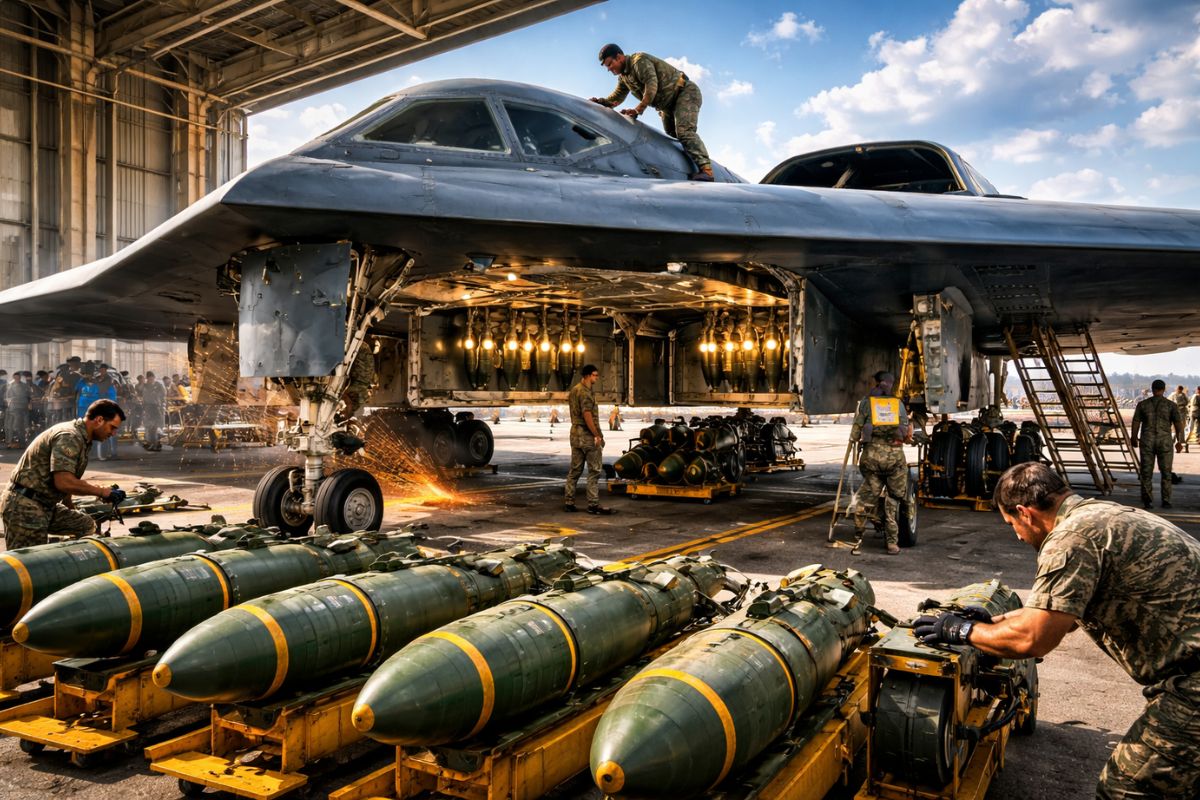







Deveriam pelo menos nessa matéria colocar uma imagem de um gripen, não uma imagem de inteligência artificial de um avião que sequer existe.
Querem saber conhecimento de vcs. Vcs estão sendo estudados FAB pela Force Ar Américan
Os Estados Unidos possuem 195 aviões F-22 Raptor, sendo 8 unidades para testes e 187 para operações.
O F-22 Raptor é um caça desenvolvido pela Lockheed Martin e considerado um dos mais avançados do mundo. Em 2020, o custo unitário de um F-22 Raptor era de US$ 334 milhões.