





 Portuguese
  English
  Spanish
 4 min of reading
  0 comments


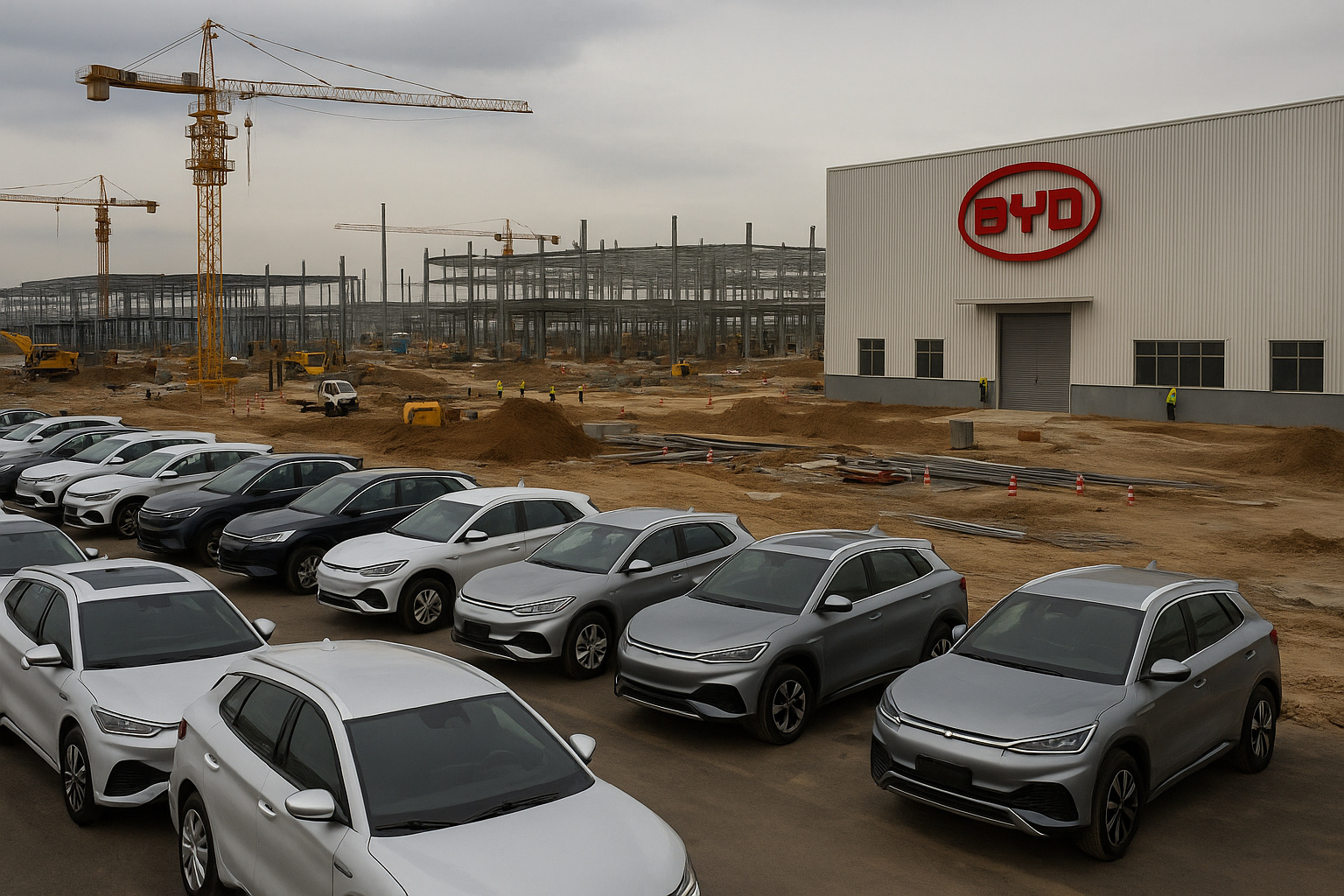
BYD Megaplant, Which Promises to Be the Largest in Latin America, Starts Operating with Delays, Incomplete Sheds, and Cars Scattered Around the Industrial Yard
On July 1, 2025, BYD officially inaugurated its largest factory outside of Asia and the largest electric vehicle unit in Latin America in Camaçari (BA). Despite the grand ceremony, the scene still shows cars scattered, ongoing construction, and sheds being completed, revealing the challenges faced by the Chinese automaker in its industrial debut in Brazil.
The Bahia megacomplex occupies 4.6 million square meters, equivalent to 645 football fields, and consumed an investment of R$ 5.5 billion. The company plans to produce 600 thousand vehicles per year, but, for now, only part of the industrial park is operating effectively.
The BYD plant in Camaçari is expected to be “fully operational by December 2026,” according to a statement from a state representative to Reuters, due to delays caused by labor investigations and adverse weather conditions.
-
Engineers propose a fourth traffic light for intersections – the change promises to affect crossings, queues, and waiting times.

-
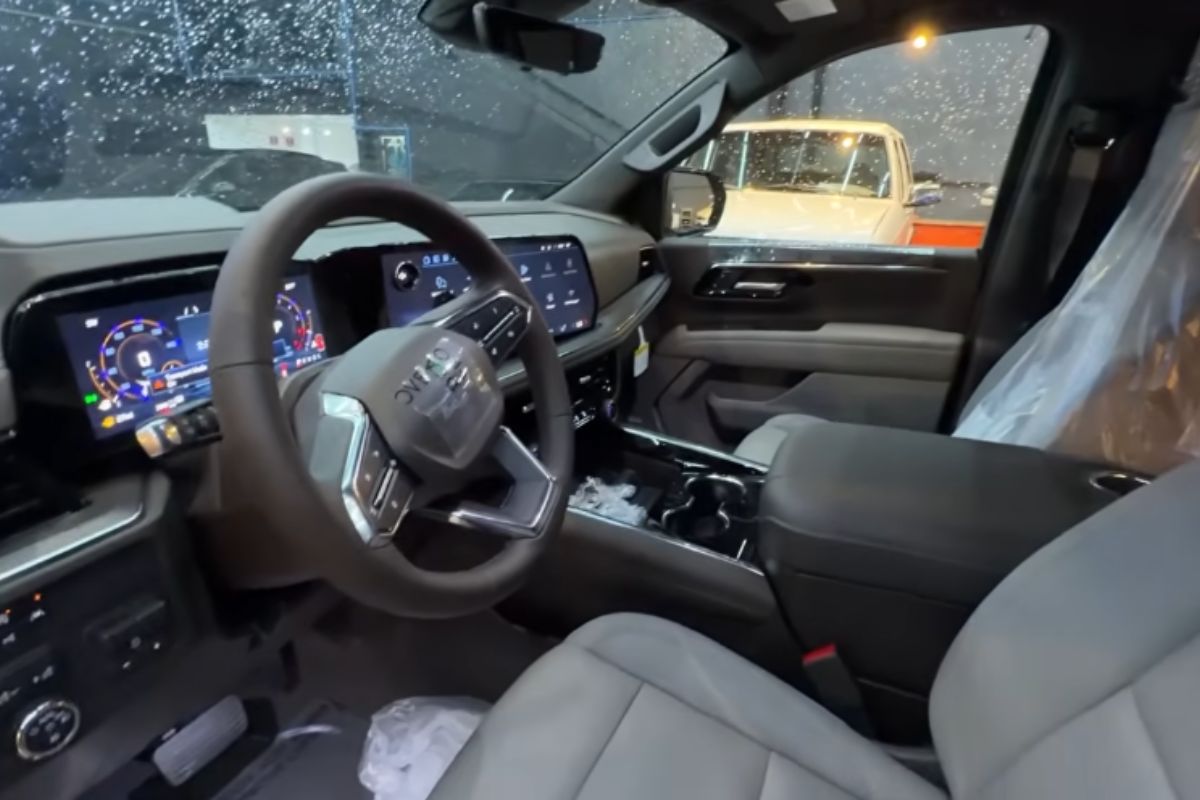
Chevrolet Suburban Z71 lands in Brazil with a V8 engine, off-road design, air suspension, seven seats, and colossal size, a rare version imported for around R$ 1.3 million with luxury and exclusivity.
-
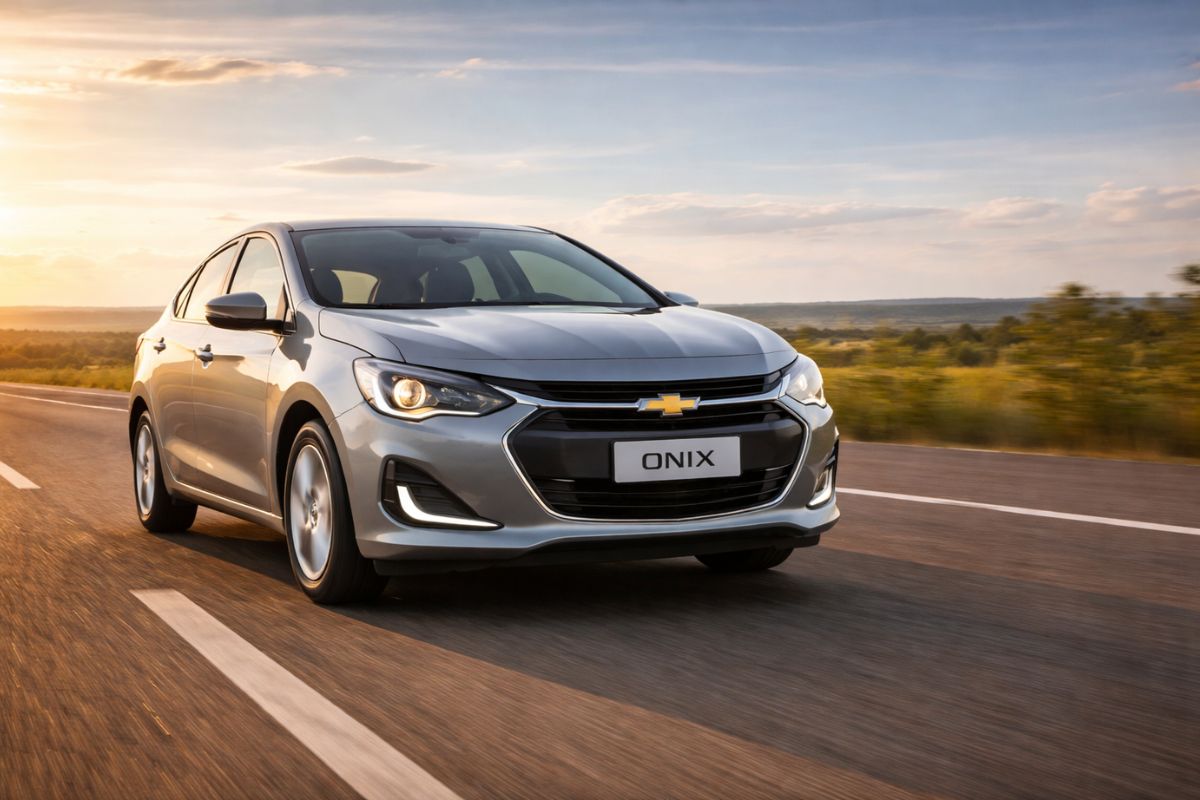
The Chevrolet Onix 1.0 turbo achieves 17.7 km per liter on the highway and ranks among the three most economical cars in Brazil in 2026, alongside two more expensive Toyota hybrids available at dealerships.
-
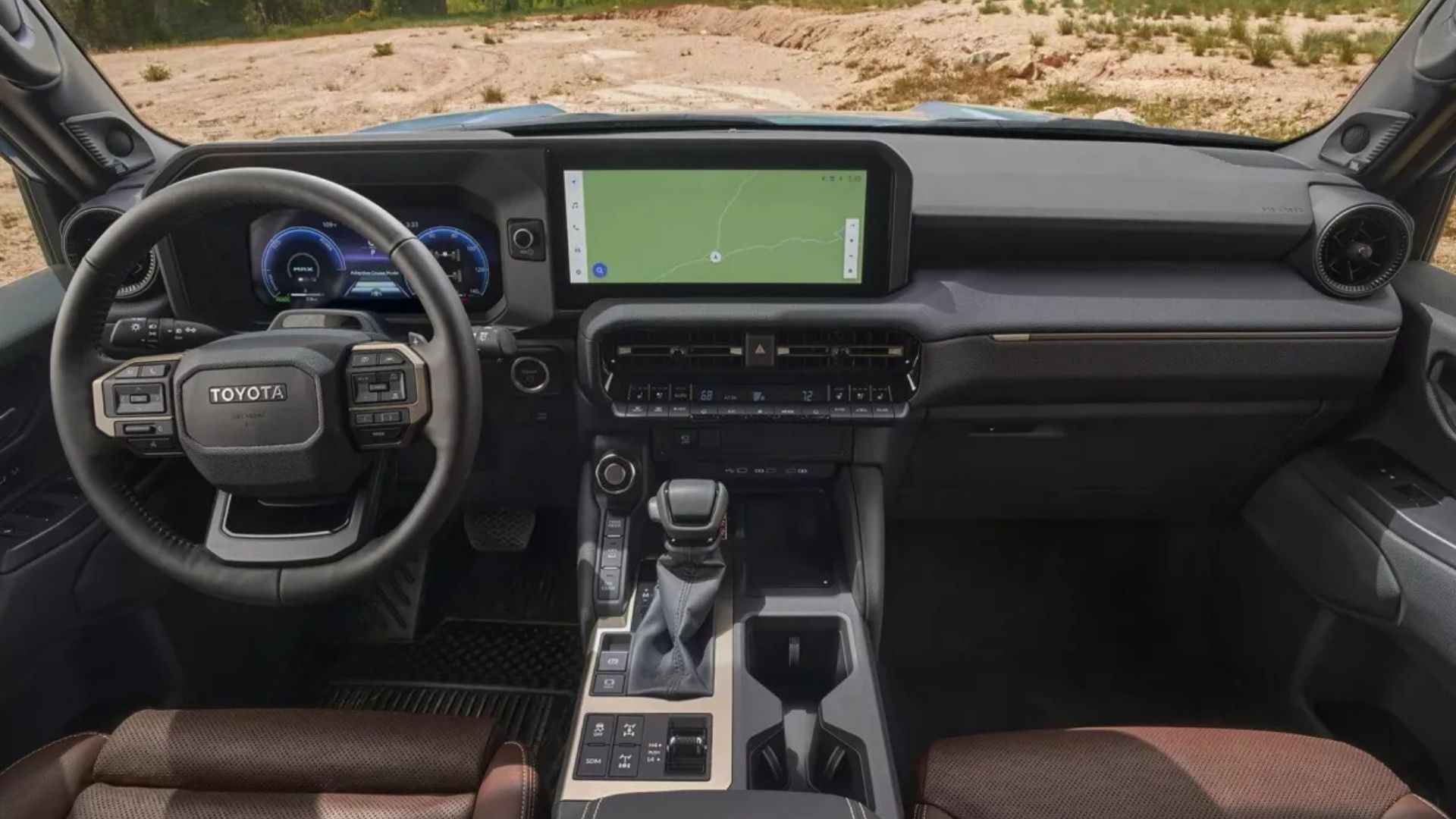
Little sister of the Hilux: Toyota launches Land Cruiser FJ with 4 radical versions, 2.7 engine with 166 hp and 4×4 traction with locking.

From Abandoned Land to Hasty Factory
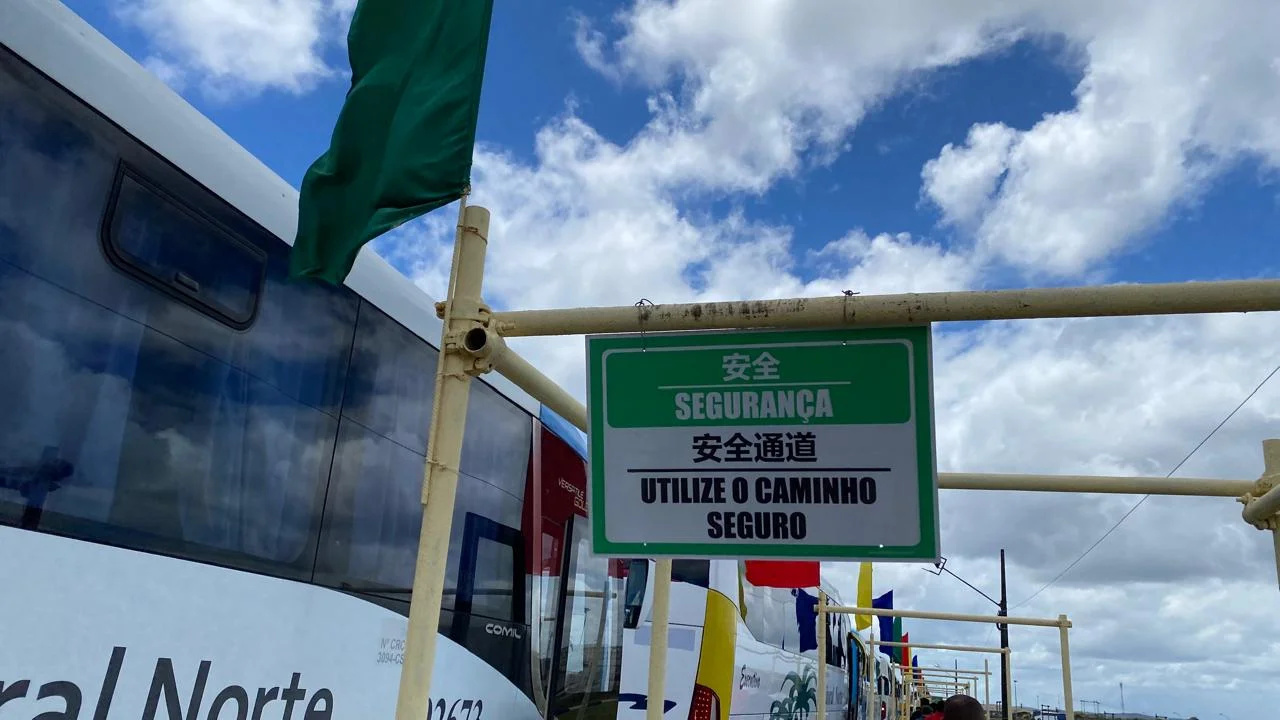
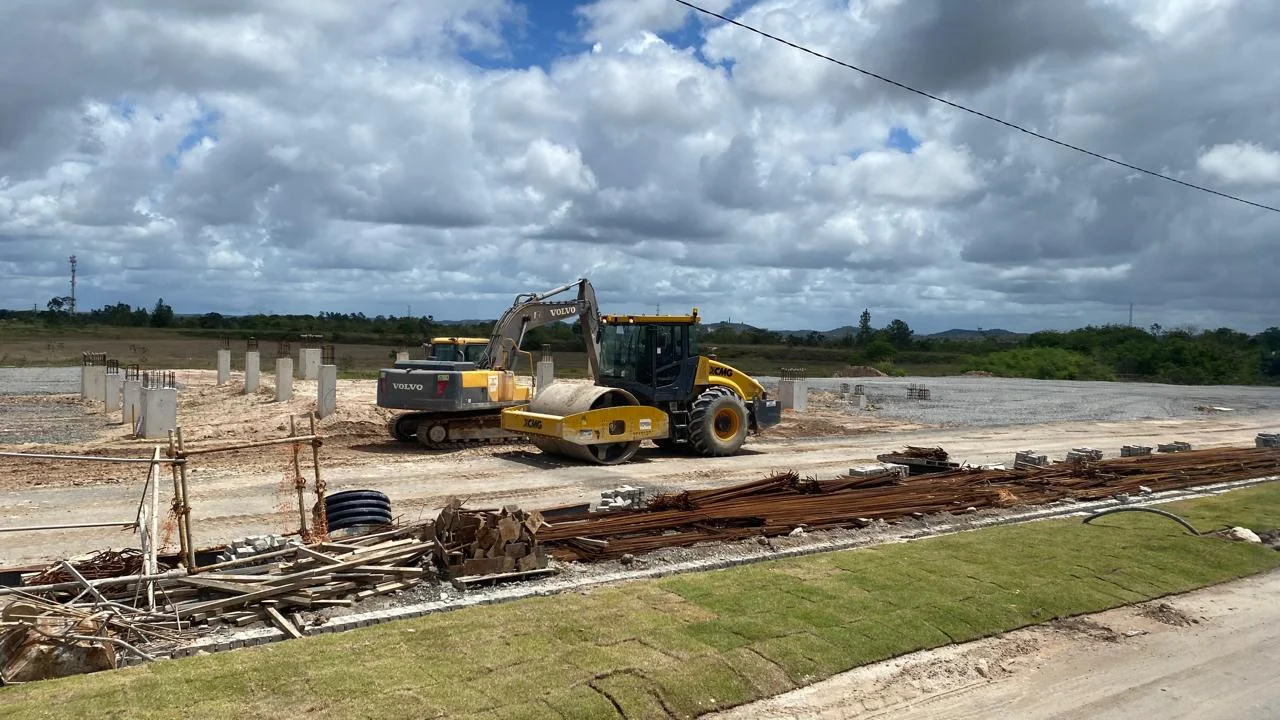
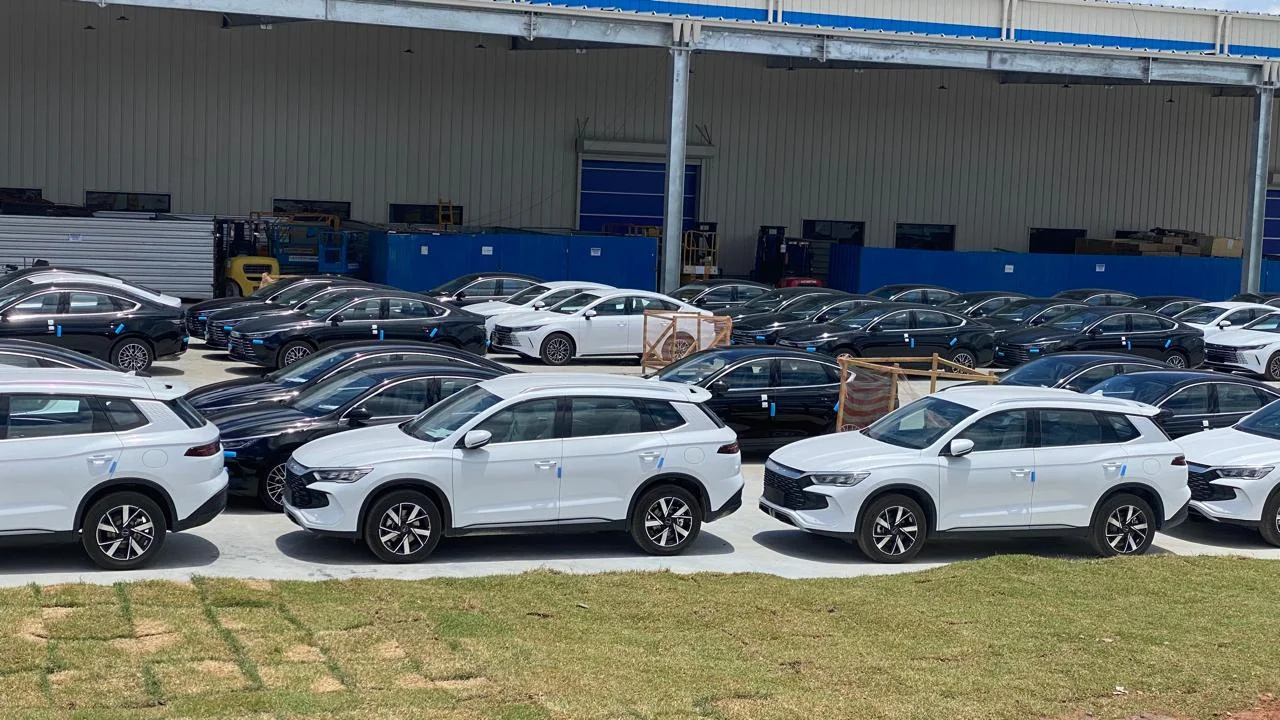
The land belonged to Ford, which produced the Ka and EcoSport models between 2001 and 2021. After the departure of the American automaker, the space remained idle until October 2023, when the Bahia government granted it to BYD.
The automaker began construction in March 2024, promising an accelerated schedule of just 15 months. Today, some of the sheds are operational, while other areas are still under construction, with teams and machinery sharing space with newly assembled vehicles.
During the inauguration, the company’s senior vice president, Alexandre Baldy, stated that the location has “transformed from an abandoned lot into a factory of dreams.” President Luiz Inácio Lula da Silva emphasized that the project symbolizes the revival of the national industry, despite logistical hurdles and tight deadlines.
Accelerated Works and Bold Goals
BYD has divided the project into three phases of expansion. In the first phase, the goal is to produce 150 thousand vehicles per year. In the second, the volume doubles to 300 thousand annual units, and in the third, the objective is to reach 600 thousand vehicles.
The complex will include electric bus lines, a battery factory, and a research and development center. However, areas designated for research are still undergoing adjustments. This rush to inaugurate has drawn criticism regarding the lack of ready infrastructure.
The company claims that it intends to make Brazil a reference in Latin American electric mobility, but faces the challenge of balancing rapid growth with operational efficiency.
Partial Production and Slow Nationalization
Currently, assembly occurs in the SKD (Semi Knocked-Down) system, with semi-disassembled parts sent from China. BYD plans to gradually nationalize production by the end of 2026, with welding, painting, and full assembly on Bahian soil.
The manufacturer has accredited 106 Brazilian companies as suppliers, including Continental Tires, located in the same industrial hub. Despite the progress, most components still come from abroad, which limits the plant’s productive independence.
The first assembled models will be the hybrids Song Pro and King, in addition to the electric Dolphin Mini. The Shark pickup is still under evaluation to join the future assembly line.
Allegations and Delays Marked Construction
The implementation process faced problems and investigations. In 2024, the Labor Public Prosecutor’s Office caught workers subjected to conditions analogous to slavery in third-party construction companies. Following the inspection, BYD demanded corrections and terminated contracts with the involved companies.
Additionally, imported equipment was held for months at the Port of Salvador, delaying the installation of assembly lines. Because of this, the company postponed the inauguration from June to July 2025.
Sources from Reuters and the portal AutoIndústria reported that part of the structure still does not have full operational licenses, which explains the controlled pace of initial productions.
Impact and Public Image
Even in the face of criticism, BYD seeks to reverse the image of makeshift operations and accelerate the regularization process. Experts from Anfavea regard the project as a significant technological advance, but warn that growing too fast may compromise quality.
The Bahian government views the factory as a symbol of regional reindustrialization, although it acknowledges that employment and nationalization targets will need adjustments.
Meanwhile, crowded yards, parked cars, and ongoing works reinforce the perception of a chaotic and hasty start.
The Electric Turn Under Pressure
BYD assures that all pending stages will be completed by 2026, but it faces pressure from investors and public opinion to deliver results more quickly. Yet, the project places Brazil on the global map of electric mobility, strengthening the national supply chain.
The inauguration of the Camaçari plant marks the beginning of a new industrial era, but reveals that haste, bureaucracy, and disorganization still surround the Brazilian automotive sector.
Will BYD manage to turn the initial chaos into an example of efficiency and innovation in the national industry?









-

-

-

-

-

-

43 pessoas reagiram a isso.