





 English
  Francês
  Alemão
  Italiano
  Japonês
  Norueguês
  Portuguese
  Spanish
 5 min of reading


Graphene May Be Used in The Manufacture of Steel Alloys for Wind Turbines and in The Desalination of Seawater, Something That Also Promises to Revolutionize The Industries of Ceará in The Next Five Years
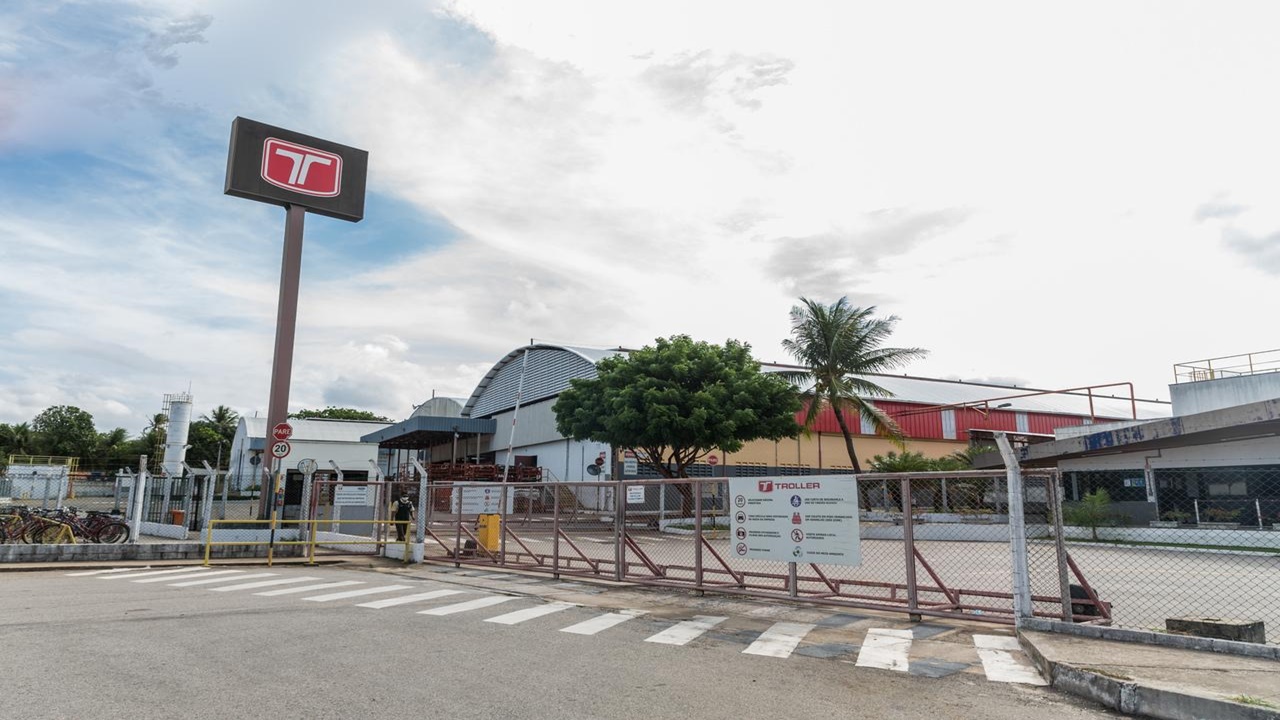
The Secretary of Economic Development and Labor (Sedet) of the Government of Ceará, Maia Júnior, said that executives from a São Paulo industrial group interested in buying the Troller factory, which Ford decided to keep operating until December this year in Pacajus, in the Metropolitan Region of Fortaleza, have already met with the management of CIPP S/A, and intend to reinstall the unit in the Pecém Export Processing Zone.
Read Also
- SBT, One of Brazil’s Main Broadcasters, Starts Recruitment and Selection for Job and Internship Vacancies in The States of SP and RS
- 6000 Job Openings for High School, Technical, and Higher Education Available in The Competition for The Health Foundation in Ceará with Salaries Up to R$ 23,000
- After Volkswagen, Ford, and Fiat, The Multinational Chevrolet Suspends Production at The Factory in SP and Chevrolet Onix, Onix Plus, and Spin Will Not Be Manufactured Until August 3
- Brazil Will Be The Protagonist of The Niobium Revolution in The World, The Essential Metal for The Steel Industry, Electric Cars, Infrastructure, Technology, and Health
- Ford Motor, One of The Most Important Automobile Manufacturers in The World, Will Stop Developing and Manufacturing Combustion Engines, Gasoline, and Diesel for a Fully Electric Future
- Niobium, The “Wild Card” for The Industry of The Future, With Lighter Cars, Lower Consumption in Combustion Engines, and Ultra-Fast Charging in Electrics. All This Is Possible With The Presence of This Metal So Abundant in Brazil
During this meeting, the possibility of Troller (Ford) being reinstalled in The Pecém ZPE to produce, in addition to new models of the jeep, electric cars, and, additionally, graphene, a mineral extracted from graphite, which exists in the soil of Aracoiaba, around the Baturité Massif, and in municipalities of Baixo Jaguaribe was discussed.
Graphene May Be Used in The Manufacture of Steel Alloys for Wind Turbines, Being Much Lighter Than Steel and 100 Times Stronger, Which Would Add Value to The Equipment.
-
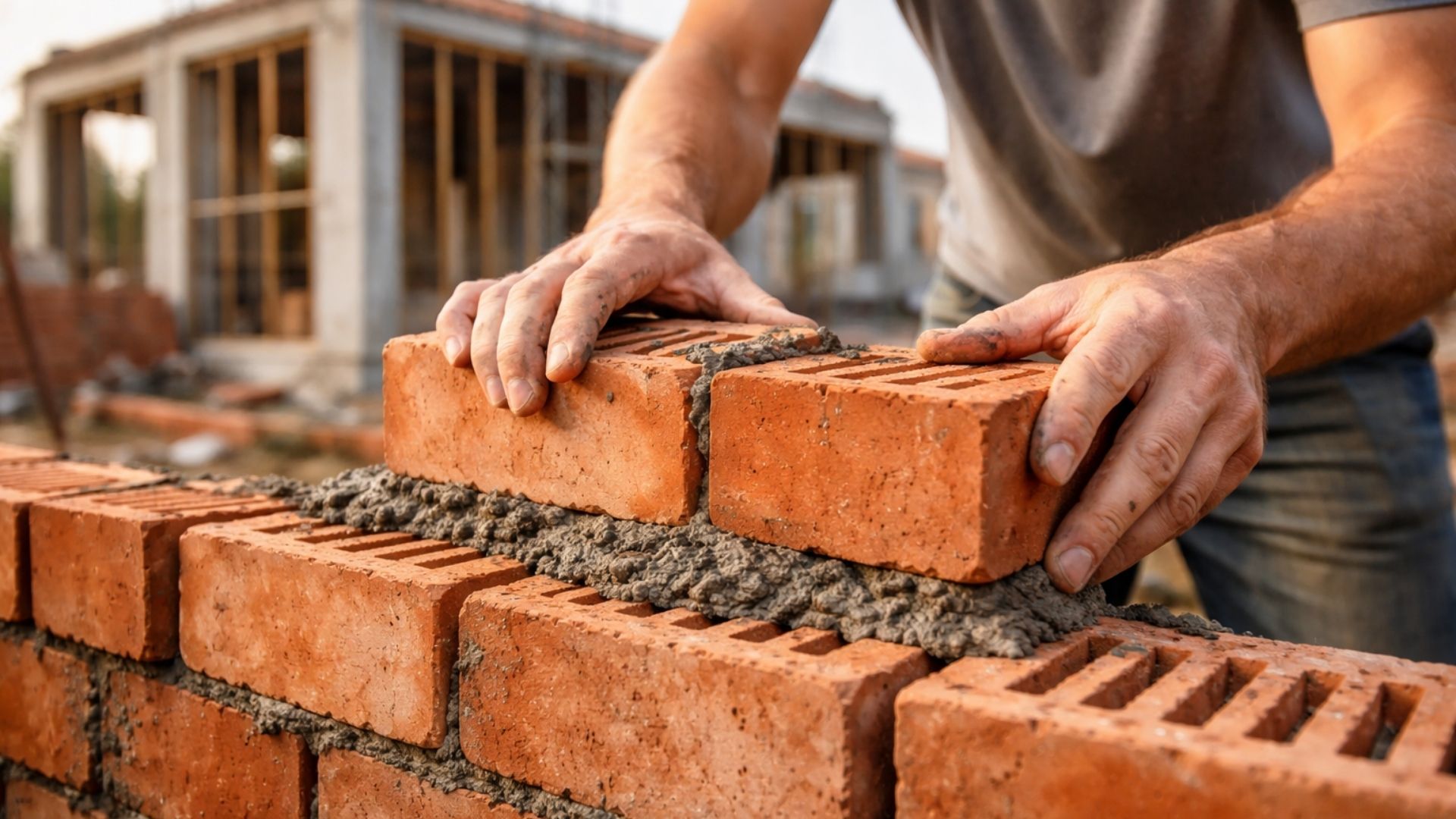
‘Interlocking brick’ made of earth arrives in the construction industry with cost reductions of up to 40% on the project.
-
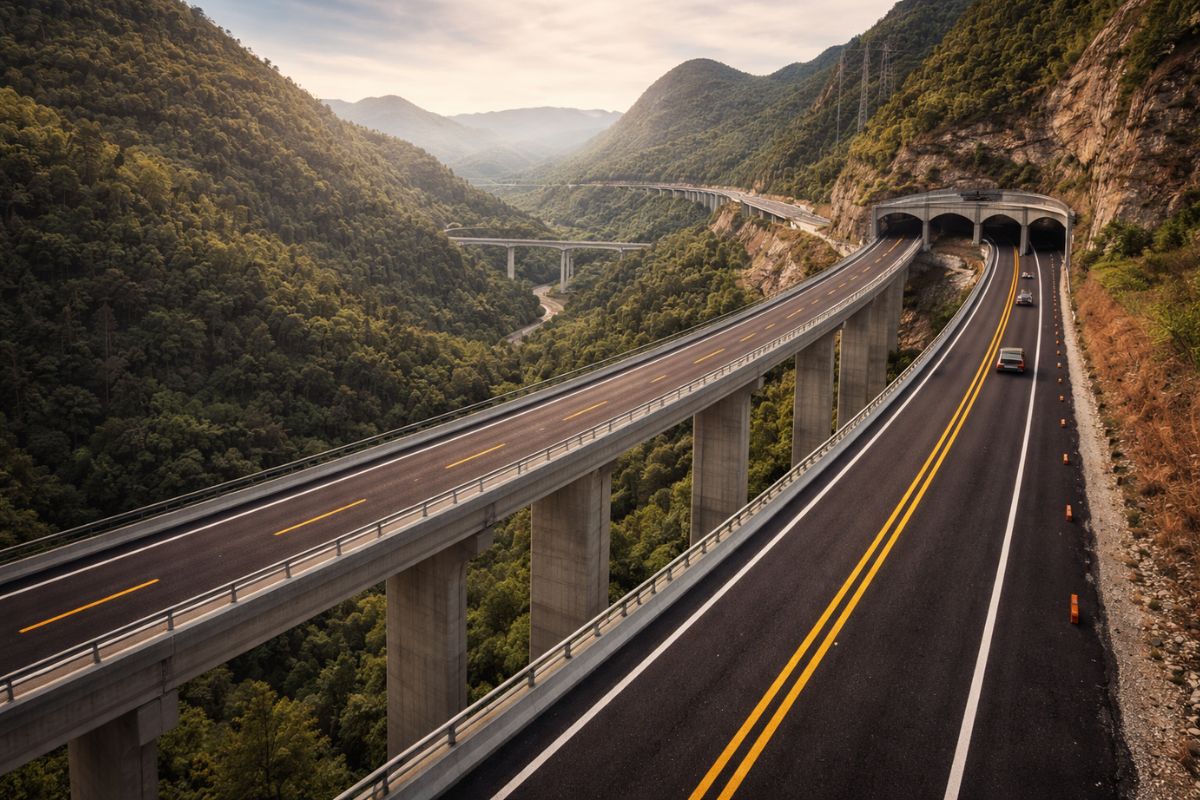
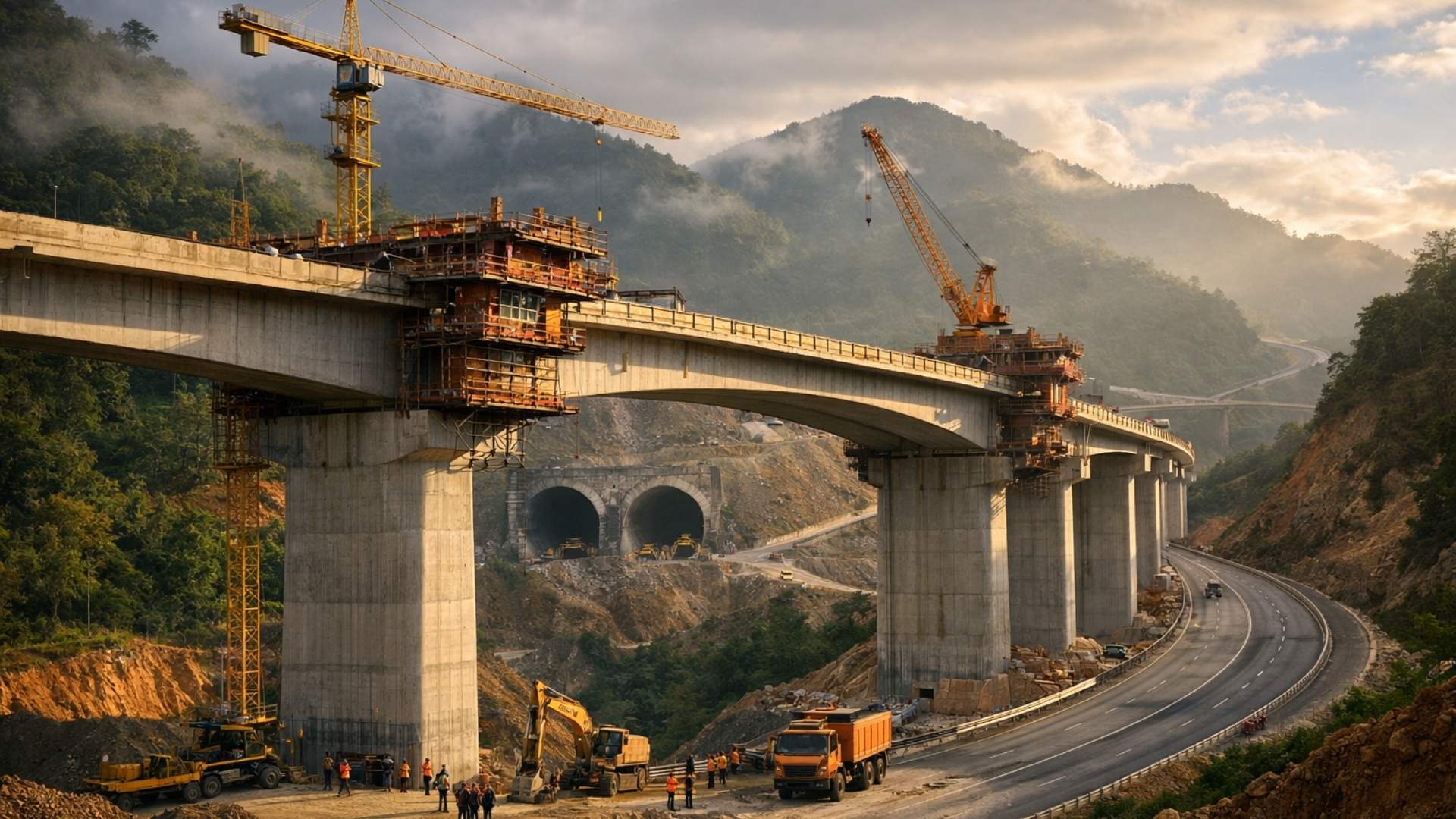
Espírito Santo will receive the largest engineering project in its history with the duplication of BR 262, which will have 50 viaducts, 28 bridges, and 2-kilometer tunnels cutting through the most challenging mountainous region of the entire state.
-
A project of nearly 9 million reais already has the first kilometer paved in Santa Catarina and promises to completely transform the access between Jaraguá do Sul and Rio dos Cedros in an area where tourism is growing at a rapid pace.

-
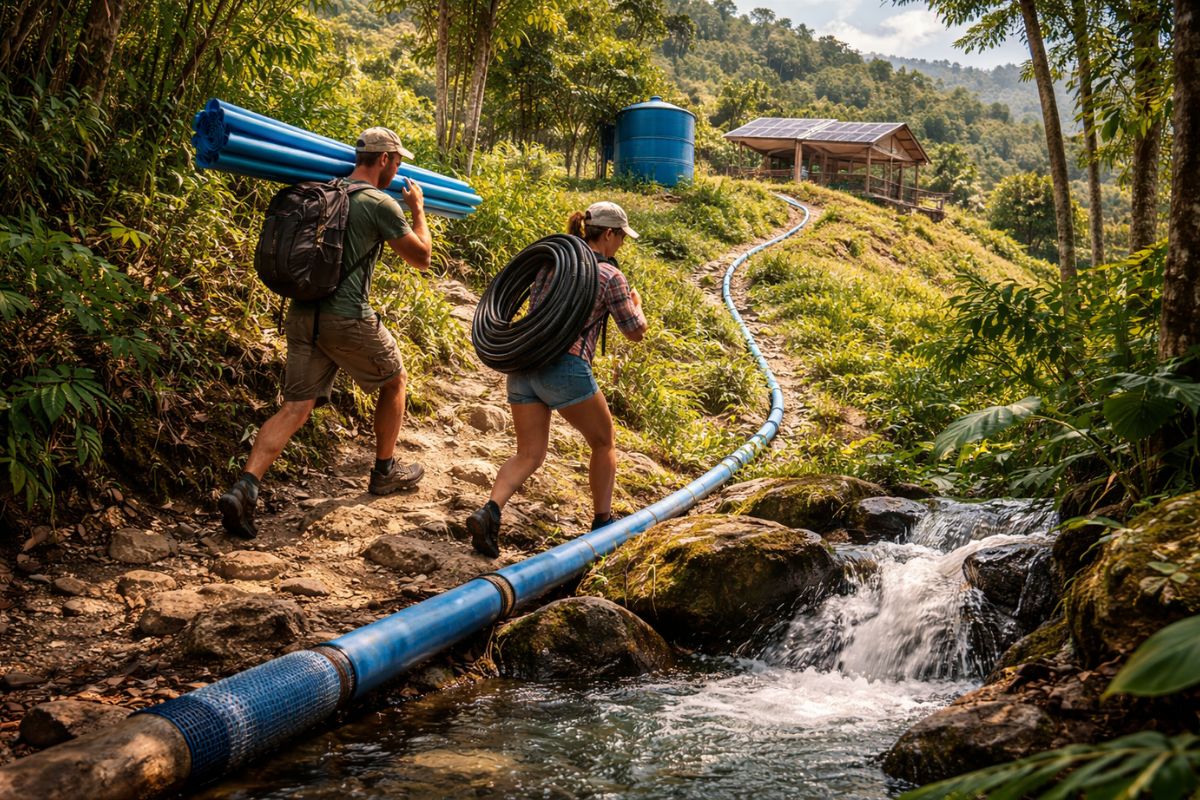
A couple builds a system to bring water from the spring to their land, climbs a hill with materials on their backs, and creates a simple, cheap, and sustainable solution to ensure their own water supply.

Moreover, the powerful mineral Would Also Be Used in The Manufacture of The Membranes Required in The Desalination Process of Seawater, Something That Also Promises to Change The Industrial Profile of Ceará in The Next Five Years.
According to the Secretary of Economic Development and Labor (Sedet) of the Government of Ceará, Maia Júnior, the renewable energy sector is experiencing growth in private investments in the state, which will be even stronger in the short term, with the implementation of offshore wind farms already scheduled for the coast of Pecém and Camocim and currently under review by the agencies responsible for environmental licensing.
“Ceará may be finding the foundations of its new economy,” says Secretary Maia Júnior enthusiastically.
Graphene, The Powerful Flexible Material 200 Times Stronger Than Steel and Thinner Than A Hair, Is Abundant in Brazil and Will Make The Country A Leader in The Global Technological Revolution
Graphene, The Revolutionary Material Abundant in Brazil, Will Become The Next Global Technological Revolution and A New and Promising Scenario Is Starting to Unfold in Rio Grande do Sul, From Research and Production of A Substance That Scientists Have Been Calling “Material of The Future.” The Powerful Material Is The Thinnest, Lightest and Strongest Chemical Element Ever Discovered and Has The Potential to Surpass The Impact of Silicon and Plastic in Industry, Revolutionizing The Market in Almost All Areas — From Mobile Telephony to Regenerative Medicine.
The Revolutionary Graphene Can Be Used in Almost Everything, From Electronic Devices with Resilient and Flexible Screens to Batteries Charged in Seconds, Automotive Parts, Sports Articles, and Even Artificial Skin and Organs. There Are Various and Already Advanced Researches in Almost All Sectors, Such As: Aerospace, Navy, Military, Medicine, Batteries, Electric Vehicles, Solar Panels, Blades and Wind Turbines, Nanochips, Replacement of Optical Fiber, Shielding, Bulletproof Vests and Clothing, and Many Others, Especially Those That Use Cutting-Edge Technology.
Graphene: The Future of Technology: Check Out The Video Below Where Prof. Dr. Diego Piazza, Coordinator of UCSGraphene, Answers and Discusses Graphene, UCS Research, and The Possibility of This Compound Becoming The Next Global Technological Revolution, With Brazil at The Forefront.


After Stopping Vehicle Production and Leaving The Country, Ford Motor Will Sell The Troller Factory This Month and 470 Employees May Become Unemployed in Ceará
After Stopping Vehicle Manufacturing and Closing Its Factories in Brazil, Automaker Ford Motor Is Expected to Sell The Troller Factory in Horizonte (CE) by The End of June, According to The Secretary of Economic Development and Labor of Ceará, Maia Júnior. In An Interview with CBN Radio, Maia Confirmed That A Group from The Automotive Engineering Sector Has Shown Interest in Acquiring The Plant.
The Government of The State of Ceará Is Acting As An Intermediary in The Negotiation and Has Promised Tax Incentives to The Company That Acquires The Ford Complex, Especially If It Focuses on Clean Energies. “Our Priority Is Maintaining Jobs,” Maia Told CBN.
Ford Motor Will Import Approximately 30,000 Cars Produced in Its Factories Abroad Per Year Through The Port of Vitória
The Automaker Ford Motor Starts Importing Vehicles Through The Port of Vitória. Last Month, 450 Cars Arrived in The State by The Ship Torrens. The Estimate Is That About 30,000 Cars Will Arrive in Brazil, Via Espírito Santo, Annually.
On May 18, The First Vehicles from The American Automaker Arrived at The Port of Vitória. Previously, Ford Brought Its Cars Through Baixada Santista and Bahia.
Now, The Vila Velha (ES) Port Terminal Will Be The Only Entry Point for Ford in Brazil. According to Log-In Logística, The Company Responsible for The Operation, The Complex Will Receive Around 28,000 to 30,000 Cars from The American Company Annually.
The Delivery Was Accompanied by Governor Renato Casagrande, Who Also Visited The New Vehicle Storage and Handling Yard Operated by LogIN TVV Inside The Port of Vitória.






Seja o primeiro a reagir!