





 English
  Francês
  Alemão
  Italiano
  Japonês
  Norueguês
  Portuguese
  Spanish
  3 min of reading


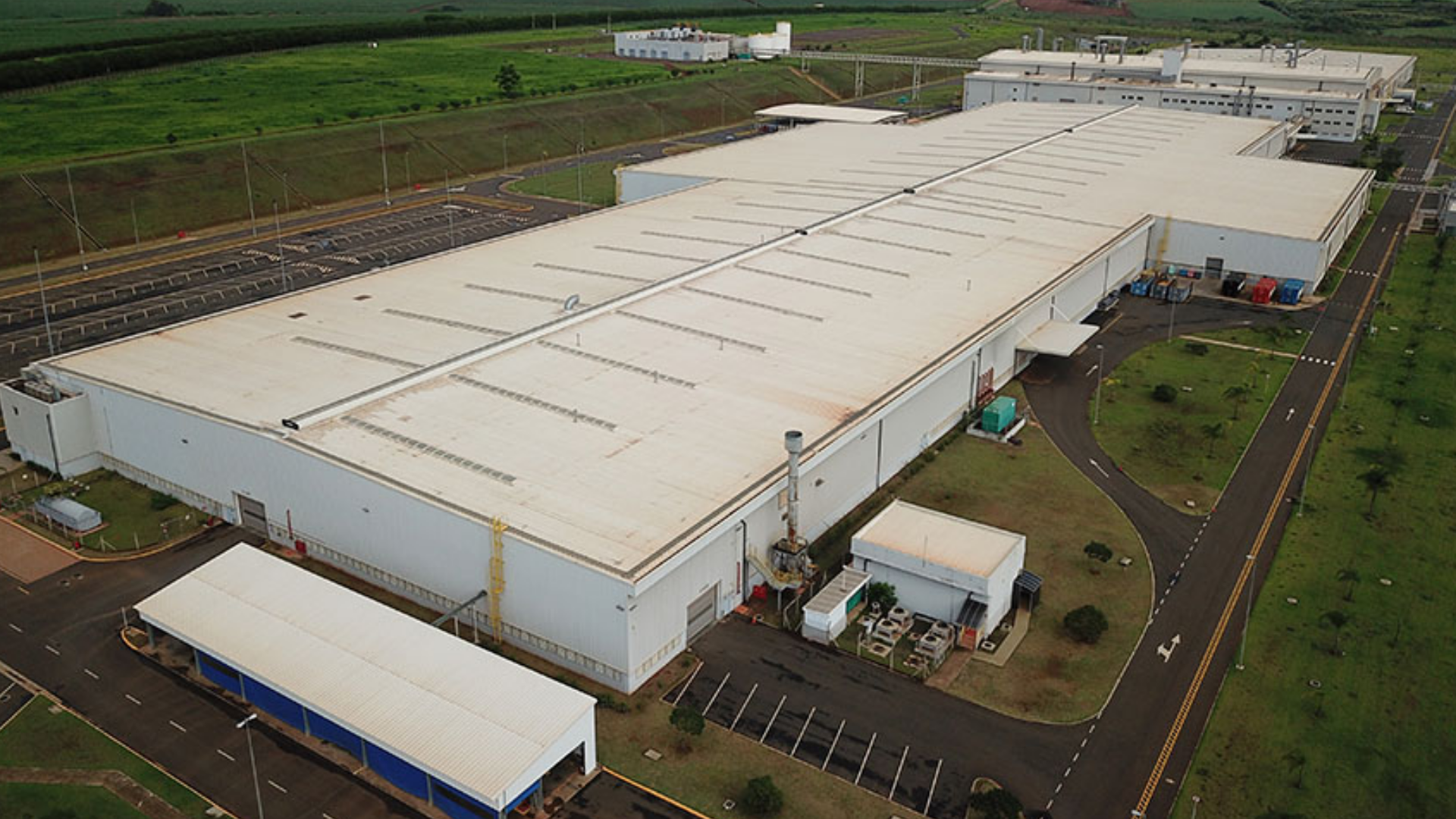
Great Wall Studies Buying Ford and Mercedes Factory to Have Production Options While Preparing to Sell Its Cars in Brazil
Considered one of the largest car manufacturers in China, Great Wall is interested in buying the Mercedes-Benz and Ford car factory in Brazil. According to the news agency Reuters, the brand plans to expand its operations to markets beyond Asia and sees good opportunities in South America. See also: New Dairy Products Factory to Be Built in Ceará State. R$ 50 million Will Be Invested and New Jobs Will Be Created
- Renault Reveals Compact Electric Vehicles Exclusively for Ride-Sharing and Urban Delivery Services
- 800 New Jobs Will Be Created in ES After Opening of New Franchises, Wholesale Clubs, and Havan Mega Store
- New Fiber Optic Cable Called Firmina, Scalable in Brazil, Was Announced by Google and Is Promised to Operate with a Single Power Source
- Shipbuilding Works at Jurong Aracruz Shipyard Require Job Openings Today (06/21) for Elementary, High School, Technical, and Higher Education Levels
- Citroën Ami, Affordable Electric Car from Citroën, Does Not Require a Driver’s License and Can Be Driven by Minors
Plans by the Chinese Automaker to Buy a Factory in Brazil
The company plans to build a new factory or buy one of the two that were shut down this year, either the Ford plant in Camaçari (BA) or the Mercedes-Benz plant in Iracemápolis (SP). Sources familiar with the company’s negotiations confirmed that talks are indeed taking place but are still in a preliminary stage. Great Wall has not yet defined which local manufacturing strategy it will adopt in Brazil, but sales of imported vehicles from China are expected to begin in early 2022.
On Friday, Bloomberg reported that Great Wall is in discussions with the Daimler group (owner of Mercedes) about the potential acquisition of the Iracemápolis factory, closed last December, where the manufacturer said it had invested R$ 600 million. A spokesperson for the German company told Bloomberg that the company continues to explore different options for the plant, without specifying what they are.
-
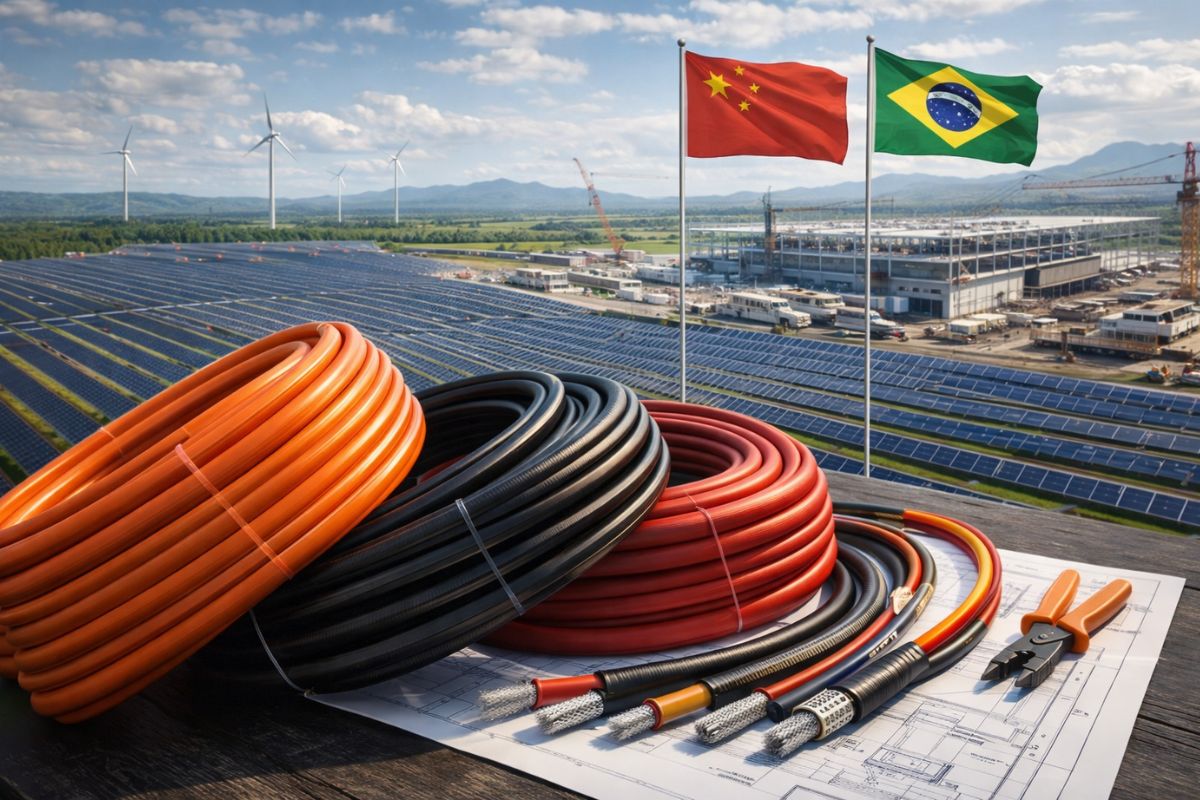
Chinese giant worth nearly R$ 4 billion that manufactures cables for electric cars, solar energy, and robotics wants to open a factory in SC.
-
Many employers do not know, but the law guarantees domestic workers a 25% increase in salary during trips, 50% for overtime, 20% for night shifts, and 17 additional benefits that can lead to labor lawsuits if not paid.

-
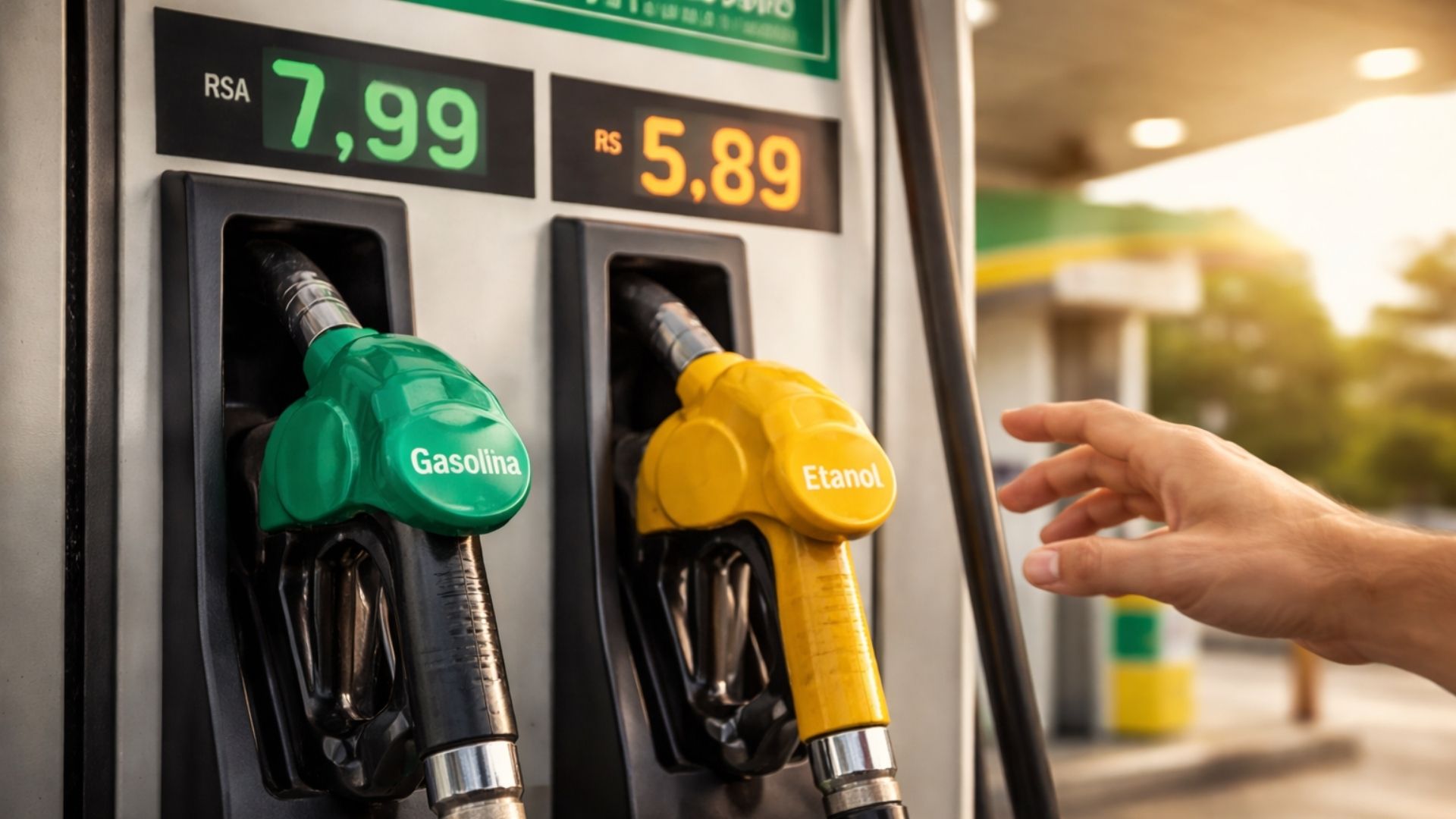
Gasoline prices soar and the question arises: is ethanol more advantageous? The 70% rule reveals the limit with gasoline.
-
The government has made a decision and is starting a test with more ethanol in gasoline, anticipating a mixture of up to 35%, diesel with 25% biodiesel, and a study to assess the impacts on engines.

The other option for Great Wall is in Bahia and may be too large and expensive for the Chinese company’s plans. After Ford announced in January the closure of its factories in Brazil, the Bahian government created a task force to attract potential buyers for the Camaçari factory and confirmed it had contacted the Chinese embassy in the country to foster interest from Chinese automakers.
Longstanding Interest in Opening a Unit in Brazil
This interest from Great Wall in establishing a factory in Brazil, the largest market in South America, stems from the fact that it is one of the regions in the world included in the company’s international expansion plans. In the region, the manufacturer already has a small assembly line in Ecuador and sells its cars in various countries, including Uruguay, Peru, Bolivia, Paraguay, Argentina, and Chile – the latter being where it currently achieves its largest regional volume, with 2,400 vehicles sold and revenue of US$ 44 million in 2020.
During an event in China in September 2012, Great Wall confirmed to Automotive Business that it was exploring ways to produce its cars in Brazil, since at that time the heavy taxation on imported vehicles created by Inovar-Auto practically made any operation based solely on imports unfeasible.
See Also: Ford Will Have to Pay R$ 2.5 Billion in Indemnities to the Government of Bahia After Closing Its Factory
Ford will have to pay an indemnity of approximately R$ 2.5 billion to the government of the state of Bahia after closing the Camaçari factory, in the metropolitan region of Salvador. The automaker received tax incentives since the beginning of its operations in the state in 2001. The settlement is expected to be disclosed in the coming days.
According to CNN, there is a possibility that Ford will maintain a section of the factory in Bahia to produce parts for the replacement market, but the project has not yet been confirmed. Ford also stated to the broadcaster that it has received several inquiries from interested parties in acquiring the factory facilities, but nothing conclusive.








Seja o primeiro a reagir!