





 Portuguese
  English
  Spanish
  3 min of reading
  10 comments


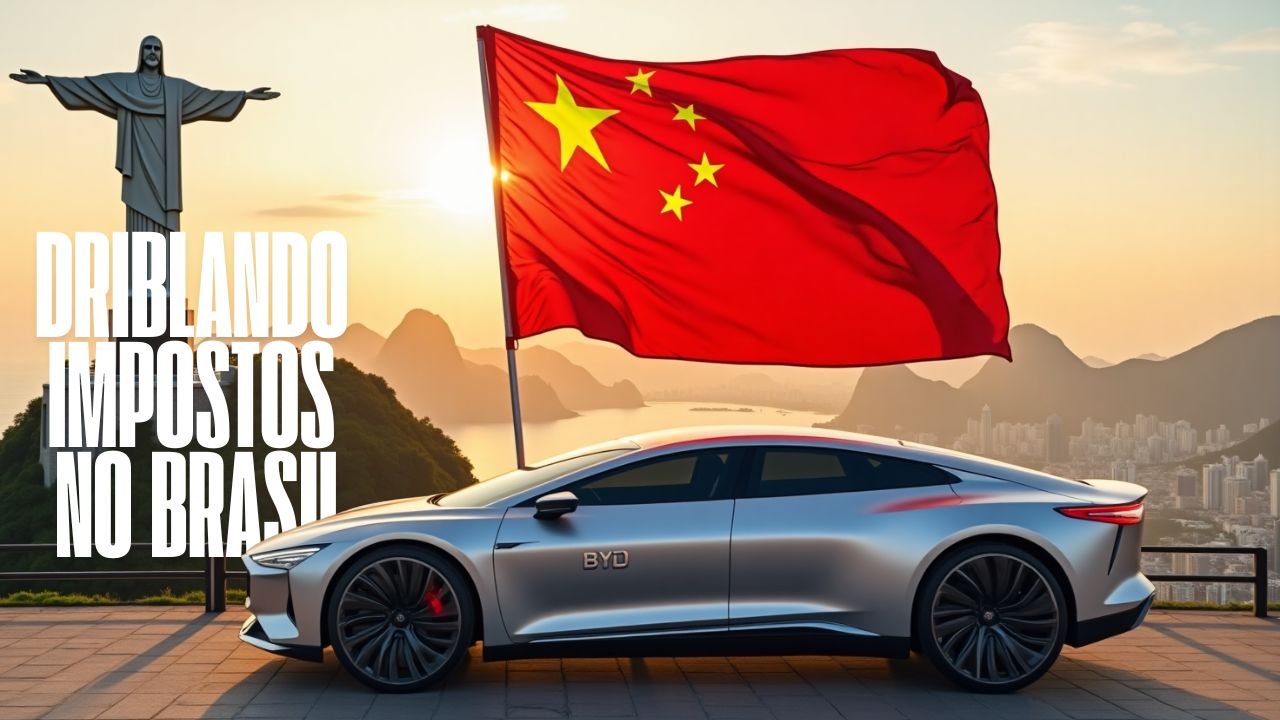


The Brazilian Automotive Industry Is On Alert With The Arrival Of 5,500 Imported Electric Cars To The Country. The National Association Of Automakers (Anfavea) Expressed Concern About The High Volume Of Imports, Especially At A Time When Brazil Already Has More Than 40,000 Units In Stock. According To The Entity, This Movement Could Destabilize The Market And Compromise The Recovery Of National Production.
Anfavea Points Out That This Large Shipment Of Electric Cars May Be Linked To An Attempt To Sidestep The Gradual Increase Of The Import Tax On Electric Vehicles, Which Will Only Reach 35% In July 2026. In Light Of This, Automakers Are Pressuring The Government To Advance The Tax Rate, Protecting The Local Industry From External Competition.
The Concern Of Automakers With The Import Of Electric Cars
The Brazilian Electric Vehicle Market Is Still In A Growth Phase, But The Massive Influx Of Imported Models Worries Domestic Manufacturers. With More Than 40,000 Electric Cars Already Stockpiled In The Country, Automakers See The New Shipment As A Risk To The Sustainability Of National Production.
Another Point Raised By Anfavea Is The Strategy Of Importers To Avoid The Increase In The Import Tax. Currently, The Rate For Electric Vehicles Is 18%, But The Government’s Plan Calls For Gradual Increases Until 2026, When The Tax Will Reach 35%. Automakers Argue That The Accelerated Import Of Chinese Vehicles Before This Increase May Compromise The Competitiveness Of Factories Established In Brazil.
-
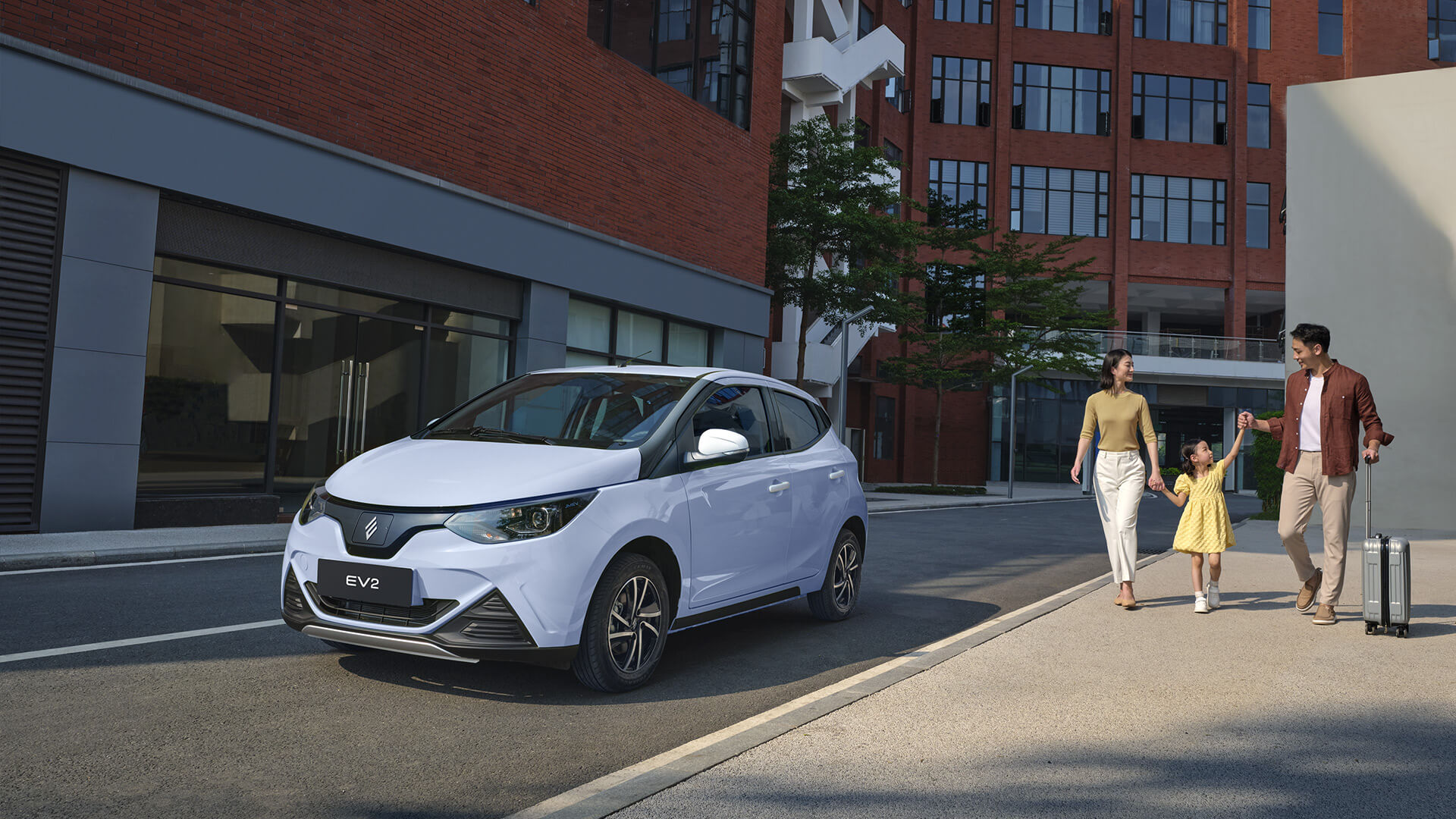
Goodbye expensive popular car: electric vehicle for less than R$ 70,000 starts being sold in Brazil with a range of 200 km and targets those looking to escape gasoline.
-
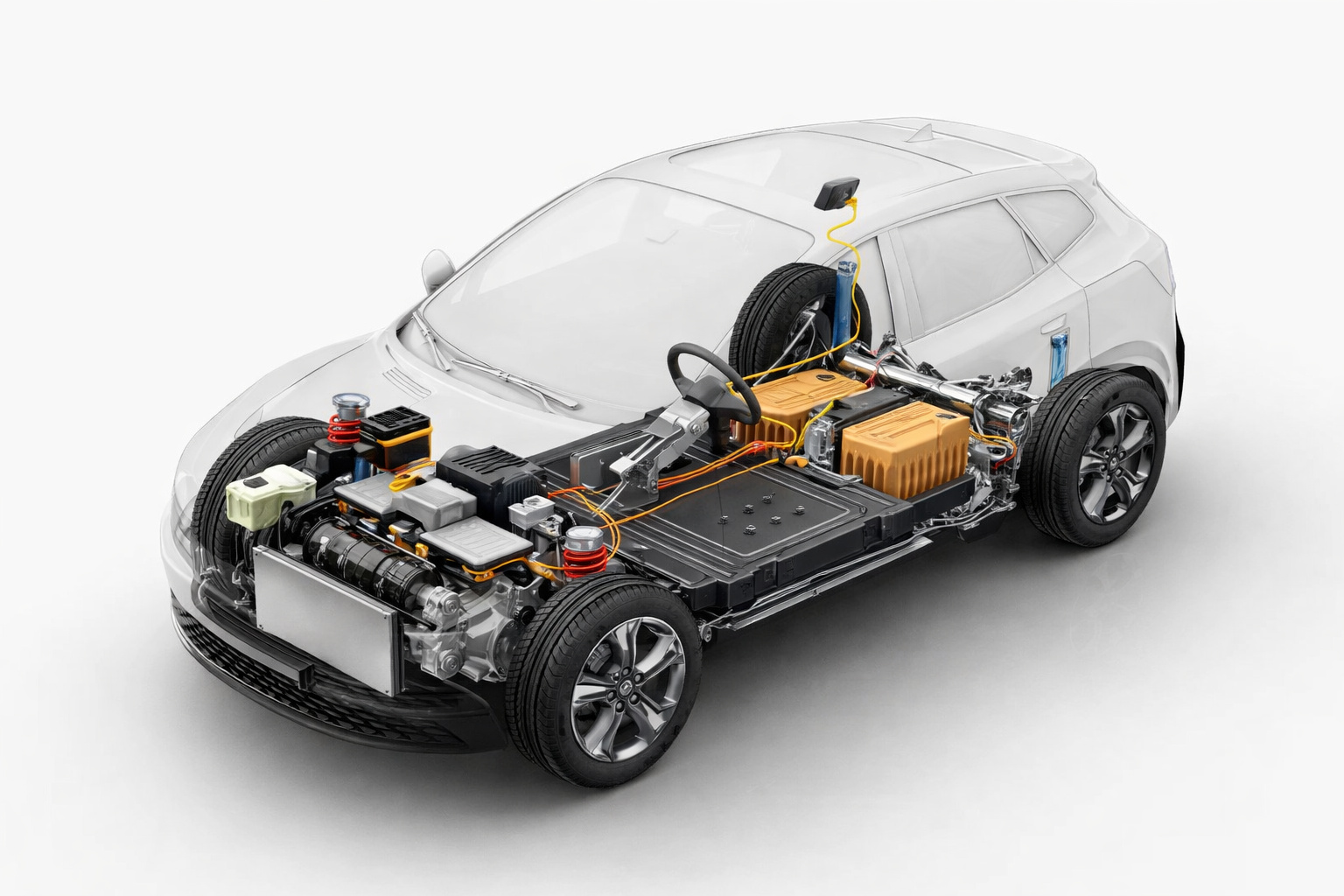
China Surprises Automotive Industry With Battery That Promises Electric Car Able to Run Up to 1,000 km Without Recharge
-
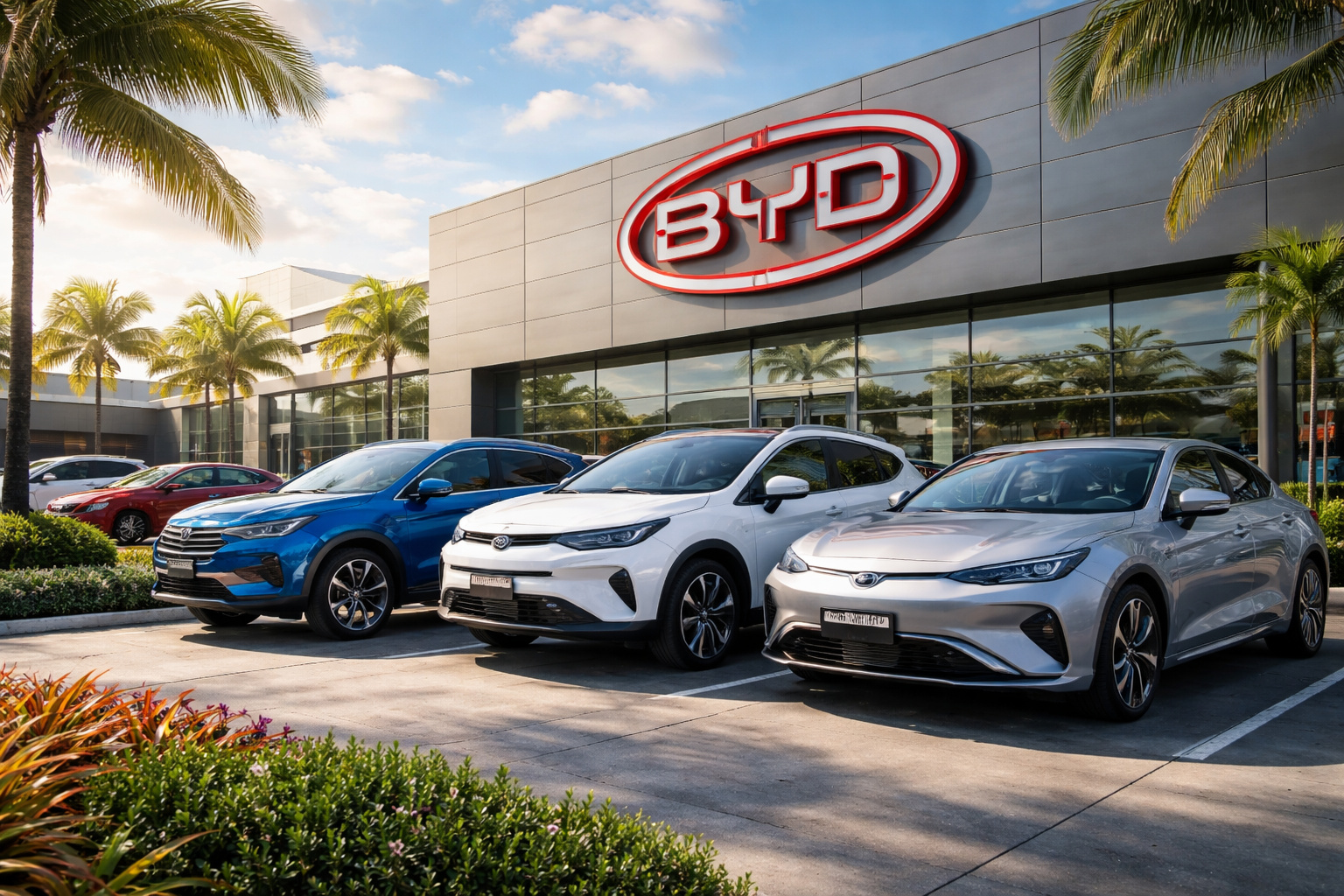
Why BYD Grew So Fast in Brazil and How Blade Batteries, Electric Cars, and Industrial Incentives Shaped This Expansion in the National Automotive Sector
-
Electric Cars Make Progress in Brazil in 2026 and Promise to Reduce Drivers’ Costs with Cheaper Energy, While Infrastructure Grows Slowly Across the Country
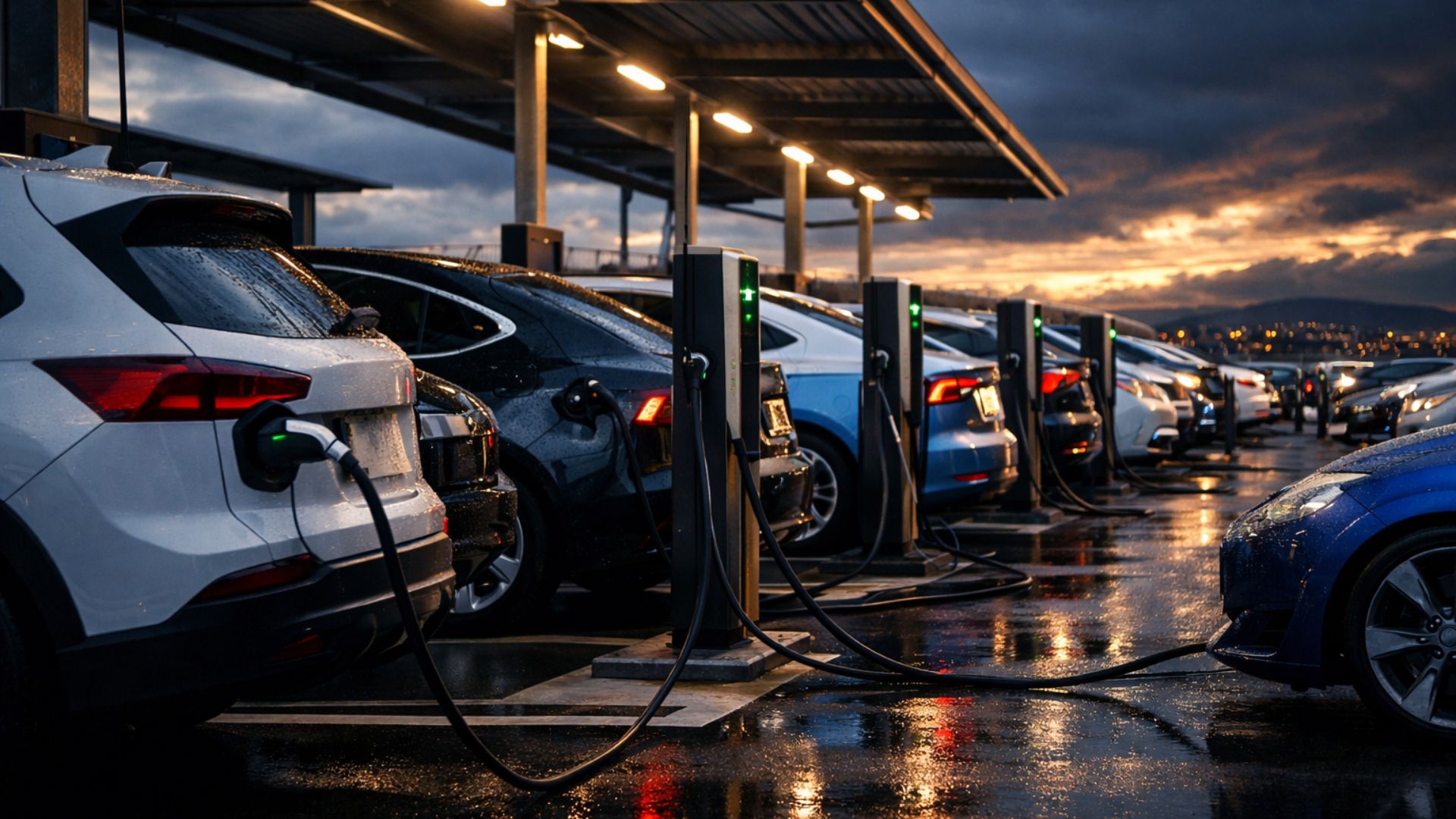
The Arrival Of Chinese Electric Cars
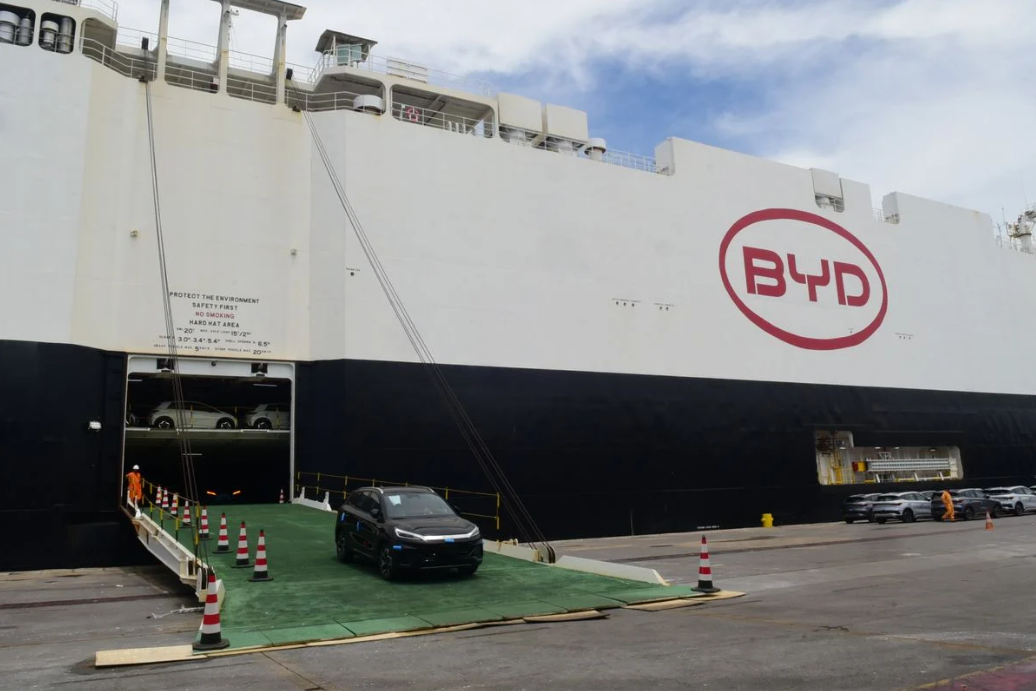
The 5,500 Electric Cars Were Unloaded At The Port Of Aracruz (ES) On February 27. The Operation Was Conducted By The Chinese Manufacturer BYD, Which Imported Models Such As Song, Dolphin, And Yuan. The Arrival Of These Vehicles Reinforces BYD’s Presence In The Brazilian Market, Which Has Already Established Itself As One Of The Main Suppliers Of Electric Vehicles In The Country.
BYD Has Invested Heavily In Brazil And Recently Announced Plans For Local Production, Which Could Balance The Impact Of Imports. However, The Current Tax Policy Still Favors The Entry Of Chinese Vehicles, Which Has Caused Dissatisfaction Among Domestic Automakers.
The Impact Of The Low Import Duty
Anfavea Highlights That Compared To Other Countries, Brazil Has A Very Low Import Barrier For Electric Cars. In The United States And Canada, For Example, Tariffs On Chinese Cars Can Reach 100%, While In Europe, Rates Vary And Can Reach Up To 48%.
This Scenario Makes Brazil An Attractive Market For Foreign Manufacturers, Who Face Difficulties Selling Their Vehicles In Regions Where Duties Are Higher. For Automakers Established In The Country, This Situation Creates An Unfair Competitive Environment, Harming The Development Of The National Industry.
The Request Of Anfavea To The Brazilian Government
In This Context, Anfavea Has Pressured The Government To Bring Forward The Import Tax On Electric Cars To 35% Before The Planned Deadline Of 2026. According To The Association, This Measure Would Be Essential To Protect National Production And Avoid A Collapse In The Automotive Sector.
The Entity Also Warns About The Impact Of Massive Imports On Job Generation. Currently, The Automotive Industry In Brazil Employs About 1.3 Million People, Directly And Indirectly. The Uncontrolled Increase Of External Competition Could Put These Jobs At Risk, Compromising The Growth Of The Sector.








essas montadoras já estão acostumados a carroça por preço de carro de luxo
Querem vender **** pra o brasileiro com preços excessivos. Chega de bandalheira
Isso, não é bom, com a incidência desse Imposto, pois, a concorrência chinesa ajuda, para que preços de carros nacionais, não subam tanto.