Portuguese
  Spanish




Simple Care Can Prevent Mechanical Problems In Your Car And Ensure Greater Durability And Safety
Owning a car that is in perfect working condition, free from mechanical issues and with long durability, goes beyond providing peace of mind; it is also a matter of safety and economy. However, many drivers make mistakes that compromise the performance and longevity of the vehicle without even realizing it.
Whether due to haste, routine, or even misinformation, small daily habits can lead to significant problems over time. If you want to ensure that your car runs for a long time and without complications, keep reading!
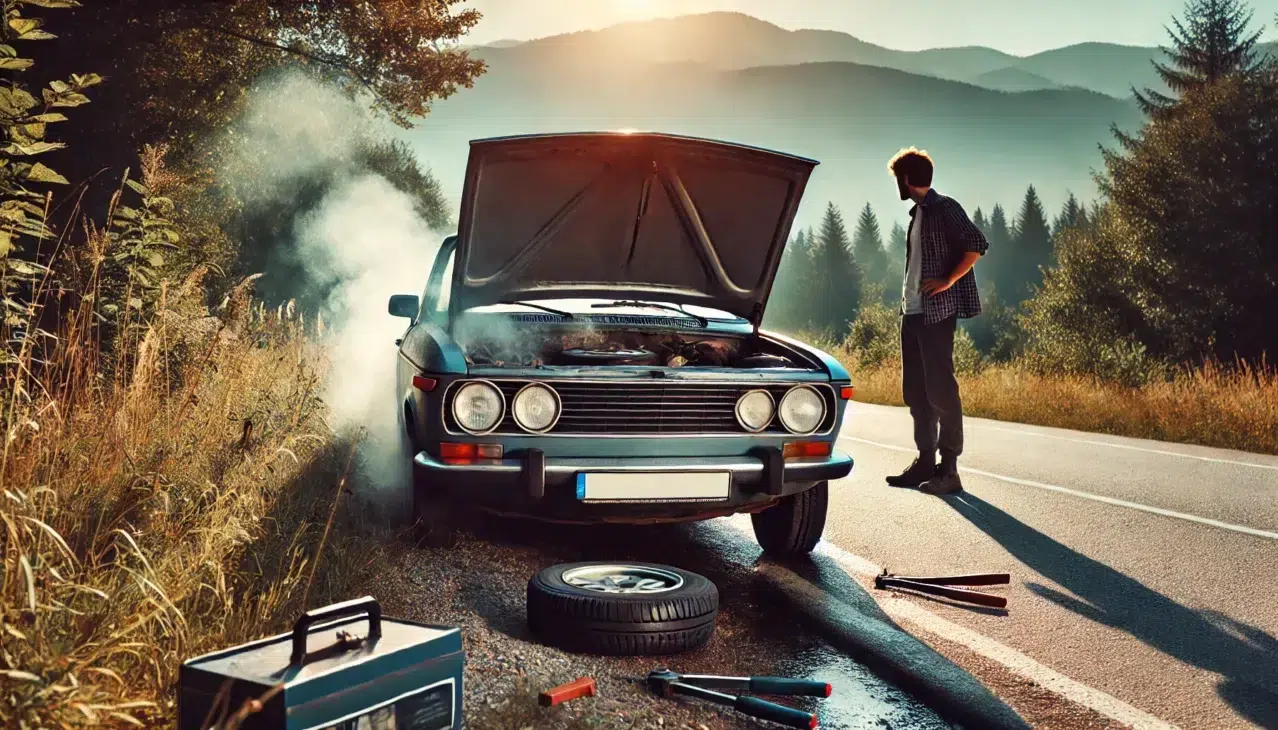
1. Driving With The Tank Always On Empty Can Cause Mechanical Problems In Your Car
Sometimes, due to rush or simply to save money, many people choose to drive with the car on empty. However, this practice can damage the fuel system. In modern vehicles, the fuel pump is located inside the tank, using the fuel itself as transportation and a temperature regulator. With the tank nearly empty, the pump is more exposed to heat and wear, reducing its lifespan.
-
Kia K4 Launches in Portugal with 7-Year Warranty, Targets Volkswagen Golf with 1.0 Turbo Engine, Unavailable in Brazil

-
Uber Women Expands Across Brazil: Female Riders Can Now Choose Women Drivers, Schedule Rides, and Set Automatic Preferences

-
Brazil Plans to Launch Ethanol-Fueled Hybrid Cars in 2026 as an Alternative to Fully Electric Vehicles

-
Hyundai HB20S 2026 Surpasses Onix with Turbo Engine, Fuel Efficiency of 15.2 km/l, and Over 750 km Range, Leading Compact Sedan Sales in Brazil with 5,205 Units Sold.



Main Risks Of Mechanical Problems
- Empty Dashboard: You might end up stranded in the middle of the road.
- Damage To The Fuel Pump And Filter: Excessive heat can cause fluctuations.
- Accumulation Of Impurities: Sediment at the bottom of the tank can clog the filter.
- Engine Wear: The engine can overheat, causing accelerated wear.
2. Accelerating The Cold Engine
In the days of carbureted cars, warming up the engine before leaving was common, but with the evolution of engines, this practice has become harmful. In modern engines, accelerating the car before it reaches the ideal temperature not only requires the lubrication of internal parts but also increases fuel consumption.
Main Risks:
- Engine Wear: The friction between parts causes premature wear.
- Damage To The Exhaust System: Excess unburned fuel can damage the exhaust.
- Higher Emission Of Pollutants: Sudden acceleration in cold engines results in inefficient combustion.
3. Using The Wrong Gear Frequently
A common mistake that many people make is not paying attention to the right gear in each situation. Shifting to a gear that is too high at low speed, or too low at high speed, demands more from the engine, increasing fuel consumption and wearing out parts.
Main Risks:
- Reduced Lifespan Of The Clutch: Incorrect use generates unnecessary friction.
- Loss Of Power: The engine may operate in a narrow power range.
- Damage To The Transmission: Poorly distributed force affects the transmission system’s load.
4. Neglecting Preventive Maintenance
Preventive maintenance is fundamental for those who want to avoid serious problems and repair expenses. Regular inspections, such as oil changes, brake checks, and fluid verification, help to identify and correct problems before they become major headaches.
Main Risks:
- Unexpected Breakdowns: Without maintenance, problems arise without warning.
- Safety Failures: Brakes, tires, and lights are essential for your safety.
- Depreciation Of The Vehicle: A well-maintained car holds more value at sale.
- Reduced Lifespan: Parts last less, leading to higher costs in the long run.
5. Leaving The Car Parked For Too Long
Even though a parked car may seem safe, prolonged inactivity can cause a series of problems. The battery, for example, loses charge if the vehicle is not started frequently. The oil that lubricates the engine also deteriorates, which can compromise the car’s performance.
Main Risks:
- Battery Wear: Without use, the battery discharges and loses its charging capacity.
- Corrosion Of Parts: Moisture can rust metallic components.
- Drying Out Of Seals: Hoses and seals can crack.
- Deformation Of Tires: The weight of the car concentrated for too long in one position can deform the tires.
6. Not Checking Tire Pressure Frequently
Driving on underinflated tires increases wear and reduces safety. Tires with low pressure consume more fuel and can compromise vehicle stability, making it harder to control during braking and turns.
Main Risks:
- Irregular Tire Wear: Poorly inflated tires wear unevenly.
- Reduced Grip: Insufficient pressure compromises contact with the ground.
- Higher Fuel Consumption: Flat tires increase the engine’s workload.
7. Resting Your Foot On The Clutch
Resting your foot on the pedal while driving is a common mistake, especially among manual car drivers. This habit creates friction in the parts, accelerating wear on the clutch disc and increasing fuel consumption.
Main Risks:
- Rapid Clutch Wear: The clutch disc wears out prematurely.
- Damage To The Car’s Response: The car may take longer to respond to commands.
- Overheating: Friction generates heat, which can damage the clutch.
8. Forgetting To Clean The Air Conditioning Filter
Cleaning and changing the air conditioning filters are essential for air quality and system functionality. Dirty filters compromise air circulation and strain the system, increasing energy consumption and potentially your fuel costs.
Main Risks:
- Higher Energy Consumption: The engine needs to work harder to compensate for the clogged filter.
- Wear And Tear Of The Air Conditioning System: Overburdened parts wear out quickly.
- Protection Issues: A dirty filter accumulates dirt and allergens dispersed in the air.
It Got Easier To Avoid Mechanical Problems
Taking care of the car goes far beyond washing and refueling. Knowing and avoiding common mistakes is essential to ensure your safety and preserve the vehicle’s lifespan. Whether you are a rideshare driver, a road trip enthusiast, or someone who only uses the car to get to work, these care tips can make a huge difference.