





 Portuguese
  English
  Spanish
  3 min of reading


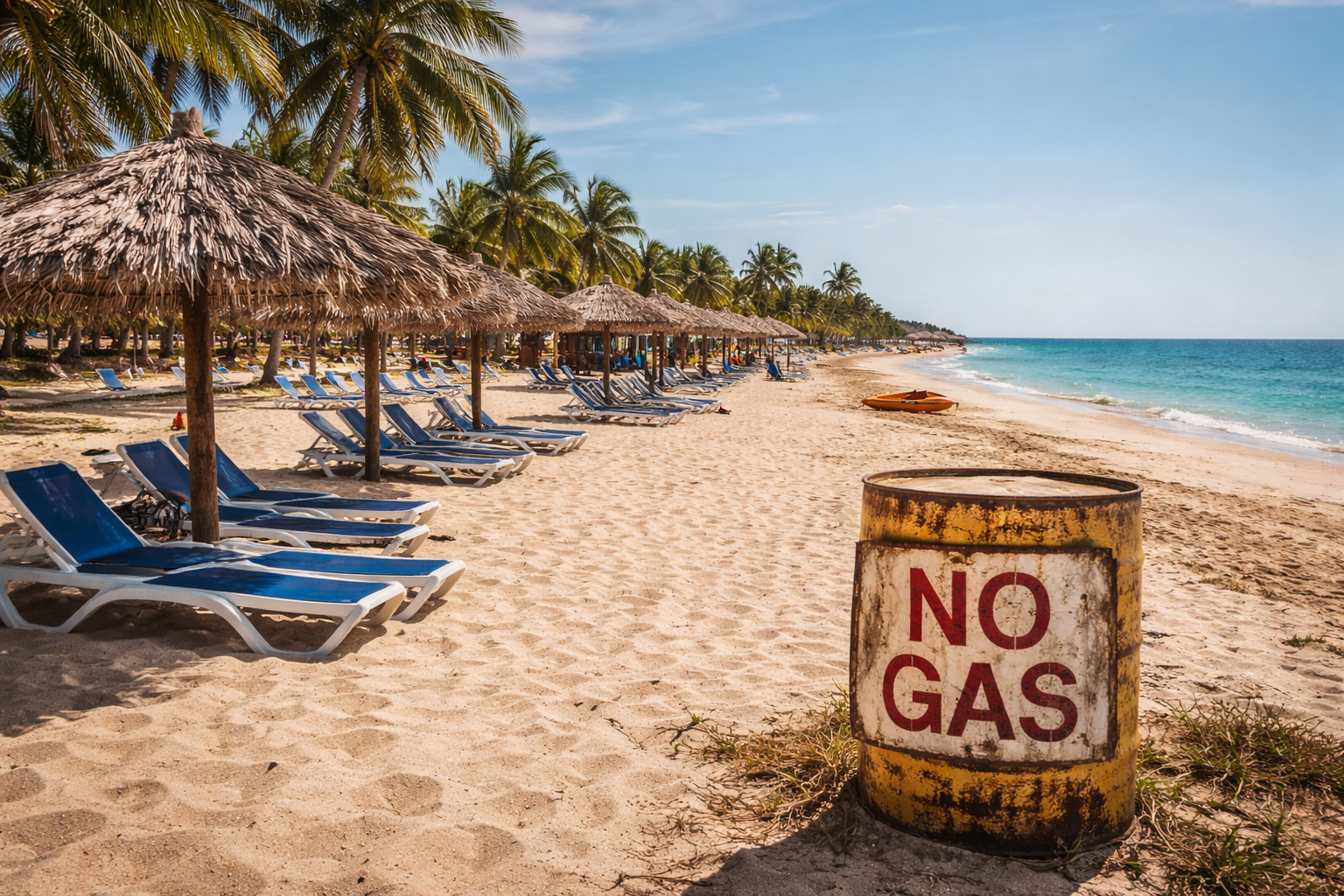
Fuel Shortage Affects Flights, Hotels, and Services, Drains Tourist Destinations, and Exposes the Fragility of the Sector in Cuba, According to Research with Airlines and Local Workers.
The contrast between sun, sand, and empty beaches has become a symbol of a deepening crisis in Cuba. The oil blockade and the ensuing fuel shortage have begun to suffocate tourism, one of the pillars of the country’s economy. According to research with airlines and workers in the sector, practically all segments have been affected suddenly, from air transportation to basic services in destinations.
According to a report by InfoMoney, the lack of fuel has disrupted routes, reduced flight frequencies, and increased operational costs. As a result, hotels operate at low occupancy, and tourist activities are facing a chain of cancellations. Thus, once busy beaches show a scene of unusual emptiness.
Scarce Fuel Paralyzes the Tourism Chain
The crisis is not limited to airports. Without enough fuel, tourist buses have reduced their circulation, transfers are delayed, and essential services are operating under restrictions. Additionally, generators are now operating for fewer hours, compromising lighting, air conditioning, and supplies in hotels and restaurants.
-
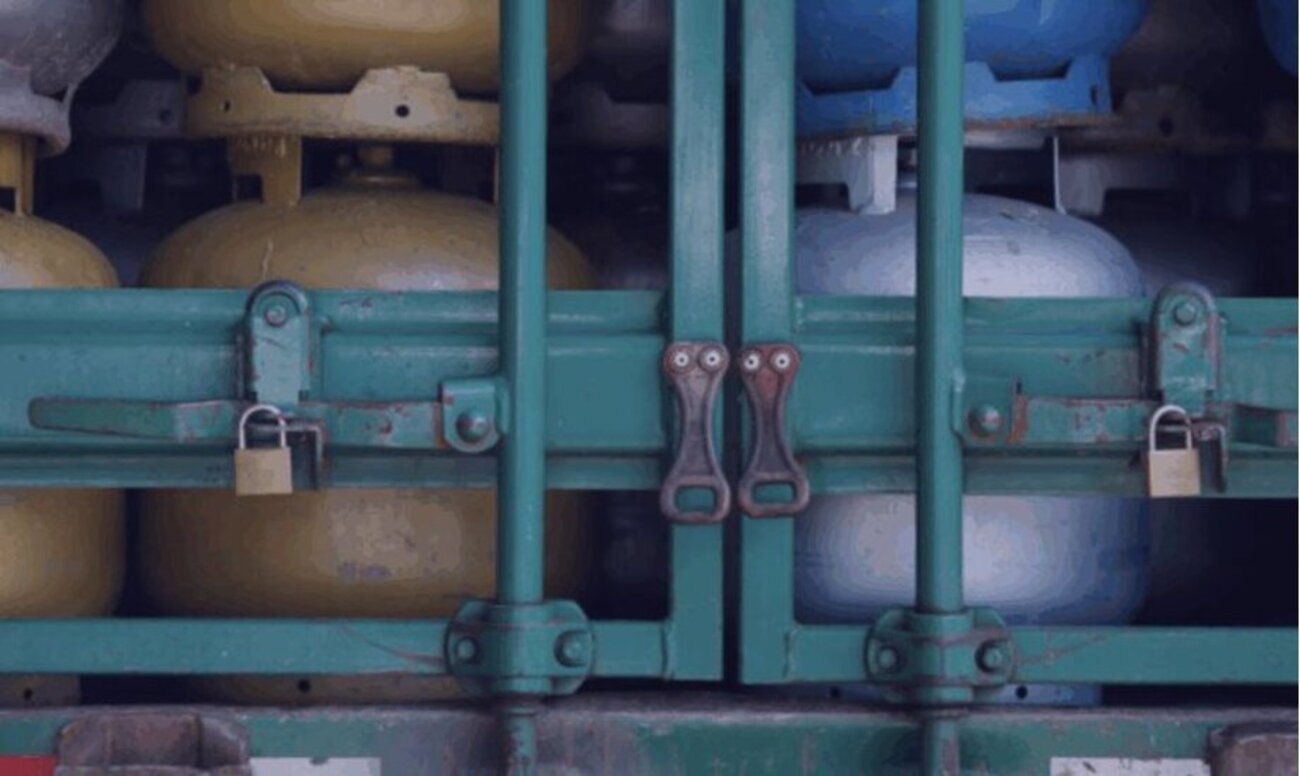
Petrobras evaluates suspension of sales to distributors and considers canceling the cooking gas auction following guidelines from the Federal Government.
-
Lula reveals a masterstroke by Petrobras to undo a deal made by Bolsonaro, which involves the return of an important refinery that currently produces less than half of what was expected and makes Brazil dependent on international diesel.
-
A study confirms that the natural gas sector will reduce greenhouse gas emissions in Brazil by 0.5% and accelerate the energy transition by 2026.

-
Petrobras implements a severe adjustment and confirms a 55% increase in the price of aviation kerosene with a proposal for installment payments for the companies.


Meanwhile, workers report reduced hours and loss of income. Guides, drivers, hotel staff, and small traders feel the immediate impact. Therefore, the shortage spreads throughout the chain, affecting everyone from large operators to family businesses.
Flights, Connections, and Cancellations
Airlines have adjusted their networks to cope with the lack of aviation fuel. In some cases, international flights have been cut or are operating less frequently. Consequently, tourists find fewer options for arrival and departure, which discourages new bookings.
Additionally, internal connections have also been affected. With less fuel, travel between tourist cities has become slower and more unpredictable. Thus, destinations dependent on a continuous flow of visitors are experiencing sharp drops in demand.
Empty Hotels and Reduced Services
Hotels report low occupancy and are adopting containment measures. Meanwhile, services such as tours, events, and cultural activities have been suspended or shortened. On the other hand, some establishments are trying to maintain minimal operations to preserve jobs.
Nevertheless, the atmosphere is one of uncertainty. Without predictability of supply, managers avoid promotion campaigns and postpone investments. Thus, tourism loses traction precisely during a period that could help alleviate economic pressures.
Economic Context and Energy Dependency
Cuba relies on oil imports to sustain transportation and energy generation. When this flow is interrupted, the effects spread quickly. Historically, the country has faced similar crises, but the current global and regional context intensifies the impacts.
According to InfoMoney, the research with workers and companies indicates that the shock was abrupt. Within days, operations needed to be reassessed. Thus, energy dependence exposes the vulnerability of tourism, a sector that requires stable logistics and predictable costs.
Repercussions Among Workers and Tourists
Workers describe an immediate drop in tips and commissions. At the same time, tourists report difficulties with transportation and schedules. Despite this, many highlight the local hospitality and the effort to keep services functioning.
On the other hand, operators warn that the destination’s image may suffer if the situation persists. Therefore, recovery is likely to require time and coordination among the government, businesses, and international partners.
What May Change in the Coming Months
In the short term, the sector seeks contingency solutions, such as prioritizing routes and rationalizing services. However, full recovery depends on the normalization of supply. In the meantime, destinations alternate days of reduced operations with attempts to maintain the visitor experience.
In the medium term, experts point to the need to diversify energy sources and strengthen logistical resilience. This way, tourism could face shocks with less impact.
Empty Beaches as an Economic Warning
Deserted beaches serve as a visual warning. They show how an energy problem can rapidly transform into a tourism crisis. In a country where tourism sustains jobs and revenue, the oil blockade generates effects that extend beyond the sector.
Finally, the situation in Cuba highlights the importance of stable supply chains for tourist destinations. Without fuel, the sun and sand remain, but the flow of visitors disappears.









-

-

-

8 pessoas reagiram a isso.