





 Portuguese
  English
  Spanish
 4 min of reading
  0 comments


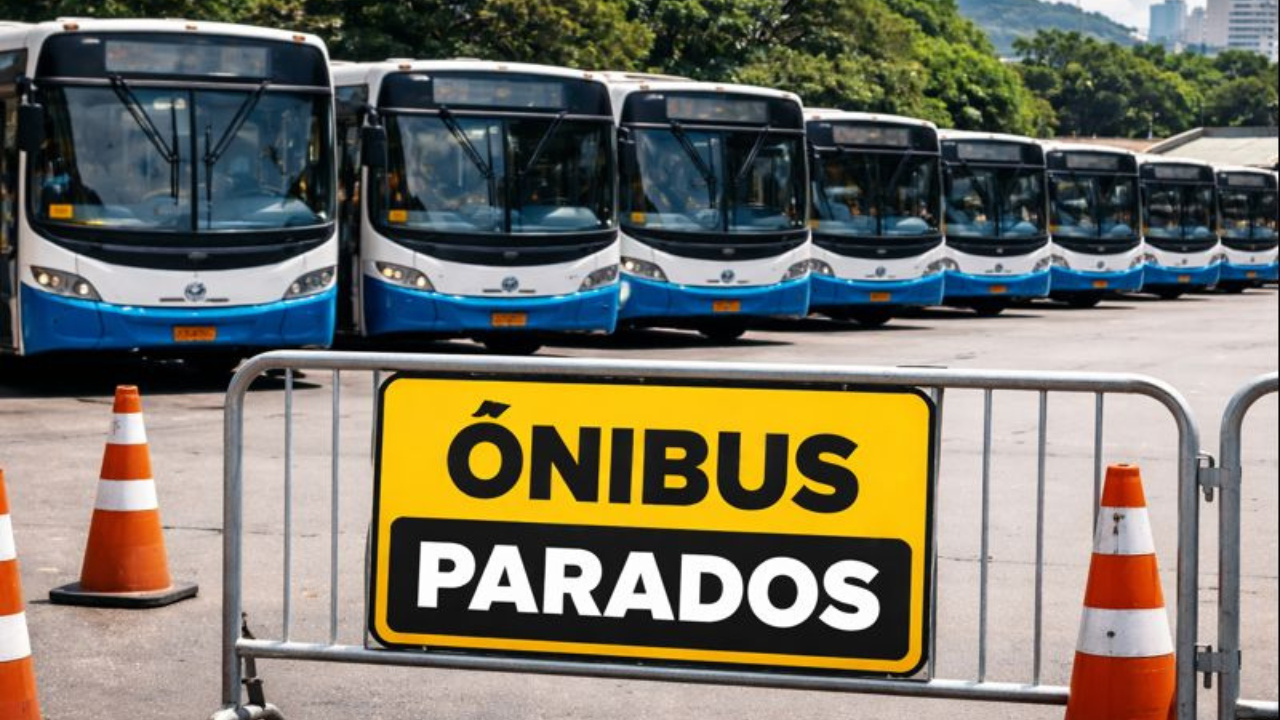
Buses Stopped in Rio Due to Lack of Fuel Affect Public Transport RJ and Lead City Hall to Open Administrative Proceedings.
The lack of fuel caused the stoppage of buses in Rio de Janeiro on Monday morning (29), leaving more than 60 vehicles out of circulation and directly impacting public transport RJ.
The problem affected lines operated by the companies Real Auto Ônibus and Transportes Vila Isabel, which had their vehicles parked in garages due to the absence of diesel for buses, according to information confirmed by the Bus Drivers’ Union and the City Hall.
According to the president of the Bus Drivers’ Union, Sebastião José, the interruption began in the early hours of the day, compromising the movement of thousands of passengers in different regions of the city.
-
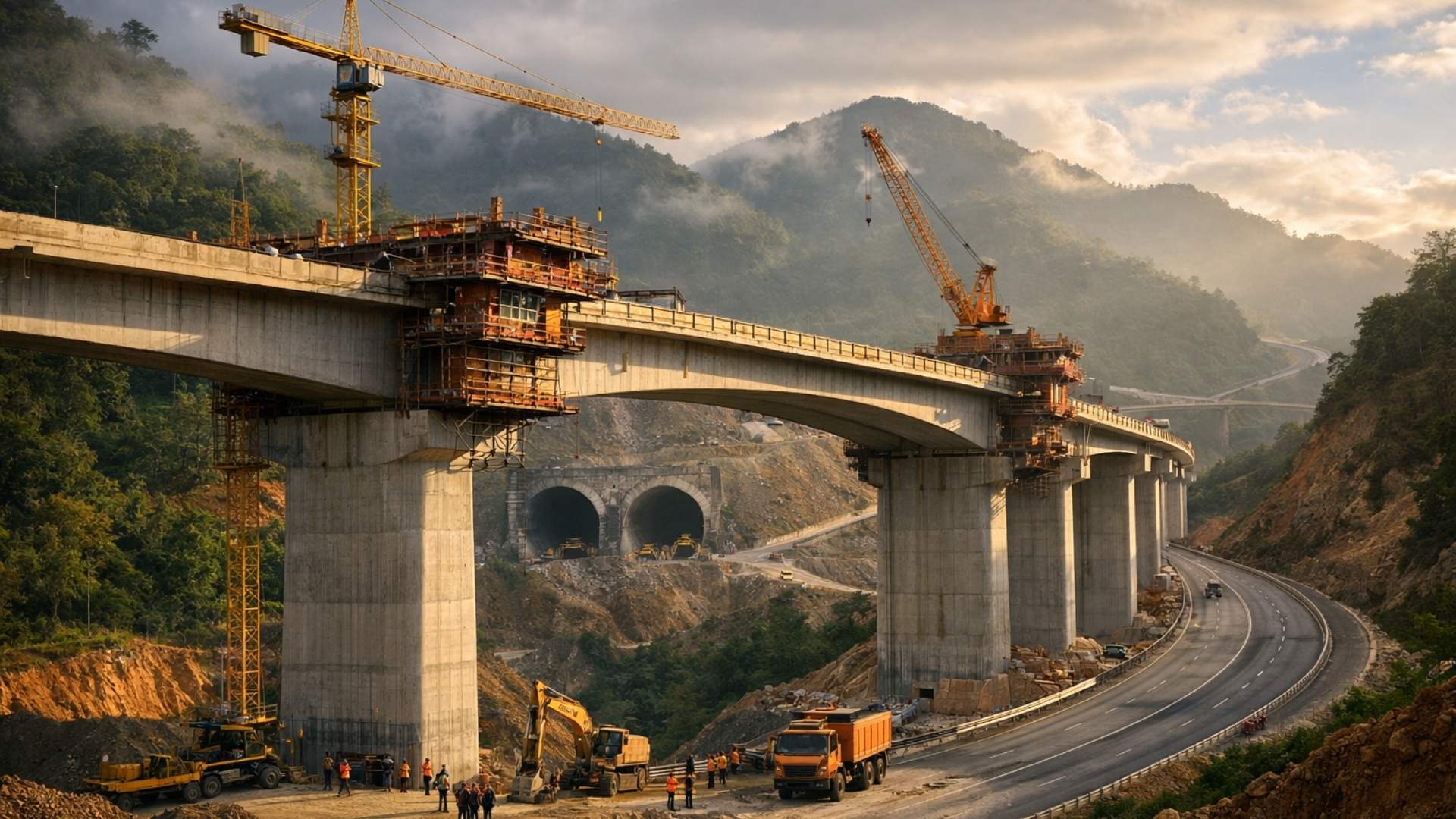
The government puts R$ 8.6 billion on the table to change the highway (BR) with 50 overpasses, 28 bridges, 4 tunnels, and 40 km of bike lanes in 180 km of historic duplication.
-
BRL 20.1 Million Bridge Project Kicks Off: 200-Meter Construction to Improve Access in Three Cities in Minas Gerais

-
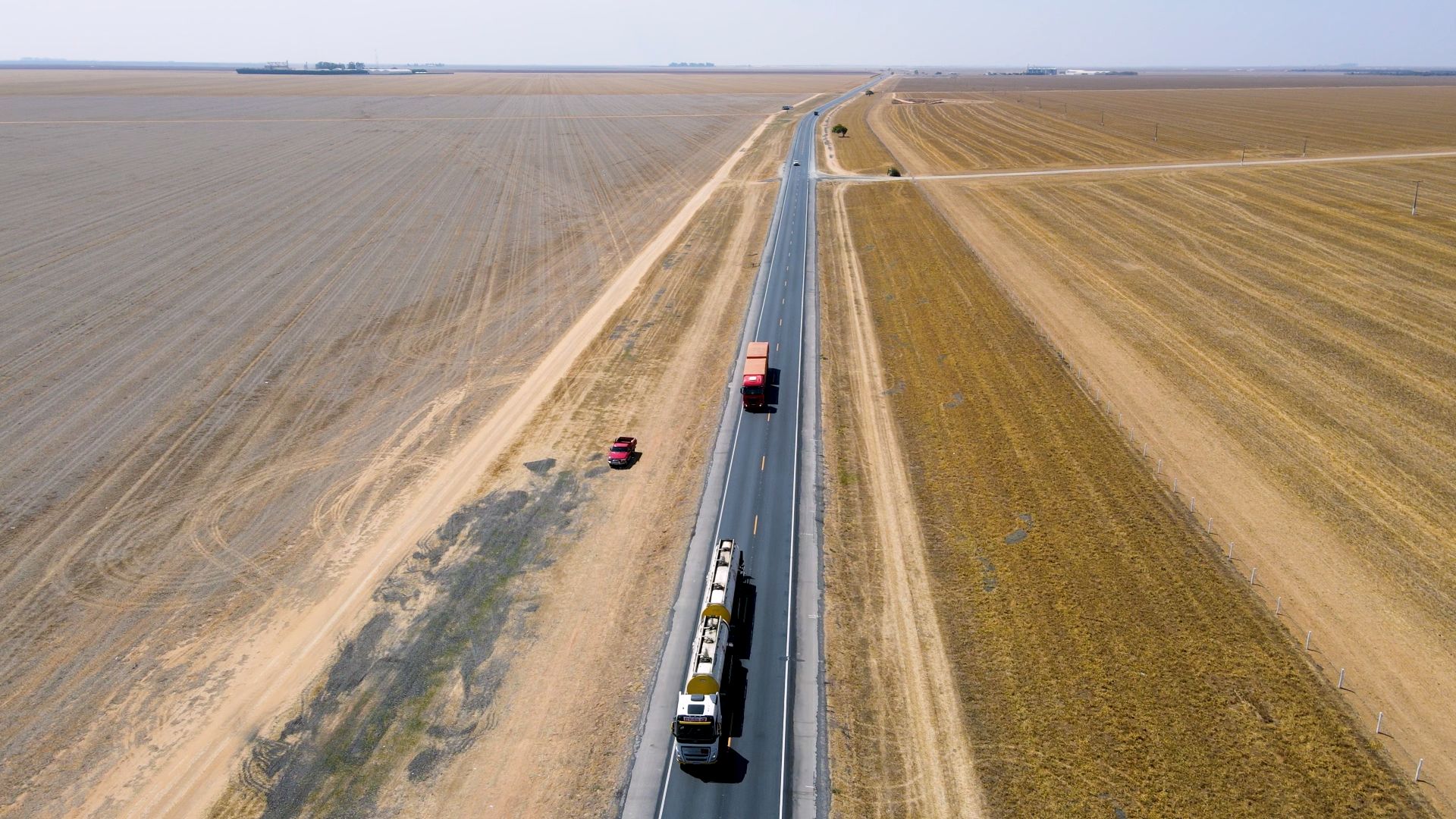
‘Endless Road’ In Brazil Is One of The Largest In The World: 145 Km Stretch On An Important Highway (BR) Crosses The West Of Bahia And Had 135.9 Km Revitalized With R$ 35.3 Million
-
Engineer From ITA Who Worked at Embraer Leads Free Flow Expansion With National Artificial Intelligence and Technology for Toll Without Barriers in Brazil


Meanwhile, the municipal administration reported that it is monitoring the situation and has already taken measures to reduce the impacts of the stoppage.
Lack of Diesel for Buses Affects Companies of the Intersul and Transcarioca Consortia
The stoppage of buses directly involves Real Auto Ônibus, part of the Intersul and Transcarioca consortia, as well as Transportes Vila Isabel, which is also part of Intersul.
According to the companies, the lack of diesel for buses is due to a punctual supply problem, which is being addressed internally.
Still, the vehicles remained parked in garages, which worsened the situation of public transport RJ, especially during peak hours.
The absence of vehicles on the streets increased waiting times at bus stops and caused overcrowding on alternative lines.
City Hall Opens Administrative Proceedings After Bus Stoppage
In an official note, the City Hall of Rio stated that it was informed about the new bus stoppage and emphasized that subsidy payments to the consortia responsible for transport are up to date.
In light of the lack of fuel, the Municipal Transportation Secretariat announced the opening of an administrative proceeding to investigate possible contractual breaches.
According to the municipality, the process may result in fines being imposed on the companies involved, should liability for the service interruption be confirmed.
The city hall reinforced that situations like this compromise the reliability of the system and directly harm the population.
Line Reinforcement Seeks to Reduce Impact of Buses Stopped in Rio
To minimize the effects of the bus stoppage, the City Hall determined the reinforcement of several lines that continue to operate normally.
Among them are lines 104 (Terminal Gentileza × São Conrado), 107 (Central × Urca), 109 (Santo Cristo × São Conrado), 157 (Santo Cristo × Gávea) and 161 (Terminal Gentileza × Ipanema).
Additionally, lines 169 (Terminal Gentileza × Copacabana), 232 (Lins × Castelo), 409 (Saens Peña × Horto), 410 (Saens Peña × Gávea), 435 (Grajaú × Gávea) and 473 (São Januário × Lido) also received reinforcement.
Other lines, such as 552, 583, 584 and SP805, also intensified their operations.
Extended Itineraries and Alternatives to Public Transport RJ
As part of the emergency measures, lines 109 and 157 had their itineraries extended to the Terminal Gentileza.
The city hall also published guidelines for passengers affected by the bus stoppage, indicating options for integration with other lines and even with the VLT Carioca.
The city hall advised users of lines 108, 110, 112, 163, 222 and 309 to use alternative routes, integrating buses, VLT, and metro.
According to the municipal administration, the goal is to ensure minimum mobility while the fuel shortage issue persists.
Metro is an Alternative Amid Fuel Shortage for Buses
While the buses remain stopped in Rio, the city hall recommends that passengers use the metro as an alternative whenever possible.
The metro system operates normally and can absorb part of the demand generated by the stoppage.
Urban mobility experts warn that recurring episodes of diesel shortages for buses expose the fragility of the system and reinforce the need for greater oversight and logistical planning in the public transport sector.
Crisis Reinforces Debate on Public Transport Management in Rio
The new bus stoppage reignites the debate about the reliance on diesel for buses and the efficiency of public transport RJ concession contracts.
For passengers, the impact is immediate, with delays, overcrowding, and insecurity during daily commutes.
Meanwhile, the city hall states it will continue to monitor the situation and demand explanations from the companies.
The expectation is that the companies will normalize fueling throughout the day
allowing buses to gradually return to the streets and reducing the disruptions caused by the lack of fuel.







Seja o primeiro a reagir!