





 Portuguese
  English
  Spanish
  4 min of reading
  13 comments




In The Midst Of An Unexpected Scenario Of Scarcity, Supermarkets Adopt Innovative Strategies And Unusual Partnerships To Face The Labor Crisis, Changing The Profile Of Workers And Seeking Alternatives That Go Beyond The Traditional Formal Market.
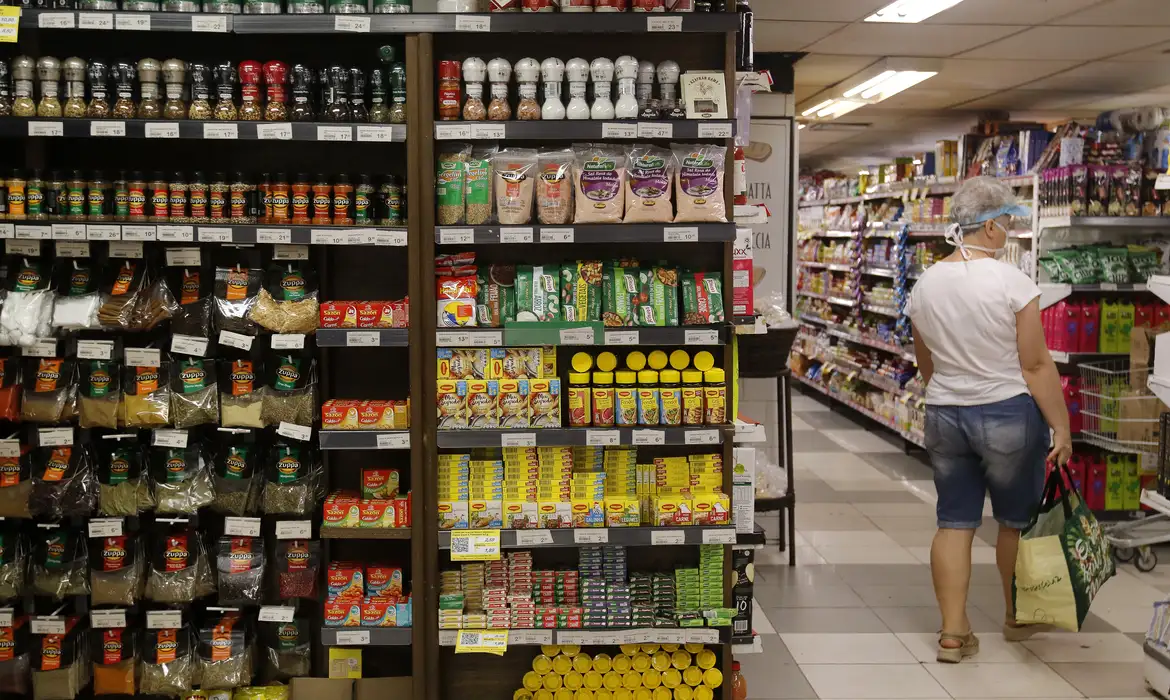
The supermarket sector in Brazil faces an unusual and concerning situation in 2025: despite recording over 350,000 open positions, supermarket chains struggle to fill these jobs.
This labor crisis is a result of deep changes in the labor market, especially among young people who increasingly seek flexibility and different conditions than those traditionally offered.
According to Marcio Milan, Vice President of the Brazilian Supermarkets Association (Abras), the employment dynamic has radically changed in recent years.
-
China has deployed over 1,400 fishing boats in formation, creating a barrier of 320 kilometers at sea, and the whole world wants to know if this is fishing, military exercise, or a message of war.

-
Where there was only sand and wind at 40 degrees, China built a megacity of 500,000 inhabitants with farms, wineries, and universities in the middle of the desert using melted glacier water from hundreds of kilometers away.

-
Theories about UFOs have resurfaced strongly after an aerospace scientist and a general linked to the Roswell case mysteriously disappeared in the United States within a few months, and even the FBI was called in to investigate.

-
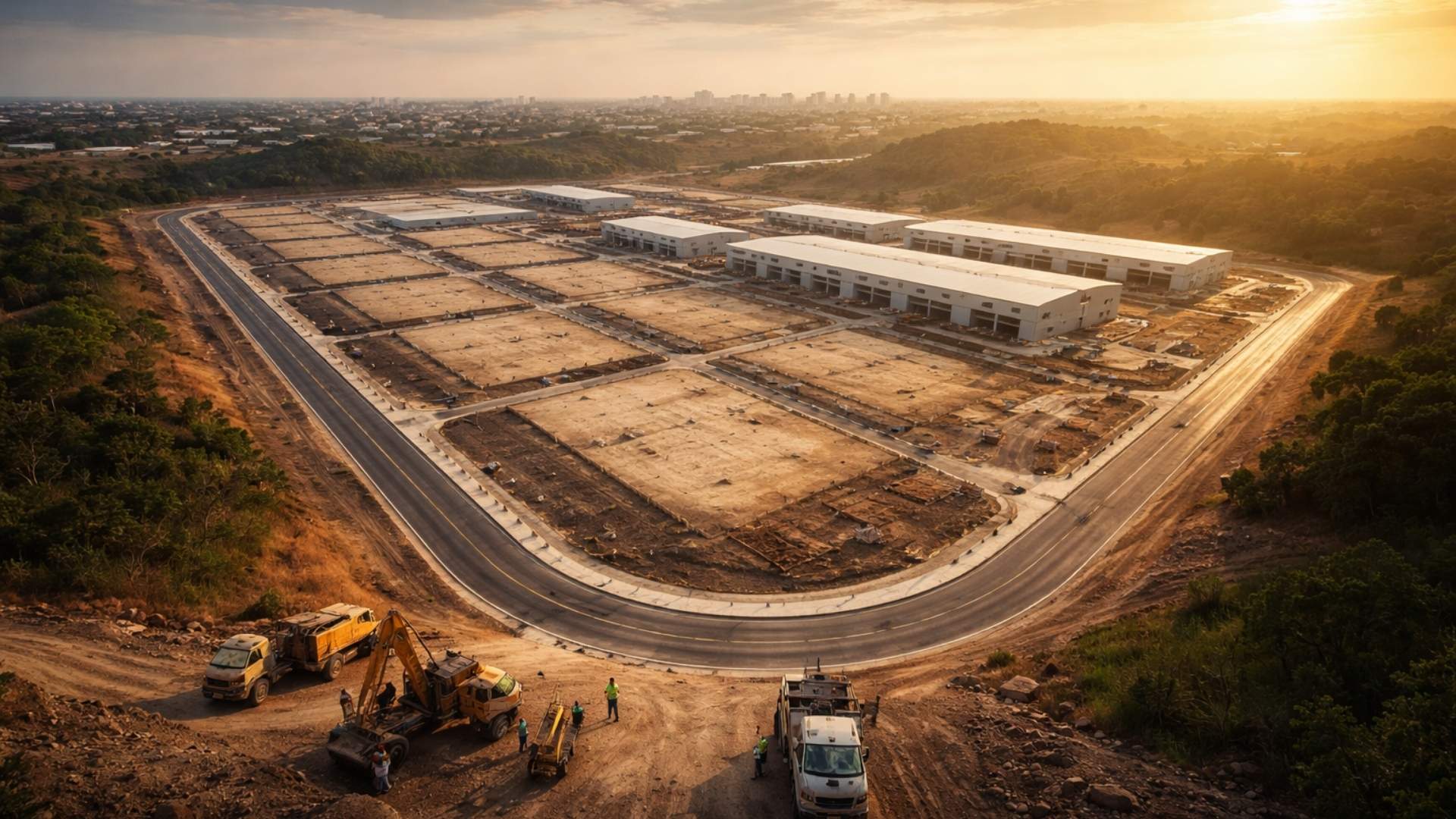
Brazilian city gains industrial hub for 85 companies that is equivalent to 55 football fields.

“In the past, it was the worker who sought employment at the supermarket; today, companies are chasing after workers, using social media, campaigns, and even partnerships with the Brazilian Army,” he explained in a recent interview.
According to the newspaper Estadão, this unprecedented collaboration with the Armed Forces aims precisely to attract young people who have completed mandatory military service, offering them a chance to enter the job market with real opportunities for growth.
The sector also bets on age diversity to overcome the shortage, seeking people over 60 years old who have more flexible schedules, in addition to young people looking for work hours adapted to their routines.
Changes In The Profile Of The Worker And Challenges For The Sector
The challenge is exacerbated by a phenomenon observed since 2012, according to data from the Brazilian Institute of Geography and Statistics (IBGE):
While in the past, the worker chased after job vacancies, today companies need to develop strategies to attract candidates.
According to Milan, flexibility at work is the main factor for young people abandoning supermarkets as an entry point into the formal job market, migrating to the informal sector, which offers greater freedom of hours and varied earning possibilities.
In addition to salary, which, although important, is not the only element, the benefits guaranteed by the Consolidation of Labor Laws (CLT), such as meal vouchers, paid vacation, 13th salary, and severance pay, are differentials that supermarket chains highlight to convince workers.
However, the executive points out that many candidates evaluate only the base salary, ignoring the importance of benefits, which further complicates the attraction and retention of these professionals.
Strategies To Reverse The Crisis And Flexibilization Of Work Schedules
To try to reverse this situation, Abras and other entities in the sector intensify recruitment campaigns and engage in dialogue with the federal government and the National Congress to discuss reforms in labor legislation.
Among the proposals is the flexibilization of work hours, with the possibility of hiring by the hour, which can benefit both young and older workers, in addition to reviewing the controversial 6×1 work schedule.
Deputy Erika Hilton (PSOL-SP) presented a proposal to replace the 6×1 schedule with a 4×3 schedule, which raised concerns in the supermarket sector.
Milan warns that this change, while seemingly positive, could complicate the hiring process even further, which is already a significant challenge for the segment.
The supermarket sector is one of the largest employers in Brazil, with about three million direct and indirect jobs and over 400,000 establishments in operation.
The Role Of Unions And Inclusion Actions
Ricardo Patah, president of the Commerce Workers’ Union of São Paulo and the General Union of Workers (UGT), closely monitors the labor shortage in commerce and services, and organizes an annual job fair in downtown São Paulo.
Although the custom of sleeping in lines to secure a spot has decreased in the last two years, the fair remains an important tool to connect candidates and employers.
This event prioritizes vulnerable groups, such as young people, women, and people with disabilities, who face greater difficulties entering or staying in the job market.
The expectation is to expand the fair to other regions of the country, increasing the chances of serving both workers and companies looking for new talent.
Additionally, Patah advocates for a review of work hours, criticizing the overload faced by workers, who often need to work seven days a week.
“In an increasingly technological world, it is essential to rethink exhausting work hours that no longer align with the current reality of the worker,” he stated.


The Structural Challenge Of The Labor Shortage In Brazil
This situation reflects a critical moment for the Brazilian labor market, where economic recovery faces a structural problem: the lack of available workers for the roles that the economy offers, such as in supermarkets.
Meanwhile, supermarket chains seek to reinvent themselves to attract talent, whether through partnerships with the Army, valuing more experienced workers, or adapting hours for an audience that values flexibility.
The challenge is great and demands coordinated efforts between companies, government, and society to prevent the labor shortage from becoming a permanent obstacle to the growth of the sector.
Do you think that partnerships between companies and institutions like the Army can be a definitive solution to the labor crisis in Brazil?






Salários base em supermercados são muito baixos se comparados com suas jornadas de trabalho que são muito limitantes. Esta relação não tem proporção e precisa ser revertida urgentemente, pois supermercados precisam de pessoas e pessoas precisam de emprego satisfatório.
A grande falta de mão de obra um dos maiores motivos são os salários baixos benefícios que alegam ter e na horas não é nada daquilo proposto pelos mercados e as escalas de trabalho que os funcionários não têm vida particular o empresário só pensa só em lucra e não vê salário melhor para funcionários que tem que aturar clientes mau educados. E a escala 6×1 acaba com os funcionários.
A grande falta de mão de obra um dos maiores motivos são os salários baixos benefícios que alegam ter e na horas não é nada daquilo proposto pelos mercados e as escalas de trabalho que os funcionários não têm vida particular o empresário só pensa só em lucra e não vê salário melhor para funcionários que tem que aturar clientes mau educados.