





 Portuguese
  English
  Spanish
 4 min of reading
  0 comments


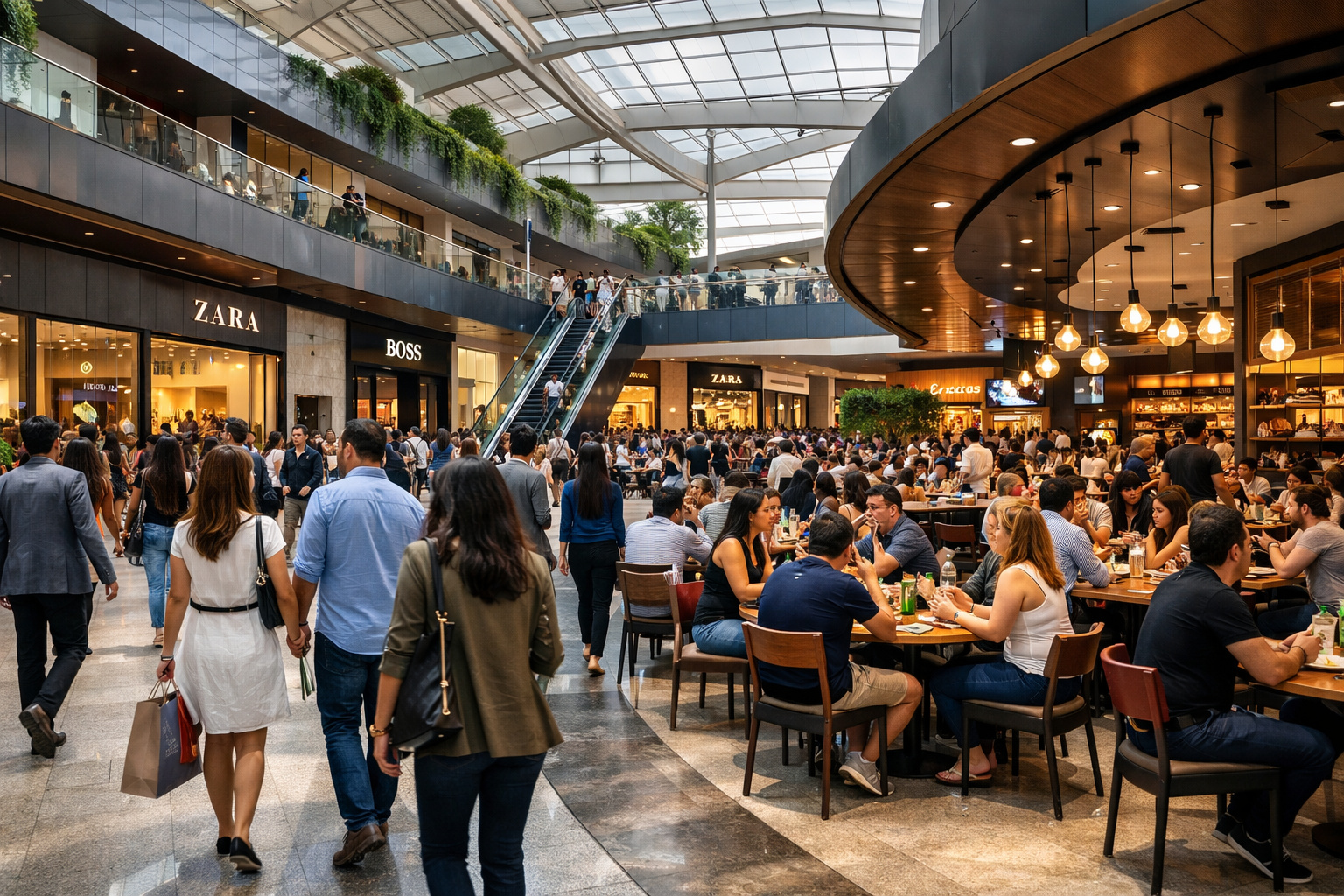
From Traditional Store in Curitiba to Group with 425,000 m² of GLA, 2,500 Operations, and Million-Dollar Expansion Sustained by Own Capital
They started by selling fabric in downtown Curitiba. However, decades later, the story took a much larger turn. Today, the Tacla family controls 12 shopping malls in southern Brazil and São Paulo, generating R$ 6 billion in annual sales and receiving over 75 million visitors per year.
Additionally, the group has a total of 425,000 square meters of gross leasable area (GLA) and more than 2,500 active retail operations. In 2025, sales surpassed R$ 6 billion, consolidating the company as one of the leading regional players in the sector.
The information was released by the magazine “Exame,” which detailed how the group maintained investments even in a scenario marked by a pandemic, elevated interest rates, and economic slowdown. In other words, while part of the market slowed down, the company advanced.
-
Historic bankruptcy of Centauro shocks the market, and the century-old company puts more than 500,000 products, machines, and complete infrastructure up for online auction.

-
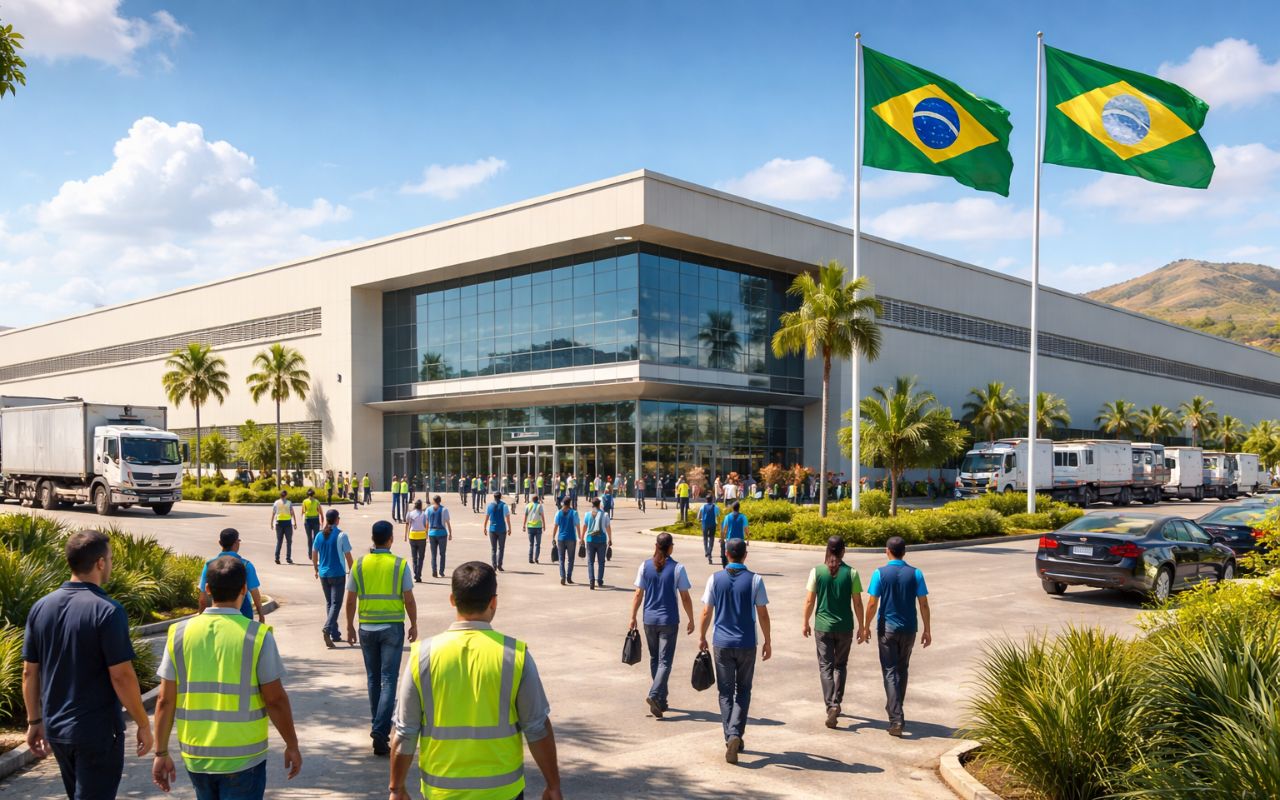
New shoe factory in Ceará is expected to create 400 jobs and strengthen the local economy.
-
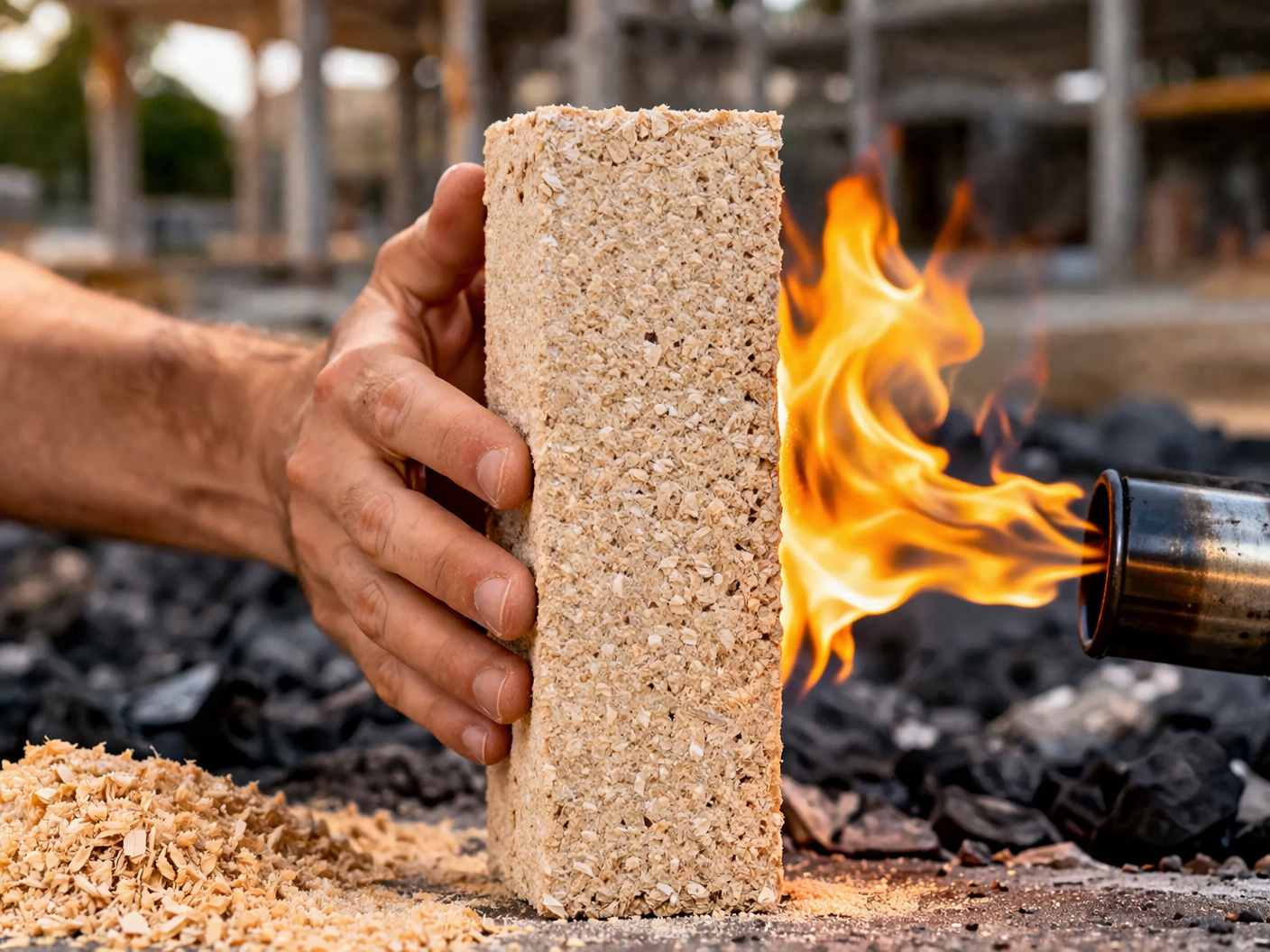
No one imagined it, but a mixture of sawdust with a mineral that fights fires surprises scientists with a result that changes the course of fire-resistant construction.
-
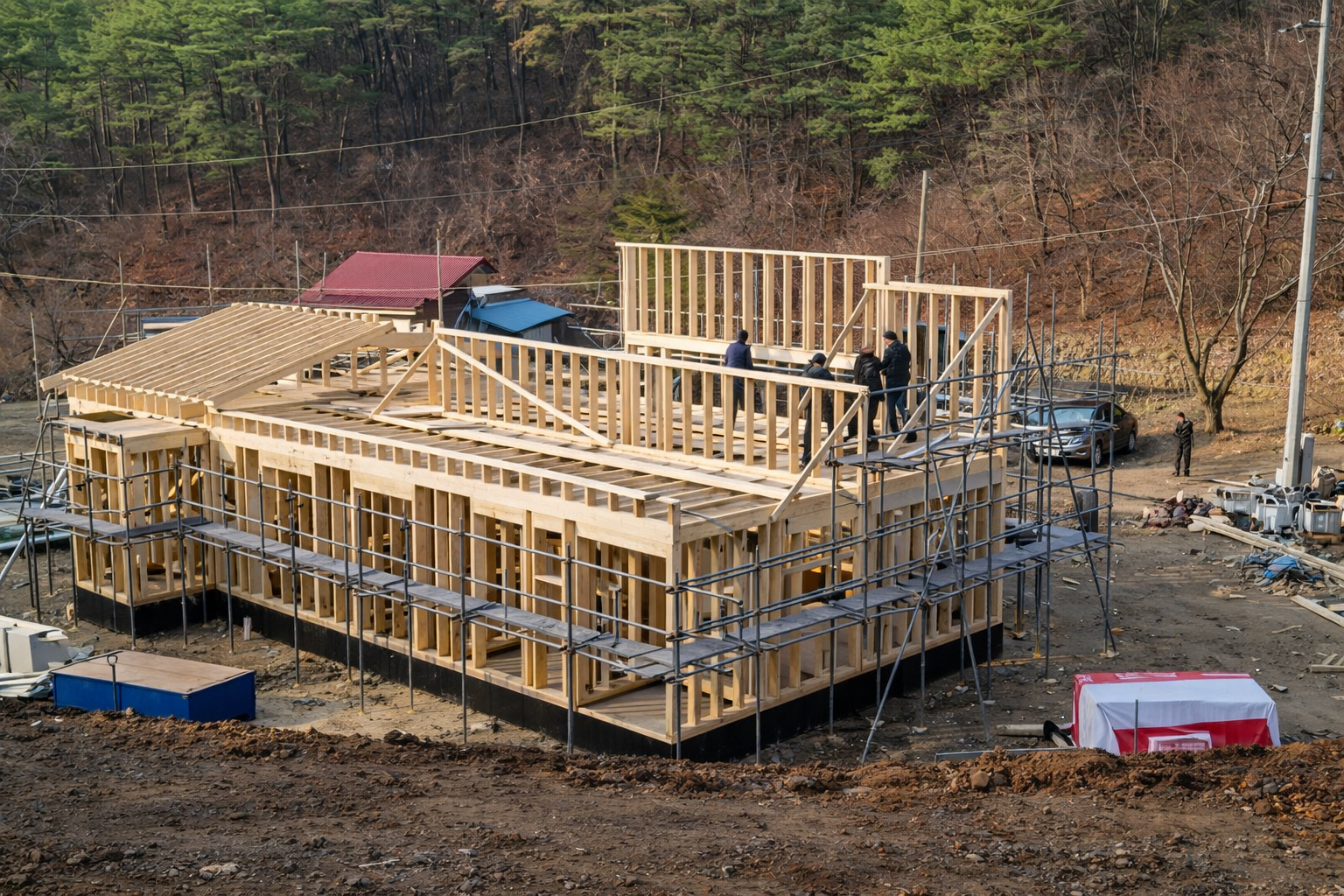
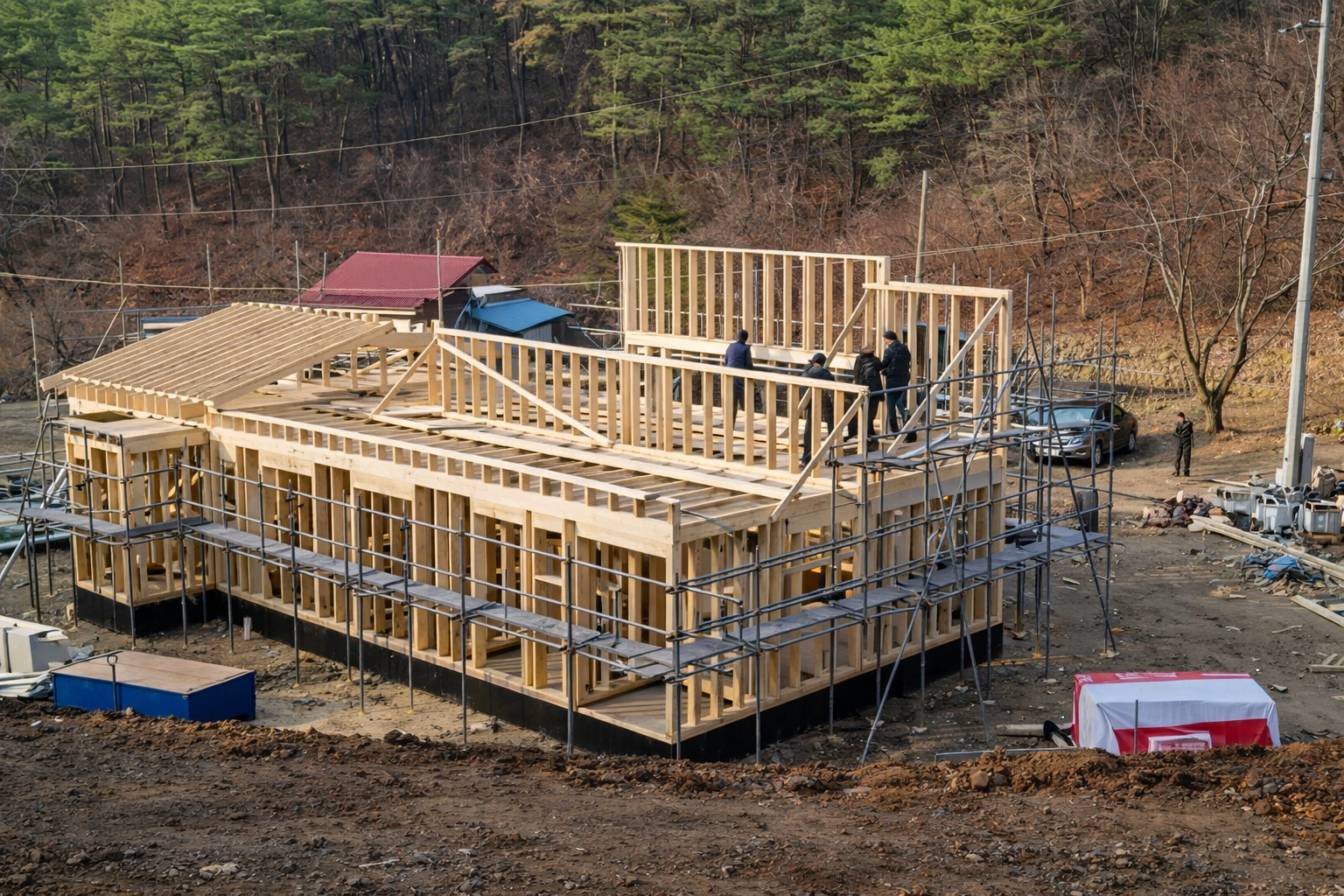
From empty land to a high-end house, wooden construction uses a lightweight system, metal structure for the foundation, ventilated ceramic cladding, and special windows to create an efficient and comfortable living space throughout the year.

Currently, the occupancy rate is stabilized at 95%. Additionally, in 2025 alone, 685 new contracts were signed with retailers and kiosks. As a result, the portfolio supports approximately 25,000 direct and indirect jobs.
From Fabric Counter to Strategic Control of the Commercial Space
The group’s origin dates back more than 90 years. At that time, the family’s grandfather, coming from Syria, opened a fabric store on Rua 15 de Novembro in Curitiba. For decades, the business remained in traditional retail.
However, in the 1980s, the family decided to change its strategy. Instead of just selling at the commercial point, it began to control the real estate asset itself. First, it tested the model with a gallery in downtown. Then, in the 1990s, it launched the Shopping Cristal, the first structured venture of the family.
This transition, therefore, completely redefined the group’s positioning. As they came from retail, the directors claim to deeply understand the pains of the retailer. Thus, the company began to treat the retailer as the primary customer.
Furthermore, the management remains family-oriented and present in the assets. In this way, strategic decisions are made quickly, especially in times of crisis.
Growth While the Sector Reduced Investments
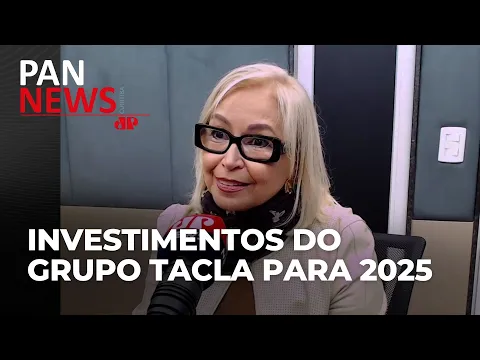

After the pandemic, many shopping groups reduced openings. However, Grupo Tacla maintained its expansion strategy.
In the last four years, the company:
- Built three shopping malls
- Acquired an already operational asset
- Invested R$ 520 million in expansions and construction
- Allocated R$ 20 million for the modernization of Shopping Cidade Sorocaba
Highlights include Plaza Campos Gerais in Ponta Grossa (PR) and the acquisition of Shopping Estação in Curitiba.
Additionally, the group diversified its portfolio with two outlets — the first in Paraná and the first in Santa Catarina. This way, it expanded its audience reach and strengthened its regional strategy.
According to the directors, shopping is a generational asset. Therefore, all decisions follow a long-term logic. The vision is not for the next quarter but for the next 50 or 100 years.
Pandemic, Renegotiation, and Own Cash
The pandemic was undoubtedly the biggest recent test for the sector. Still, the group claims to have navigated the period with financial discipline and focus on relationships.
First, it reduced operational costs to alleviate the burden on retailers. Then, it renegotiated contracts during the most critical months.
Consequently, it maintained the occupancy rate close to 95% even after the most challenging period.
Additionally, growth continues to be sustained by own capital. Thus, the group can navigate adverse economic cycles without compromising its expansion strategy.
Services, Experience, and Technology as Drivers of Flow
Consumer behavior has changed. Therefore, the mix of shopping malls has also evolved.
Today, the ventures concentrate services such as:
- Medical clinics
- Federal Police
- Poupatempo
- Gastronomy
- Entertainment
Thus, the flow is no longer just commercial and becomes recurring and community-based.
Meanwhile, the group invested in technology. Even before the pandemic, it created Optimall, its proprietary platform aimed at promotional campaigns and consumer data analysis.
With this, it integrates marketing, performance, and commercial intelligence. In fact, the solution already serves shopping malls and retailers outside the group.
Greenfield Expansion and Multi-Use Model
The pipeline remains active. Currently, the group is developing a greenfield shopping mall in Paraná. Additionally, it plans a multi-use complex with integrated residential — the first experience in this model.
There are also ongoing expansions, such as at the Porto Belo (SC) shopping mall. Simultaneously, new acquisitions are still being analyzed.
According to the board, all decisions are made internally and with own capital. This way, the strategy maintains coherence and predictability.
Conclusion
From a fabric counter to an empire with 12 shopping malls, 425,000 m² of GLA, and R$ 6 billion in annual sales, the Tacla family built a model based on asset control, proximity to retailers, and disciplined expansion.
While many halted investments, the group accelerated. And, by combining generational vision, technology, and diversification, it consolidated a relevant position in the sector.
Now I ask you:
Do you believe that the shopping center will continue to be a strong asset in the coming decades, or can digital still reshape this market?









-

Uma pessoa reagiu a isso.