





 Portuguese
  English
  Spanish
  5 min of reading
  375 comments


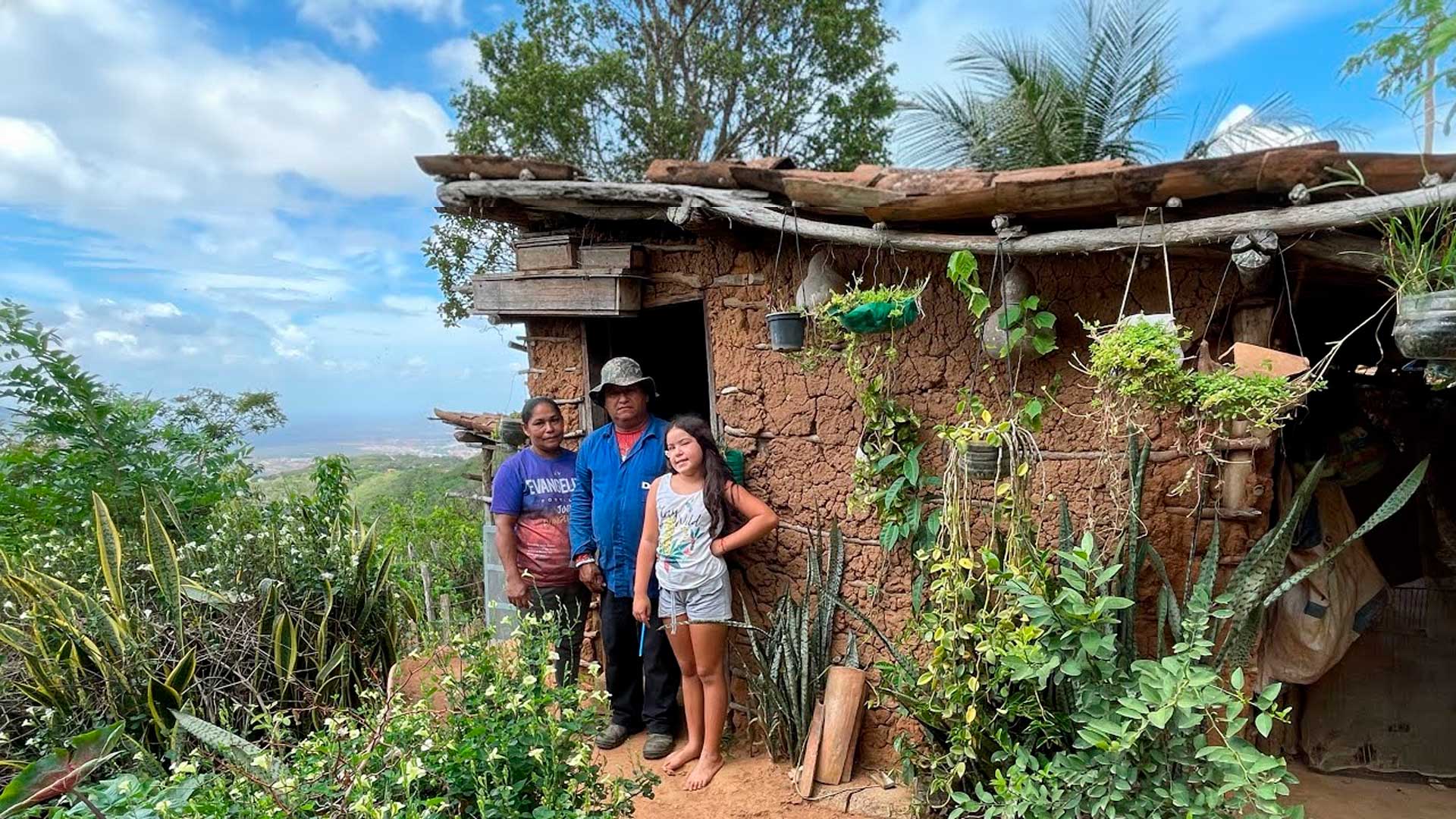


Couple of Farmers Live with Family in the Mountains for 55 Years, Surviving on Family Agriculture and Animal Husbandry in a Crumbling Home That Shows Cracks and Needs Urgent Repairs
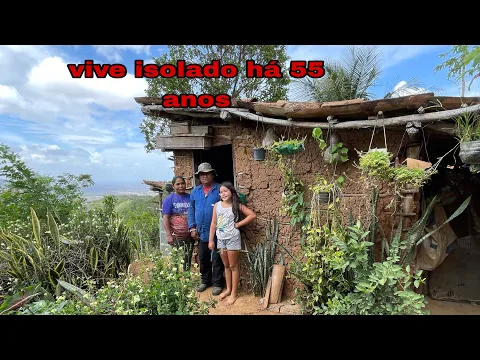
Mr. Gonçalo and Francisca Helena live a reality far from urban centers. At the top of a mountain in Itapipoca, in the interior of Ceará, the family has maintained a routine of isolation from the city for 55 years, living in a house built entirely of adobe.
The property, located at a higher altitude than neighboring communities, represents the lifestyle of thousands of rural families in the Northeast who face access difficulties to basic services.
The house shows visible cracks in the walls, a result of weathering and the strong winds characteristic of the mountainous region. According to the resident, who is 66 years old, the structure shakes during windstorms, but he believes adobe houses are the safest there are. His wife, Francisca Helena, 49, shares the same opinion regarding the resilience of traditional construction.
-
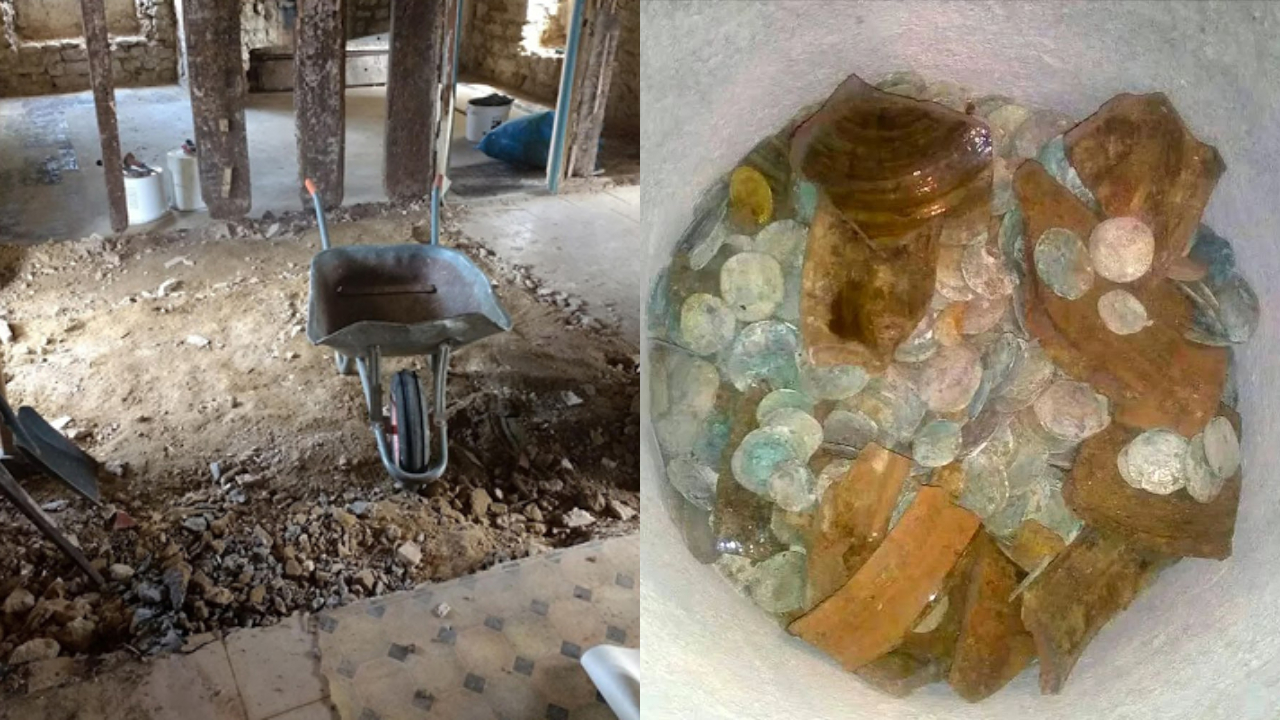
A couple buys an old chalet, breaks the kitchen floor for renovation, and finds over a thousand coins of gold and silver hidden since the English Civil War over 4 centuries ago.
-
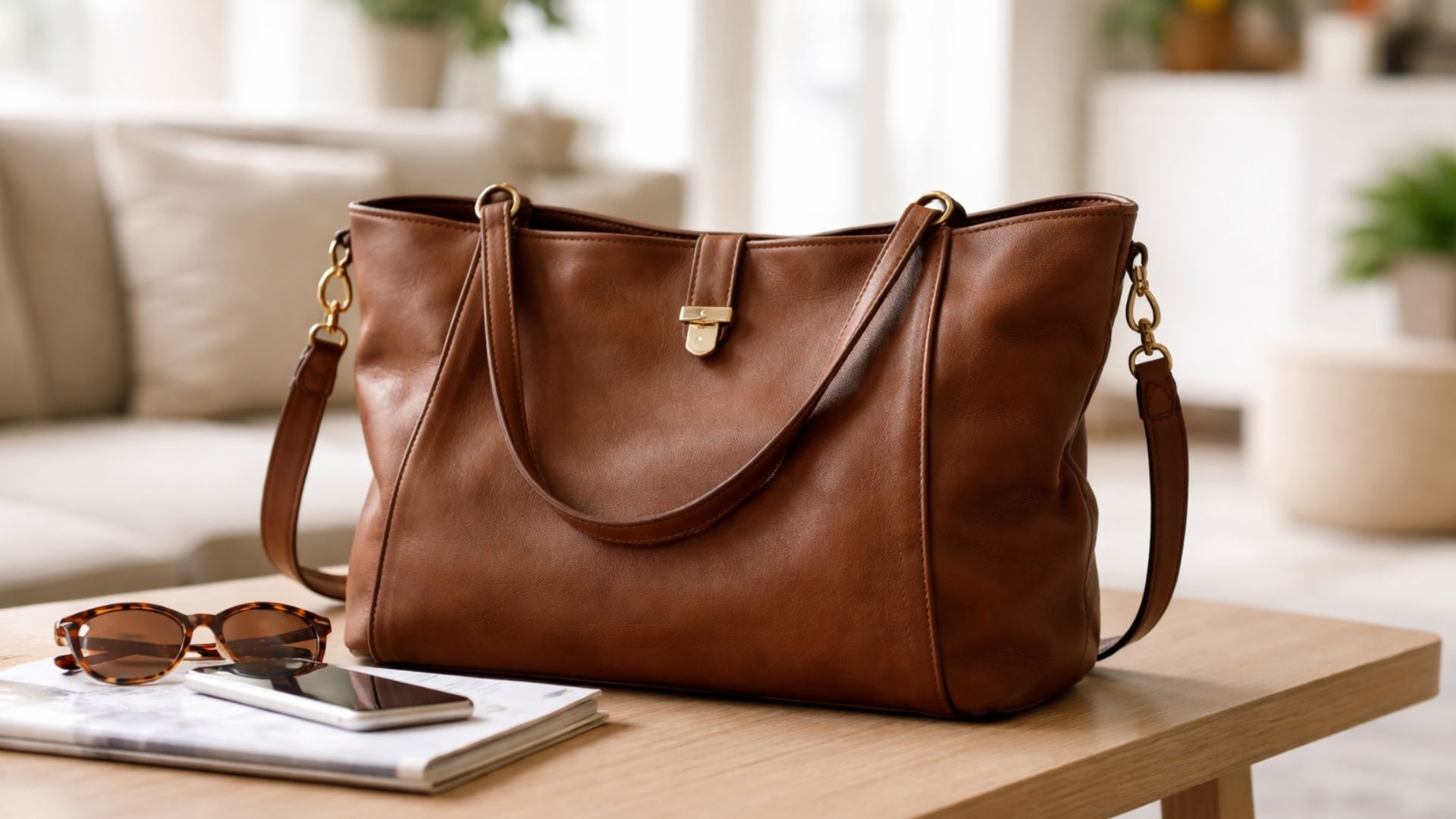
Rigid bags with their days numbered: new trend prioritizes comfort in 2026.
-
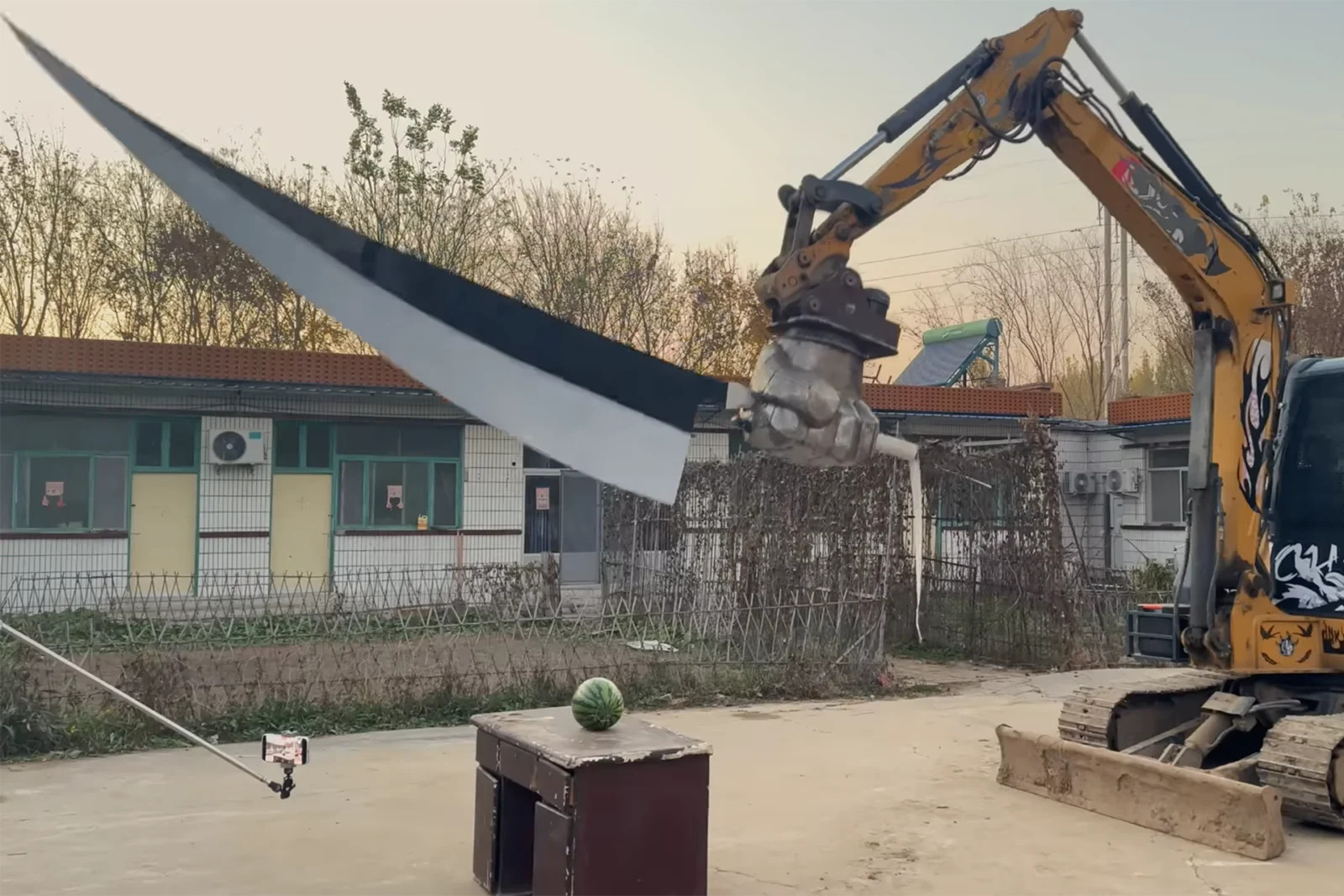
YouTuber creates an excavator equipped with a giant 4.5-meter sword to challenge his brother to a rematch, and the invention quickly goes viral on social media.
-
The U.S. Army surprises the world by presenting the UH-60MX Black Hawk helicopter capable of flying without pilots, controlled by a tablet, featuring the MATRIX system, smart sensors, and full autonomy in real combat and rescue missions.


The couple has two children and two grandchildren who frequently visit the property. The family routine includes taking care of fruit crops such as mango, lemon, acerola, guava, and soursop, as well as raising chickens, ducks, and fish in improvised tanks.
Traditional Adobe Construction Faces Deterioration After Decades

Adobe houses still persist in the landscape of the countryside and in the lives of sertanejo, representing a common form of housing in rural areas of the Northeast. The construction technique uses horizontally intertwined wooden sticks driven vertically into the ground, filled with clay.
The clay walls, naturally insulating, regulate the internal temperature without the need for electricity.
The family’s residence is entirely built with this ancestral technique. Recently, Mr. Gonçalo carried out a small renovation to enlarge the kitchen, which he considered too small. He explains that he tore down part of the structure to build a larger space, demonstrating empirical knowledge about maintaining this type of construction.
Despite its durability, the house shows clear signs of aging. The resident acknowledges the need for repairs, especially to the external plaster, but has faced health issues that interrupted the work. He is recovering from problems with his back and knee, awaiting approval for social assistance benefits.
Family Agriculture and Animal Farming Ensure Livelihood
The family maintains a diverse production of fruits on the property. Lemon, acerola, mango, guava, banana, and soursop plants make up the productive backyard. According to Mr. Gonçalo, the lemon tree produces year-round, both in winter and summer. The acerola also shows abundant production, with several trees laden with fruit.
Francisca Helena uses the harvest to make artisanal sweets that are sold in the region. She prepares papaya candy for R$ 15, milk candy for R$ 18, and cocada for R$ 3 each. The products are mainly sold on demand, representing a supplementary source of family income.
Fish farming is another important activity. The family raises tilapia in a tank dug into the ground, which also serves to store water for irrigating plants. The system utilizes rainwater and springs located about a kilometer away from the residence.
Precarious Access and Lack of Basic Infrastructure
The geographic isolation represents one of the main challenges faced by the family. The property is at the top of the mountain, at a higher altitude than neighboring communities, with access only by a steep trail. According to the residents, only motorcycles and pedestrians can make the climb. Cars can only go up when it is not raining.
In the rural zone, sanitation follows what is common in these areas: water is stored in artesian wells, waterholes, and ponds. In this family’s case, the water comes from a distant spring through an improvised pipeline. They use tanks lined with plastic sheeting for storage.
The family does not have regular access to public services. Francisca Helena revealed that she does not have a cell phone and that the Bolsa Família was blocked, requiring several trips to the municipal CRAS to resolve the situation.
She reported having gone to the agency five times without being able to reactivate the benefit, which is essential for supplementing the family income.
Urgent Need for Repairs and New Materials
One of the main problems currently faced is the deterioration of the plastic tarps used in the water storage tanks. Mr. Gonçalo explains that he has a large dug tank, approximately 8 meters by 26 meters, that needs a new tarp to function properly.
The most durable tarp costs about R$ 38 per meter, while the thinner version costs R$ 24 per meter. To cover the entire tank, approximately 50 meters of material would be needed, totaling an investment of over R$ 1,200. The family was using a thinner tarp, but it lasted only two years and is completely torn.
The resident receives assistance for health issues related to his back, but the amount is insufficient to make all necessary repairs.
He is also awaiting approval for benefits related to his knee problems. Selling fruit pulps and artisanal sweets helps, but it is not enough for larger investments in the property.
Simple Life Values Tranquility and Connection with Nature
Despite the difficulties, Mr. Gonçalo emphasizes the quality of life afforded by isolation. He describes the routine as peaceful, calm, and tranquil, ideal for those seeking solitude. The mountain climate is considered excellent by the family, with lush vegetation after the rains.
Granddaughter Maria Vitória, who lives in Picos and spends her vacation with her grandparents, confirms that she loves staying on the property. The wood stove is still used regularly, even though the family has a gas stove. According to Francisca Helena, the wood cooks food faster than gas.
The family even grows vegetable loofah, used for washing dishes, eliminating the need to buy industrial sponges. The partial self-sufficiency in food and basic products is valued by the residents, who highlight the abundance of fruits available year-round.
Close relatives, including his mother, sisters-in-law, and Mr. Gonçalo’s son, live nearby, forming a small family community. Since 2009, when they returned to the mountain after 18 years in Picos, they have maintained this traditional lifestyle that resists urban transformations.
And you, what do you think about families who choose to live in isolation in rural areas? Should government programs prioritize structural improvements for these traditional homes or encourage migration to urban areas? Leave your opinion in the comments.





Pergunta em quem eles votam ??
O Governo municipal, estadual e principalmente o federal deveria dar toda assistência médicas e outras, pois os impostos que pagamos é para isso e não para ser roubados como vem sendo.
Nenhum governo seja ele do âmbito municipal, estadual ou federal, e até mesmo a sociedade, tem o direito de opinar a onde uma pessoa ou família deve morar.
A obrigação dos governantes e dar atravéz dos impostos pagos pela sociedade as condições de que a constituição garante aos cidadãos.
A escolha de onde morar é única e exclusiva de cada pessoas, e ninguém tem direito de opinar.
Enquanto a casa o governo deveria dar um subsídio para que os mesmos arrumar a casinha deles, além de viabilizar os benefícios de previdência, evitando as burocracia geradas por incompetentes.
É maravilhoso morar em lugar assim